
Challenges we face together
The world faces many issues: rising sea levels, more extreme weather events, loss of biodiversity and social injustice. But together, we can overcome these challenges.
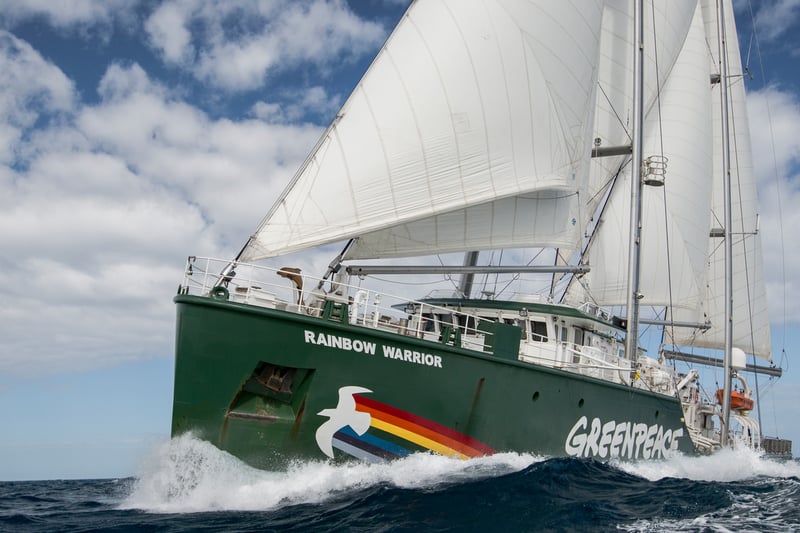
Issues we’re working on
Greenpeace’s mission is to create a green and peaceful future. We know we can achieve change when we all work together.
The issues that Greenpeace campaigns on will help ensure Earth’s ability to sustain life in all its diversity. Learn more about what Greenpeace is doing to protect our natural world for future generations, and how you can get involved.
How Greenpeace creates change
Through action, Greenpeace aims to spark systemic change. That means large-scale change that will fix the root causes of issues, not just the symptoms. To do that, Greenpeace uses the following approaches:
- Investigations – Greenpeace investigates and exposes governments or corporations who cause environmental damage
- Lobbying – Greenpeace encourages and persuades those in positions of power to take the bold steps needed to stand up to corporate influence and protect the planet
- Direct Action – Greenpeace activists peacefully protest environmental injustice
- People Power – Greenpeace helps people send a message to decision-makers and enables people to come together and demand change
- Science – Science and research guides all of Greenpeace’s work. Facts and peer-reviewed research form Greenpeace projects and policies.
Usually, Greenpeace campaigns involve a combination of all of these tactics.
Get involved with Greenpeace campaigns
Greenpeace is a people-powered organisation. We believe it’s only with the support of people just like you that we can come together and change history.
Let’s make the world a greener, more peaceful place, together.
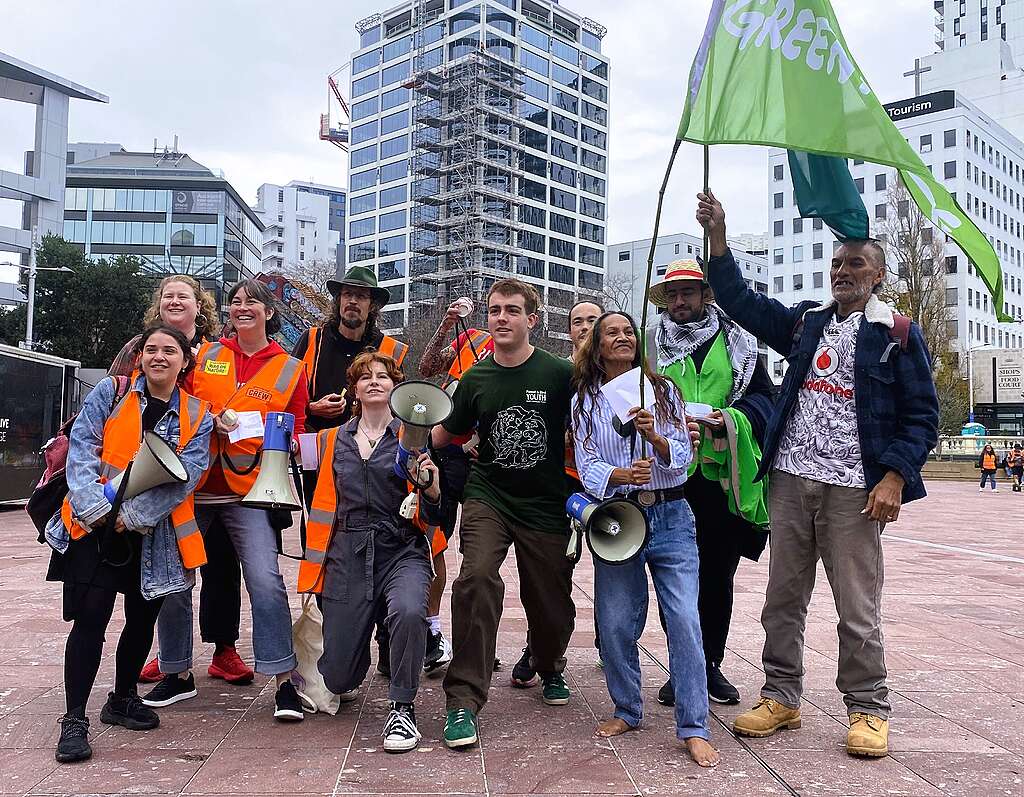
Past Greenpeace campaigns
Greenpeace has been campaigning for the planet since 1971. Find out about some of Greenpeace’s historic projects, and the victories we’ve won together for the planet.

Greenpeace is 100% independent
We rely on donations from people like you, people who care about protecting the planet. You can support our work by making a donation today
-
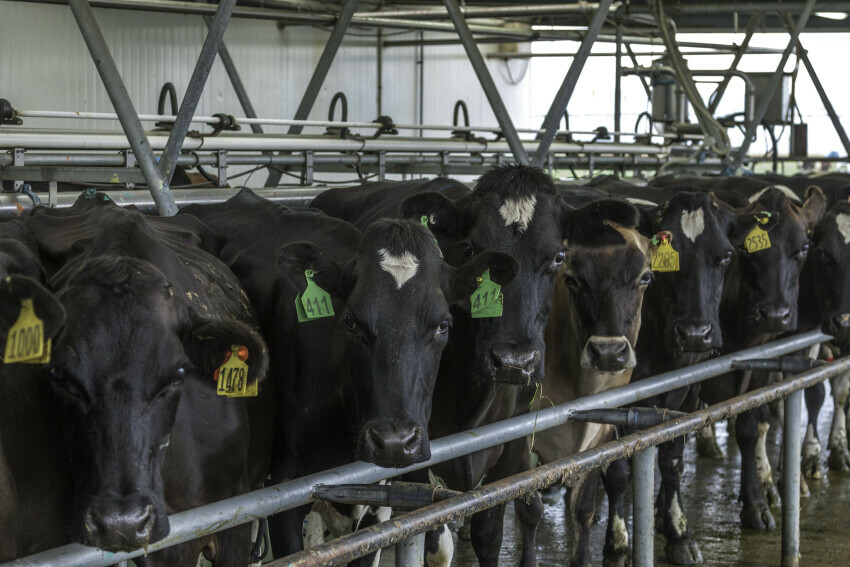
Can we stop saying New Zealand’s dairy farming is the most efficient in the world?
It’s time for New Zealand to face the music, and admit once and for all that our dairy industry is not the most efficient in the world. Here’s why.
-
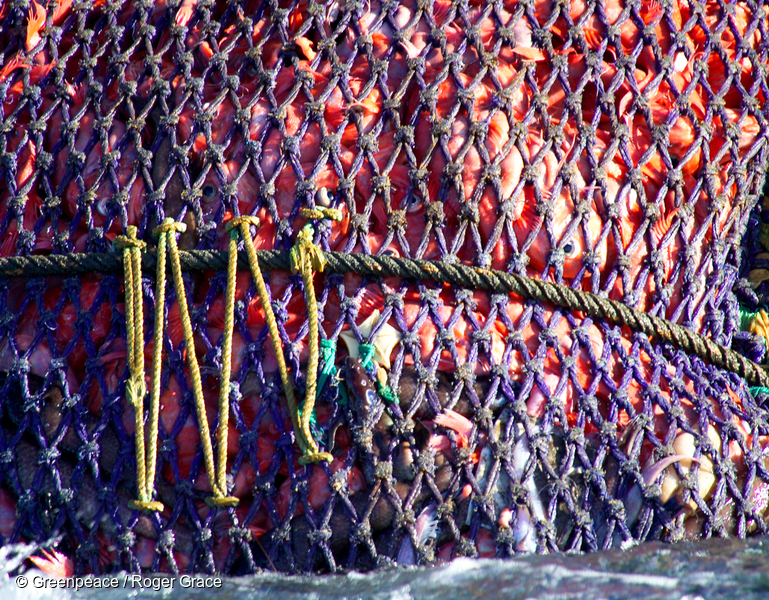
Seamount closures for world’s largest orange roughy fishery as population plummets
The New Zealand Government has announced temporary seamount closures in the world’s largest orange roughy fishery, following news that deep sea fish numbers are plummeting. The closures, set for six weeks, will mean that several seamounts will be off limits to bottom trawling. But environmentalists say the closures don’t go far enough.
-
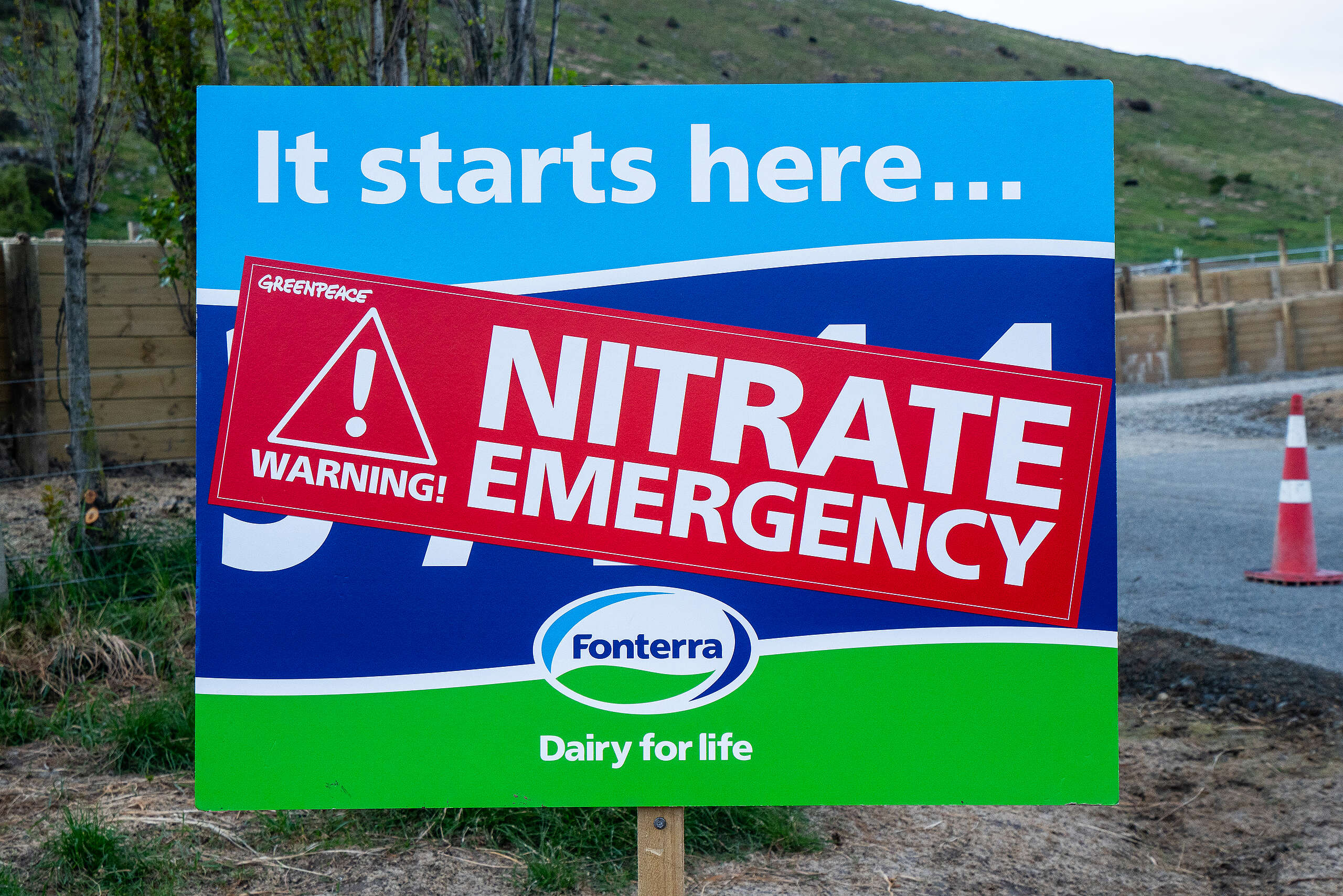
Danish Govt to lower drinking water nitrate limit, Greenpeace calls on NZ to follow
The Danish Government has confirmed it will dramatically lower nitrate limits for drinking water, in line with modern health science.
-
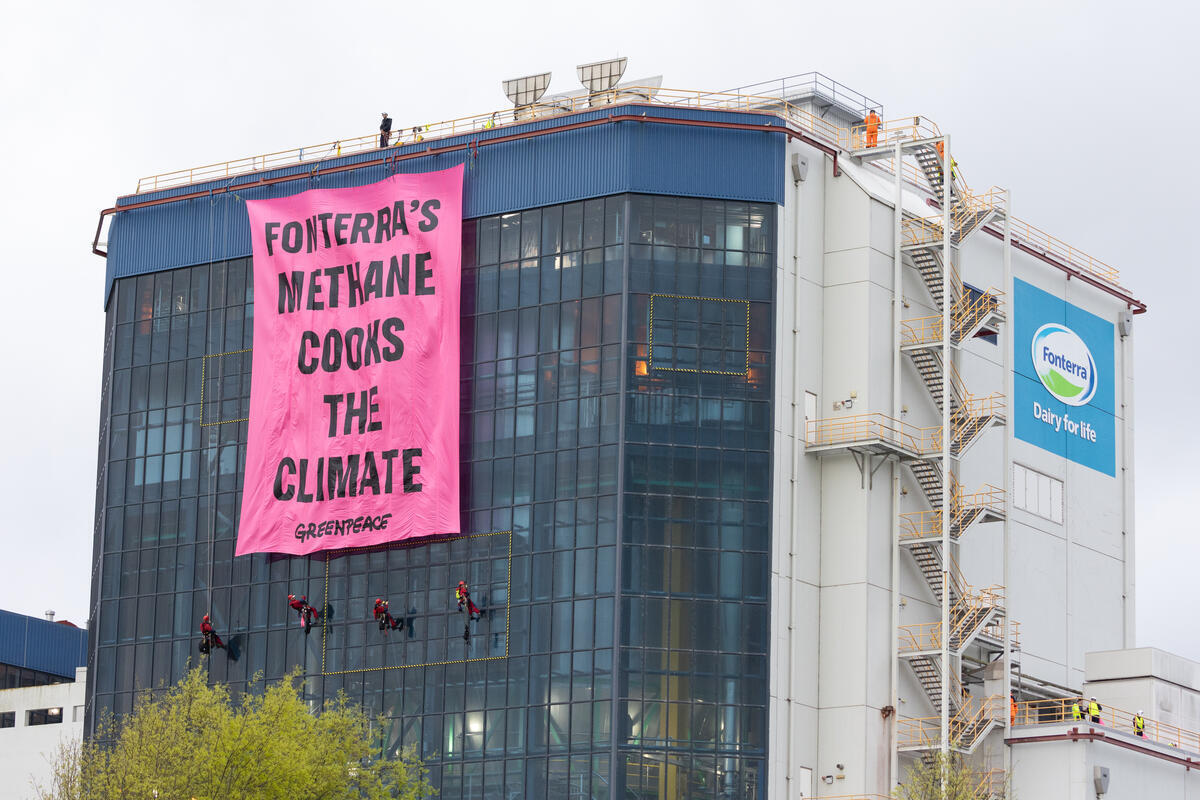
When I broke the rules, I got a criminal record. When they break the planet, they just rewrite the rules.
Have you ever noticed that legislation always seems ready to go the moment an industry wants it? It’s almost like someone else… wrote it in advance?
-
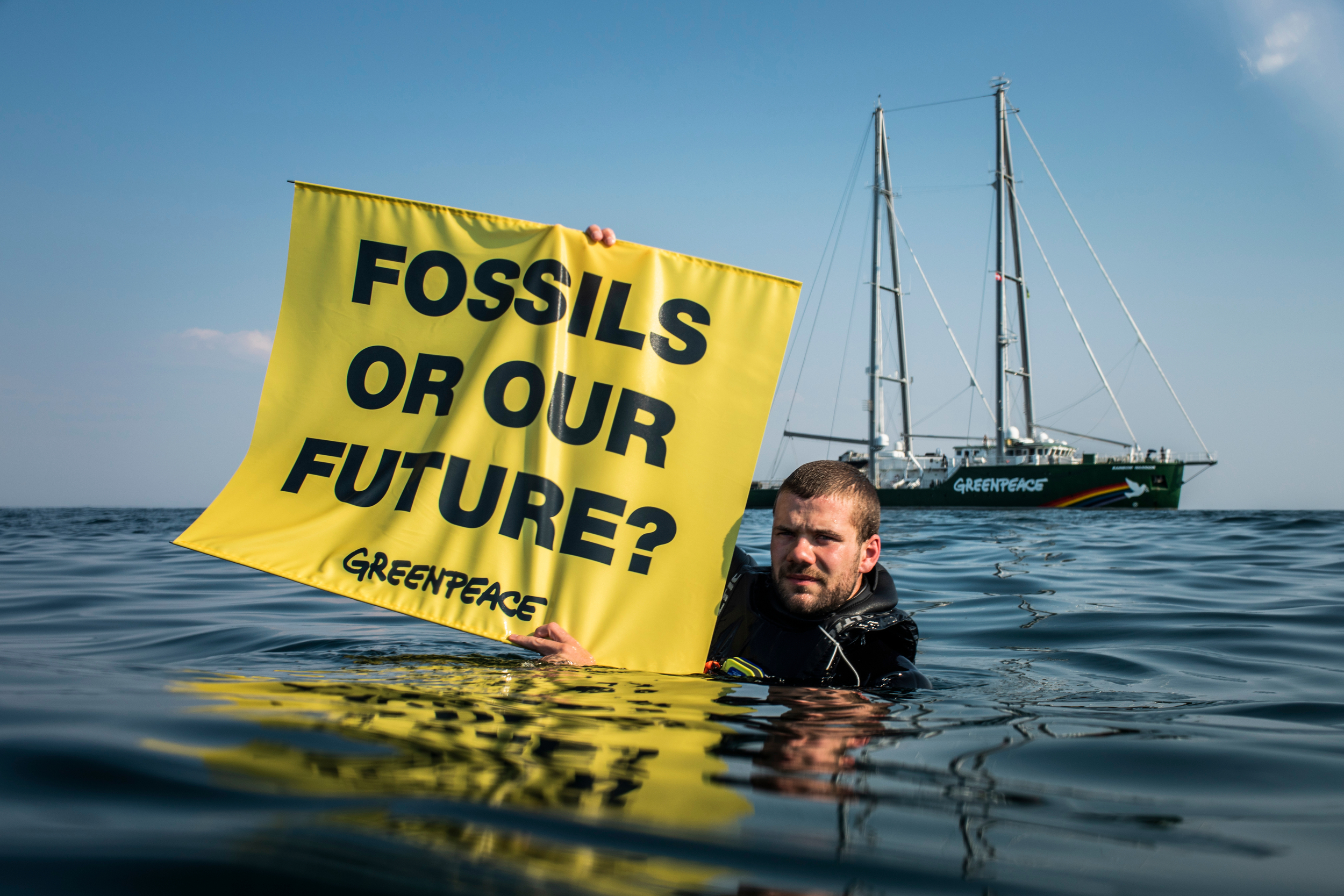
Budget 2026: where are the solutions to climate, biodiversity and fuel crises?
Greenpeace is lamenting the paucity of solutions in Budget 2026 to the climate, biodiversity and fuel price crises.
-
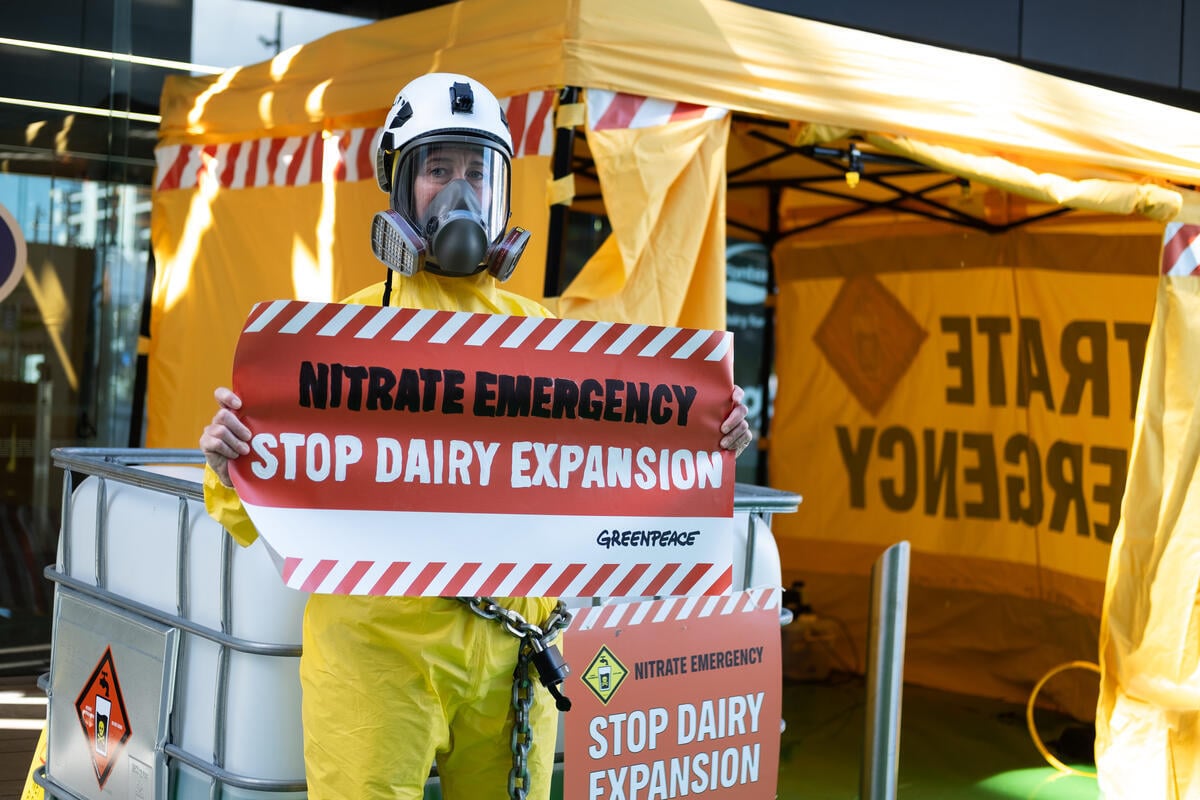
Southland nitrate investigation delaying the inevitable
Greenpeace says that Environment Southland continues to risk people’s health by delaying action against dairy pollution.
-
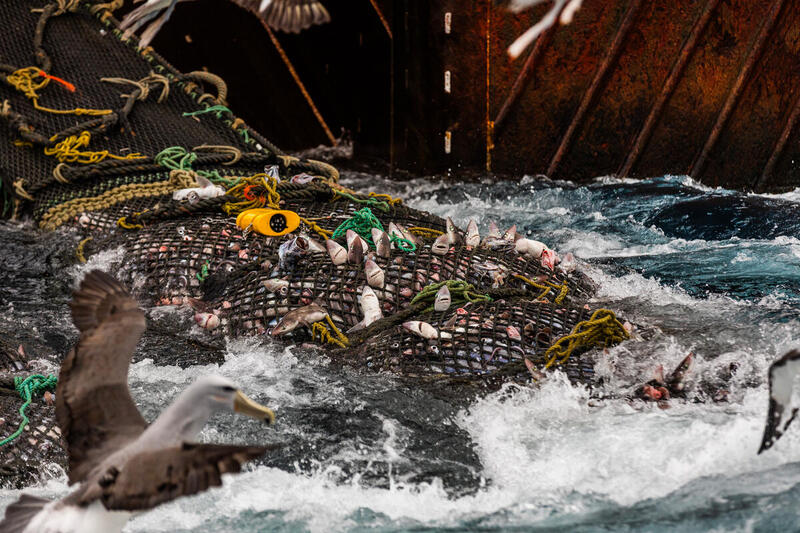
Vision versus reality – thousands of protected animals killed in one year of trawling
Greenpeace Aotearoa is renewing its call for urgent action on bottom trawling after data from the Ministry for Primary Industries (MPI) shows another deadly year for New Zealand’s marine life.
-
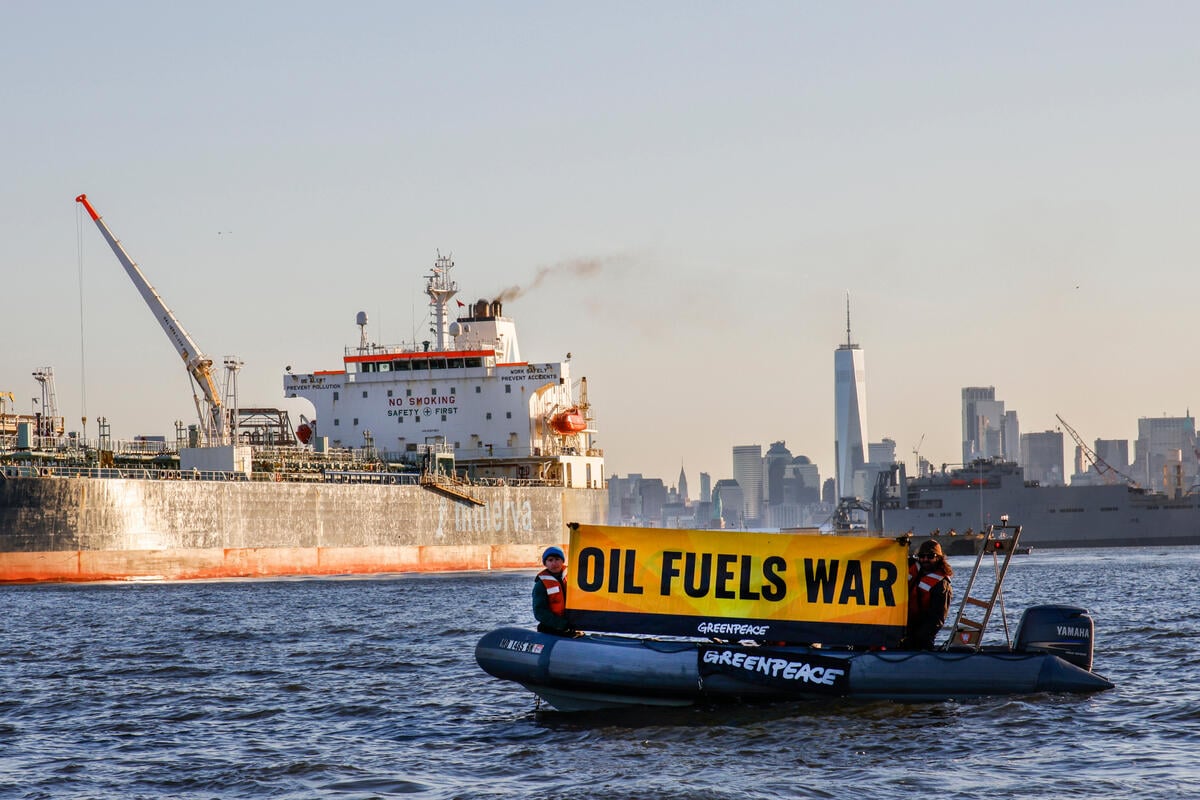
Govt forced to admit its fossil gas story was always a fairytale
The NZ Government has been forced today to reinstate a scheme to support businesses transitioning off fossil gas.
Subscribe
Greenpeace is people, people like you, and together we are unstoppable! Join us today in defending nature.
Add your name and email to receive updates and campaign information from Greenpeace Aotearoa.