When Christopher Luxon told Tova O’Brien on Breakfast this morning, “My job is the CEO,” it wasn’t just a slip of the tongue. It was a window into how he thinks leadership works. Tova’s immediate pushback, “Your job is the Prime Minister”, cut right to the heart of the problem we’re seeing in New Zealand’s environmental and social politics today.
On the surface, CEO sounds efficient. It’s about spreadsheets, delegations, and “hitting the phones”. But there is a fundamental difference between running a company and leading a country
A CEO’s primary duty is profit. In the corporate world, if a project (like a new mine or a motorway) makes money, it’s a win. People who disagree aren’t New Zealanders with a stake in the future of the country, they are obstacles or stakeholders to be managed.
In a country, success isn’t measured in a quarterly profits report. The balance sheet needs to take into account the health of our rivers, the stability of our climate, and the wellbeing of our communities.
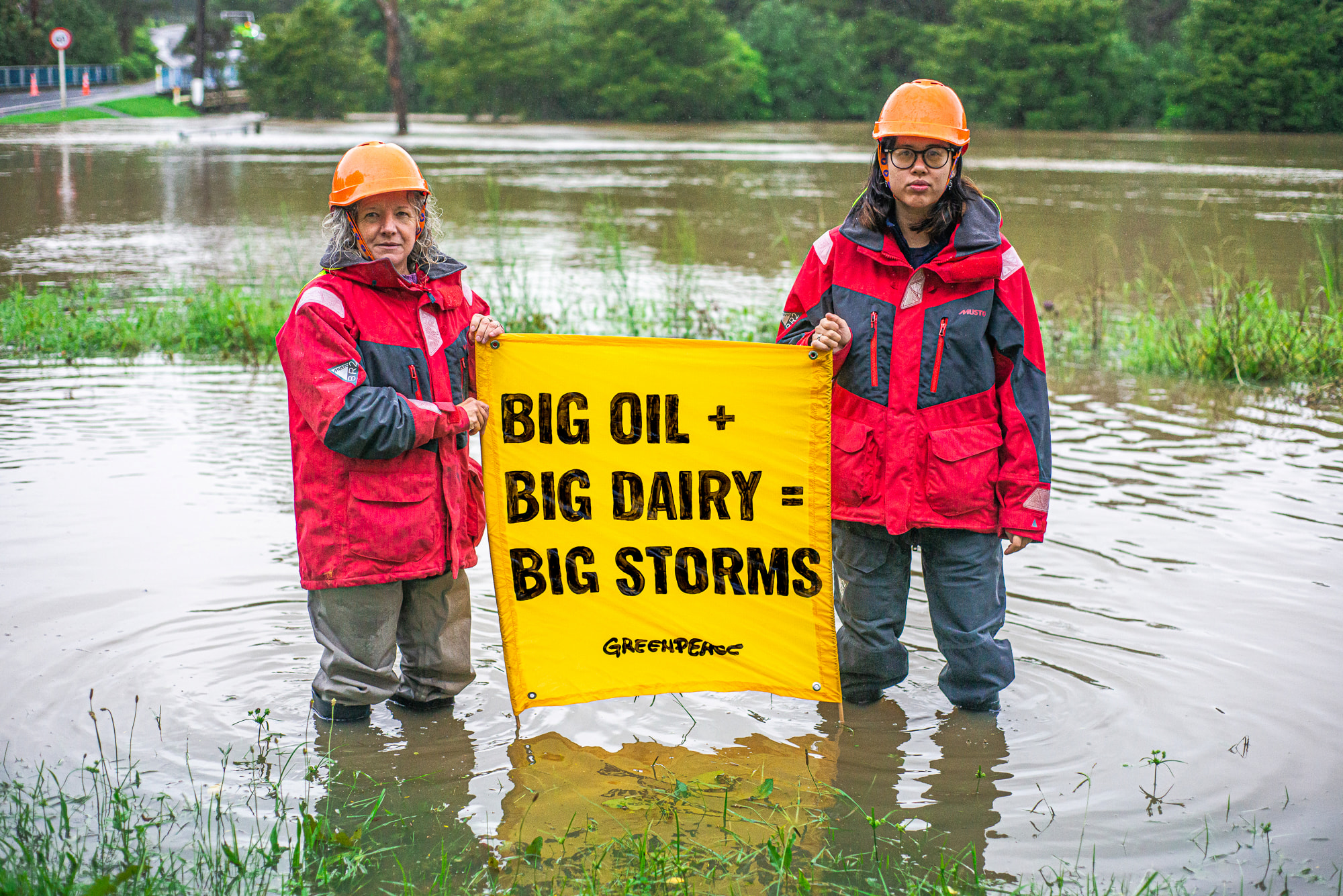
The CEO approach to politics is how we end up with fast-track consenting laws that bypass environmental protections in the name of efficiency. The Luxon Government has created the conditions for polluters to run riot and has bent over backwards to entrench New Zealand in fossil fuel instead of transitioning to renewables.
And what has that left us with?
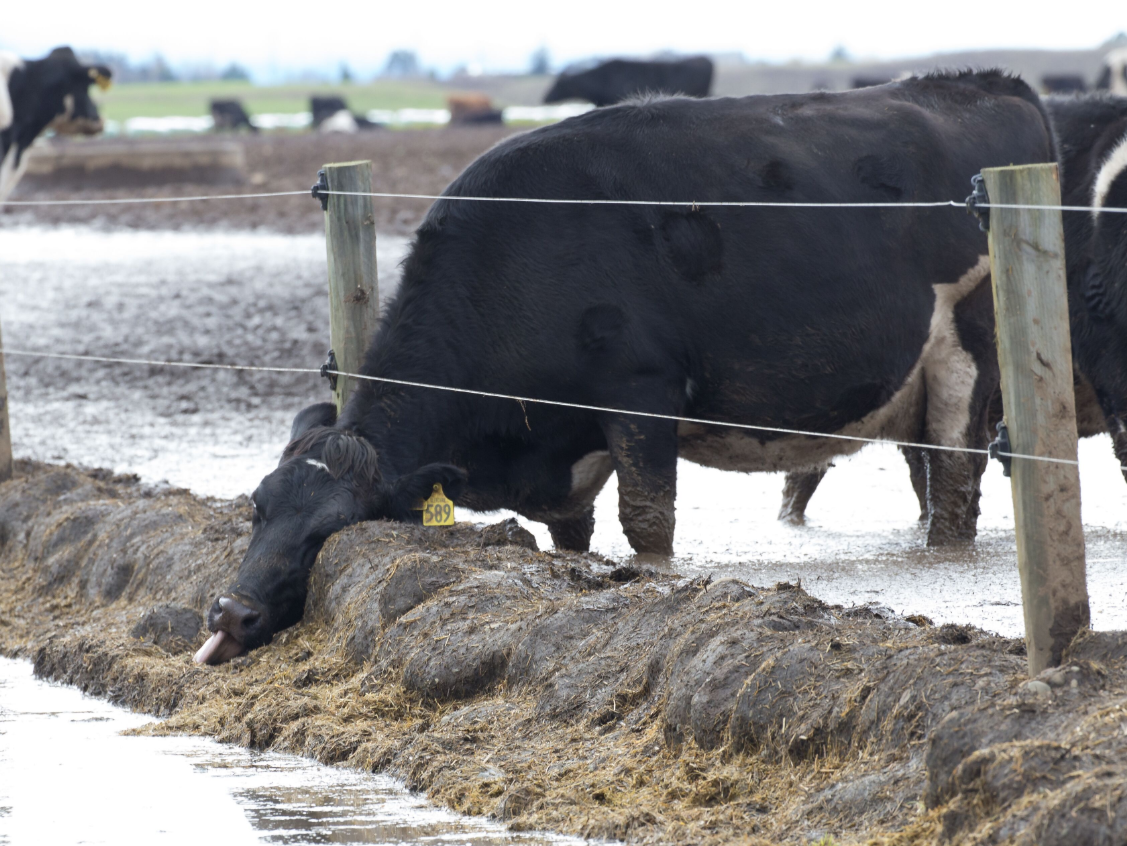
- Contaminated drinking water coming out of the tap in Canterbury and Southland, leaving people at risk of health issues from high nitrate levels. Last year, Environment Canterbury declared a Nitrate Emergency, acknowledging the real threat that nitrate pollution poses to the drinking water in Canterbury.
- Unswimmable rivers all over the country. Rivers and waterways are becoming so polluted they cannot safely sustain plant & animal life meaning that people can’t safely swim or fish.
- Huge numbers of New Zealanders unable to afford basic transport to work and school as the price of oil rises. This comes after the Luxon Government’s continuous embrace of fossil fuels over green options.
- Whole regions being severely impacted by climate disasters regularly.
This doesn’t seem like success.
Nature is not a commodity
When we treat the environment like a business commodity, we make trade offs that we can’t afford. A CEO looks at nature and sees resources to exploit. A Prime Minister should look at it and see a life-support system for us, and for future generations.
Tova was right. We didn’t hire a manager to oversee New Zealand Inc. Prime Ministers are elected to protect New Zealand’s future. Luxon is failing.