
News & Stories
Filter posts
Filtered results
-
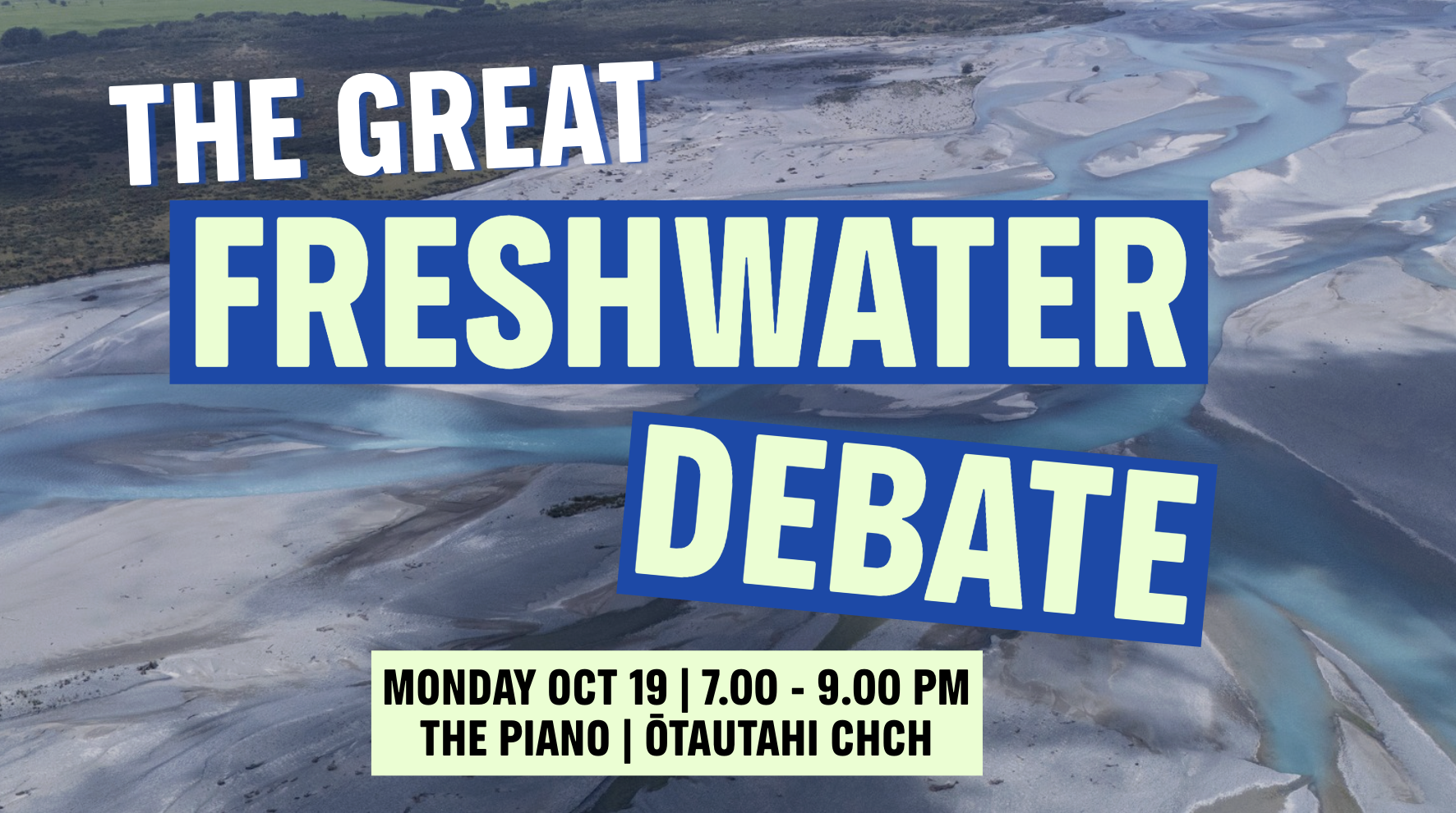
Election candidates to debate fresh water in Christchurch
Greenpeace has announced that it will host an election debate on fresh water in Christchurch on October 19th, titled ‘the Great Freshwater Debate’.
-
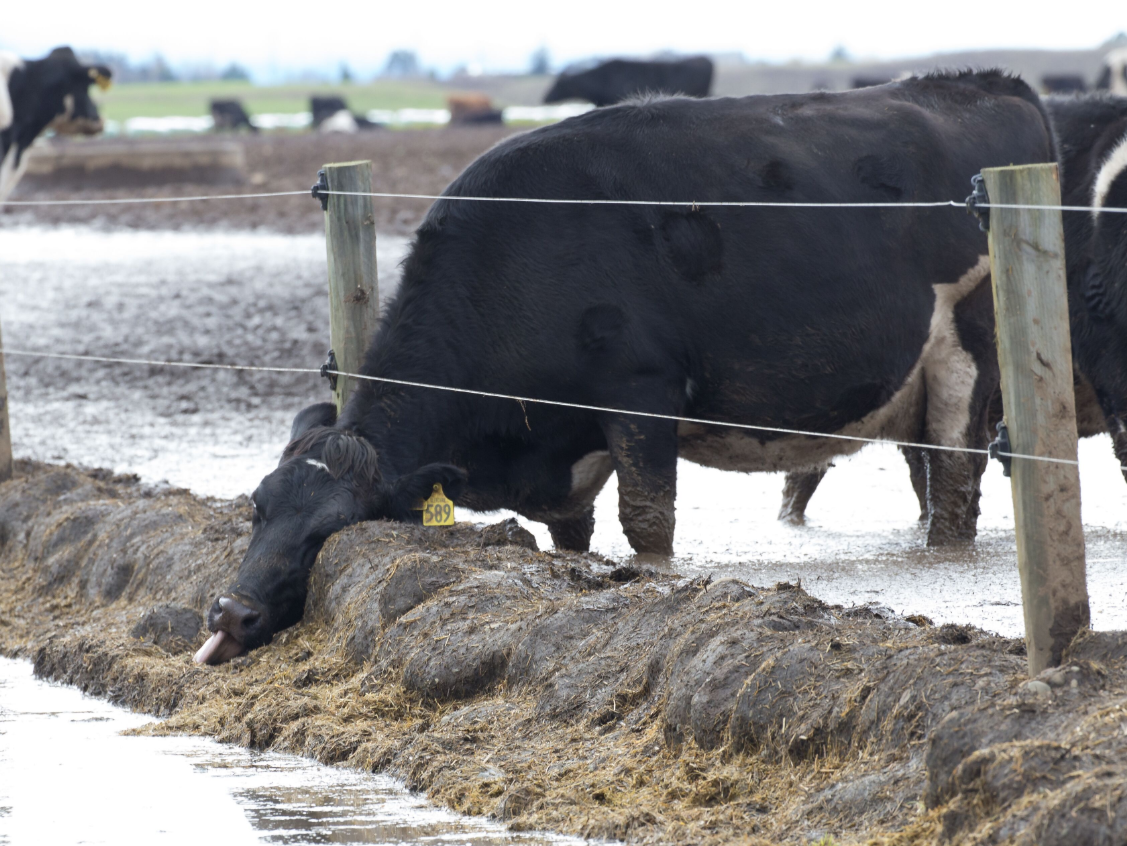
Luxon ’s Three Years of War on Freshwater 2023-2026
Weakening freshwater policy has been a constant focus of the Luxon Government. Fonterra, Dairy NZ , Beef and Lamb have demanded changes to allow more freshwater pollution and the government has delivered, in spades.
-
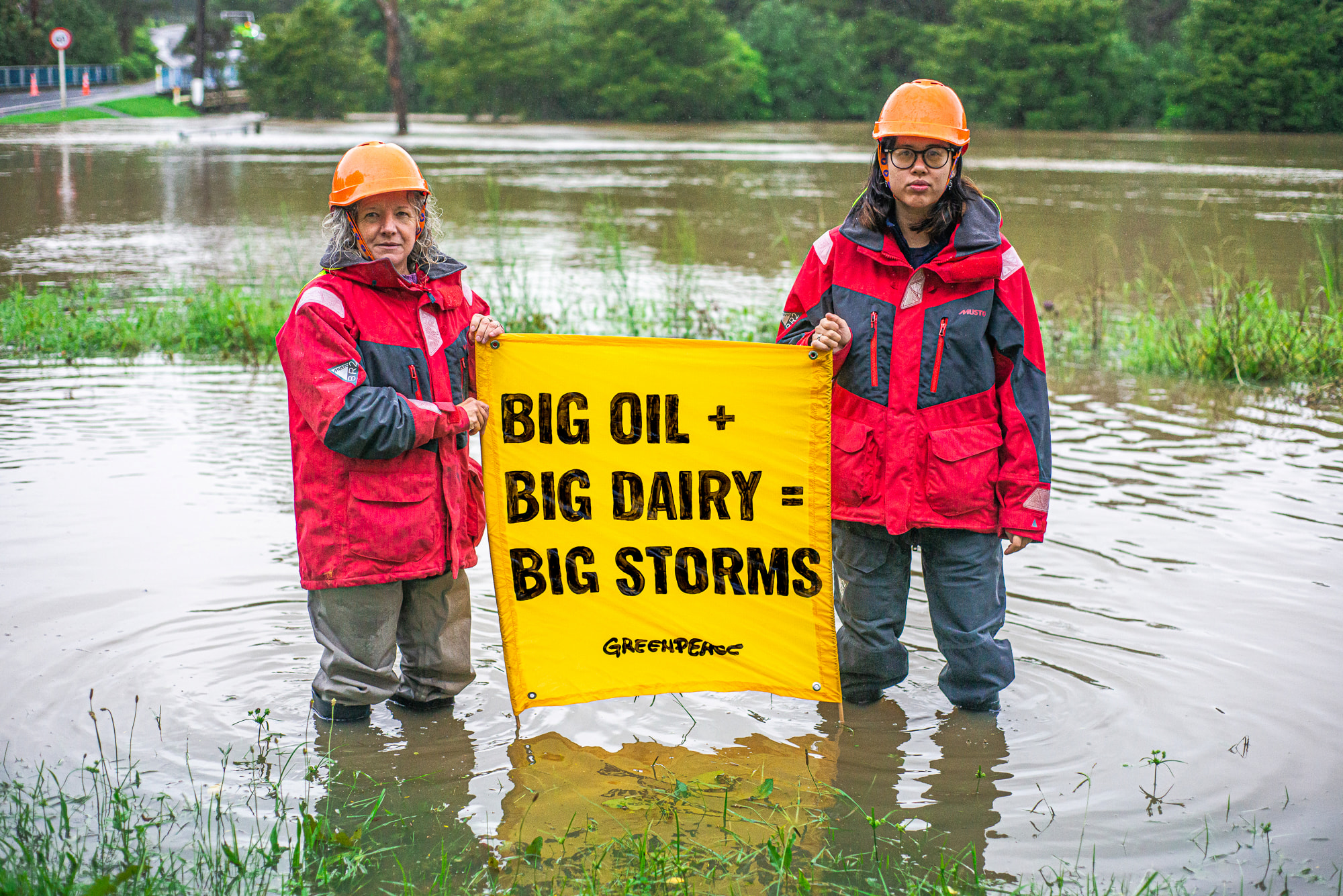
State of the Climate vs War on the Climate
The NZ Government is systematically introducing policies which are increasing emissions or slowing down emissions reductions.
-
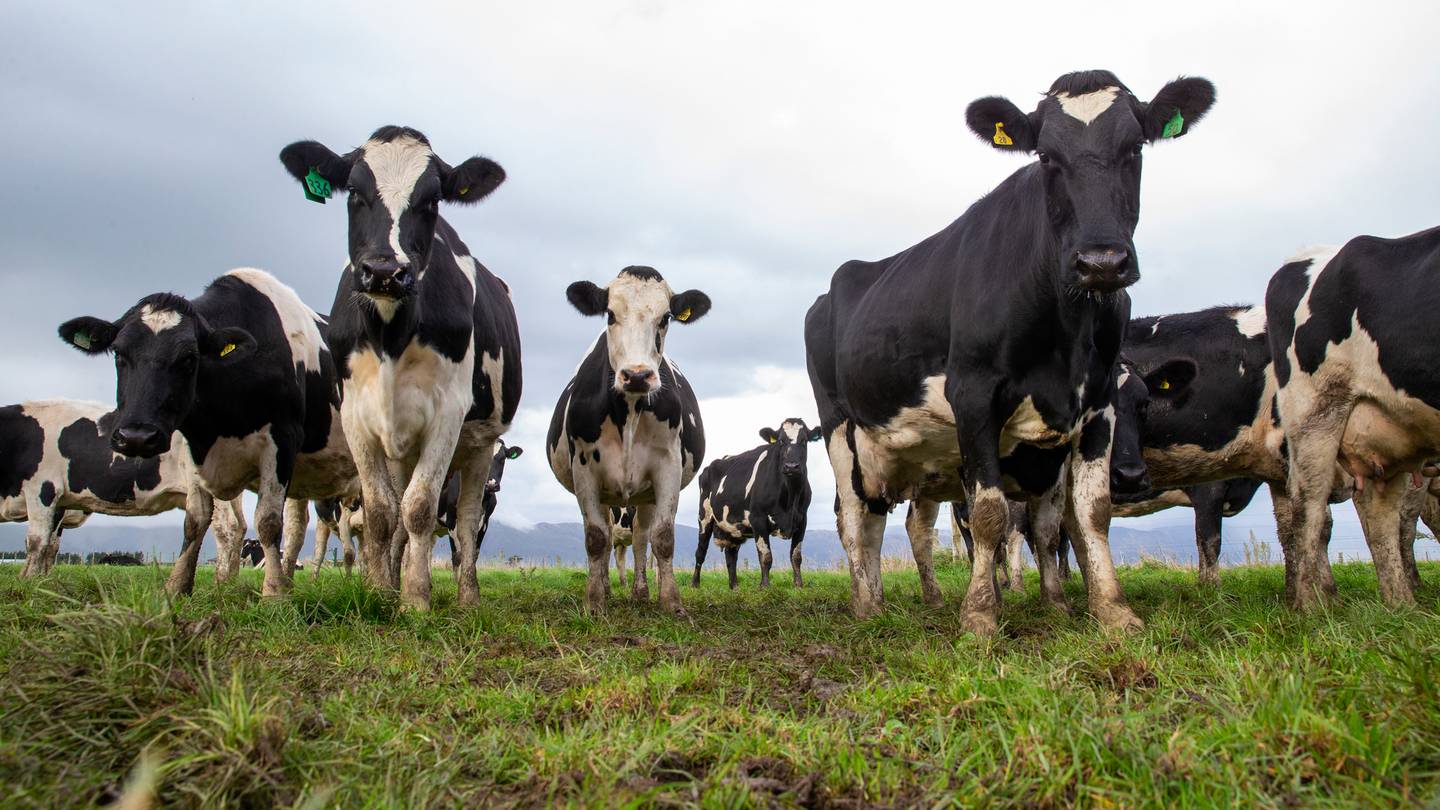
Fonterra profits, rural families pay the price
Fonterra has announced a whopping $3.4 billion in profits, while rural communities can't safely drink the water coming out of their kitchen taps.
-
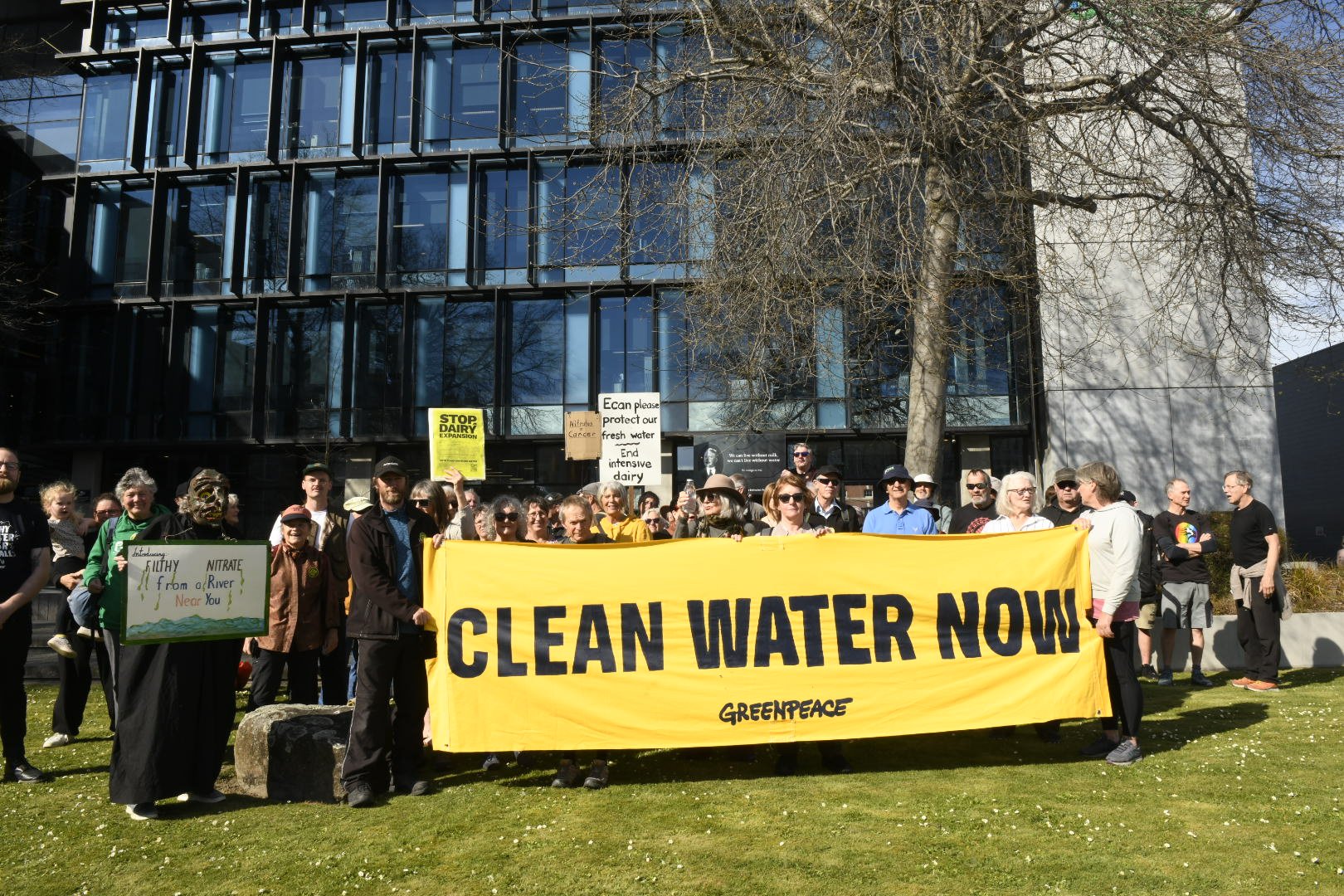
Environment Canterbury throws rural NZ ‘under the tractor’
Greenpeace says Environment Canterbury (ECan) has thrown rural households ‘under the tractor’ on the nitrate crisis.
-
Greenpeace says Govt has forsaken rural New Zealanders as new ECan maps reconfirm state of nitrate emergency
Greenpeace says that the Government has forsaken rural New Zealanders, as new Environment Canterbury maps reconfirm region's nitrate emergency.
-
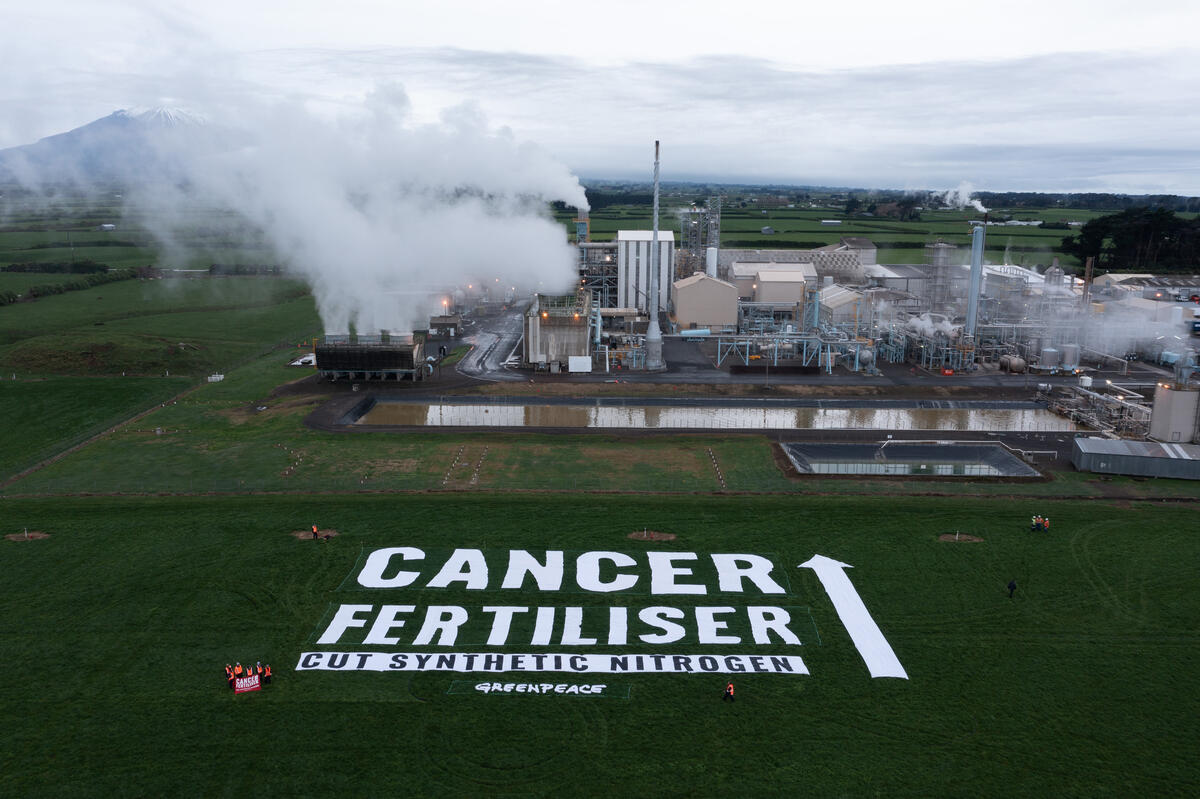
Greenpeace pledges to prevent construction of Aussie-owned coal-powered fertiliser factory
Greenpeace Aotearoa has pledged to oppose a proposed coal-powered fertiliser factory from being built in Southland.
-
One third of Canterbury private water supplies reaching nitrate contamination preterm birth risk levels
New Environment Canterbury data shows that 1/3 of Canterbury private water supplies are reaching nitrate levels linked to preterm birth risks.
-
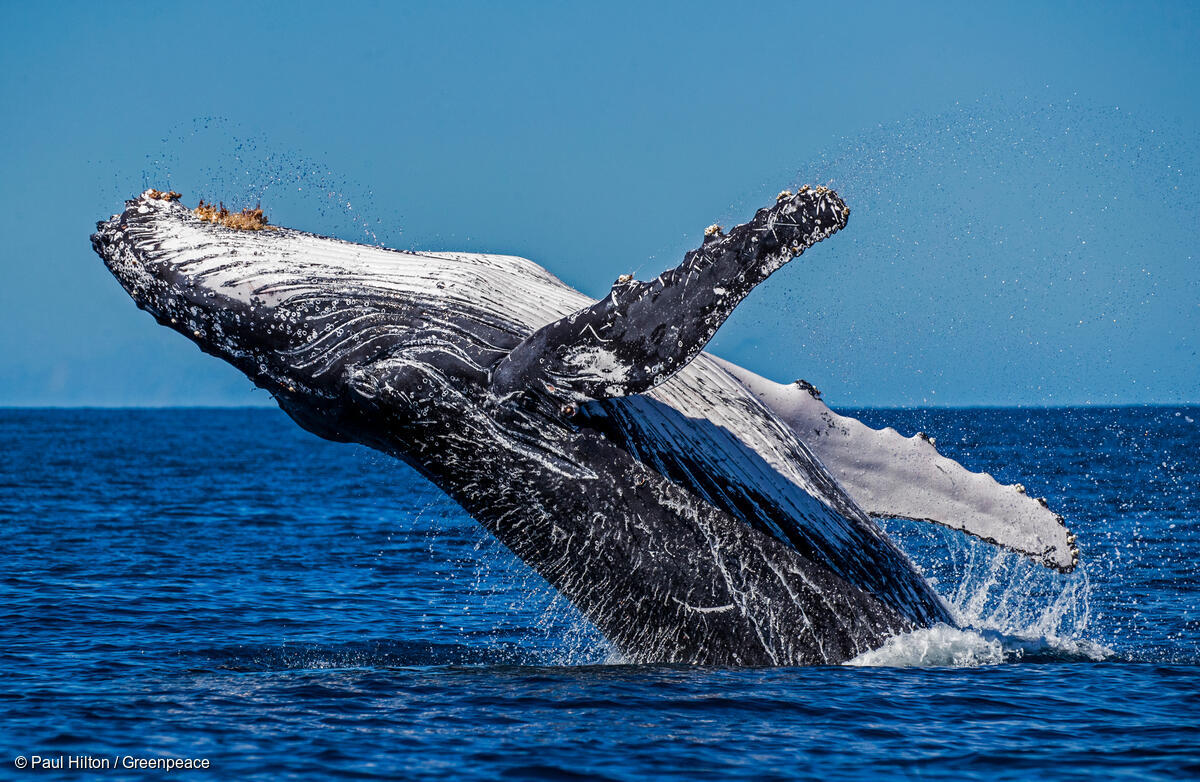
Halfway through 2026: Here’s how we’re shaping the future of our planet, together
Thanks to your incredible support, Greenpeace Aotearoa has been working relentlessly to defend nature. From preventing ocean destruction, taking action for forest protection, and defending all the amazing life thatthe…
-
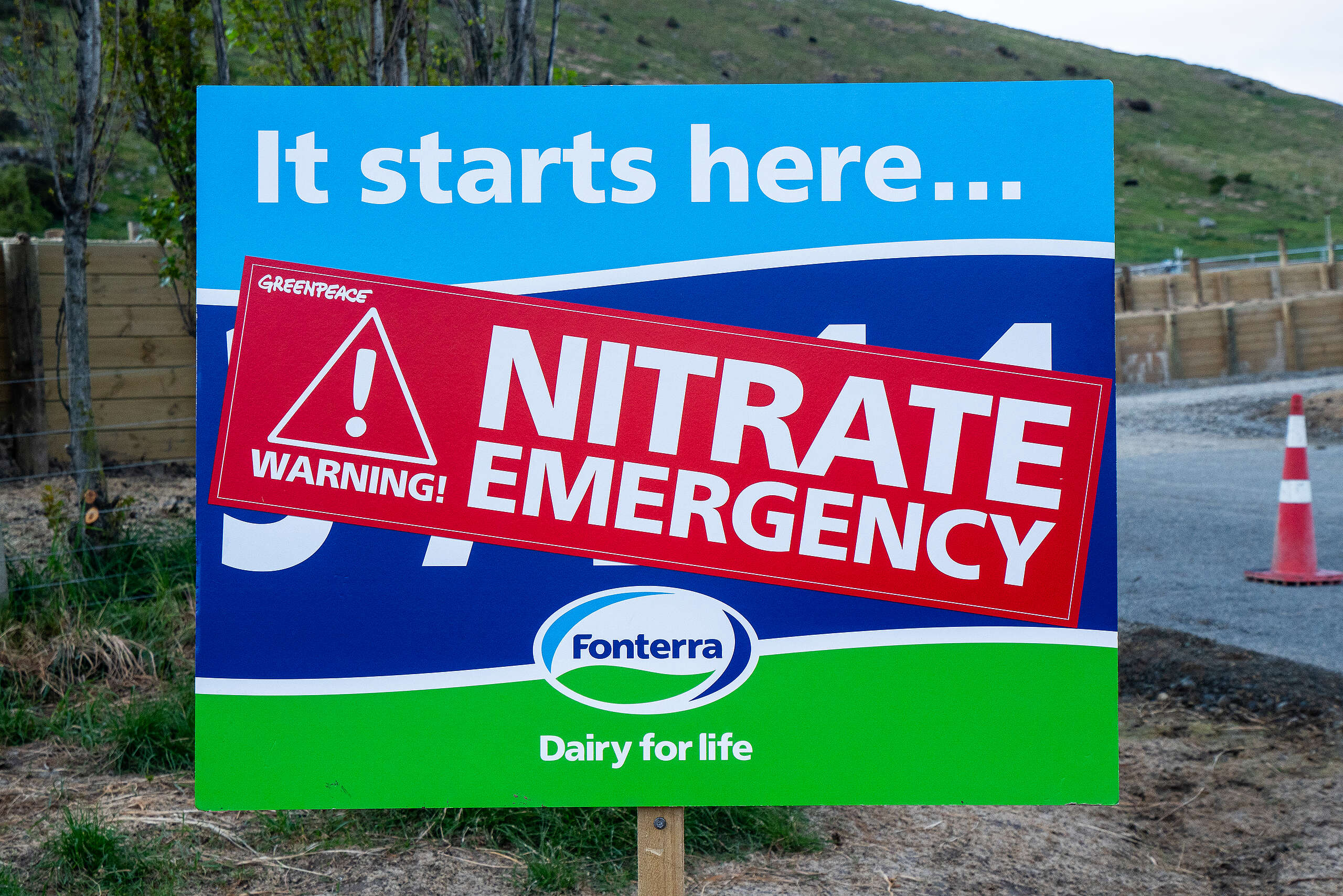
Fonterra nitrate contamination responsible for up to 120 premature babies every year
New studies show that nitrate in NZ drinking water could cause up to 120 premature births a year. Greenpeace says Fonterra is to blame.