Greenpeace Aotearoa has announced that it will be running free drinking water testing for nitrate contamination in Edendale, Ōtautau, and Lumsden in mid-May, as the organisation marks the fifth year of its nitrate water testing programme by returning to Southland.
Event details are below:
Friday May 15 – Edendale Presbyterian Church – 10am-4pm
Saturday May 16 – Ōtautau Primary School – 10am-4pm
Sunday May 17 – Lumsden Hall – 10am-3pm
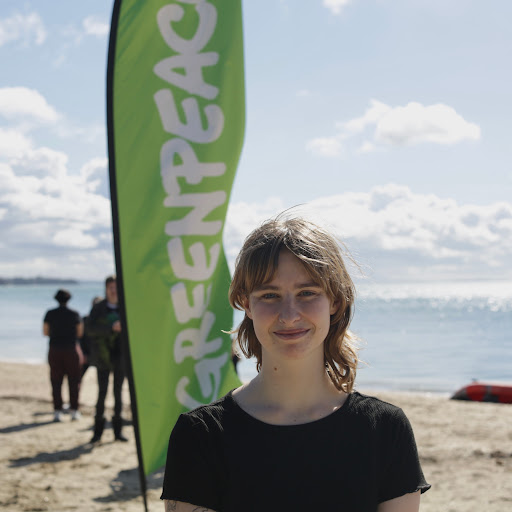
Greenpeace Aotearoa water campaigner Will Appelbe says,“Over the last five years, we’ve tested more than 4,000 drinking water samples, revealing a very clear pattern. Nitrate contamination in rural areas is getting worse. People on private bores are the most vulnerable. And areas with high levels of intensive dairying are the worst-hit.
“They are experiencing a nitrate emergency, and many aren’t even aware that the water coming out of their kitchen tap could be making them sick. That’s why we run these testing events – so the people most impacted by nitrate contamination can find out whether their water is safe to drink at no cost.”
“Everyone, no matter where they live, should have access to safe, clean drinking water. But intensive dairying – and the overuse of synthetic nitrogen fertiliser – is polluting rural drinking water and putting communities’ health at risk.”
A growing body of scientific evidence has linked nitrate contaminated drinking water with several risks to human health. Long-term exposure to drinking water nitrate at levels as low as 1 mg/L has been associated with an increased risk of bowel cancer, and exposure to levels of 5mg/L or higher has been linked to an increased risk of preterm birth.
New Zealand’s Maximum Acceptable Value (MAV) for nitrate in drinking water is 11.3mg/L – set in the 1950s to respond to Blue Baby Syndrome risks. Greenpeace is calling for nitrate levels to be lowered in line with the updated health science.
Appelbe says, “The current MAV for nitrate has been called woefully out of date by experts, and for good reason – because it doesn’t take into the recent health science. The weight of the growing body of evidence supports taking a precautionary approach, which means lowering the MAV to avoid those potential health impacts. ”
“Unfortunately, there is no easy way to remove nitrate from drinking water once it’s in the supply. The easiest way to prevent nitrate contamination is to stop the pollution at the source. That means phasing out reliance on synthetic nitrogen fertiliser, and reducing the dairy herd size.”
Find more information about upcoming nitrate testing in Southland here.