
News & Stories - Page 6 of 265
Filter posts
Filtered results
-

March for Nature launched to protect conservation
Greenpeace and Forest & Bird have announced a March for Nature to be held in Auckland on 19 September 2026, in defence of nature.
-

Greenpeace slams issuing of High Seas permit for Tasman Sea bottom trawler
The Tasman Viking, a bottom trawling vessel that pulled up protected coral in international waters two years ago, has been issued an international fishing permit by the New Zealand government in a move environmentalists are calling outrageous.
-
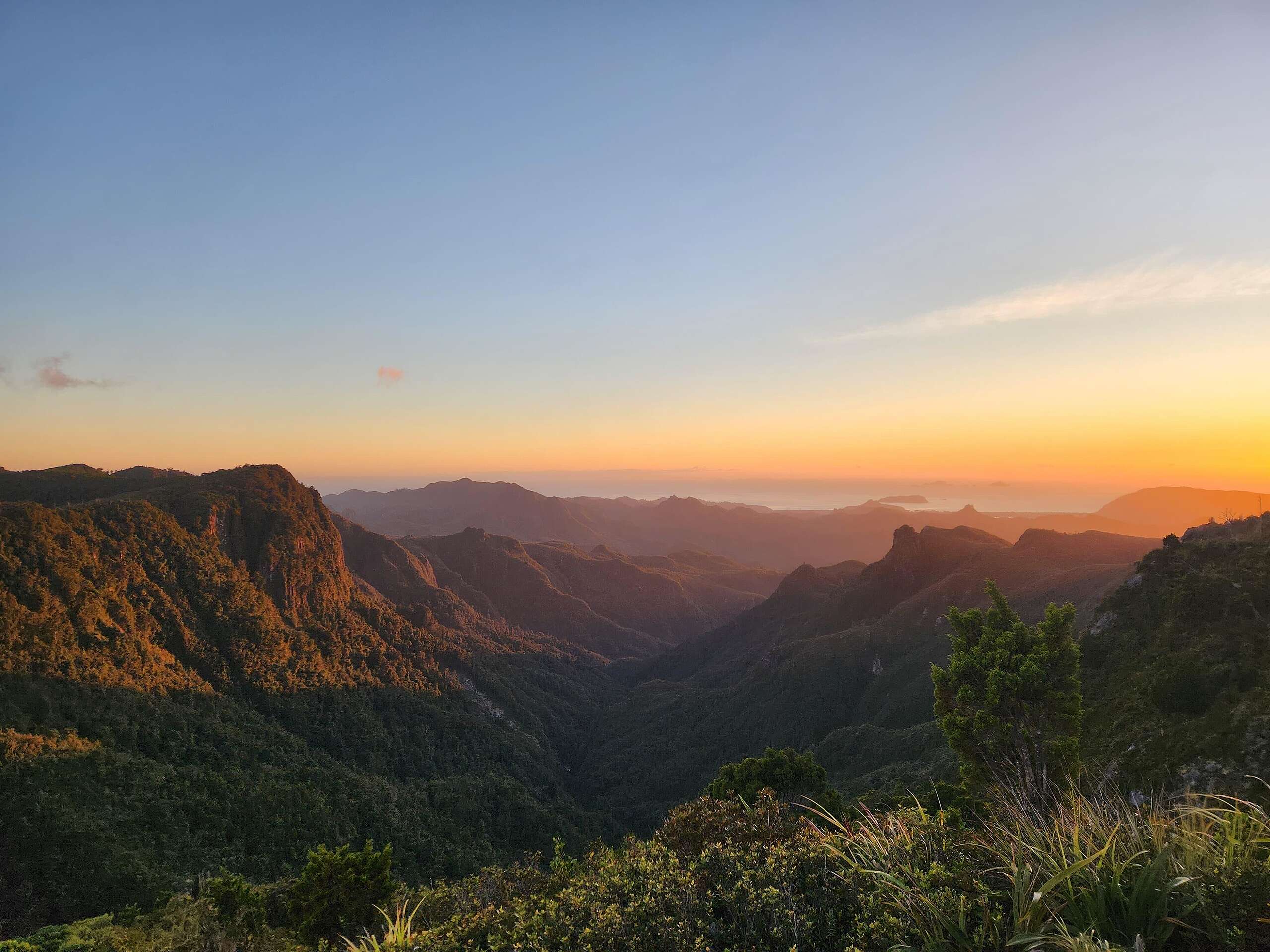
Government makes dog’s breakfast of the Conservation consultation
Greenpeace says Govt has made a “dog’s breakfast” of the Conservation Amendment Bill consultation, as submissions deadline is extended.
-
Potaka announcement not enough, scrap Conservation Bill says Greenpeace
Greenpeace Aotearoa says the Conservation Amendment Bill is rotten and must be scrapped entirely, as public outcry over the proposal forces the Conservation Minister to take his proposal to make it easier to sell off or exchange land back to Cabinet.
-
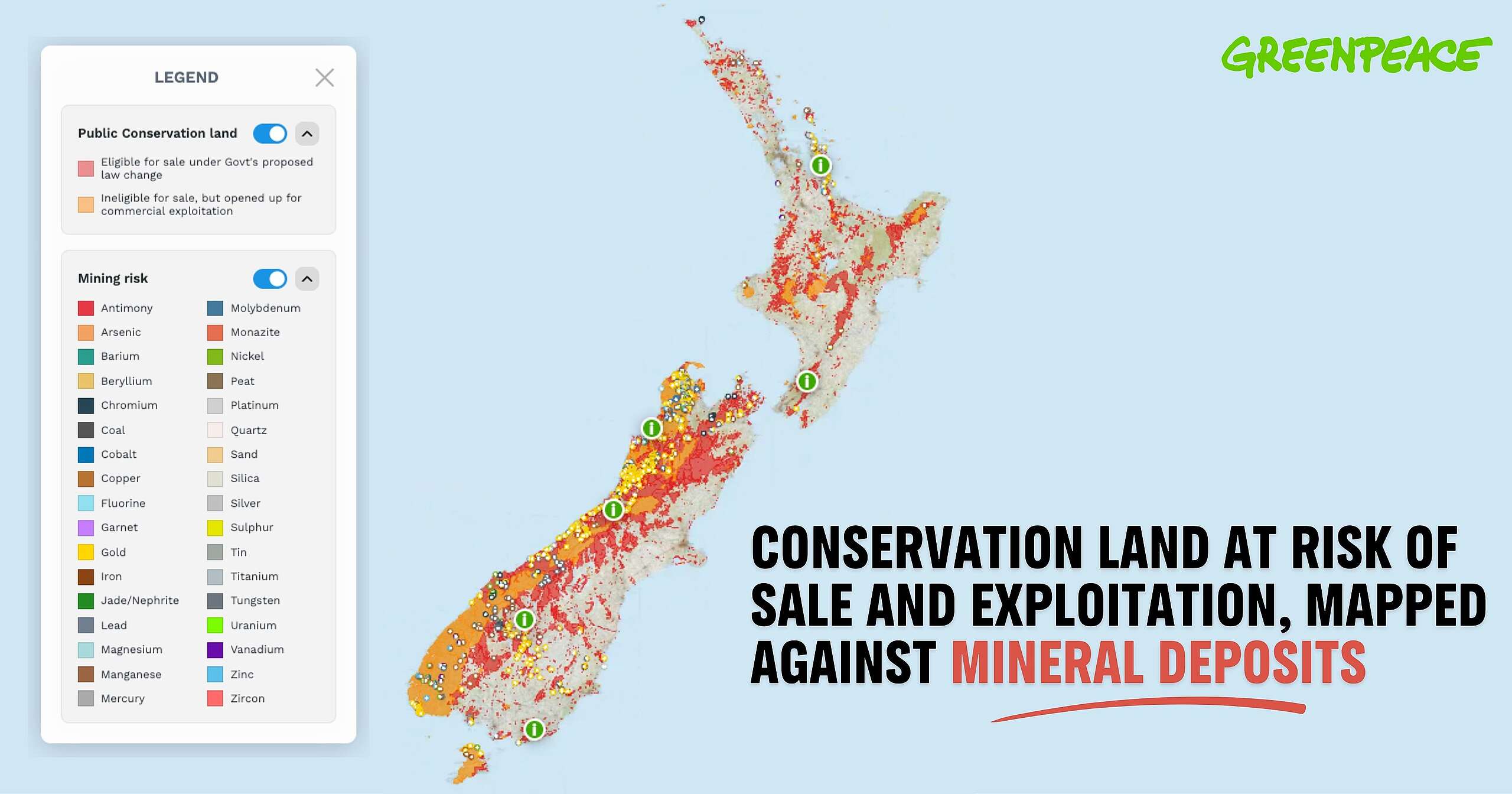
Interactive map shows conservation land under attack in New Zealand by the Conservation Amendment Bill
The ‘Conservation Land Under Attack’ map shows what conservation land could be sold under the Conservation Amendment Bill
-
New map highlights mining threat associated with controversial Conservation Amendment Bill
Greenpeace has produced an interactive map showing the mining threat associated with the proposed Conservation Amendment Bill.
-

Agro-Feudalism: Inside the moated castles of Big Ag
It’s impossible to find any winners in the current industrial food system… aside from a few rich blokes.
-

Conservation Amendment Bill Submission Guide
This is a handy guide to help you make your submission on the Conservation Amendment Bill before the deadline: midday on 13 July.
-
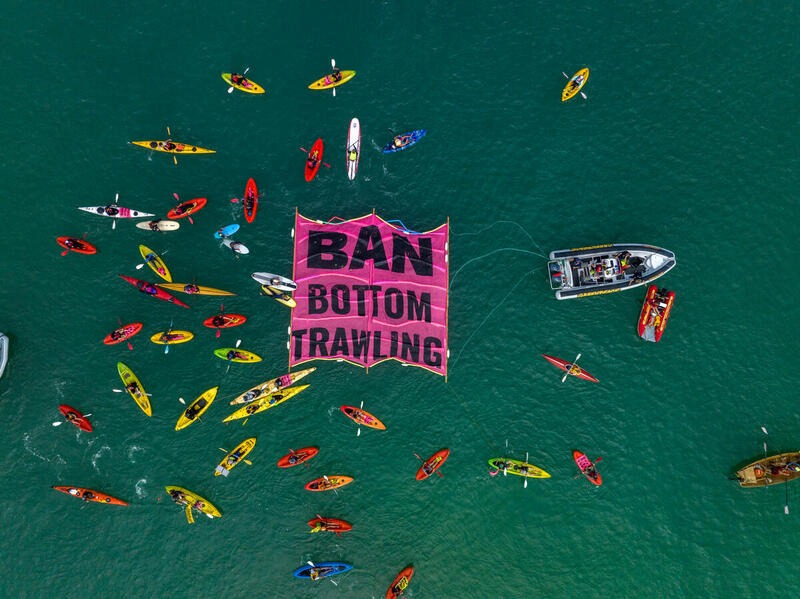
Jones fails to force through Fisheries Amendment Bill before election, following public backlash
News that progress on the Fisheries Amendment Bill will be delayed until after the election is being called a win for People Power by environmental groups, who say it proves how united the New Zealand public is against destructive fishing.
-
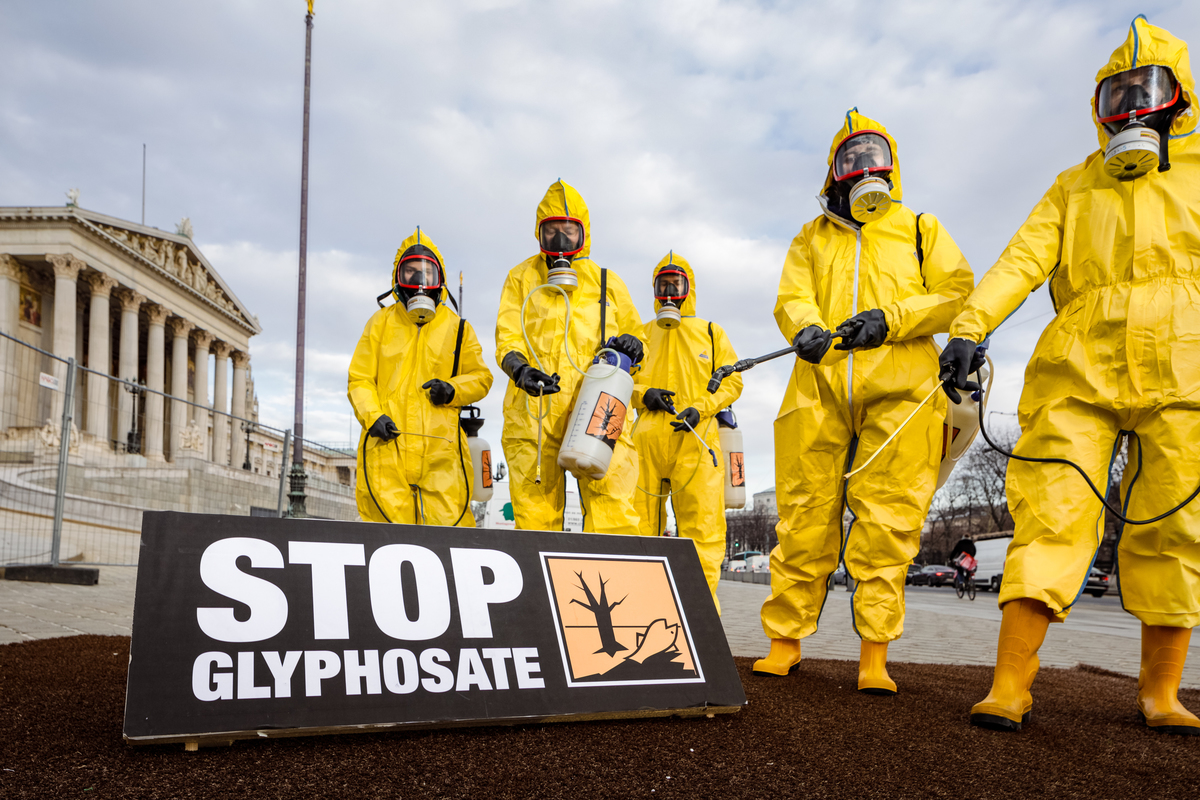
Greenpeace submission on the Hazardous Substance and New Organisms Bill
Greenpeace urges the Committee to reject provisions that weaken scrutiny of hazardous substances or genetically engineered organisms.