-
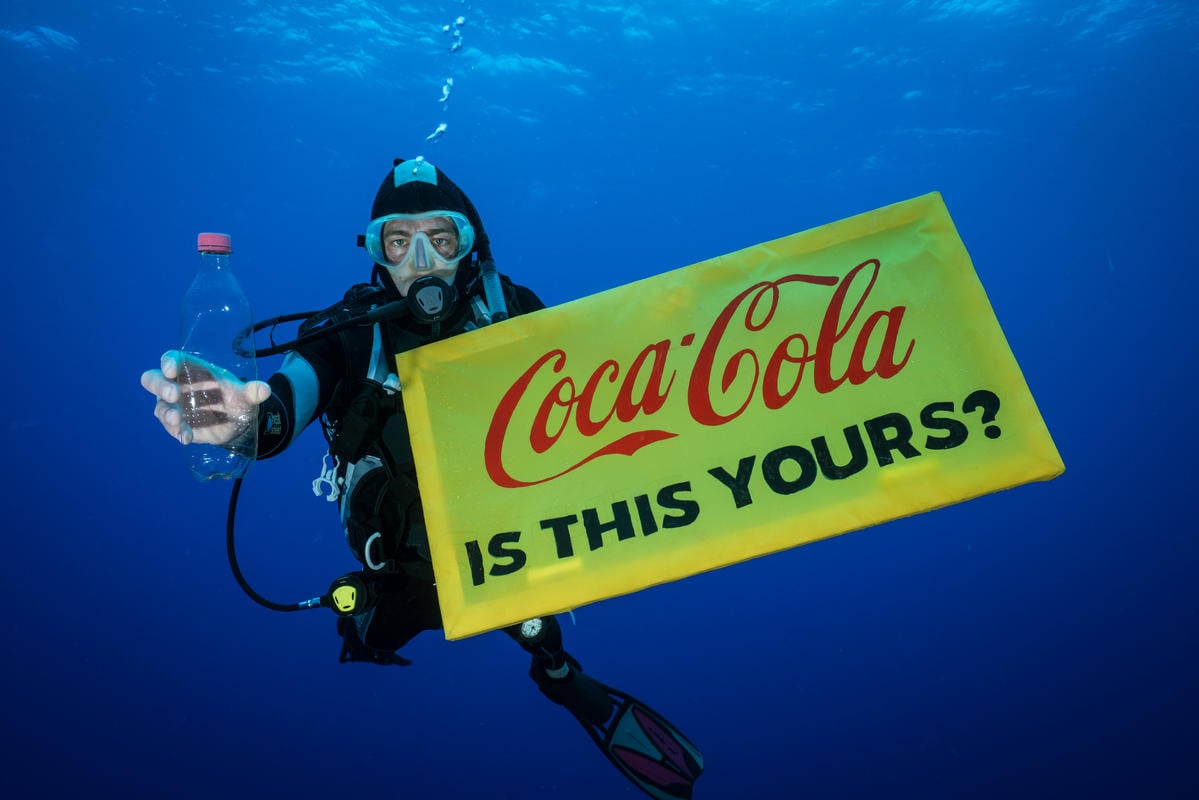
How major brands are inviting Big Oil into your kitchen
A report released by Greenpeace USA today reveals how consumer goods companies like Coca-Cola, PepsiCo, and Nestlé are driving the expansion of plastic production and threatening the global climate and…
-
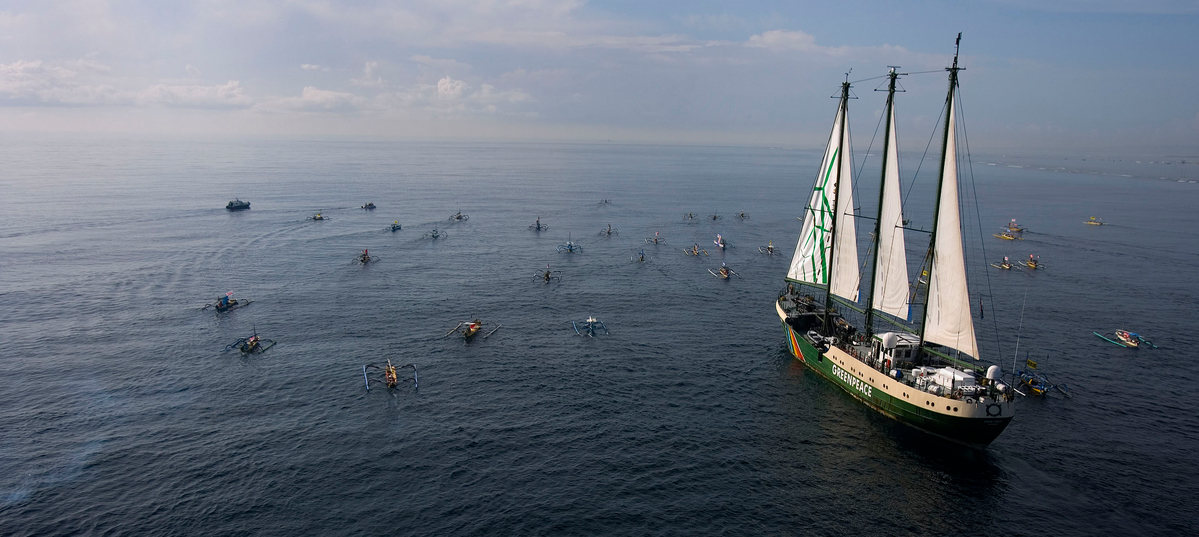
Greenpeace celebrates 50 years of hope in action
Fifty years ago, on September 15th 1971, a ship named the Greenpeace set out to confront and stop US nuclear weapons testing at Amchitka, one of Aleutian Islands in southwest Alaska.
-
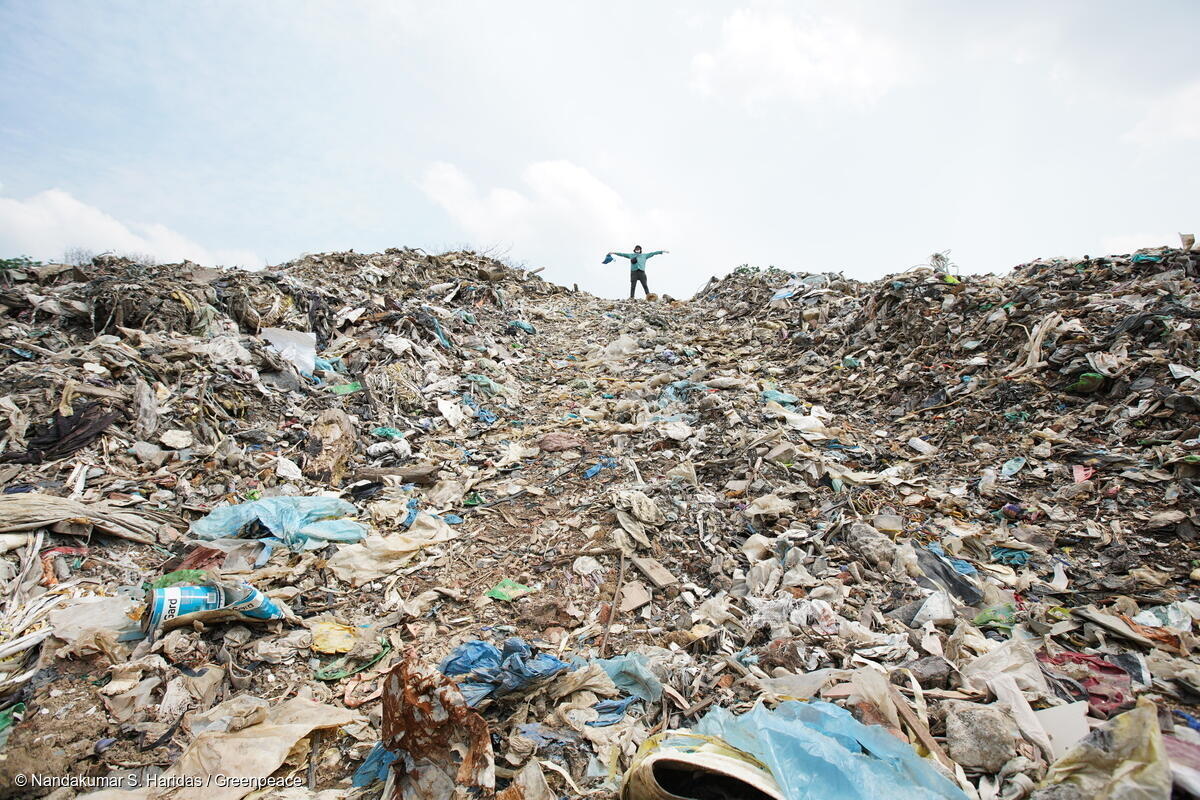
The devastation of New Zealand’s plastic waste exports on developing countries
Her message to New Zealand is powerful: “Please keep your rubbish to yourself..Please recycle all your waste in your country.” Malaysian activist Pua Lay Peng has dedicated her life to…
-
It’s time to respect the rāhui
Kia tau ngā manaakitanga a te mea ngaroki runga ki tēnā, ki tēnā o tātouKia mahea te hua mākihikihi
-
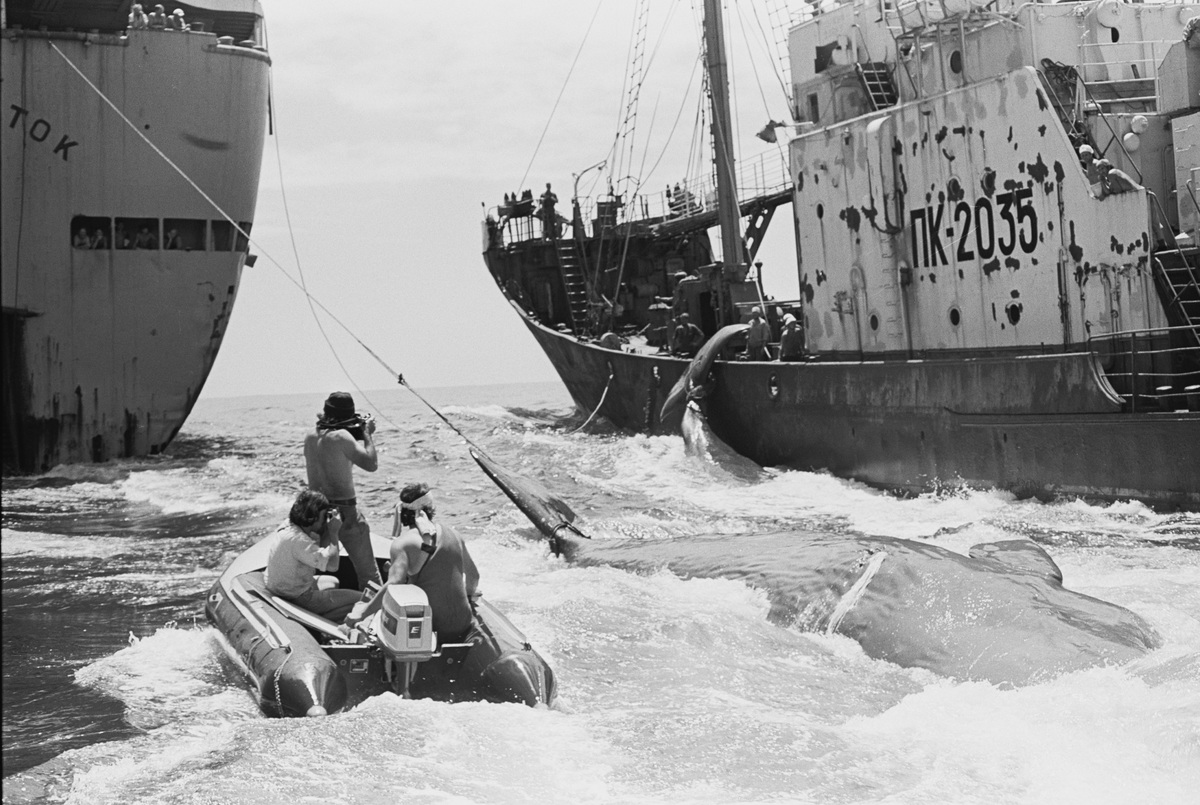
Photographic memories of Greenpeace’s early years
From 1974 to 1982, I served as photographer on Greenpeace campaigns. Here are a dozen photographs from those years and some memories that they evoke:
-
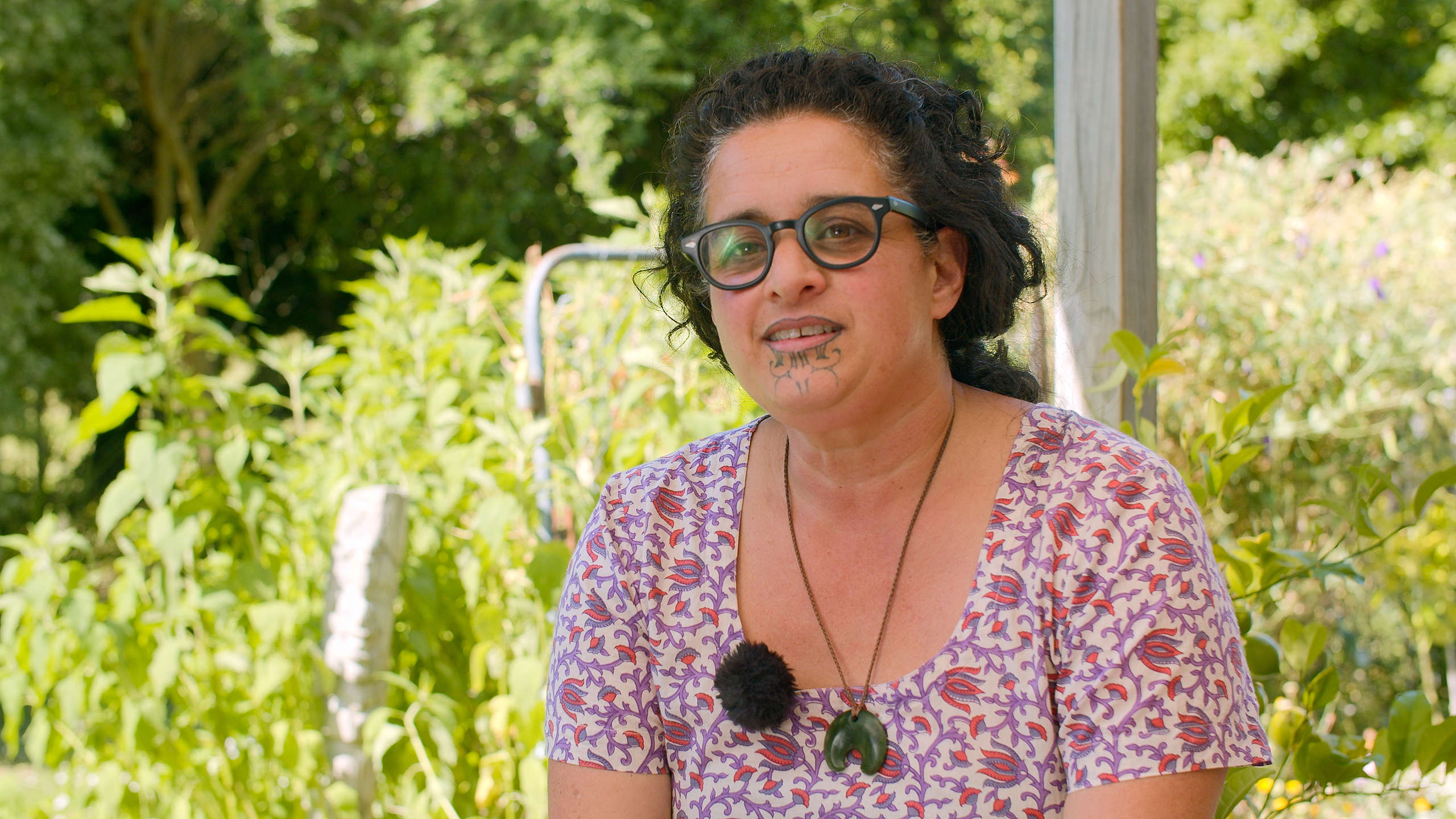
Living Māori Sovereignty
Food security, food sovereignty and food systems are now part of our everyday vocabulary in the time of Covid. Covid Lockdowns have shone a light on the precarious nature of…
-
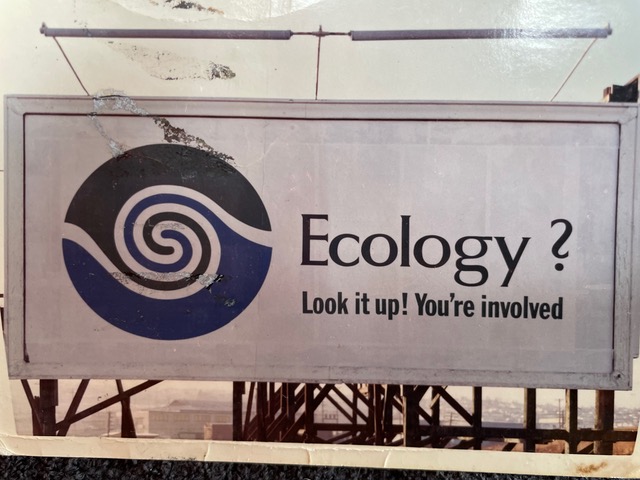
50 years of Greenpeace: Looking back and looking forward
This month, Greenpeace celebrates 50 years of environmental activism, dating from the first campaign to stop a nuclear bomb test in Alaska, launched from Vancouver, Canada, on Sept. 15, 1971.
-
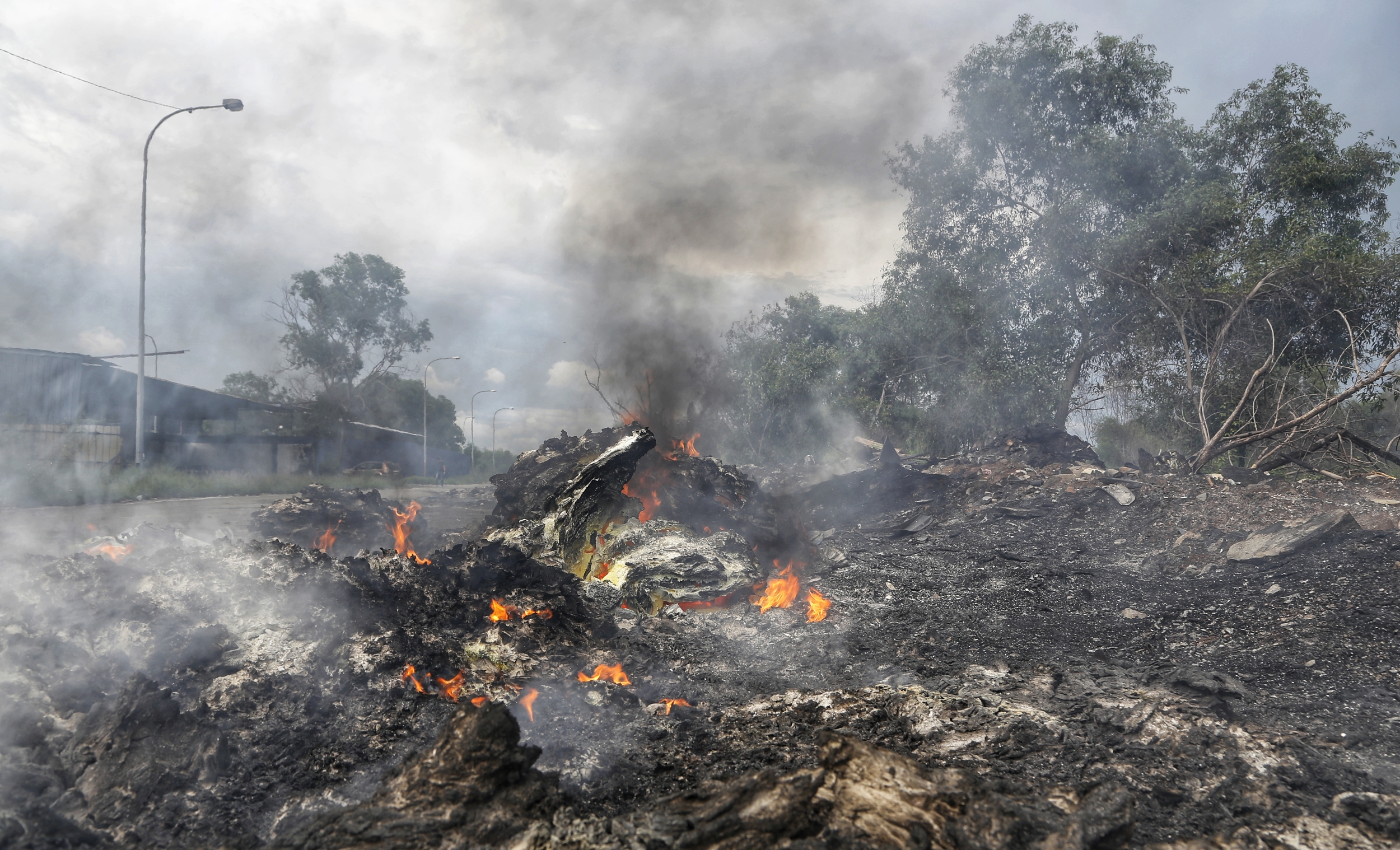
What happens to our recycling during lockdown?
I hope you and your family are keeping well during these challenging times. As I cast my mind back to the first lockdown period we experienced, I remember marine species…
-
He huarahi mutunga kore. A Journey with no end.
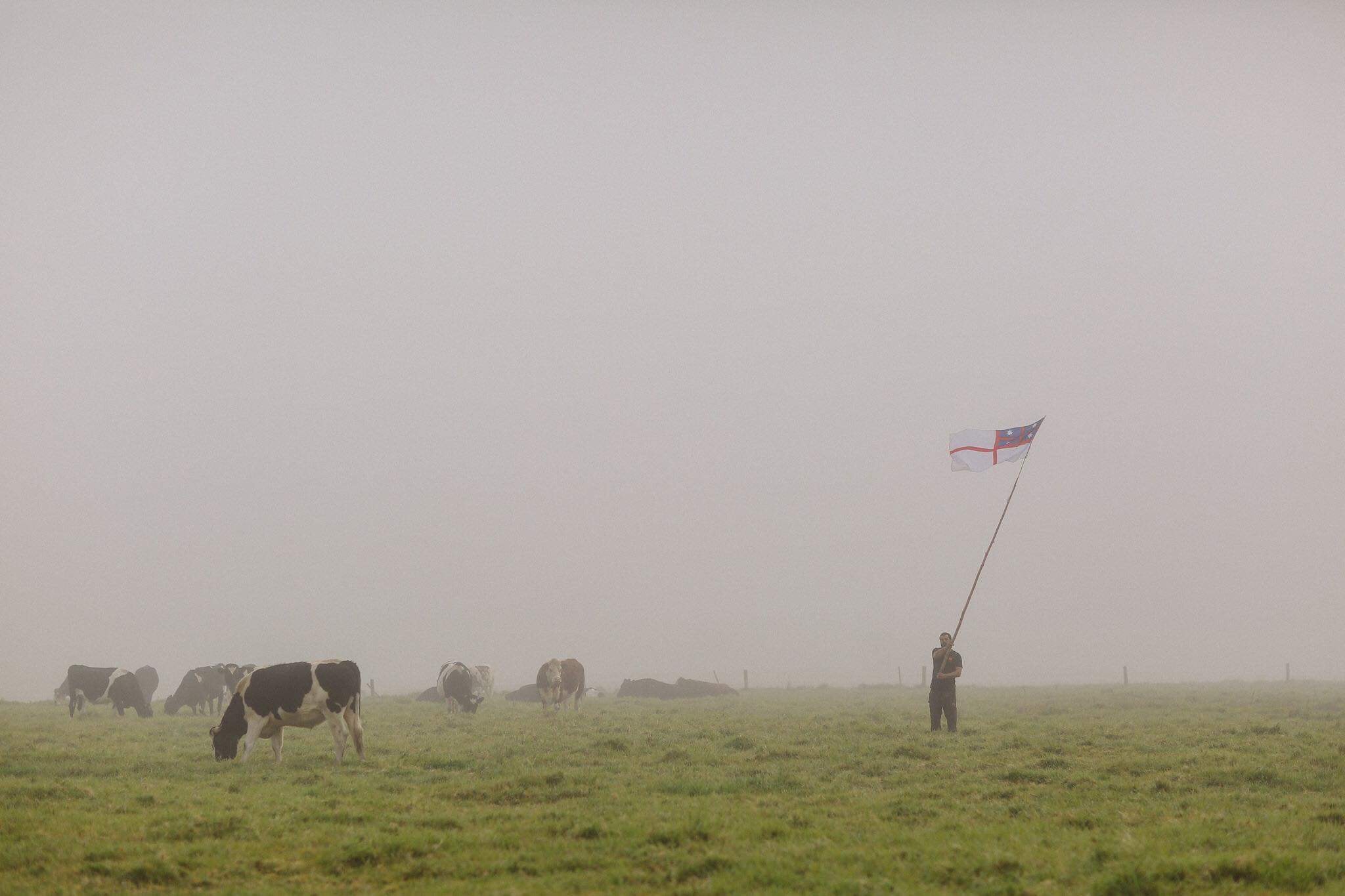
Ko te wiki ō te reo Māori tēnei, (This week, is Māori language week) I began my journey learning te reo Māori, almost 3 years ago. He tino uaua tēnei
-
Food waste and regenerative farming: from rubbish to resource
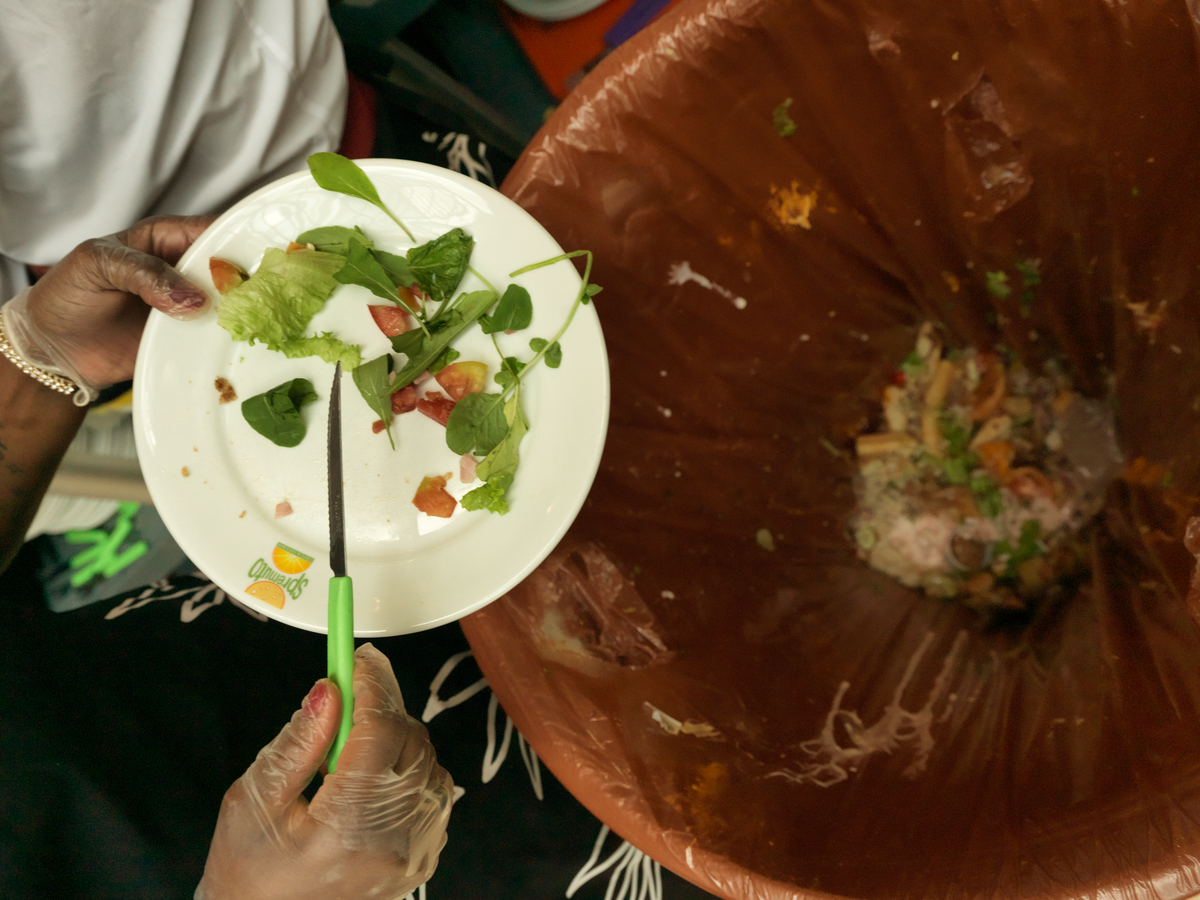
With lockdown keeping hospitality businesses closed, New Zealanders are cooking and eating at home much more than usual. While in many ways that’s a good thing, unfortunately it also means…
