Greenpeace is calling for immediate action to reduce the size of New Zealand’s largest climate polluter, the intensive dairy industry. This follows the release of the 2026 National Climate Risk Assessment today by the Government’s independent Climate Change Commission.
Greenpeace agriculture spokesperson Will Appelbe says, “Already this year, New Zealanders have faced one climate change-fuelled extreme weather event after another, with no time to recover. This latest report shows that we can expect things to get even worse, as the climate crisis becomes more severe.”
The Climate Change Risk Assessment identified the 10 biggest risks to the country from climate change. These included threats to buildings, road and rail, water infrastructure, social and community wellbeing, and emergency management.
Greenpeace is calling on the Government to regulate climate pollution from intensive agriculture, in response to the report.
“The intensive dairy industry – led by Fonterra – is New Zealand’s worst climate polluter,” says Appelbe.
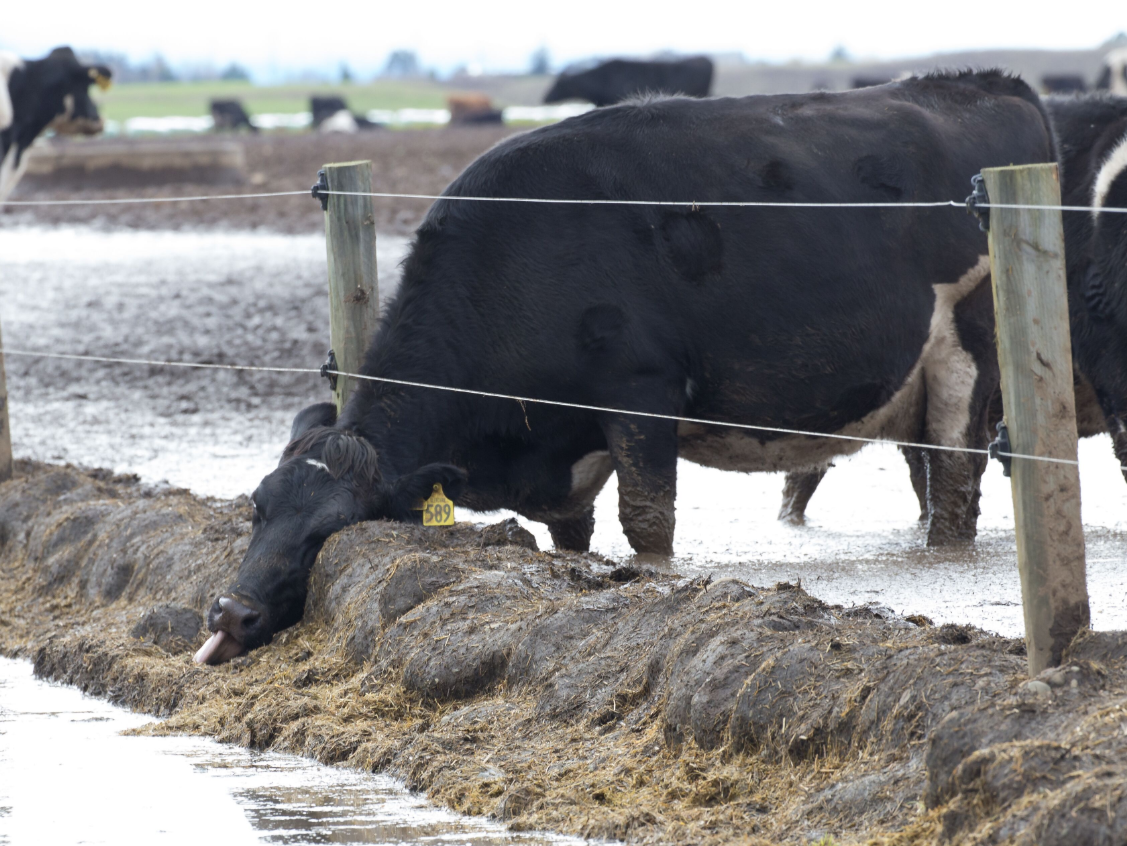
“Fonterra’s oversized dairy herd is cooking the climate, putting us all at risk so that the industry can send milk powder overseas for KitKats and Mars Bars. Meanwhile our communities are suffering and Luxon’s Government has cut funding for responding to climate emergencies.”
“The agriculture sector is the only industry in New Zealand that doesn’t have to pay for the pollution it’s causing. Successive governments have refused to take action to stop intensive livestock’s climate pollution, enabling their climate destruction,” says Appelbe.
Last year, the Government slashed New Zealand’s methane targets by almost half, at the request of the agribusiness lobby. Climate scientists, environmental groups, and the Climate Commission opposed this move.
The agriculture industry is New Zealand’s biggest source of greenhouse gas emissions, making up over half of the country’s emissions. Pollution from the intensive dairy industry alone accounts for 26% of New Zealand’s emissions, more than any other industry.
“A handful of milk powder millionaires are profiting from pollution, but the rest of us pay the price as climate disasters hit us where it hurts,” says Appelbe.
“We urgently need a transition to regenerative, ecological farming, that’s better for people and the planet. Not only would this be more climate-friendly, but it would also be more resilient to the ongoing threat we face from extreme weather events.”