David Seymour slipped up on Herald Now. Ryan Bridge caught Seymour admitting that a critical minerals deal with Trump had, in fact, been discussed at Cabinet. This was awkward, given Christopher Luxon’s insistence that it hadn’t. Marama Davidson smirked. If the Government won’t be transparent with the public, at least someone tripped over the truth.
No serious New Zealander believes that doing “deals” with Donald Trump is a pragmatic exercise. When Trump threatens tariffs to force countries into mining agreements, he’s coercing. History has been remarkably consistent on this point. Giving in teaches him that his threats work.
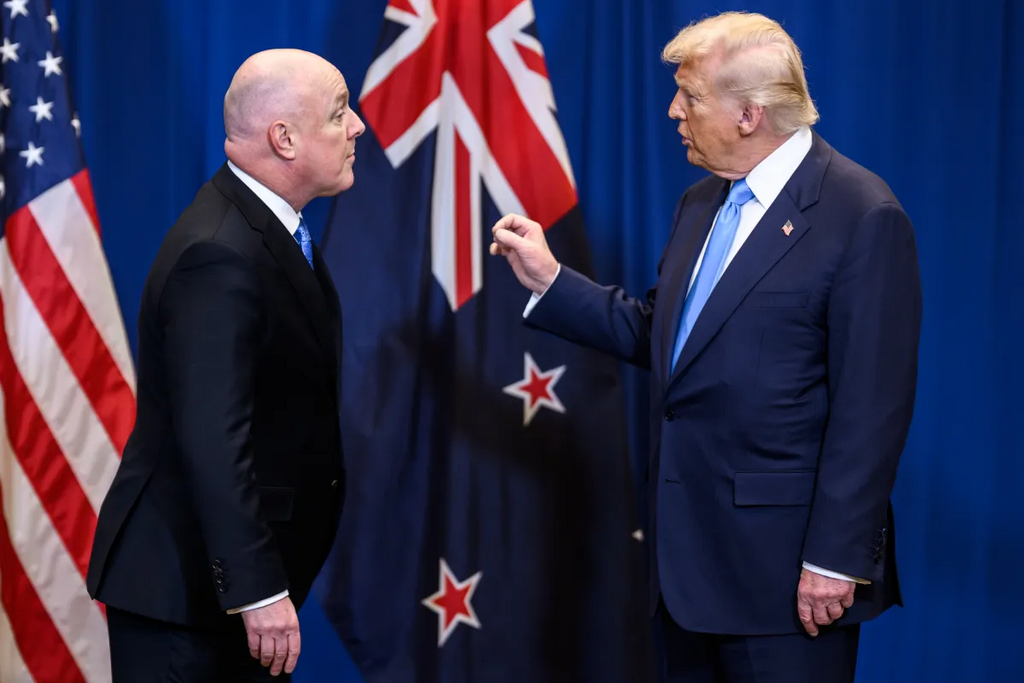
This is why Luxon’s handling of Trump’s push for critical minerals should worry anyone who cares about Aotearoa’s sovereignty, environment, and international standing. And this concern has deepened in recent days.
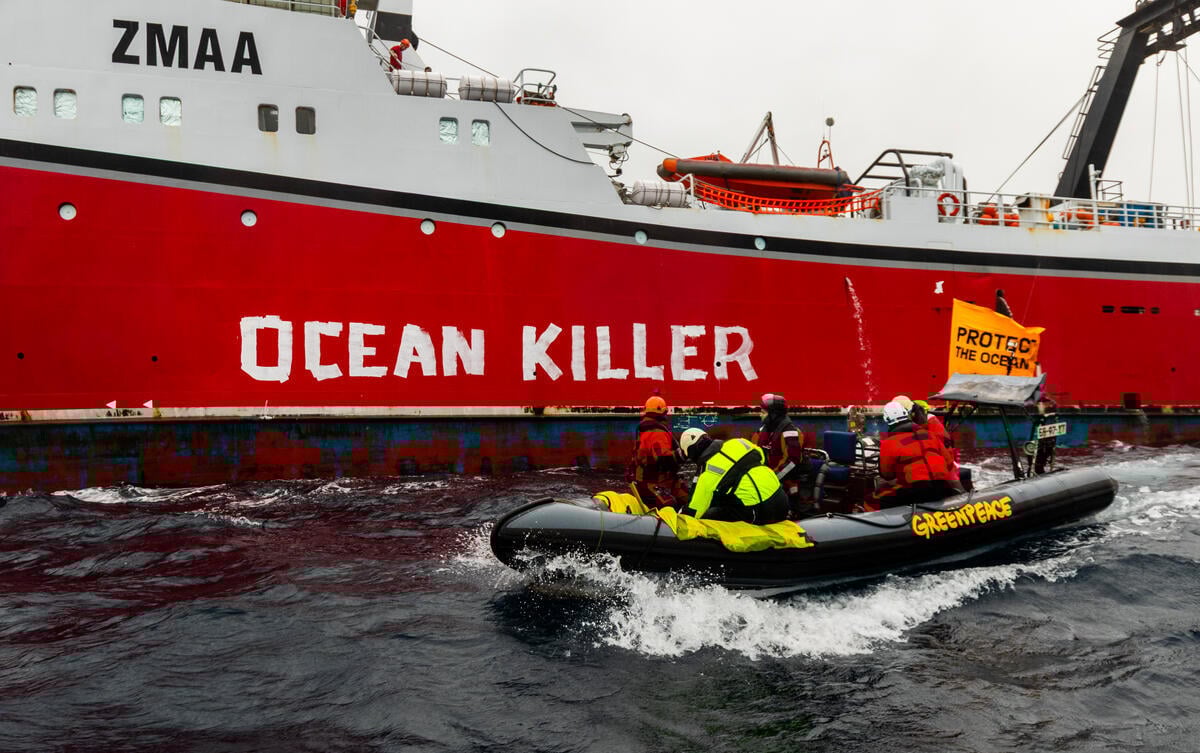
The Fast Track expert panel has shared a draft decision to decline Trans-Tasman Resources’ seabed mining application. That draft is now sitting in a political danger zone – under discussion at Cabinet, and directly intersecting with Trump’s push for access to critical minerals.
This is important timing. Any attempt to lean on New Zealand to “reconsider” seabed mining now risks becoming overt political pressure on an active regulatory decision. That would be brazen interference.
The draft decision from the panel also ruptured a convenient myth from the mining camp – that seabed mining is merely “controversial” or “divisive.” The panel’s assessment reflects what New Zealanders have said for more than a decade: there is no social licence for seabed mining in Aotearoa, and the touted economic gains from the industry don’t outweigh the environmental and cultural harms it would cause.
If Luxon ignores this in favour of foreign pressure, it sets a precedent that expert advice, public opposition, and environmental law can all be overridden when a powerful brat demands it.
Trump’s demand is predictably exploitative – just let American interests mine Aotearoa’s critical minerals, or face punitive tariffs. It’s barefaced predation. Trump is obsessed with keeping pace with China’s access to the minerals he wants for tech and defence. Instead of investing in the ethical and intelligent move – responsible domestic supply, or genuine international cooperation, he reaches for the same tool every time. Threatening his “friends.”
The idea that New Zealand could somehow “do a good deal” under these conditions is a horrifying but equally hilarious fantasy. We’ve seen how this plays out. Justin Trudeau tried cooperation during NAFTA renegotiations, accepting Trump’s framing and reopening talks under pressure. The result was a new deal… followed by tariffs on Canadian steel and aluminium anyway. Appeasement didn’t buy Canada protection; it just invited more demands.
Japan tried a different tactic, credit to them. Prime Minister Shinzo Abe opted for personal flattery – golf, praise, avoidance of confrontation. It failed. Trump imposed tariffs regardless and demanded lopsided trade concessions. Political capital spent, absolutely nothing gained.
The lesson is so, so clear. Trump treats concessions as proof that his petulant pressure works. He doesn’t reward his friendships – in fact, I’m not sure he ever has.
Which brings me to the real risk for Aotearoa.
Critical minerals extraction is, to put it lightly, a permanent decision. Once seabeds are mined and ecosystems destroyed – whether in the South Taranaki Bight or elsewhere – there is no rewind button. The damage to marine life, food systems, and taonga species will outlive Trump, Luxon, and this entire political cycle. The profits, meanwhile, flow offshore. Local iwi, the rest of the Taranaki community and their children, will be left with the mess.
If we show the US that we’ll bend under their threats, we become an easy target. Today it’s minerals, tomorrow it’ll be defence spending, or expected silence in the face of human rights abuses. Small countries survive by being principled and hard to bully.
New Zealand has had this reputation before. We stood up against global powers in decades gone by on the nuclear issue, taking the moral high ground and refusing to bend to nations who wanted everyone to look the other way.
But once that reputation dies, coercion becomes cheaper and more frequent. There is a much better option, it just takes a bit of ol’ fashioned courage.
Since taking office, Canada’s new PM, Mark Carney, has ostensibly figured out Trump. There’s been no ego stroking. Even before his standing ovation at Davos, he’s made it clear that Canada will not be pushed into bad agreements by force.
The result so far has been good – Canada has room to manoeuvre, a reluctant kind of respect from Trump, and a relatively unified population.
It’s hard to avoid the conclusion that Luxon hasn’t studied this at all. His loyalty should be to the people of Aotearoa, who have said no to seabed mining for over a decade. That goes for all eight Taranaki iwi, whose waters this seabed mine would most effect, it goes for the surfers and the scientists, the environmental lawyers, the communities who’ve had to fight hard against this project for too long.
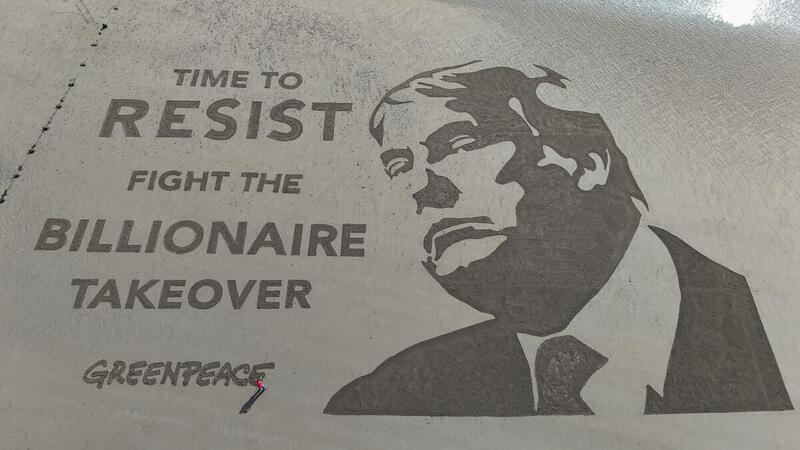
There are clues for Luxon in Greenpeace’s #timetoresist campaign.
New Zealand is not without leverage. Multilateral partnerships exist. Global markets exist. We are not obliged to trash our environment to appease a US president who governs by tantrum.
Sometimes the smartest move is also the simplest one. Stare down the bully and wait for him to realise there will be no gameplay today.