An emergency ban on commercial set net fishing around Otago Peninsula is meant to protect the hoiho, the yellow eyed penguin. But the ban doesn’t go far enough.
Note: During November and December Fisheries NZ has been asking for public feedback on their proposed options for measures to protect hoiho at sea. The submission period closed on Friday 12 December 2025.
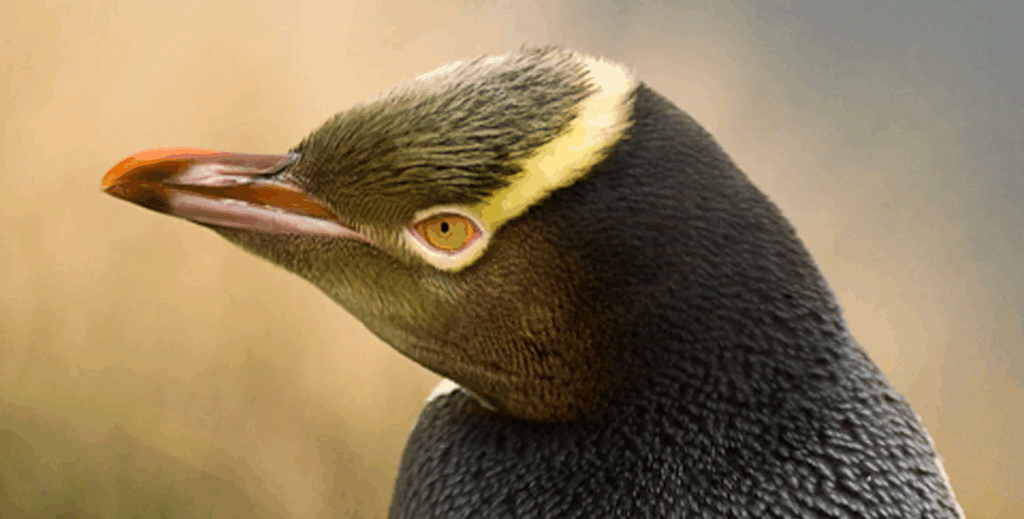
The hoiho is one of the world’s rarest species
Have you ever seen a hoiho? The hoiho, or the yellow eyed penguin, is an iconic national bird that lives only in Aotearoa. It stands around 65cm tall, can travel up to 25 km offshore and dive up to 200 times a day for food. It’s even featured on our five dollar bill.
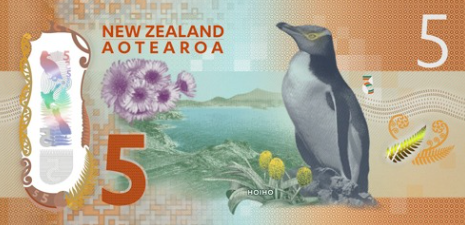
It’s also one of the world’s rarest species. There are two hoiho populations, one on the remote subantarctic islands, and the other ‘northern’ in the area stretches from Stewart Island, around the Otago Peninsula to Banks Peninsula, near Christchurch.
For more facts about the hoiho visit the Yellow Eyed Penguin Trust website.
Hoiho under threat
Tragically the northern population of hoiho is collapsing – by 80 percent since 2008. At the current rate of decline, hoiho could become locally extinct on the mainland within 20 years.
There are only 150 breeding pairs left in the northern hoiho population and their fate hangs in the balance. They face multiple threats that marine scientists say are decreasing their chances of long term survival.
Sediment from land use and bottom trawling are degrading the marine ecosystems hoiho live in. Ocean warming from climate change is reducing food sources.
Meanwhile commercial fishing both competes for the same food sources and kills individual animals as bycatch in set nets.
In 2025 alone at least four hoiho have been killed, tragically caught in fishing set nets.
Hoiho and set nets simply cannot co-exist
Because of public pressure the Government is taking some steps to reduce the risk of more deaths. In September they put in place an emergency ban for three months on commercial set net fishing around Otago Peninsula.
Environmental Law Initiative is also using legal pressure – they’ve gone to the high court to challenge the Minister of Oceans and Fisheries’ decision to only close part of northern hoiho habitat to set net fishing, when the entire population is at risk of extinction.
From this month the emergency ban has now been extended for another nine months. This is good news as it will give breathing space to protect the endangered hoiho population.
During November and December Fisheries NZ has been asking for public feedback on their proposed options for measures to protect hoiho at sea.
Over 900 people in the Greenpeace movement wrote a personal submission to speak up and say the proposed options were not strong enough – hoiho and set nets simply cannot co-exist.
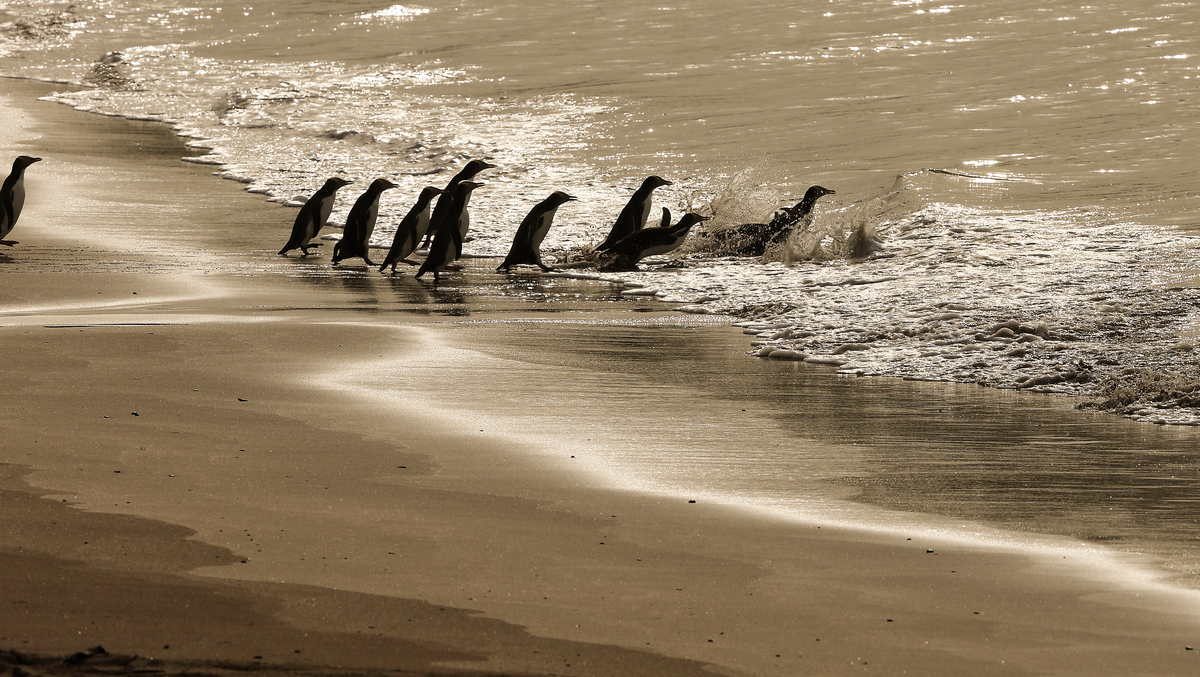
It’s a harsh question, but it shouldn’t be a hard question.
Do we carry on business as usual and manage a slow decline and extinction of the northern hoiho population? To lose a keystone species such as the hoiho due to the impact of preventable commercial practices would be unforgivable.
Or do we take action to ensure a thriving hoiho population that is safe from human activities in its habitat at sea and on the mainland? Let’s do all we can to save this keystone species!