
Seabed mining in Aotearoa
Seabed mining and deep sea mining are the destructive practices of stripping the ocean’s seabed for metals and minerals.
Here’s what you need to know about seabed mining and how you can help stop it from starting in Aotearoa and the Pacific.
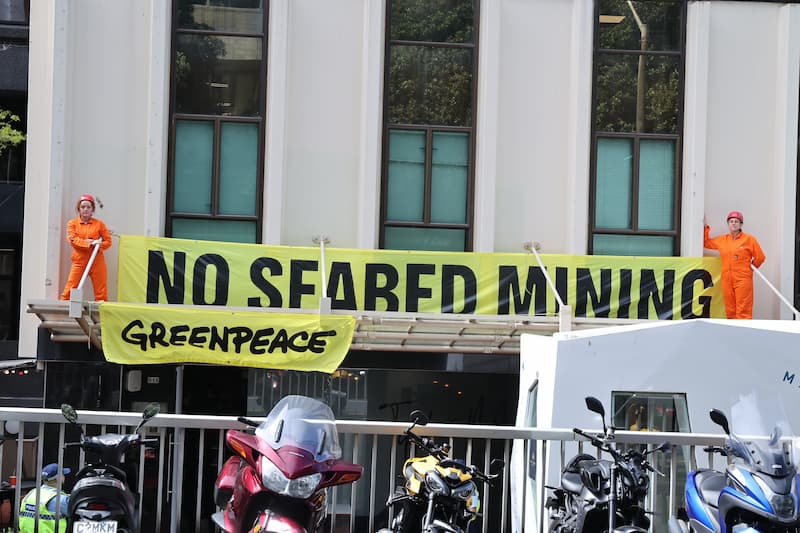
BREAKING NEWS: A massive WIN for the moana
The Fast-Track expert panel has declined Trans-Tasman Resources (TTR)’s application to mine the seabed in the South Taranaki Bight.
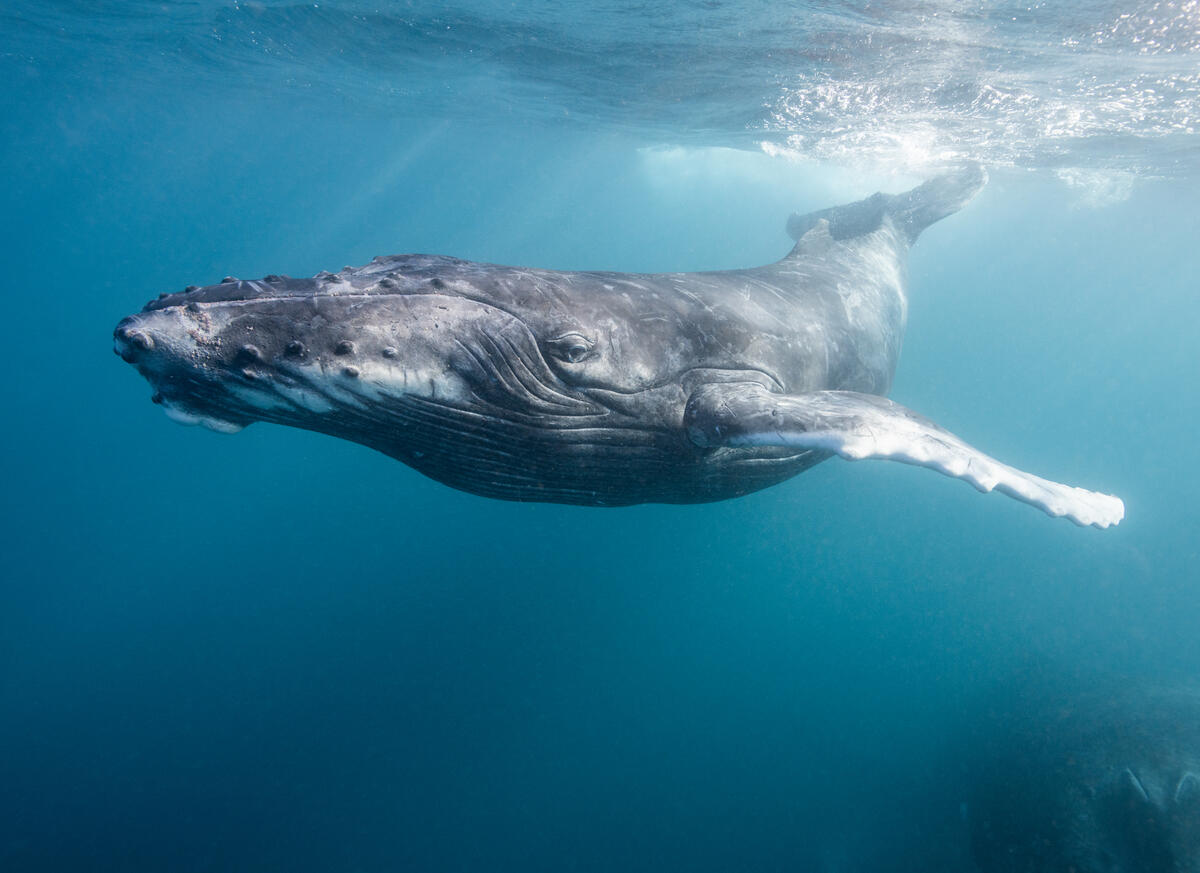
In a draft decision, the panel declined consent for the project, finding it would likely cause material harm to marine ecosystems and threatened species like pygmy blue whales and kororā.
Seabed mining or deep sea mining
Seabed mining mainly refers to mining the relatively shallow waters around the coastline of Aotearoa. Australian-owned companies like Trans-Tasman Resources are proposing to mine the seabed off the Taranaki Coast at depths of up to 50 metres. Deep sea mining refers to the proposed practice of mining the seabed of the Pacific Ocean or the Arctic at depths of up to 5,500 metres.
Among many other risks to people and nature, mining the ocean floor in this way could damage the oceans beyond repair, threatening their ability to help fight climate change and sustain life on planet Earth.
Greenpeace is campaigning to stop all ocean floor mining, but in Aotearoa, the threat of seabed mining in Taranaki is imminent.
Why do miners want to target the seabed?
Seabed mining and deep sea mining generally involves removing metals and minerals from the sea floor. Deep below the Pacific ocean’s surface, deposits of metals and minerals like manganese, nickel and cobalt have built up on the seafloor into potato-sized ‘polymetallic nodules’ over millions of years.
Mining companies want to extract these metals by using gigantic machines capable of operating at up to a depth of four thousand metres.
Why is seabed mining bad?
Seabed mining would be extremely destructive, destroying beautiful habitats and ecosystems that aren’t yet fully understood.
Seabed mining would cause massive damage to the ecosystems which sustain life all the way up the food chain, that all of us rely on.
Tangata Whenua and Pacific Island communities, particularly those living subsistence lifestyles in coastal areas, will pay the highest price. At the centre of their identities and ways of life, Tangata Whenua and Pacific Peoples have deep spiritual and cultural ties to the ocean.
Things you can do to stop seabed mining
Together, we can stop seabed mining before it starts. Use your voice, join us today.
-
 Greenpeace
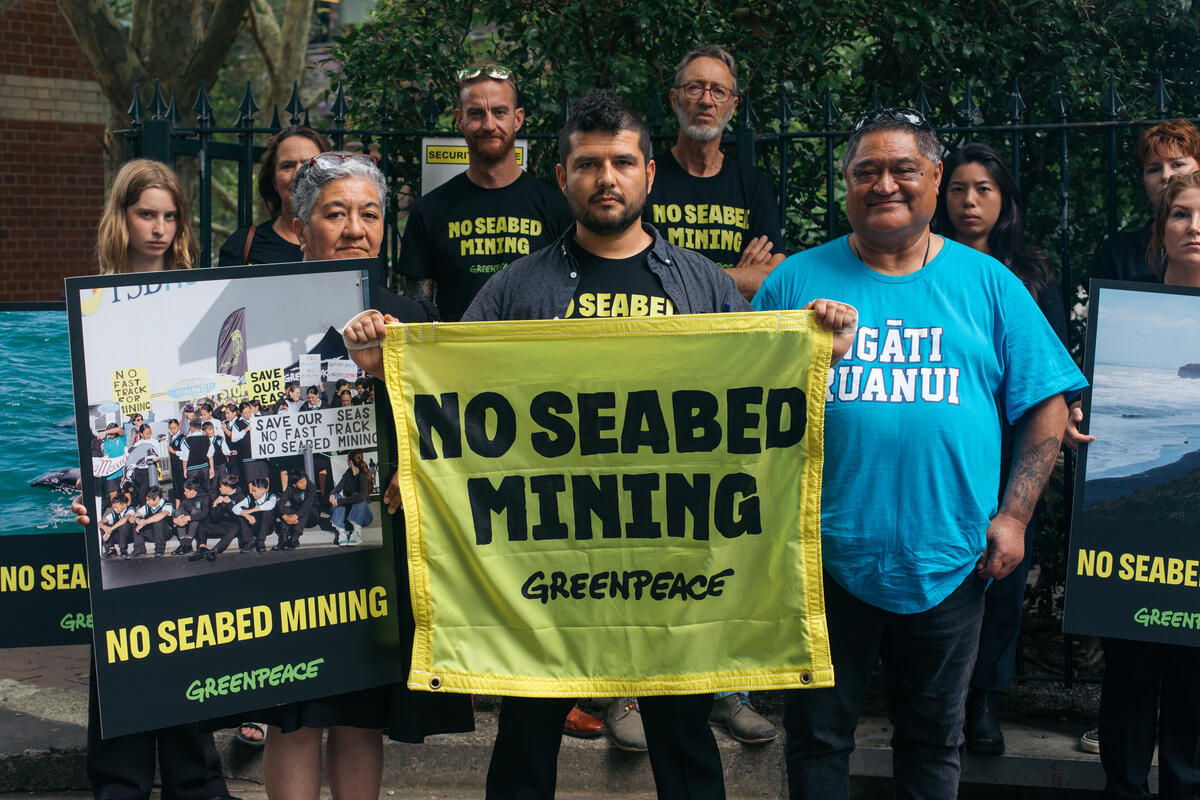
PETITION: Stop deep sea mining
It’s time for New Zealand to take a stand. Join our call on the New Zealand government to back a global moratorium on seabed mining.
-
 Greenpeace
Send a protest email to the seabed mining companies
Trans-Tasman Resources (TTR) has a plan to rip up 50 million tonnes of the South Taranaki seabed every year for over 35 years. This would be the world’s first commercial seabed mine.
-
 Greenpeace
Call on Chris Hipkins to take a stand against seabed mining
Any political party that takes environmental protection seriously must stand against Trans-Tasman Resources’ plan to seabed mine in the South Taranaki Bight.
Seabed mining & the Fast-Track Bill
Seabed mining was one of the first projects to use the Luxon Government’s controversial Fast Track Approvals Bill. The Australian-owned company Trans-Tasman Resources applied to suck up 50 million tons of iron sand every year for 35 years off the coast of Taranaki.
They want to extract vanadium, iron and titanium, but experts say it will have a devastating impact on rare marine life – such as pygmy blue whales, Māui dolphins, Hector’s dolphins and kororā. And if seabed mining starts in Aotearoa, it could open the floodgates to deep sea mining across the Pacific and around the world.
But in February 2026, the Fast Track expert panel declined Trans Tasman Resources’ Fast-Track application to mine the South Taranaki Bight. This is the latest loss for Trans-Tasman Resources, who have lost many legal hearings and more than 10 years of fierce opposition from the local iwi and hapū, environmentalists and the community.
We’ve stopped seabed mining this time, but let’s stop it for good. Call for a ban on seabed mining in Aotearoa!
-
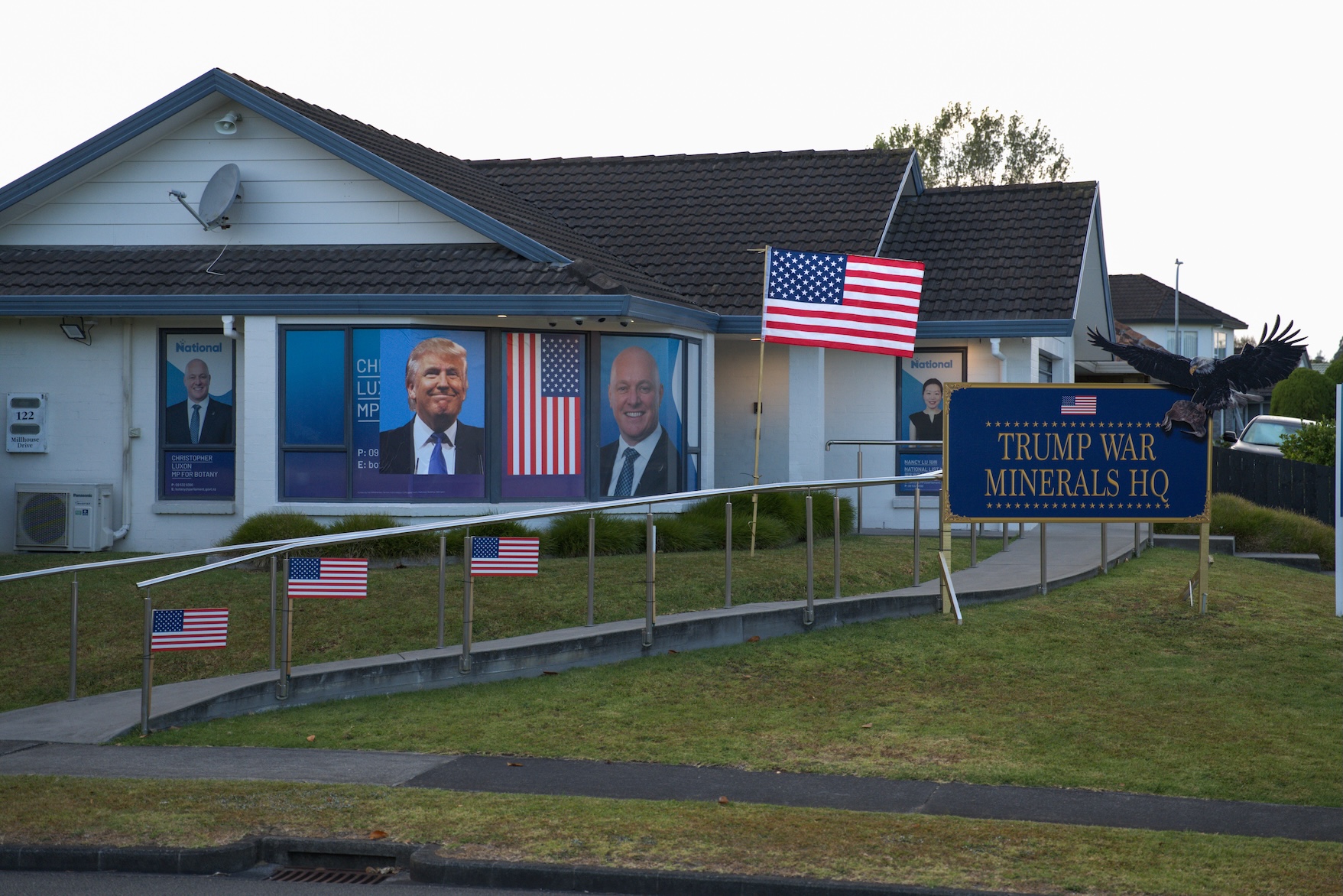
Luxon’s office converted into Trump’s war minerals HQ
Christopher Luxon’s electoral office has been converted into Trump’s war minerals headquarters today.
-
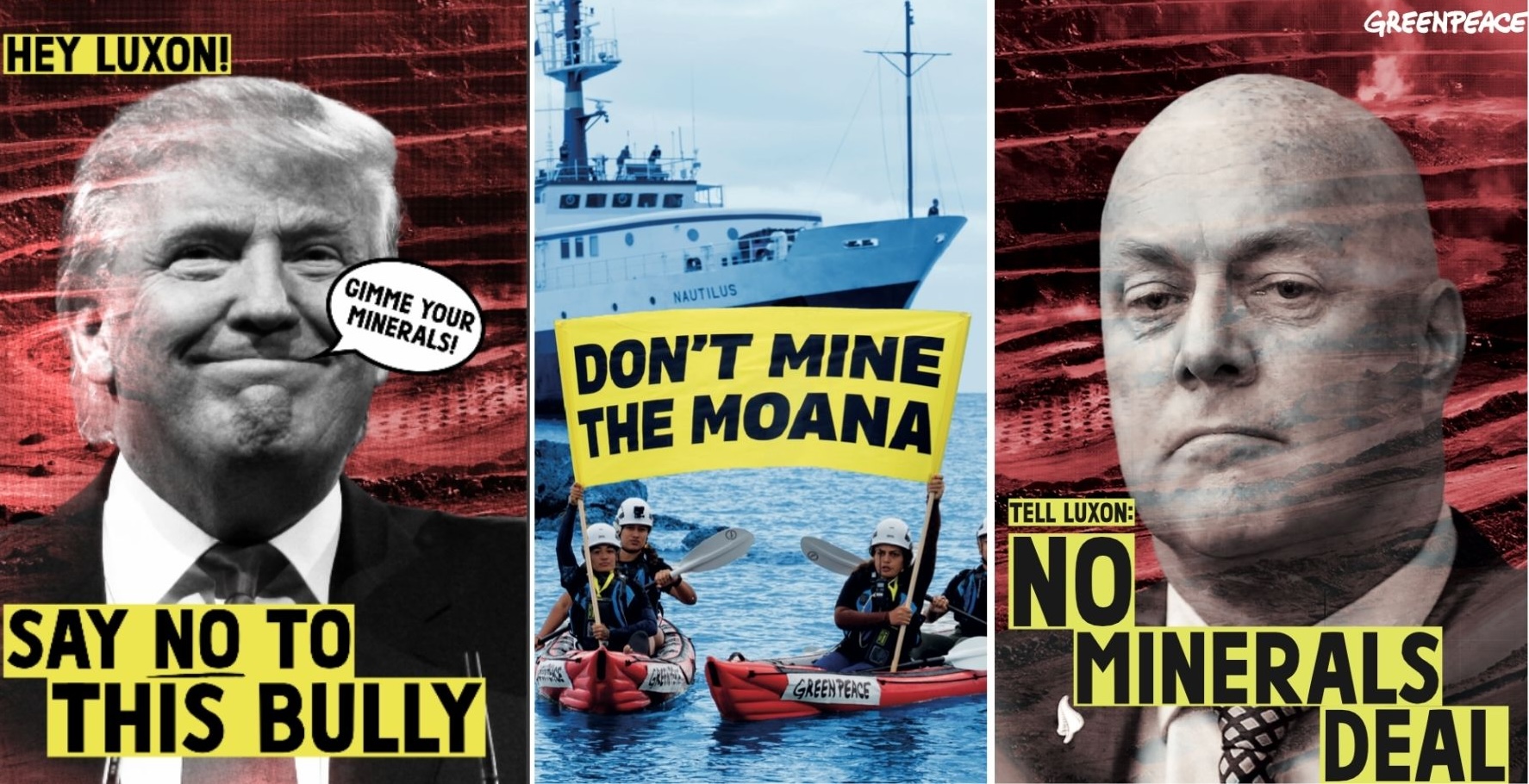
A critical minerals deal with the USA: What you need to know
Trump is demanding New Zealand sign up to a deal to provide the USA with minerals. Tell Luxon to refuse Trump’s demands for minerals!
-
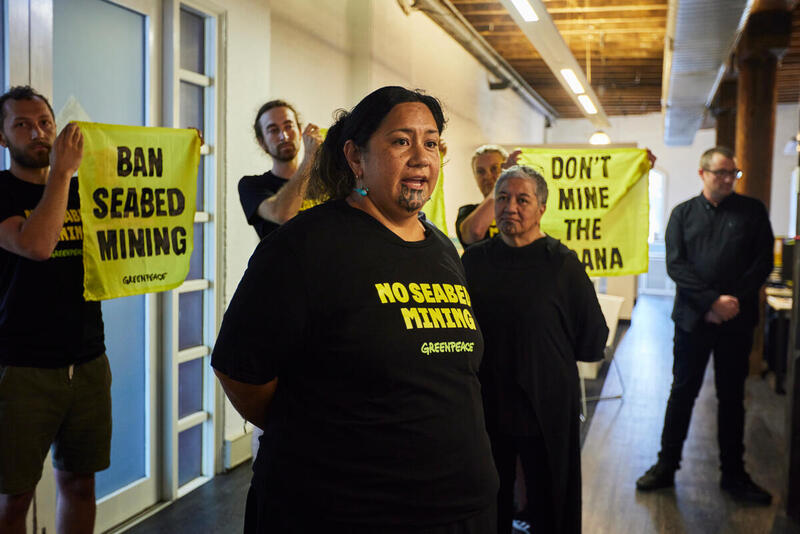
Seabed miners ‘trespassed’ from Taranaki waters, after Fast Track withdrawal
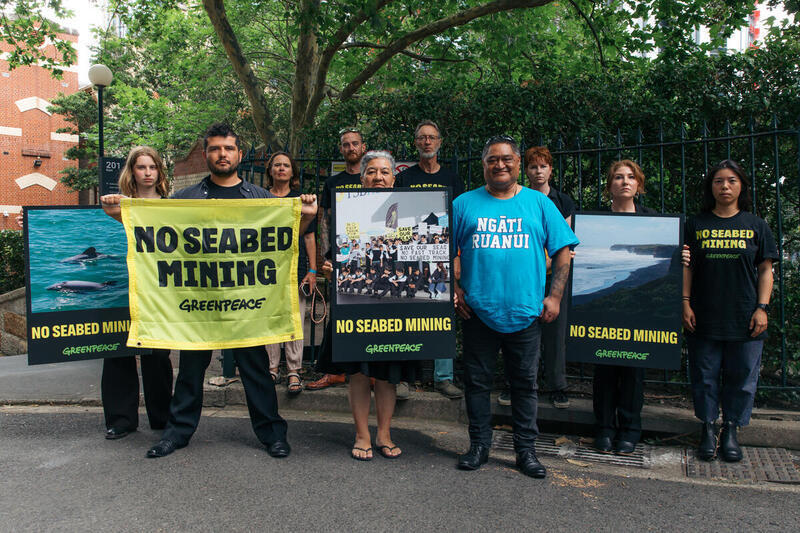
Iwi representatives from Taranaki have delivered a ‘trespass’ notice to wannabe seabed miners Trans Tasman Resources in Sydney.
Seabed mining FAQs
We answer your questions about seabed mining:
Vulnerable coastal communities, especially in the Pacific, will pay the highest price. Peer-reviewed science shows that deep sea mining is almost certain to cause lasting damage to deep sea ecosystems. This means potentially severe impacts on countries and communities that depend on the Pacific Ocean.
Deep sea mining could harm the fish populations that provide food and livelihoods for many Indigenous Pacific communities. These communities have profound cultural and spiritual ties with the sea.
International opposition to the deep sea mining industry continues to grow.
A growing list of countries – including New Zealand and several Pacific Island nations, Germany, France, Spain and Chile – are proposing a pause or a ban on issuing licences. Five more countries joined the call at the last International Seabed Authority meeting in July-August 2024, bringing the total to 32 nations.
Seabed mining is a very new industry. Apart from a few small tests, no commercial mining has happened yet. But the companies involved are preparing to start full-scale production.
Seabed mining is the practice of removing metals and minerals from the ocean’s seabed. Thousands of metres below the surface, deposits of these metals and minerals like manganese, nickel and cobalt have built up on the seafloor into potato-sized nodules over millions of years.
To mine these metals, gigantic machines weighing more than a blue whale would scoop deposits from the deep ocean floor. They’d then pump the mined material up to a ship through up to several kilometres of tubing. Sand, seawater and other mineral waste would then be pumped back into the water.
Like mining on land, deep sea mining is extremely destructive. But mining the ocean floor is risky for so many reasons.
The full environmental impacts of deep seabed mining are hard to predict. But they’re likely to be highly damaging, both within and beyond the areas being mined.
The oceans are facing more pressures now than at any time in human history, and are threatened by overfishing and the climate crisis. Our oceans absorb and store carbon, and give more than three billion people their livelihoods.
Danger to habitats
The nodules containing the metal deposits have taken millions of years to form and are one of the keystones of deep sea life. When they are gone, they cannot be replaced; nor can the ecosystems that thrive around them. This would cause disruption all the way up the food chain that Pacific communities – and all of us – rely on.
Mining these deposits would destroy biodiversity and habitats which have far reaching benefits to all life on Earth that aren’t fully understood. The deep ocean is a vast reservoir of biodiversity, from glowing sharks to armoured snails, with new species being discovered every year.

Support our work
Companies and governments want to start deep sea mining. But we will be out there resisting them, every step of the way. Support our work through a regular donation or a one-off gift.
Find out more about seabed mining in Aotearoa and around the world:
-
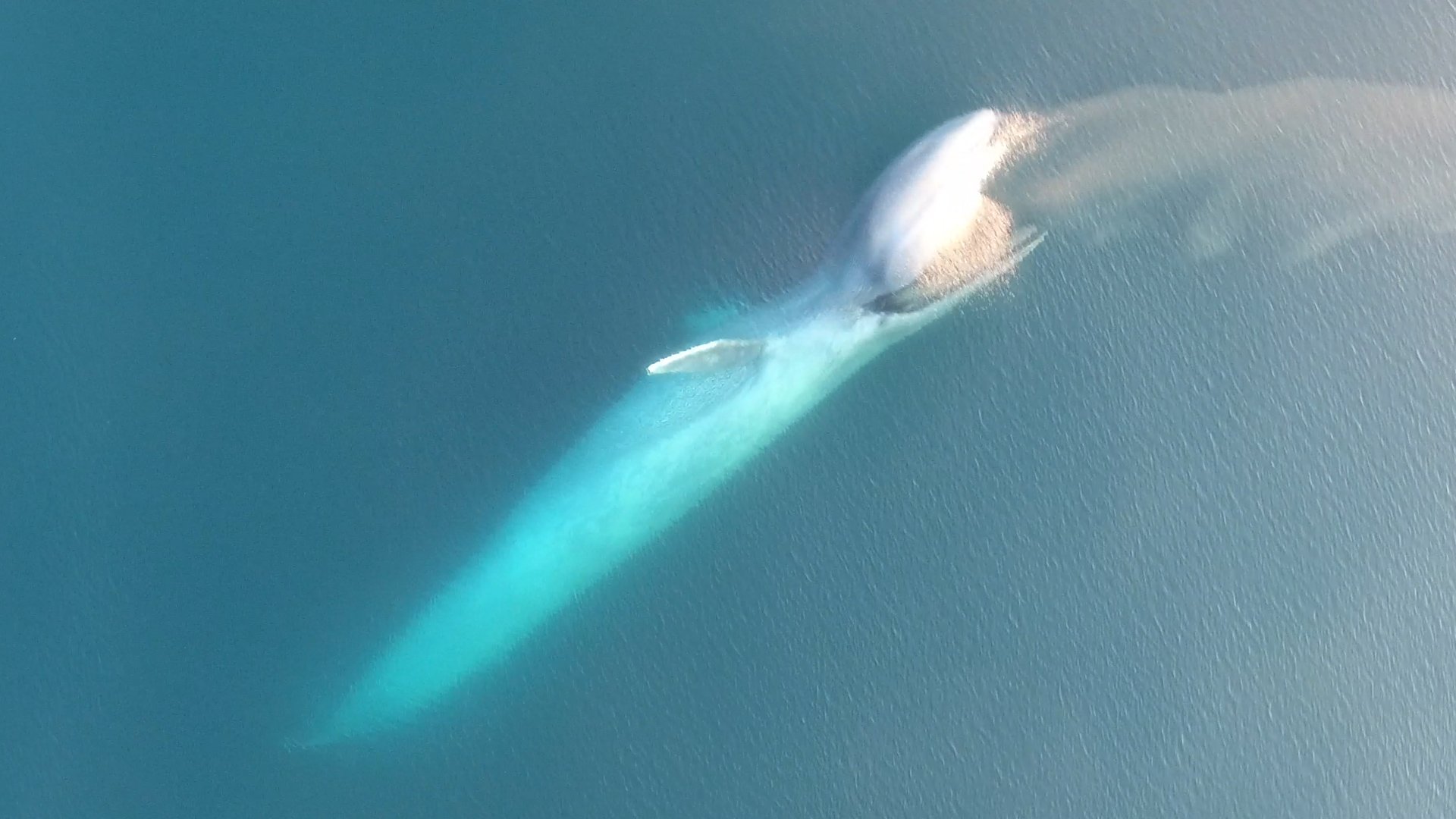
What is seabed mining, and how does it threaten the ocean?
Seabed mining is a destructive mining practice that involves dredging up the seabed for precious metals. It’s an immediate threat in Aotearoa.
-
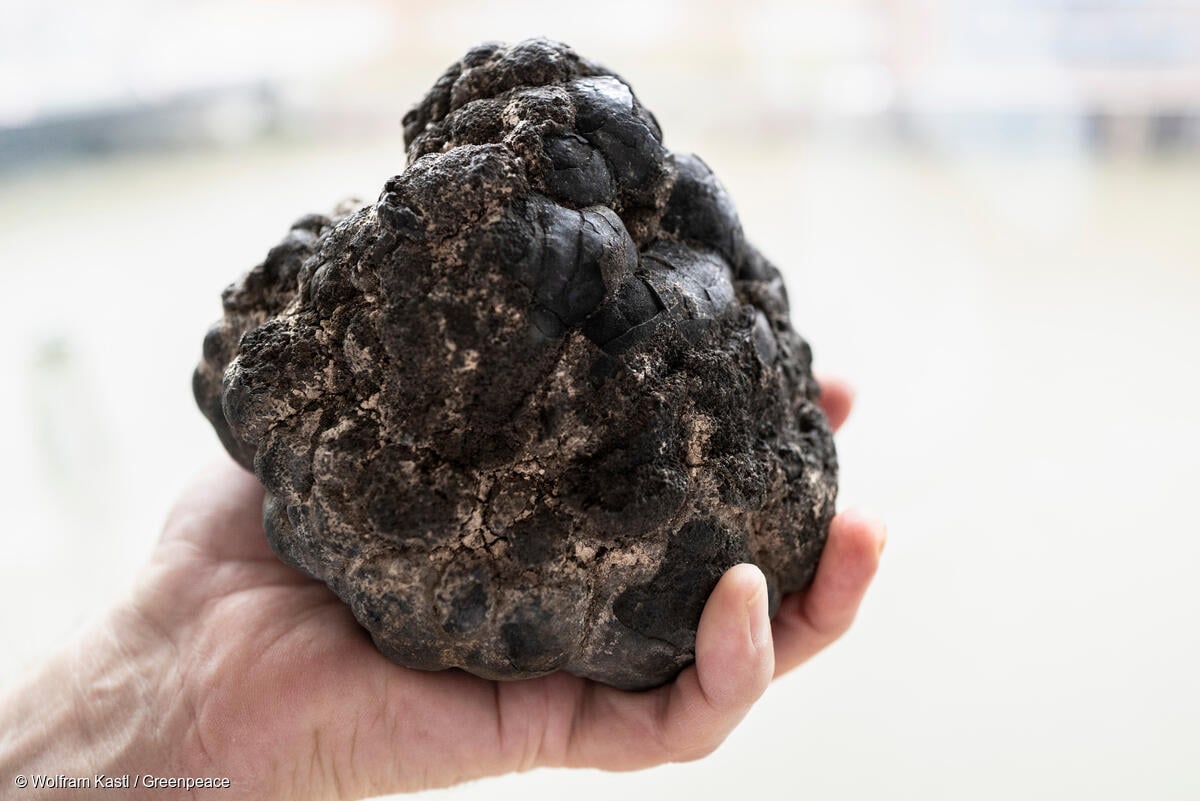
Dark oxygen discovered in the deep sea spells trouble for seabed mining industry
Scientists have found a source of ‘dark oxygen’ 4,000 meters below the surface of the Pacific in the target zone for deep sea mining. The discovery could have far-reaching implications for science and the wannabe deep sea mining industry.
-
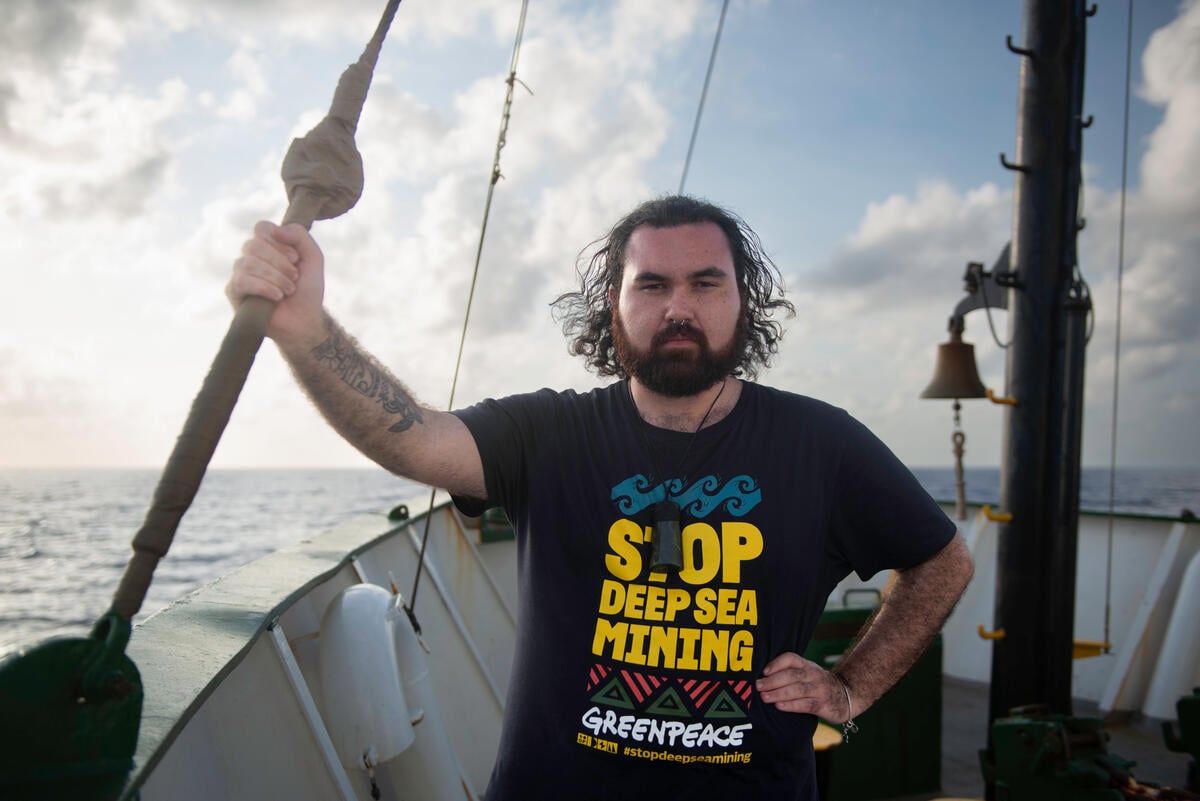
Deep sea mining and neocolonialism in the Pacific
The recent milestone of the Global Oceans Treaty, which aims to protect marine biodiversity and regulate human activities in the high seas, was a hard-won victory for the international community.…
-
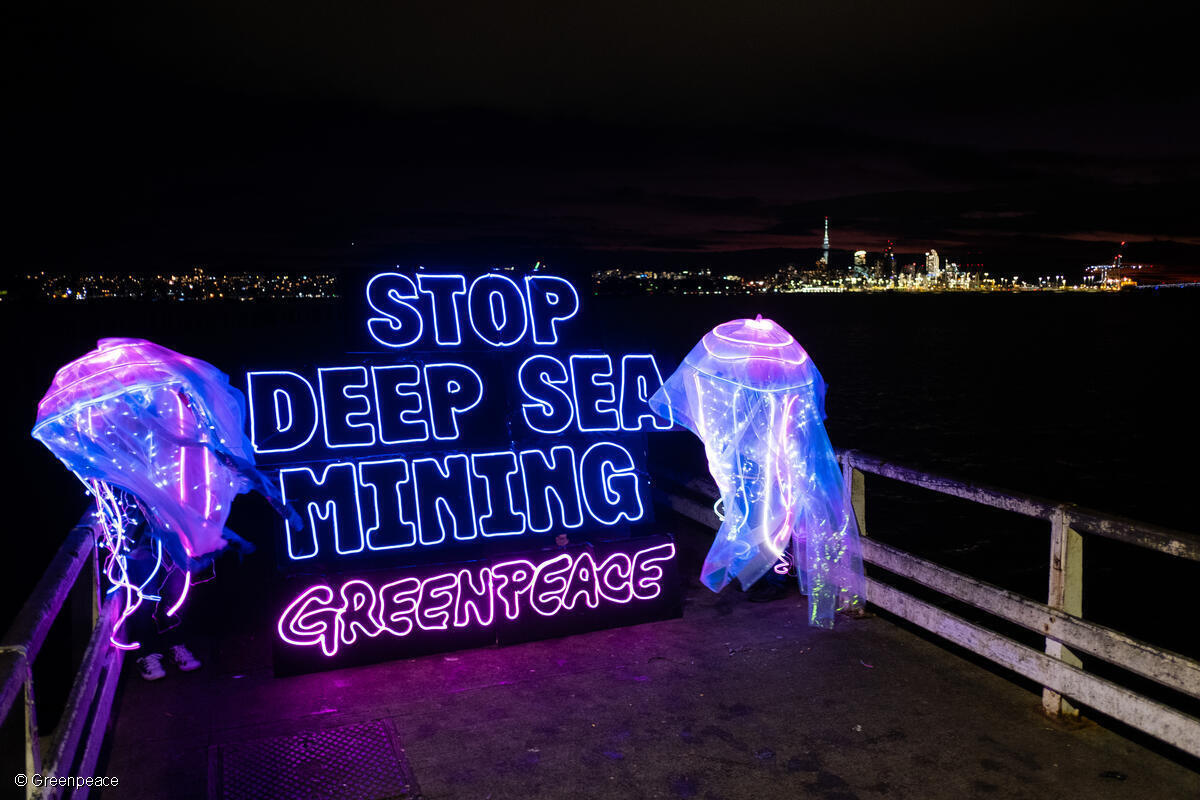
5 reasons to be hopeful in the fight against deep sea mining
In just a few days, another crucial International Seabed Authority (ISA) meeting will start. From July 15th to August 2nd, world leaders will discuss the future of the deep ocean.
-

Deep sea mining scars remain fifty years on
What do you see in this photo? Can you discern the deliberate pattern formed by the grey-blue dots? Can you feel the stillness in this place?
-
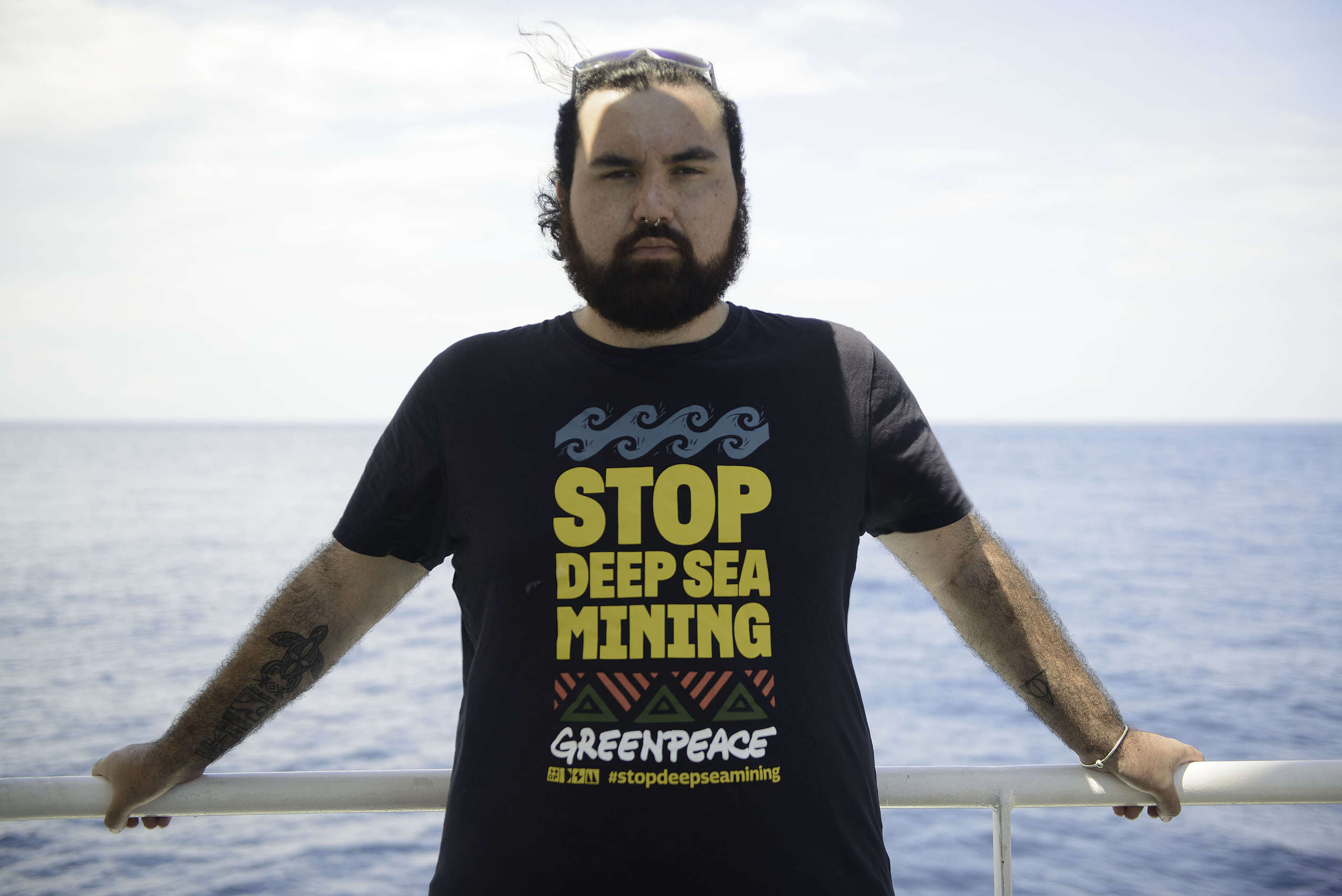
Deep Sea Mining: a threat to the Pacific Ocean despite recent Global Oceans Treaty win
The vast expanse of the Pacific Ocean is home to an incredible array of marine life and resources that are vital for our planet. However, a dangerous threat looms beneath…
-
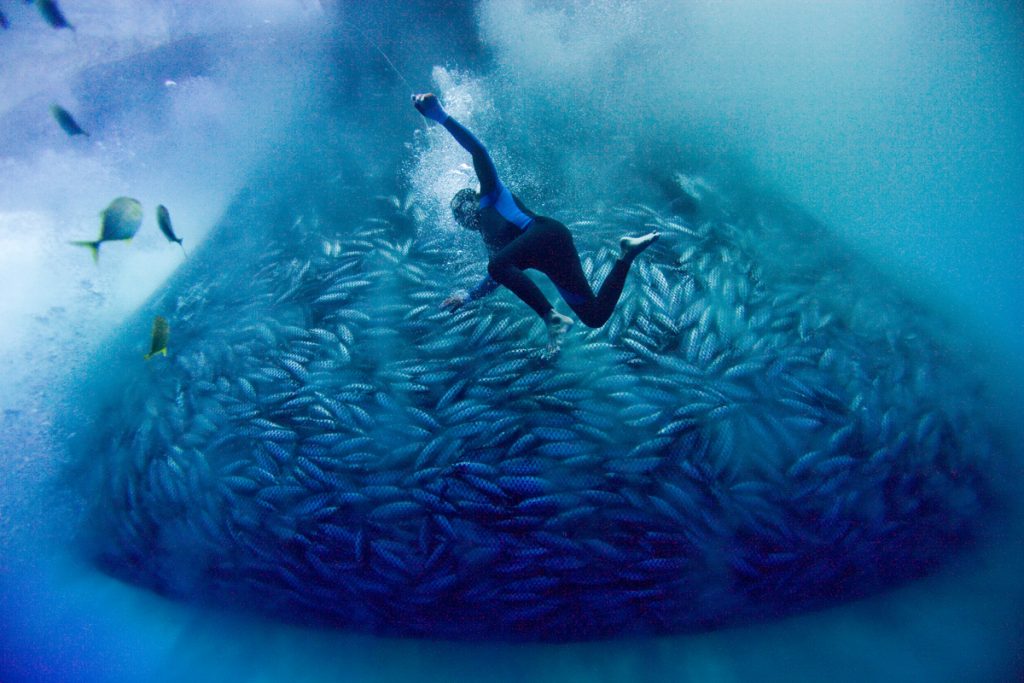
World Oceans Day – Why protecting the oceans means protecting people
The phrase ‘ocean protection’ will usually conjure up images of how human activities and our rapidly changing climate are impacting marine life. From fishing vessels with nets the size of…
-
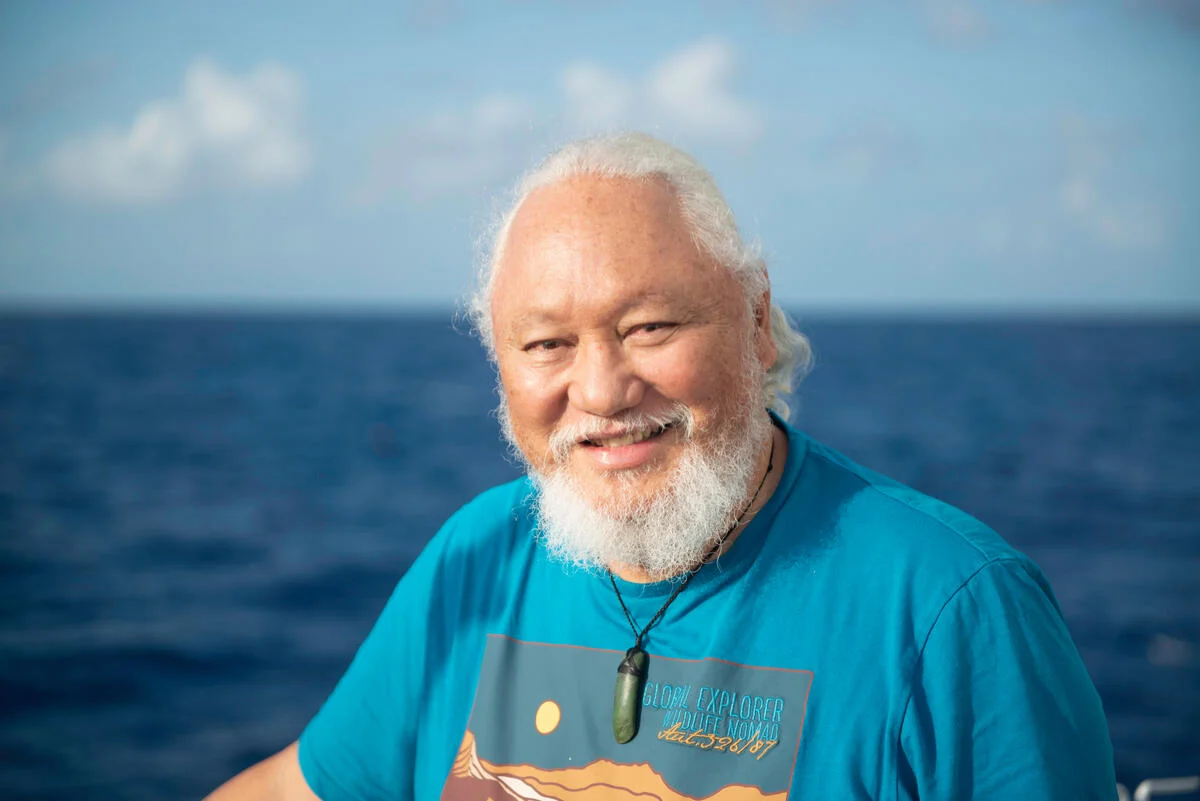
What global deep sea mining negotiations are missing
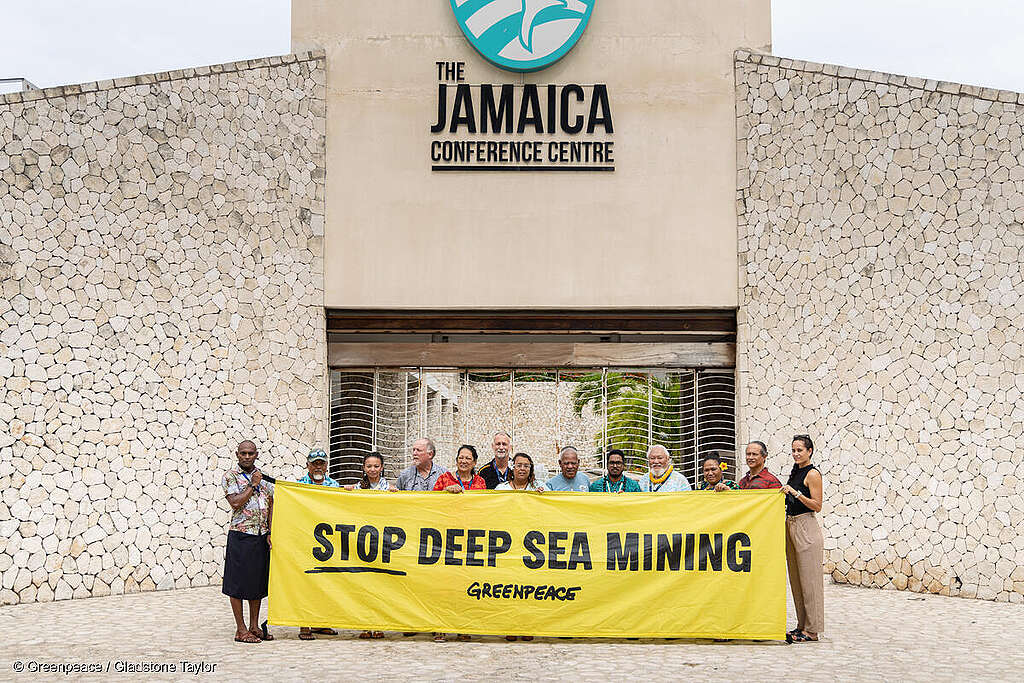
Solomon Pili Kahoʻohalahala, known as Uncle Sol, is a member of the Greenpeace International delegation at the International Seabed Authority (ISA) meeting in Jamaica, where governments are gathering to decide…
-
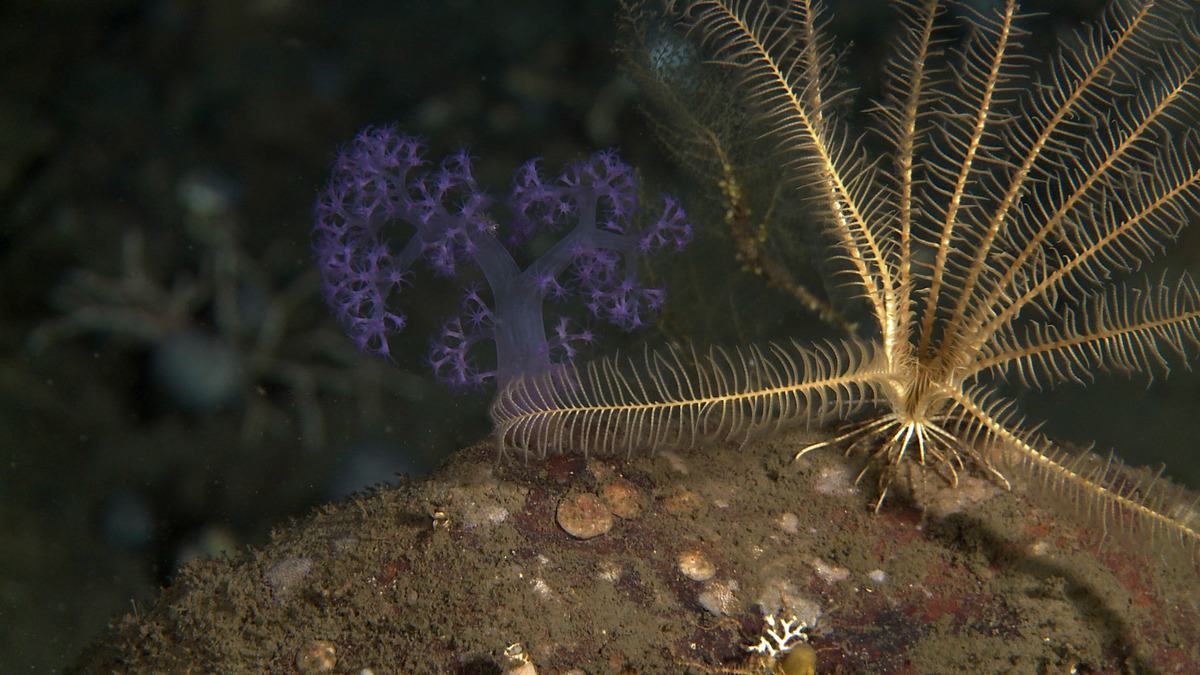
New research reveals huge carbon store in the seabed
Protecting and effectively managing oceans and seabeds are crucial in the fight against climate change. Oceans store vast amounts of carbon, locking it away from the atmosphere for hundreds to even thousands of years.
-
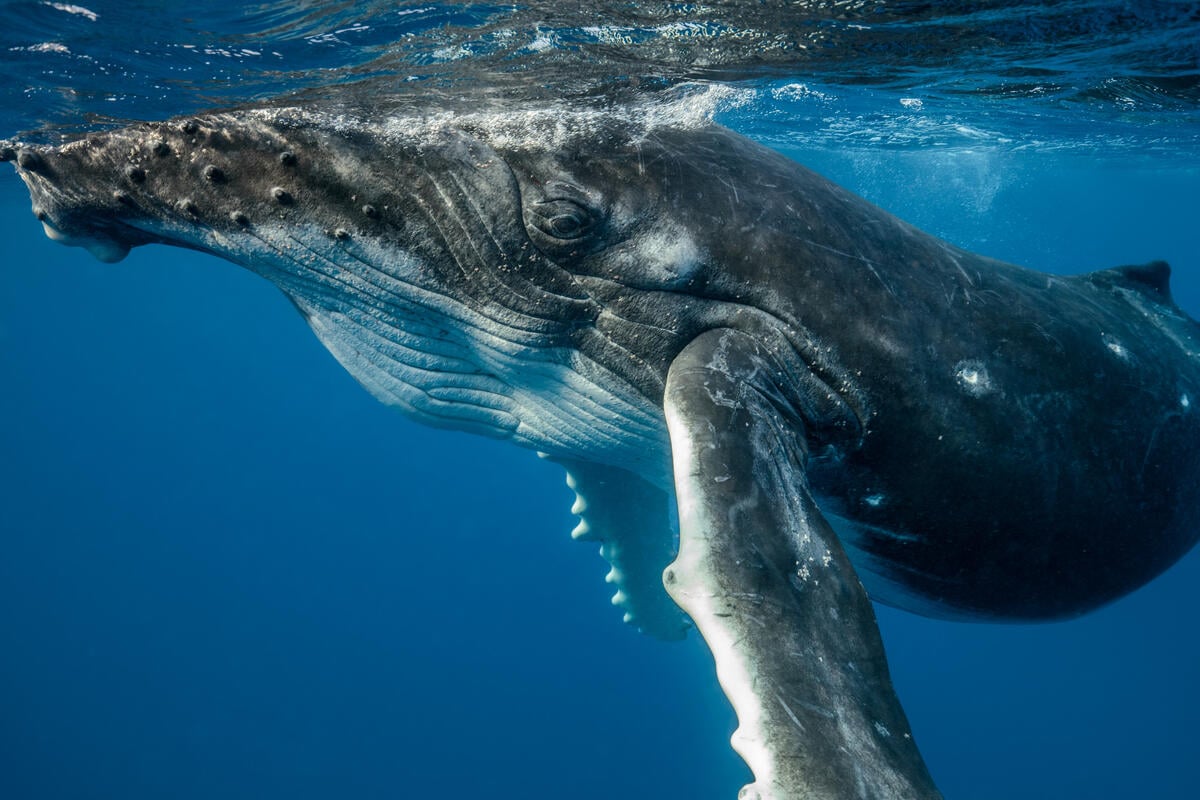
What if whales took us to court? A move to grant them legal personhood would include the right to sue
In a groundbreaking declaration earlier this month, Indigenous leaders of New Zealand and the Cook Islands signed a treaty, He Whakaputanga Moana, to recognise whales as legal persons.