When Cyclone Ditwah tore through Sri Lanka in November 2025, it was everyday people that became the first-responders. From neighbours to teachers, school principals and shop owners, everyone jumped in to lend a helping hand.
People shared drinking water when wells were flooded. Homes became shelters. Community spaces turned into coordination hubs. Across the country communities stepped up, protected one another, and rebuilt together.Cyclone Ditwah killed over 638 confirmed deaths and 175 missing according to the disaster management center Sri Lanka, displaced thousands, and affected more than 2.3 million across Sri Lanka. Floodwaters submerged nearly 20% of the country, destroying roads, schools, water systems, and livelihoods. The damage is estimated at USD 6 to 7 billion.
But This Crisis Was Not Natural.
Science is clear: warmer seas caused by human-driven climate change made this rainfall far more intense.
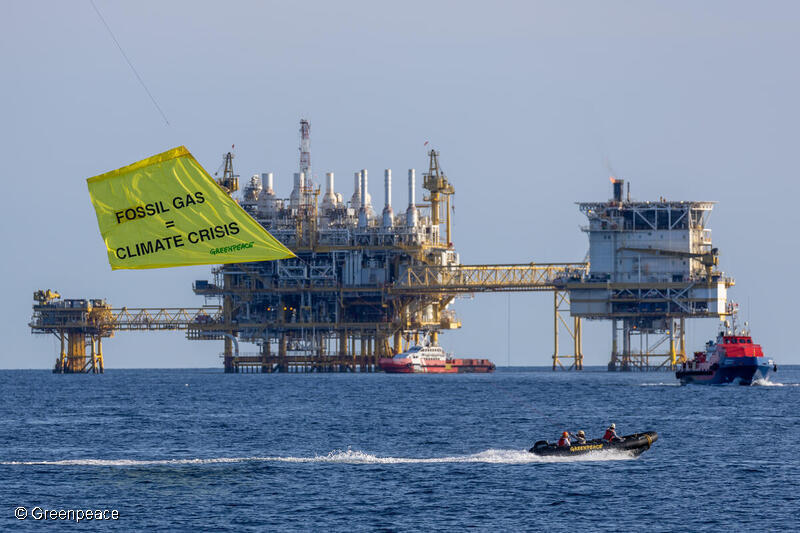
Yet Sri Lanka, like many other countries in the Global South, contributes very little to global carbon emissions. While frontline communities struggle to recover, big fossil fuel polluters continue to profit. This injustice is at the heart of the climate crisis that is driven by corporate greed.
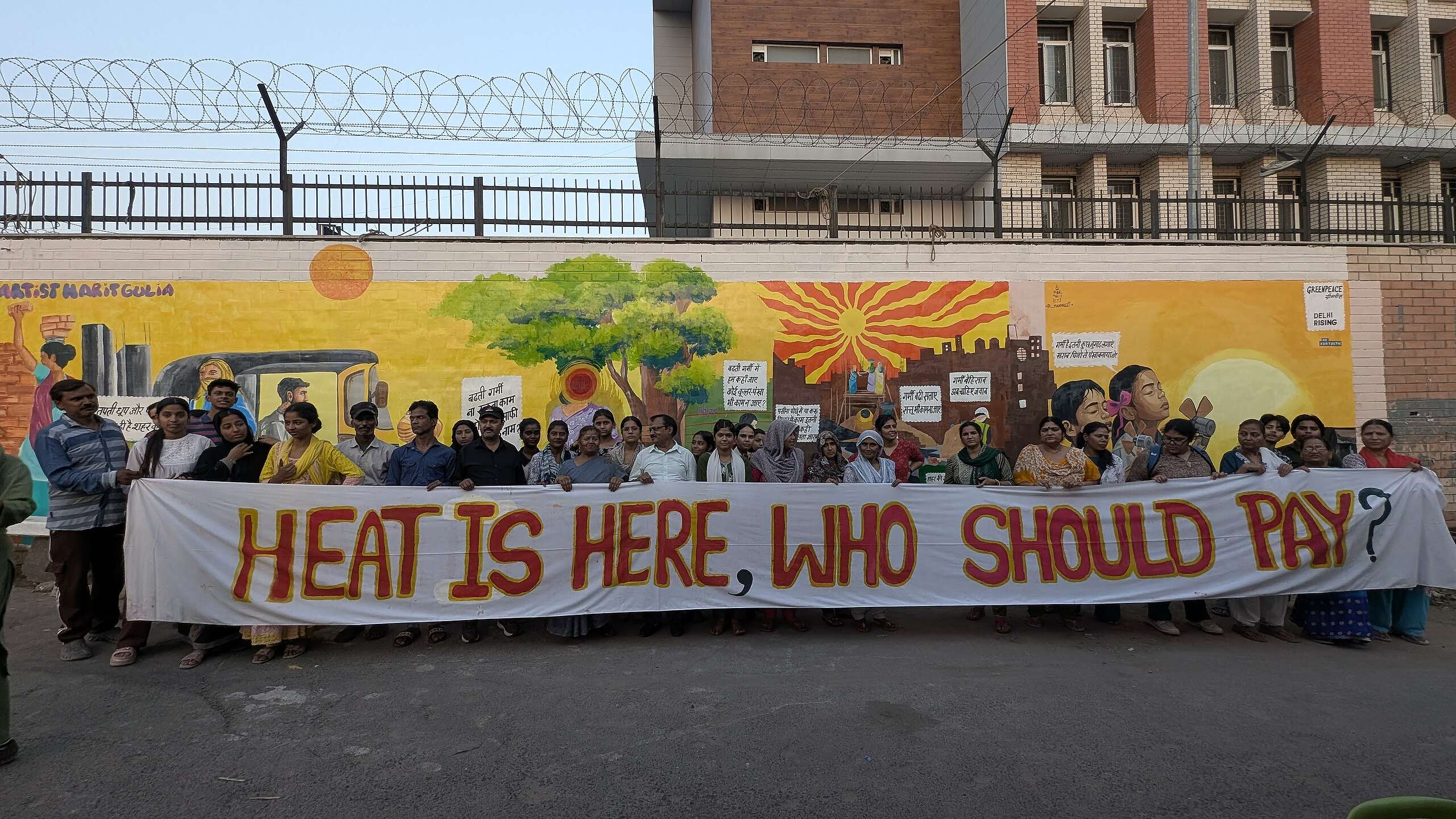
Those most responsible must be made to pay for loss, damage, and recovery.
In Mannar, communities are showing how collective action, local knowledge, and solidarity can protect lives and dignity in the face of climate impacts. By supporting community-led solutions here, we aim to demonstrate what climate resilience truly looks like and how it can be replicated elsewhere.
This is your opportunity to back community-led resilience and raise the call to Make Climate Polluters Pay. We must strengthen frontline responses while we continue to demand climate accountability from those who caused this crisis.
This is solidarity in action.
Together, we can protect lives today and fight for accountability tomorrow.
What We’re Raising Funds For?
Rebuilding Flood-Resilient Community Spaces
Community spaces are lifelines during disasters, places for shelter, coordination, and care. We are supporting the rebuilding of flood-resilient community infrastructure, with construction already initiated, starting with a focused intervention in Mannar.