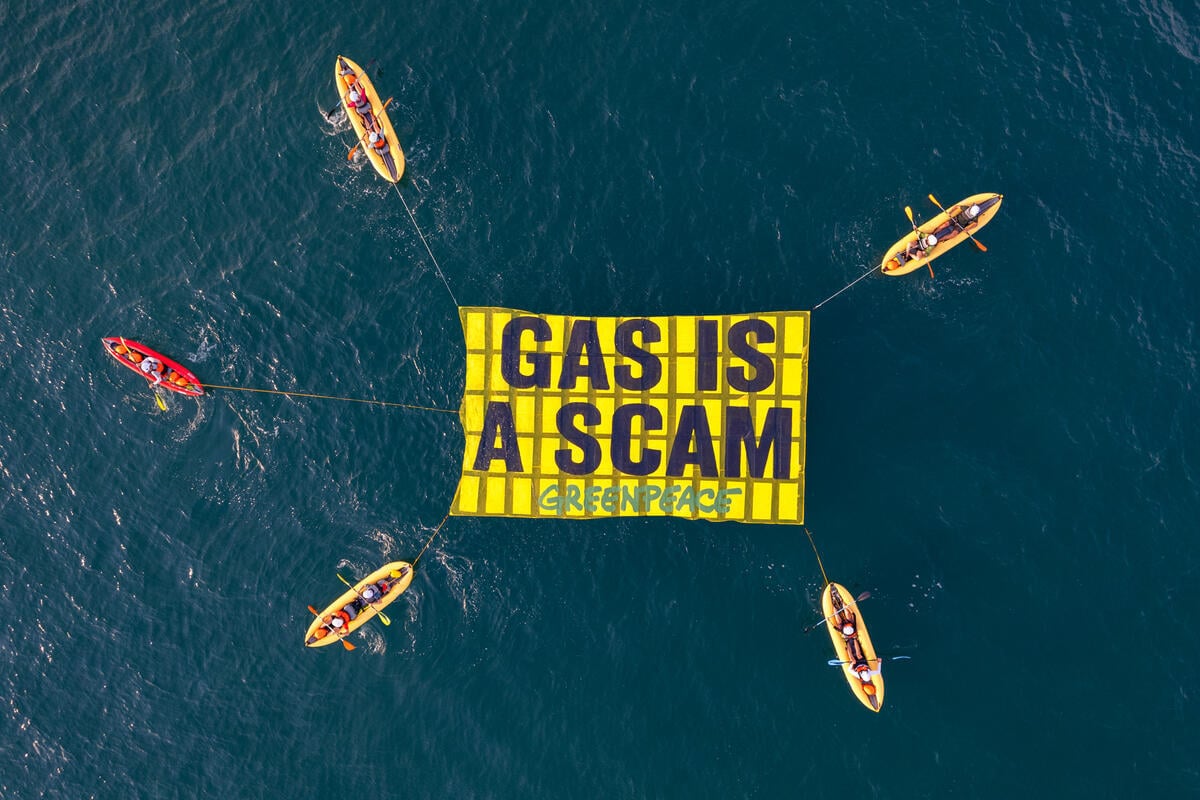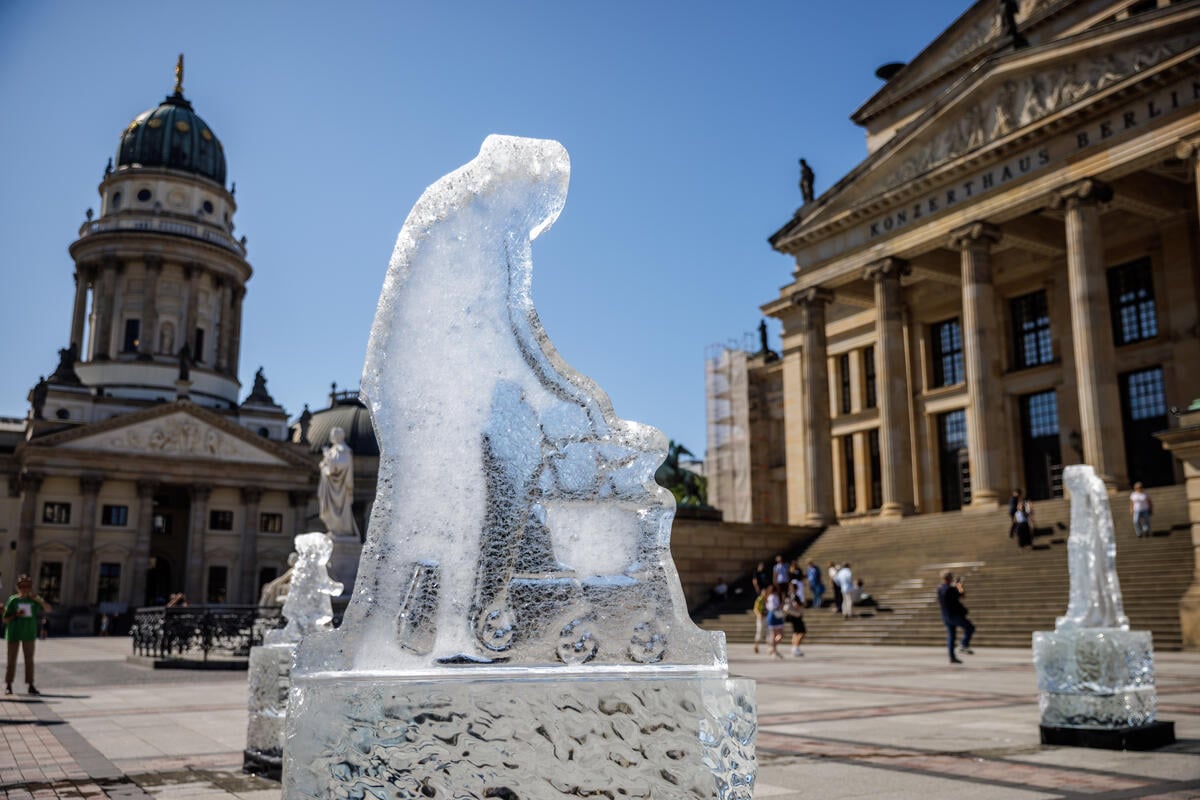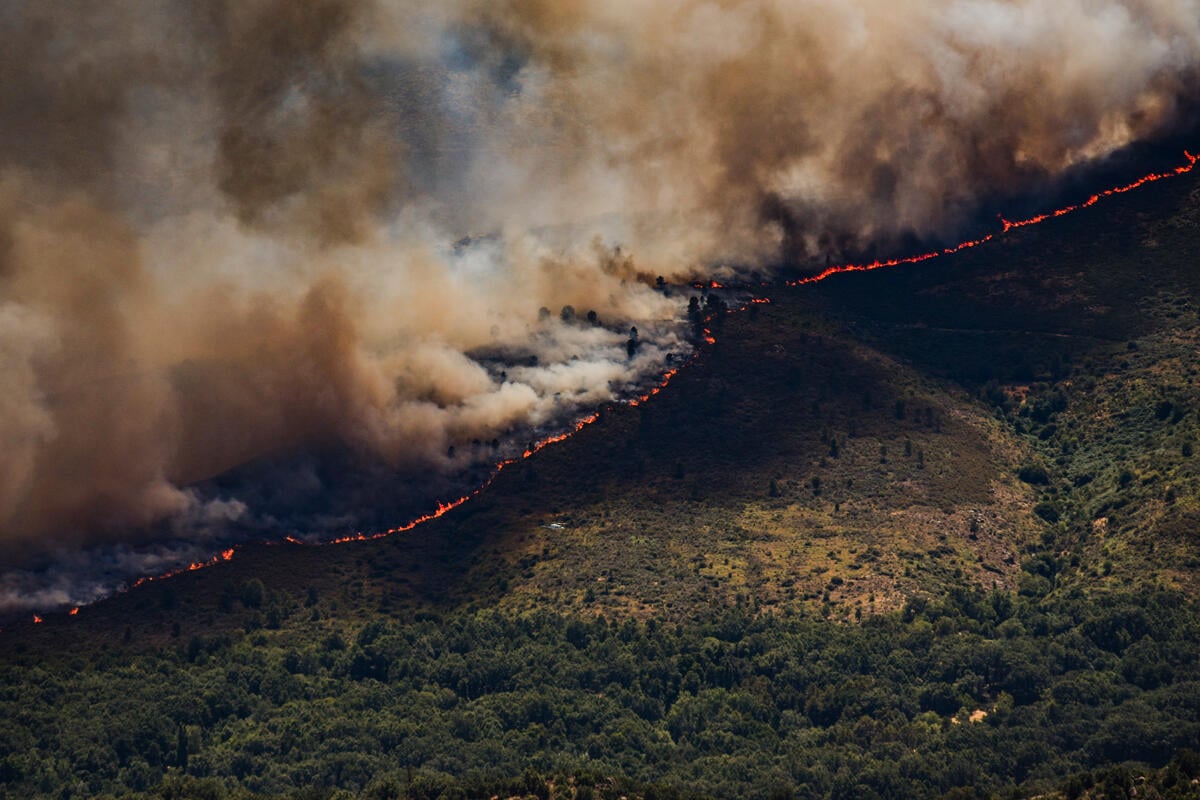
2025 has been yet another year marked by some serious climate emergencies. Throughout the year, we saw irregular weather patterns, back-to-back typhoons, torrential rains, flash floods, forest fires, and polar vortexes — all of which are exacerbated by the fossil fuel-caused climate crisis. These climate disasters have resulted to thousands of people dying, and millions being forced to leave their homes. This is the reality for so many people all around the world, many of whom have contributed the least amount of climate damage.
But the stark contrast to these disasters are the images of courage and hope that we saw year-round: everyday folks rising up against all odds to take charge of their destiny, demanding a better future for all. People from different parts of the world, including Thailand, Sri Lanka, Mexico, Cameroon, Romania, Brazil, the Philippines, and Kenya, have chosen to seek solutions and demand reparations from polluters who have long taken advantage of natural resources, people’s livelihoods, and our collective future. The resilience, bravery, and hope of these people have been the most inspiring, and will fuel the future where we will no longer be taken for granted by the billionaires who only seek to achieve personal gain.
These images fill us with the promise that 2026 will be a continuation of people power; of standing up for our rights and for the next generations. They are a reminder that we need to hold governments and polluting corporations accountable — and that we need the systems to shift towards an equitable and just world where everyone is winning.
Overwhelmed by the sheer volume of images this year, below is a small selection of the most inspiring images of 2025.
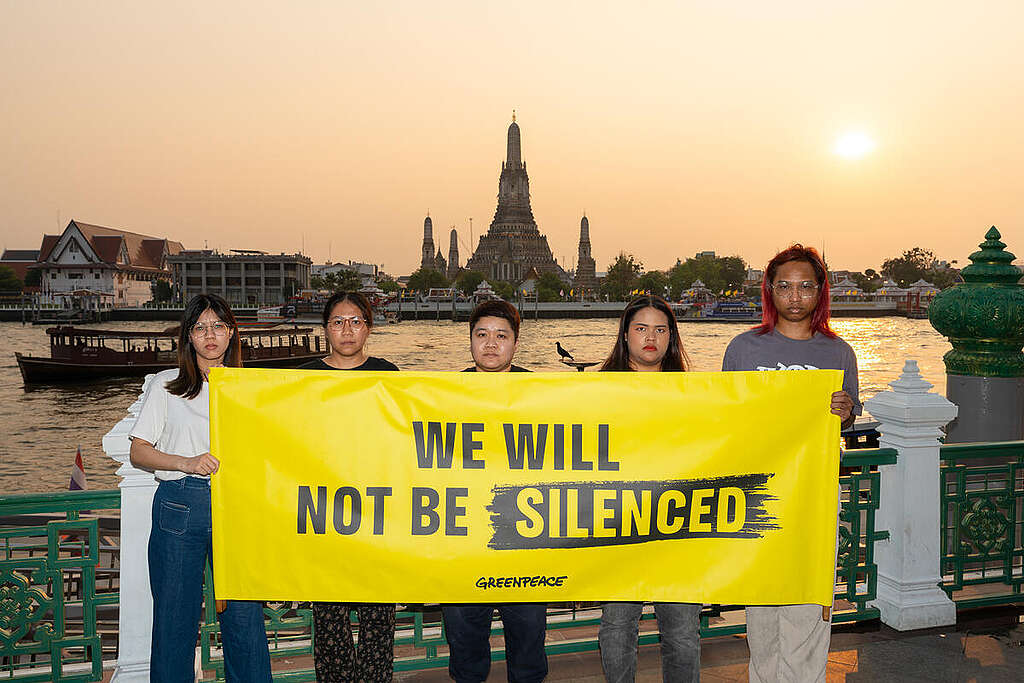
🇹🇭 Thailand: Activists from Greenpeace Thailand gathered at an iconic place in Bangkok, Thailand, to show solidarity with the global movement for climate justice. Holding banners reading “We will not be silenced” and “Stop Big Oil Bullies”, the group called for an end to the intimidation tactics used by fossil fuel companies like Energy Transfer, attempting to intimidate climate activists, journalists, and anyone who dares speak truth to power.
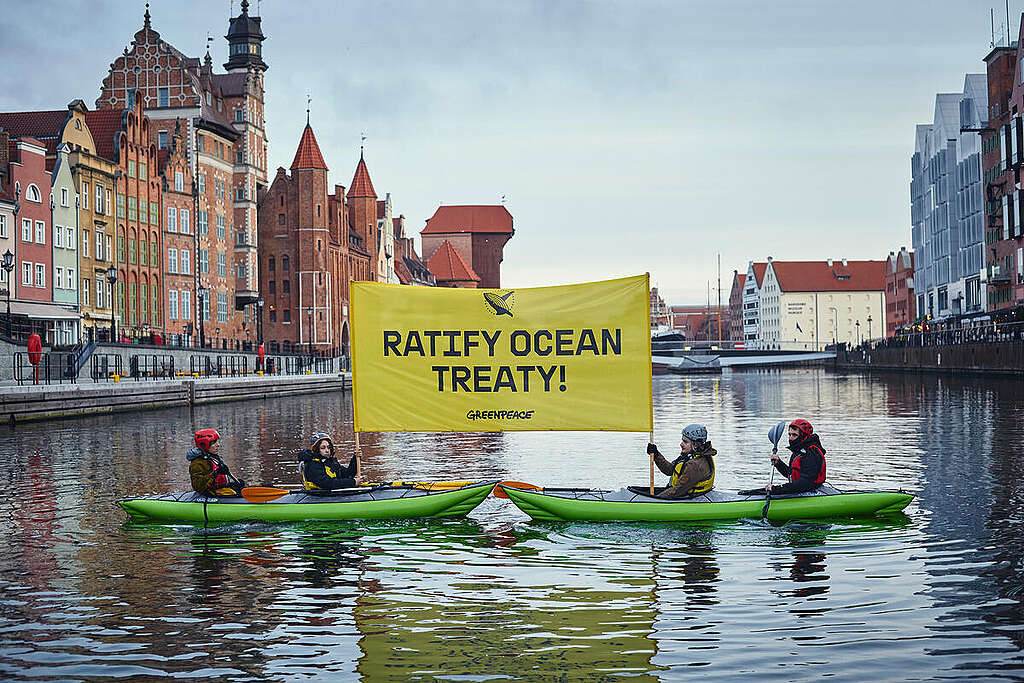
🇵🇱Poland: Greenpeace Poland activists on kayaks in Gdansk demanded an urgent ratification of the Ocean Treaty. For more than two decades, Greenpeace and other civil society organizations have been seeking a Global Oceans Treaty to protect marine ecosystems from harmful industries, the Global Ocean Treaty. More than 60 countries have now ratified the agreement. This is a massive achievement for all the activists, supporters and allies who stood up and raised their voices for ocean protection in recent years.
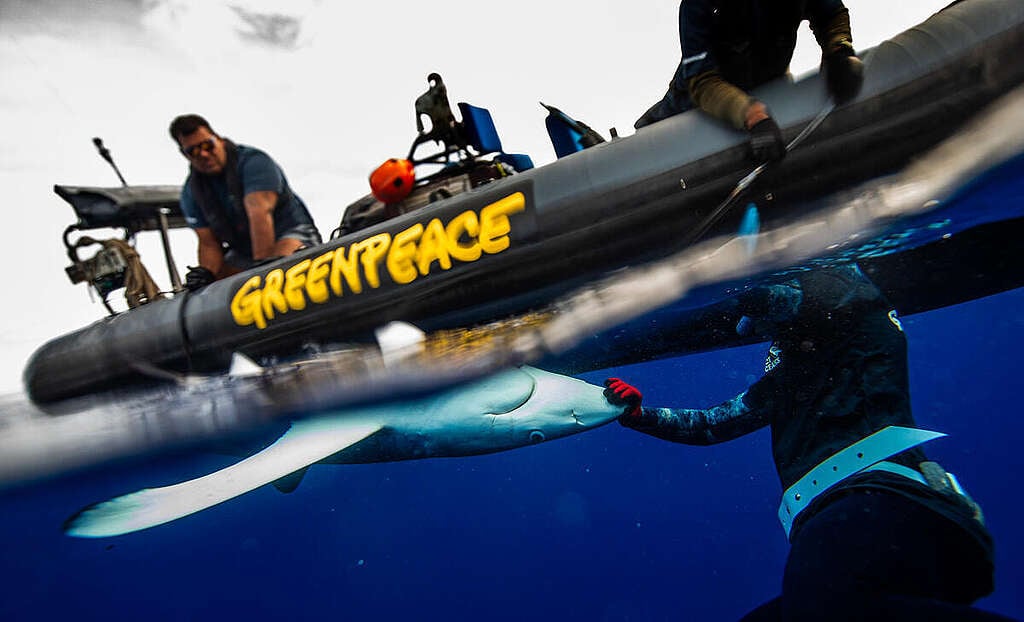
🇦🇺 Australia: A shark handler and Greenpeace RHIB team free a blue shark caught on a longline in the Pacific Ocean. The blue shark is currently listed as “Near Threatened” globally by the International Union for Conservation of Nature (IUCN). Greenpeace Australia Pacific took action to stop an industrial longlining fishing operation in the South Pacific Ocean, seizing more than 20 kilometres of fishing gear and freeing nine sharks, including an endangered mako, near Australia and New Zealand.
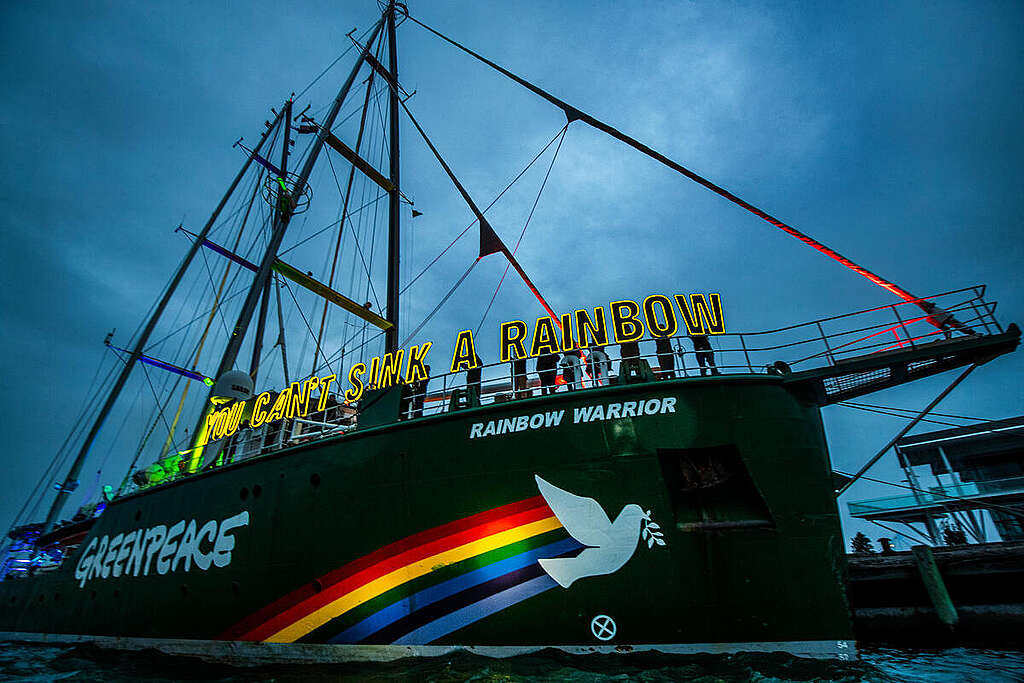
🇳🇿 New Zealand: The Rainbow Warrior is lit up as a “beacon of resistance” in Auckland today on the eve of the 40th anniversary of the bombing of the original Rainbow Warrior by French Government agents in 1985. Twenty crew and Greenpeace Aotearoa staff and volunteers hold letters of light spelling out the iconic phrase, You Can’t Sink A Rainbow.
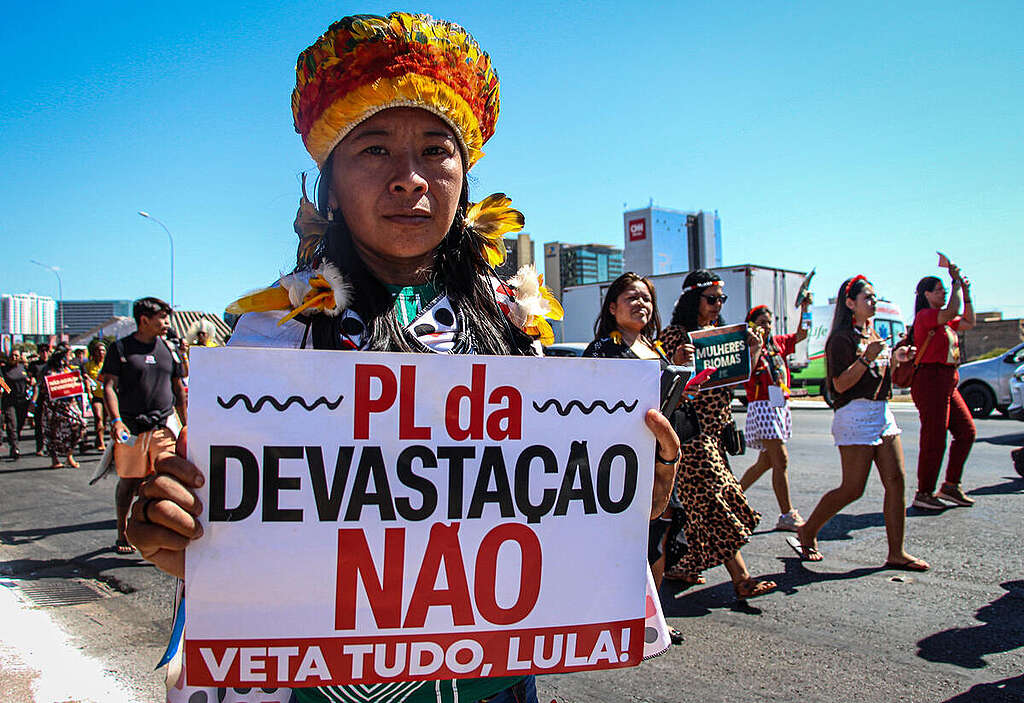
🇧🇷Brazil: Between August 5 and 7, the Greenpeace Brazil Volunteer Team was in Brasília to participate in the 4th Indigenous Women’s March, which this year carried the theme: “Our Body, Our Territory: We Are Guardians of the Planet for the Healing of the Earth.” During the march, we joined forces with Indigenous women from across Brazil, carrying our banner reading “VET IT, LULA” in protest against the so-called “PL da Devastação”, which threatens to weaken environmental licensing and put forests, rivers, and traditional ways of life at risk. We also distributed themed hand fans, which featured information about the Indigenous Women’s House — a crucial initiative that provides shelter and specialized care. This meeting marked a significant step toward advancing public policies that ensure the protection and dignity of Indigenous women.
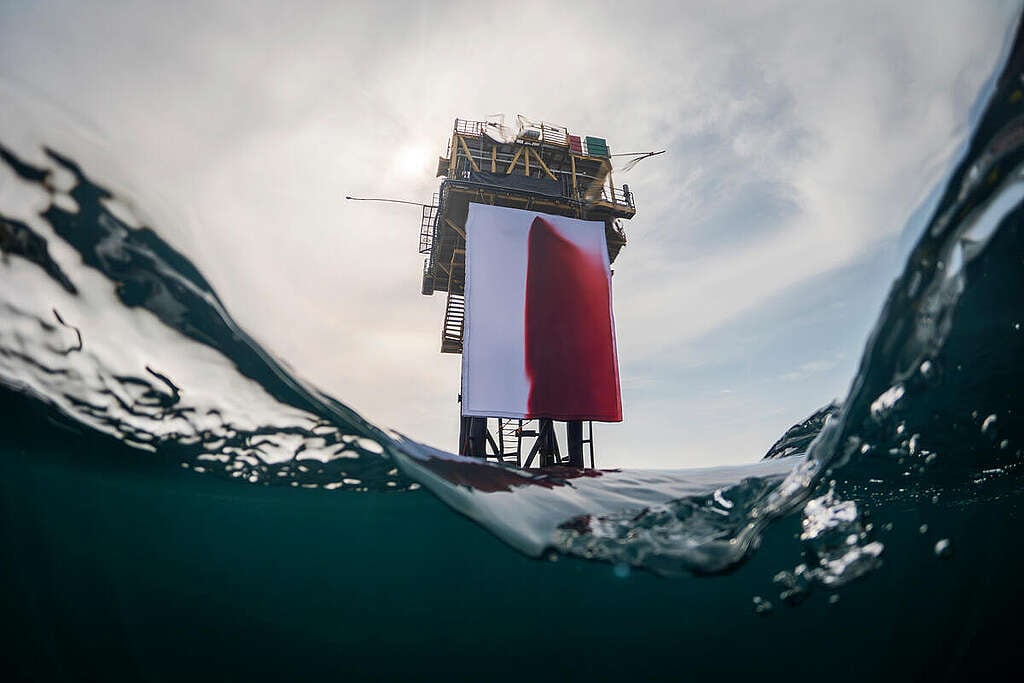
🇬🇧 United Kingdom: Greenpeace UK climbers install a major new work by renowned artist Anish Kapoor titled BUTCHERED onto a Shell platform in the North Sea – the world’s first artwork to be installed at an active offshore gas site. After securing a giant 12m x 8m canvas to one side of the structure, the activists hoisted a high-pressure hose onto the canvas at a height of 16 metres above the sea. They then pumped 1,000 litres of blood-red liquid that gushed into the fabric, creating a vast crimson stain. The work is a stark visualisation of the wound inflicted on both humanity and the Earth by the fossil fuel industry, evocative of our collective grief and pain at what has been lost, but also a cry for reparation.
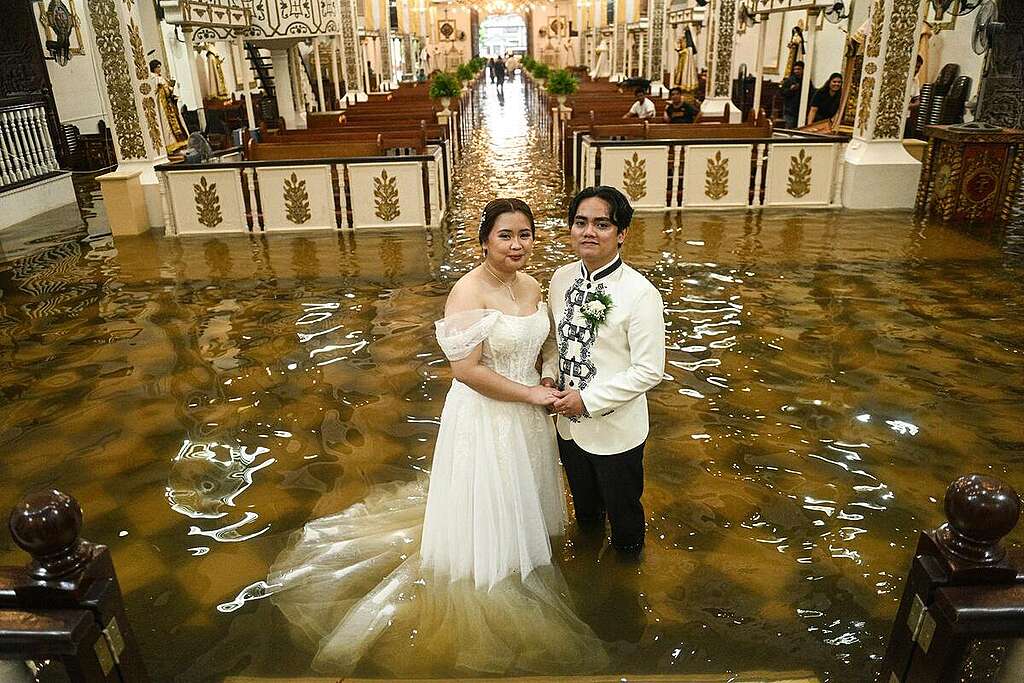
🇵🇭 The Philippines: Impacts of the combined effects of Severe Tropical Storm “Crising” (International name: Wipha) and the southwest monsoon’s torrential rains are being felt across the Philippines—flooding communities like those in Calumpit, Bulacan, and disrupting lives, livelihoods, and even important moments like weddings. Southeast Asia’s extended monsoon season brought in relentless rains in Nepal, Thailand, Vietnam, and Indonesia, causing some of the worst flooding in recent history. Over a hundred people have died in the region, and thousands have been forced to leave their homes.
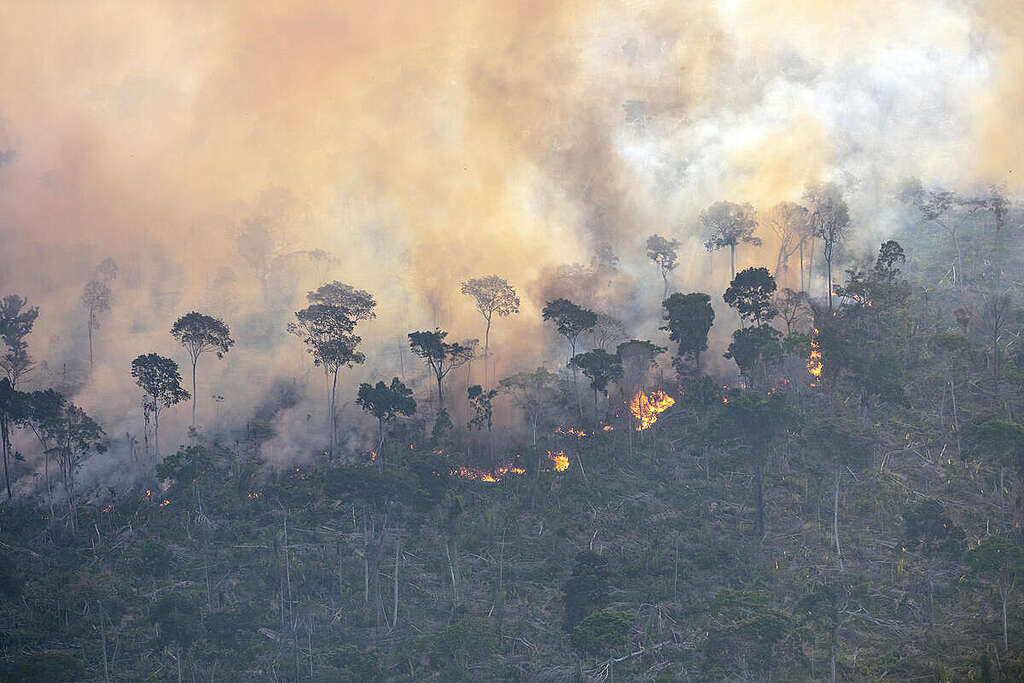
🇧🇷 Brazil: Greenpeace Brazil conducted an aerial survey in the Amazon region to monitor deforestation and forest fires. The flight documented cattle ranches, deforested areas, and environmental destruction. Influencers were invited to participate in the survey, helping to amplify the urgency of protecting the forest by sharing their experiences and reactions.
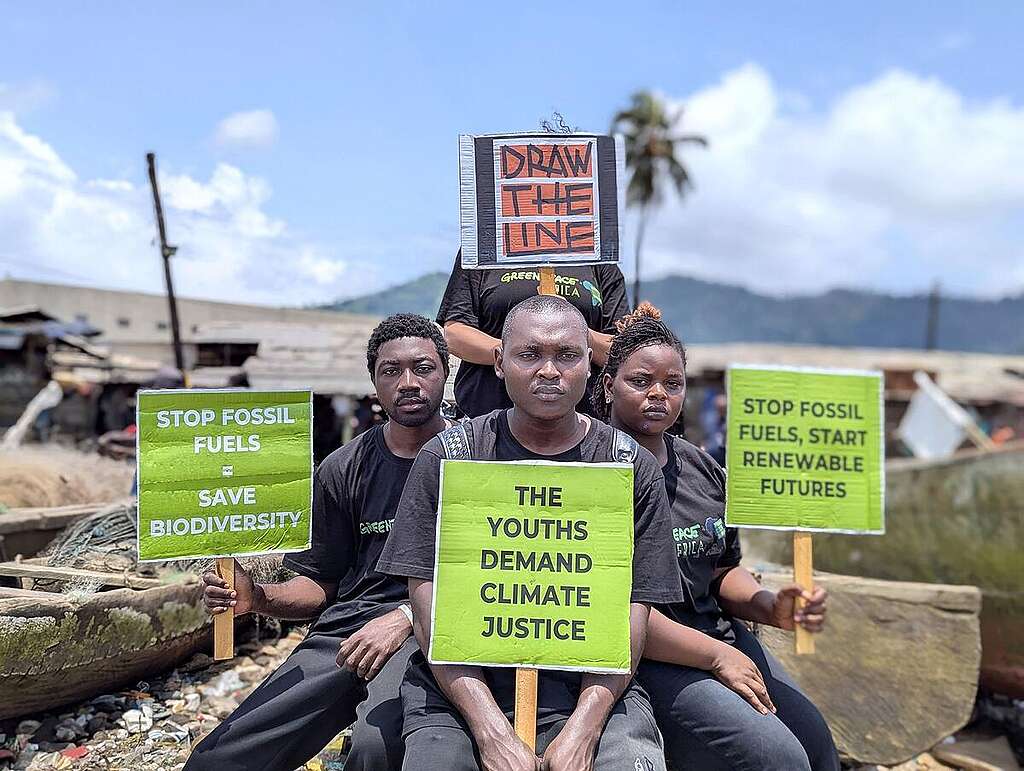
🇨🇲 Cameroon: In Cameroon, Greenpeace Africa volunteers Yaoundé and Buea will contribute through photo-ops, using visual storytelling to highlight environmental injustices and amplify the voices of youth demanding change.
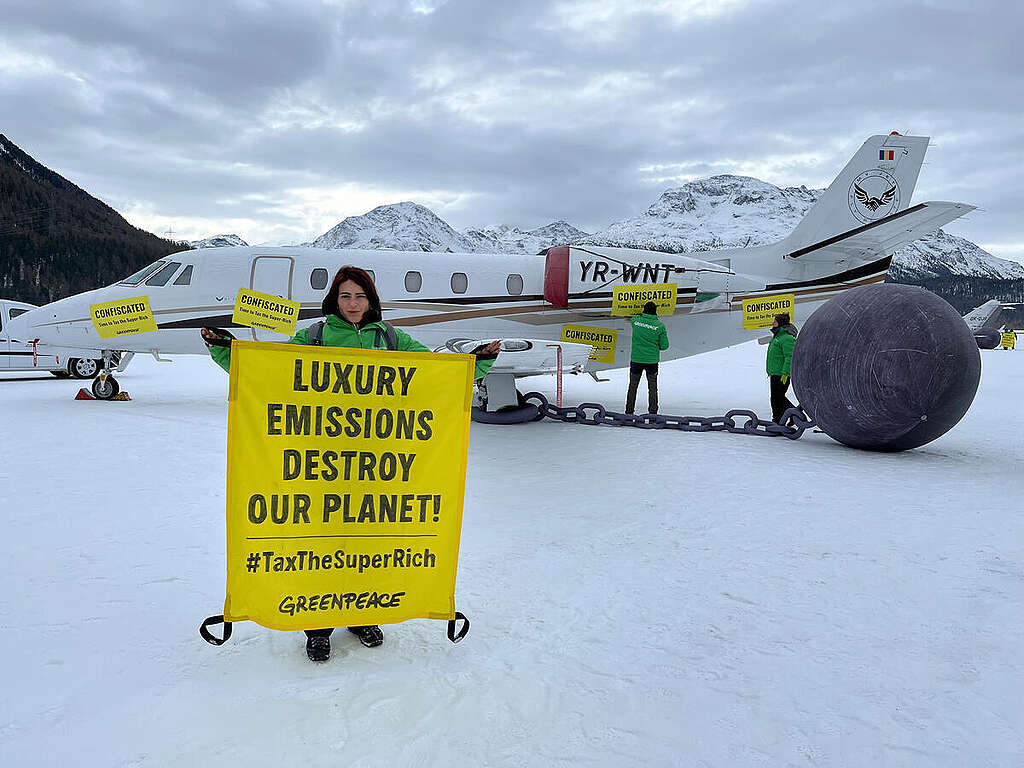
🇨🇭 Switzerland: The peaceful protest marks the last in a series of creative interventions calling on policymakers to tax the super-rich, who represent 1% of the world’s population, and redirect tax revenues towards affordable green housing, public transportation, and climate and environmental action, to support communities and protect the planet.
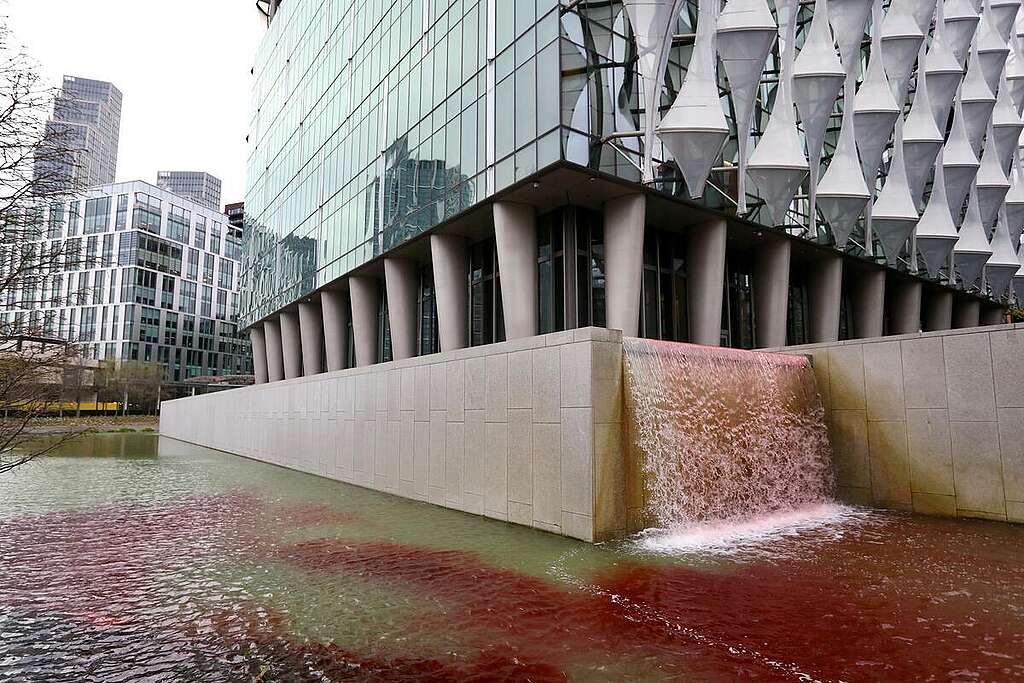
🇬🇧 United Kingdom: Greenpeace UK activists pour 300 litres of blood-red dye into the US Embassy pond in London, to highlight the death and devastation caused in Gaza as a direct result of the US’ continued sale of weapons, ammunition and military hardware to Israel. Twelve activists tipped the non-toxic, biodegradable dye from containers emblazoned with the words ‘Stop Arming Israel’ into the large pond located in front of the embassy building in Nine Elms, south-west London.
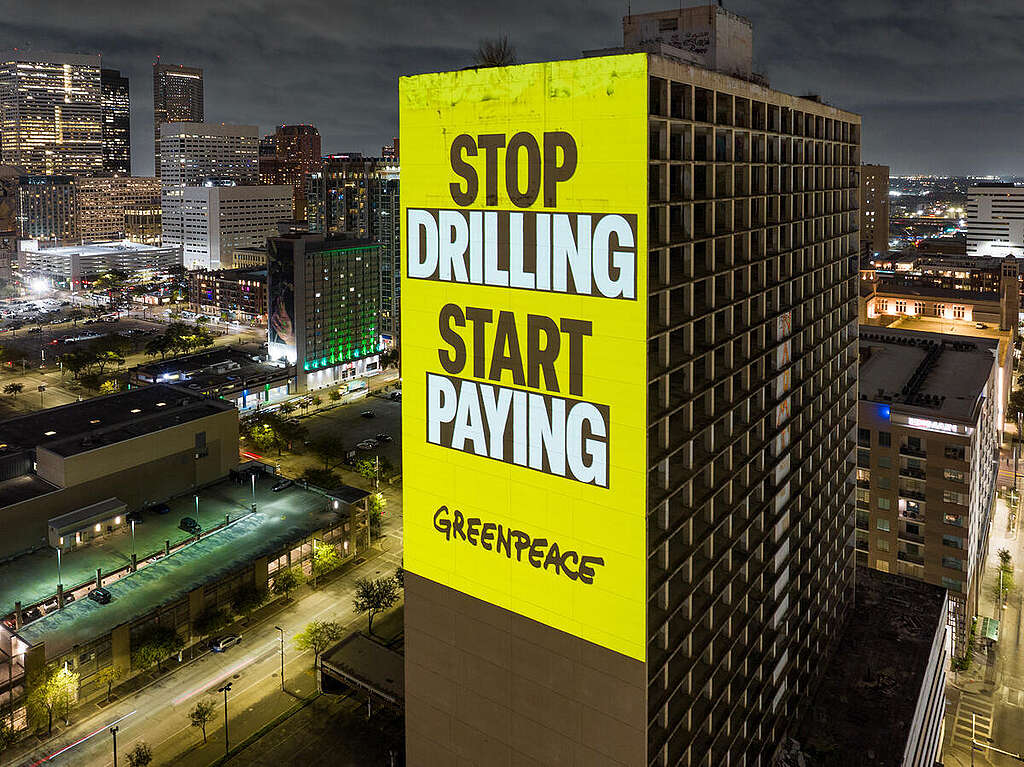
🇺🇸 United States of America (USA): A bold “Make Polluters Pay” projection lit up Houston during CERAWeek—the fossil fuel industry’s so-called “Super Bowl”—calling out Big Oil for its central role in driving the climate crisis. The campaign demands that the industry not only be held accountable for past damage, but also be forced to fund the costs of preparing our communities for the escalating impacts of climate change.