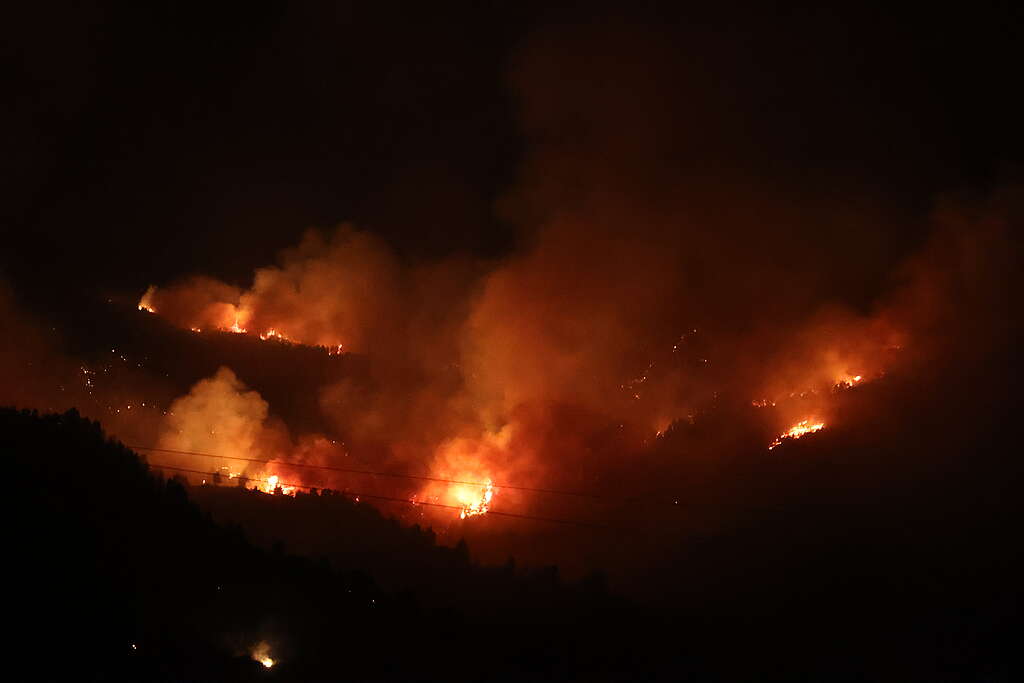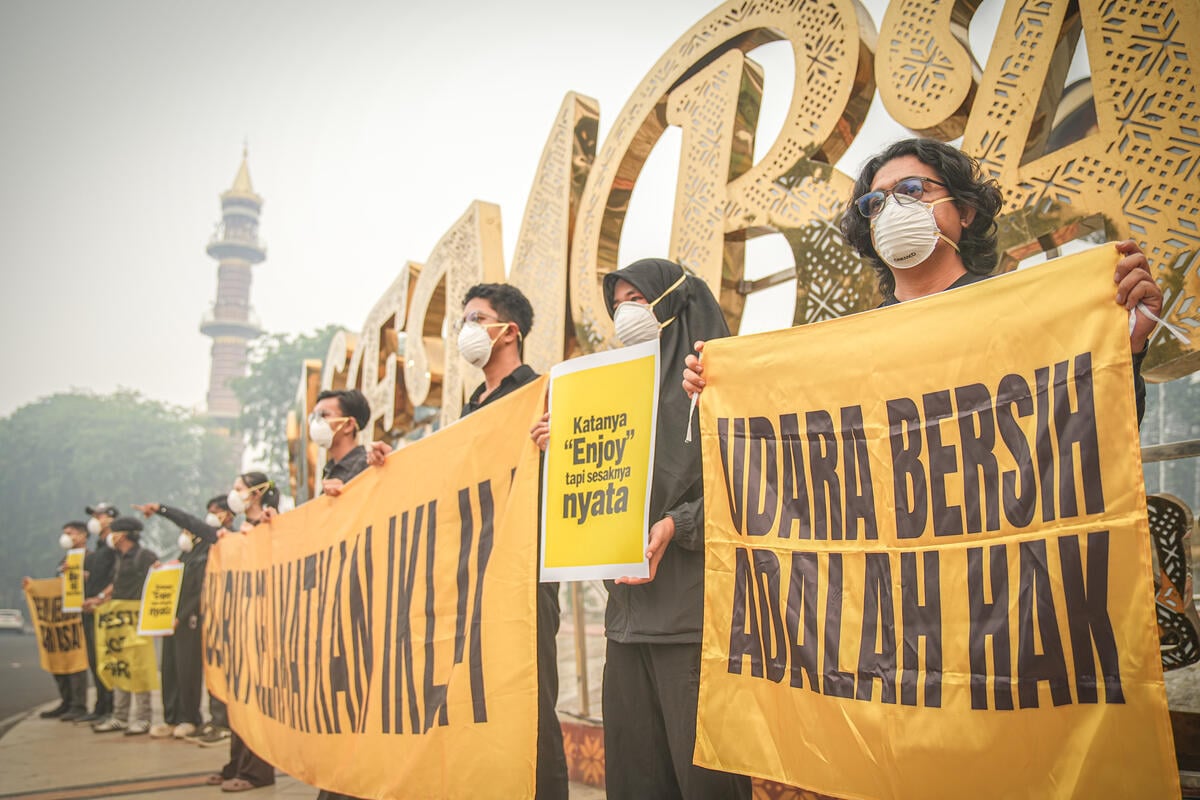
We have just witnessed some of the hottest months on record as the climate continues to heat up. The trauma of watching massive forest fires, flash floods, and super typhoons is horrifying, to say the least. The horror of huge forest fires in Spain, France, Greece, Germany, Canada, and now Indonesia is an alarm bell we all need to wake up to. The frequency of super typhoons bringing destruction to China, the Philippines, and Japan is another form of extreme weather patterns that scientists have warned us about for years.
If this was not enough, we also witnessed flooding in India, Pakistan, Afghanistan, Hawaii (USA), South Korea, China, Japan, and Peru. Parts of North Africa, including Morocco, have faced back‑to‑back heatwaves on top of drought, with temperatures reaching 44 to 46°C in provinces from Marrakech and Beni Mellal to Laayoune and Dakhla.
All of this happened even before El Niño was expected to intensify toward the year’s end. The full impact could potentially be much worse than what happened so far.
While so much of the destruction of nature and human life is happening every week, too many of our governments are acting without the urgency this crisis demands. There is still a huge emphasis on making more profits, including more oil exploration and continued wars, combined with insufficient action towards addressing the core issue of climate change. In fact, some countries, are still rusted on to a ‘drill, baby, drill’ approach, but there there are also many others that are ready to plan for and implement a transition away from fossil fuels.
So there is a tendency to get distracted and forget about the consequences of our mistakes. That is why we document these climate emergencies so we can do our best not to repeat them in the future. This blog is an attempt to record the results of the combined inaction of our governments and the race to preserve this beautiful planet.
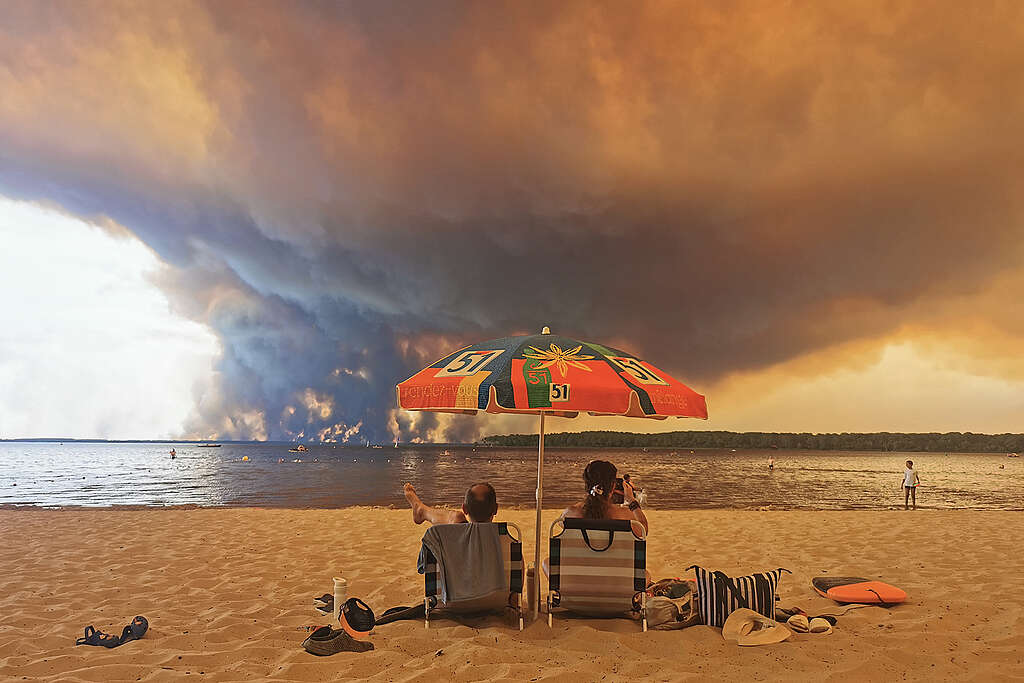
🇫🇷 France: The wildfires affected France, particularly in the north and south of the country, burning 115,000 hectares. The wildfire season was classified as the worst in the country since 1949. Beachgoers sit on the beach of Moutchic in Lacanau, southwestern France on July 24, 2026, as clouds of smoke rise into the sky from a wildfire. The fire raged in the northern part of the Arcachon Basin in Gironde, southwest France.
🇪🇸 Spain: The forest fire burned 25,000 hectares across Madrid and neighbouring Avila province, forcing more than 60,000 people (a downwardly revised figure) to flee their homes, according to authorities, who labelled the fire the “worst in history” for the Madrid region.
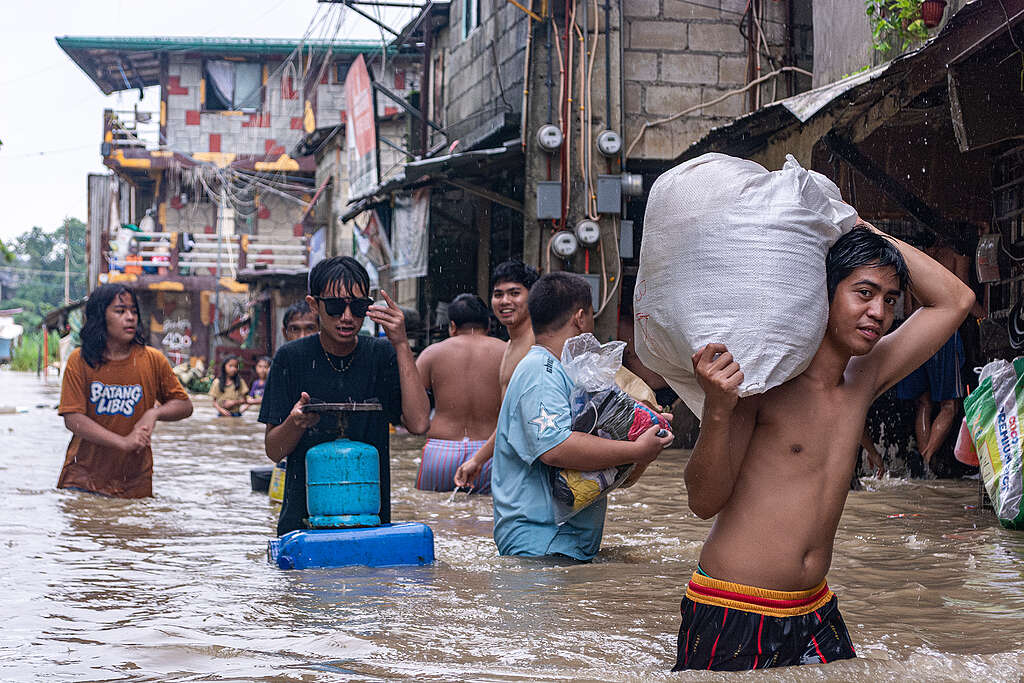
🇵🇭 Philippines: Tropical cyclones and monsoon rains sweeping across the Philippines triggered widespread floods. Residents were evacuated to higher ground with their belongings in Barangay Sta Ana, San Mateo, Rizal, Philippines, on 17 August 2026.
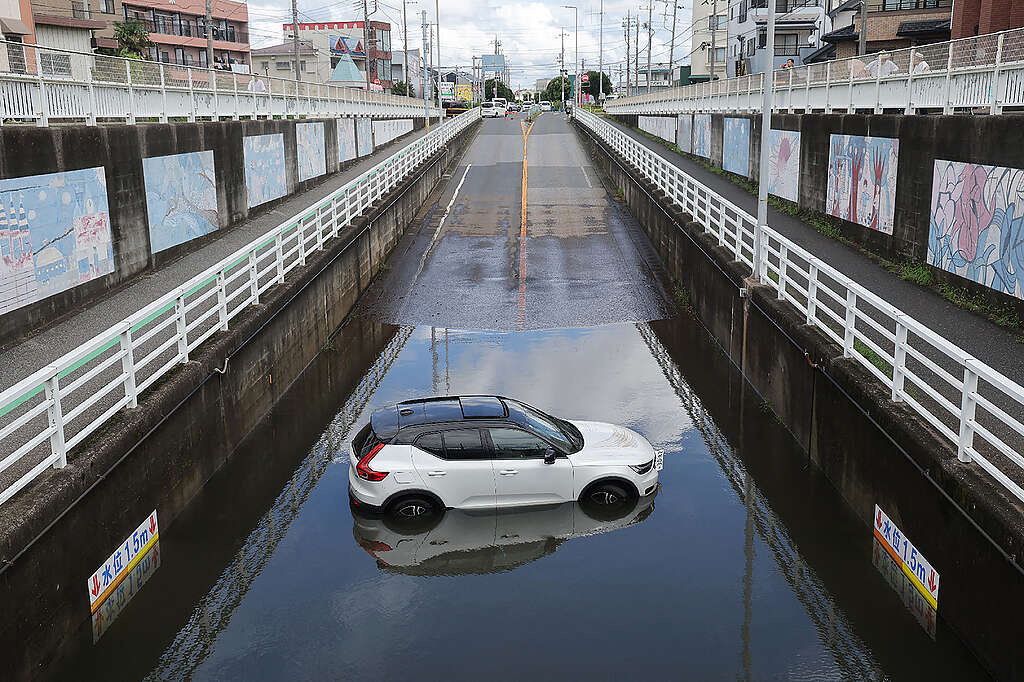
🇯🇵 Japan: Unprecedented heavy rain in Japan claimed the lives of 8 people, leaving thousands at Narita airport and cutting power to more than 20,000 households in Chiba prefecture.
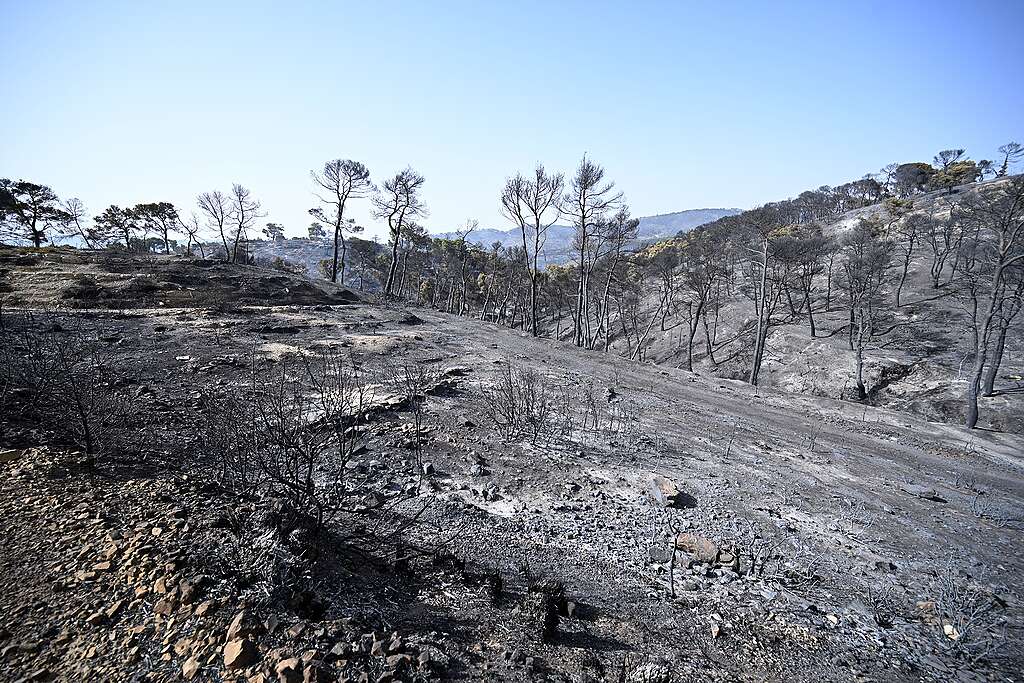
🇹🇳 Tunisia: Ash and the remains of destroyed trees as fires ravage the forests of Sakiet Sidi Youssef in the Kef region, near the border with Algeria on 24 July 2026. At least 900 fires broke out in Tunisia over 72 hours, as the country grapples with an intense heatwave. Firefighters battled two major blazes, one of them in the northwestern region of Sakiet Sidi Youssef.
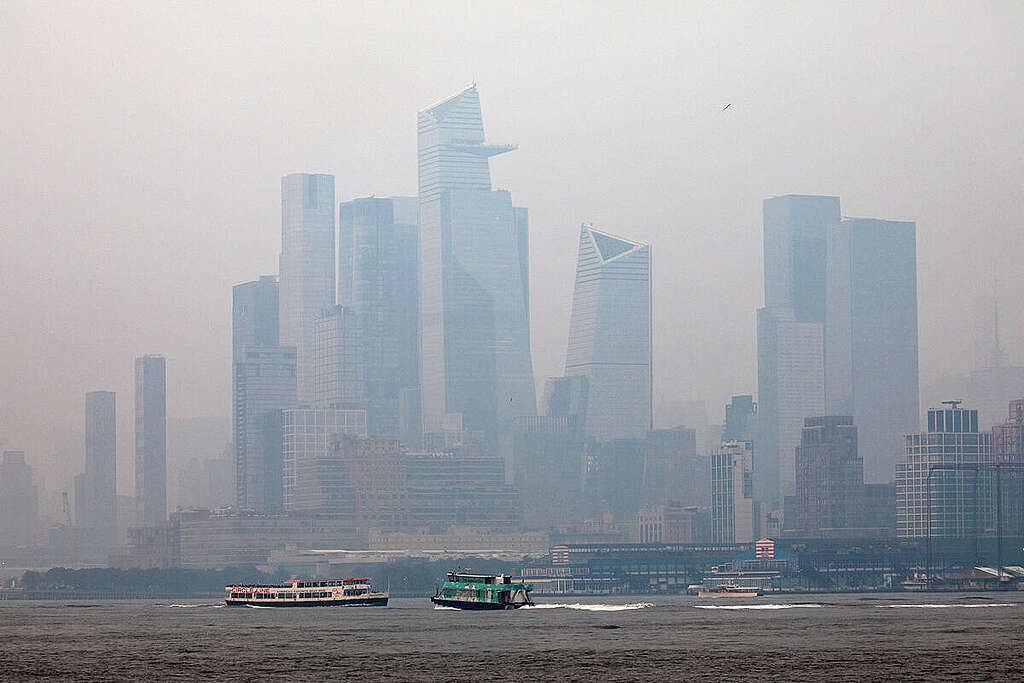
🇺🇸 United States of America: All of New York State, including New York City, and parts of New Jersey are under an Air Quality Advisory due to the smoke from more than 100 wildfires burning in Canada. The Tri-State is seeing visible smoke and hazy skies across the state and spikes in smoke-related pollution. Fine particle pollution from wildfire smoke can cause shortness of breath, coughing, dizziness, or fatigue, and can aggravate heart and lung diseases and other chronic health issues.
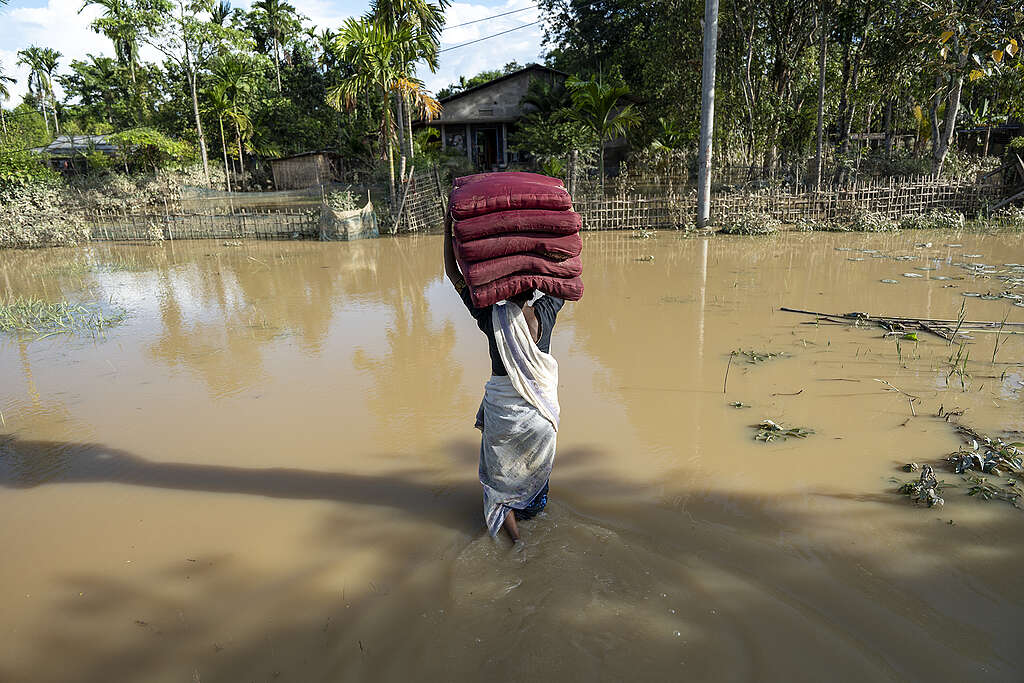
🇮🇳 India: The flood situation in Assam, India, turned critical as it claimed 80 lives, displacing about 2 million people across 200 villages.
🇩🇿 Algeria: As firefighters work to put out a wildfire in Bordj Okhriss, located approximately 150 km southeast of Algiers. For several days, Algeria has been facing a wave of exceptionally intense wildfires.