Please select which cookies you are willing to store.
Necessary Cookies (required) Always enabled
These cookies are required for technical reasons so that you can visit our website and use the functions we offer. These cookies are used to recognise you between successive visits and thus provide you with a better experience, storing your consent preferences and the last Greenpeace.org website visited.
We use tracking and analysis tools to ensure continuous optimisation and demand-oriented design of our website. These cookies will allow us to collect statistical and anonymised data, such as how visitors use our website or which pages are accessed most frequently, to ultimately improve Greenpeace.org and provide you with a better experience of our website.
In addition to the Performance cookies mentioned above, we may also place in your browser cookies from third-party services (e.g. Facebook or Google) to track the effectiveness of our online marketing strategies and to deliver adverts more relevant to you and your interests. These cookies may also be used to serve advertising to you after you have left our site (retargeting cookies).
Hundreds of people stranded on a beach with fires raging in the background. Millions of hectares of the forest turning into ashes overnight. The loss of about a billion wildlife in just a few months.
All of these tragedies point to an emergency, a serious climate emergency, so let’s not shy away from accepting or responding to it. We have gone way past the discussion stages, and actions need to happen immediately and quickly.
Have a look at these images below. They bear witness to the large-scale catastrophe that has been happening during the last few months in Australia.
Australians on January 5 counted the cost from a day of catastrophic bushfires that caused “extensive damage” across swathes of the country and took the death toll from the long-running crisis to 24.
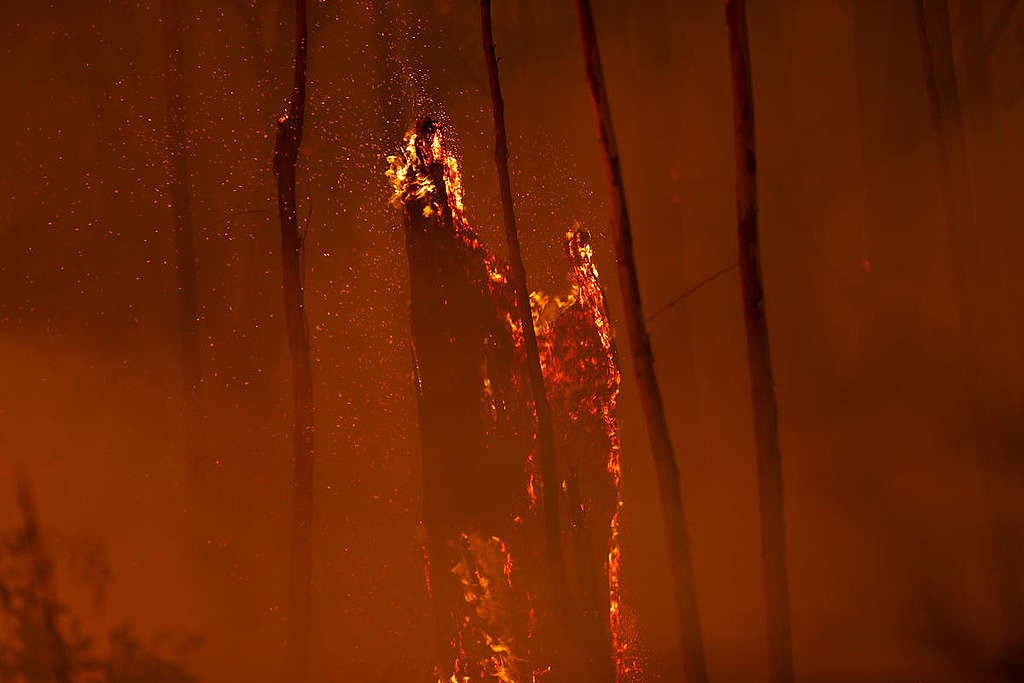
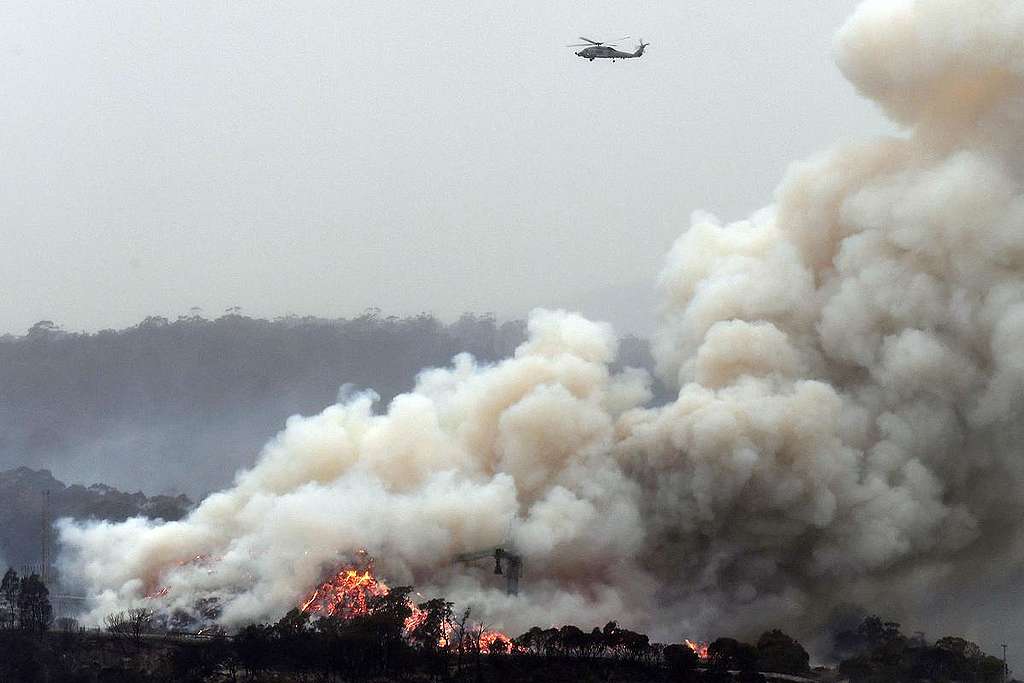
Bushfires burn between the townships of Bemm River and Cann River in eastern Gippsland on January 02, 2020, Australia. The HMAS Choules docked outside of Mallacoota this morning to evacuate thousands of people stranded in the remote coastal town following fires across East Gippsland which have killed one person and destroyed dozens of properties.
Thick smoke from bushfires fills the air in eastern Gippsland on January 02, 2020, Australia. The HMAS Choules docked outside of Mallacoota this morning to evacuate thousands of people stranded in the remote coastal town following fires across East Gippsland which have killed one person and destroyed dozens of properties.
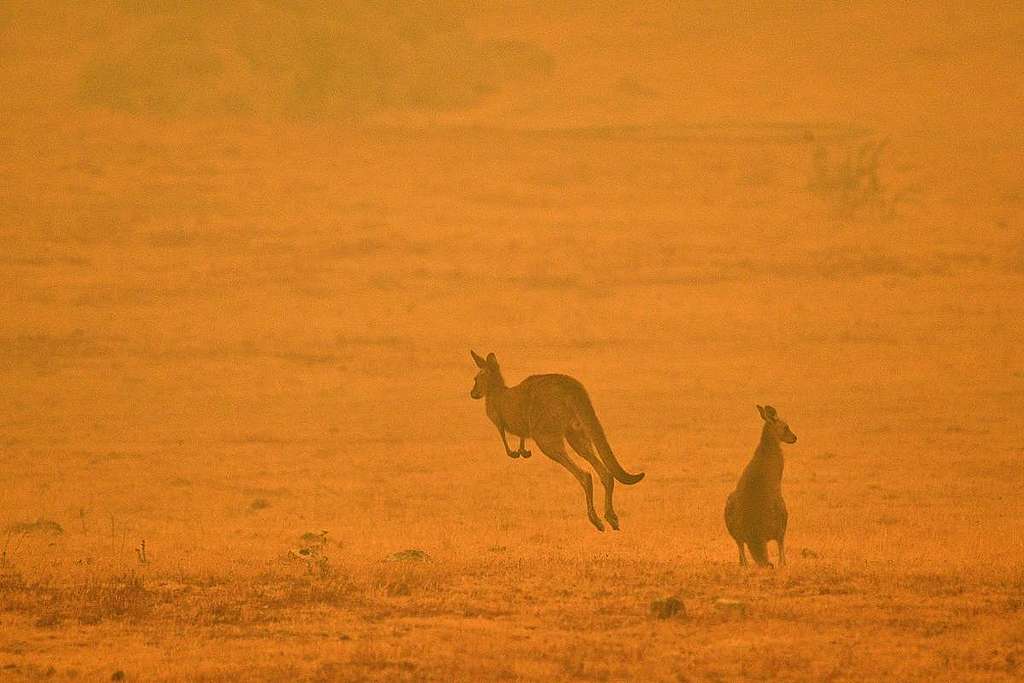
A kangaroo jumps in a field amidst smoke from a bushfire in Snowy Valley on the outskirts of Cooma on January 4, 2020. – Up to 3,000 military reservists were called up to tackle Australia’s relentless bushfire crisis on January 4, as tens of thousands of residents fled their homes amid catastrophic conditions.
A state of emergency is in place across NSW as firefighters work to contain multiple fires, 13 of which are at emergency level. Prime Minister Scott Morrison on Saturday announced that army reservists were being called up to help with firefighting efforts across Australia, along with extra ships and helicopters. 13 people have died in the fires in NSW, Victoria and South Australia since New Year’s Eve.
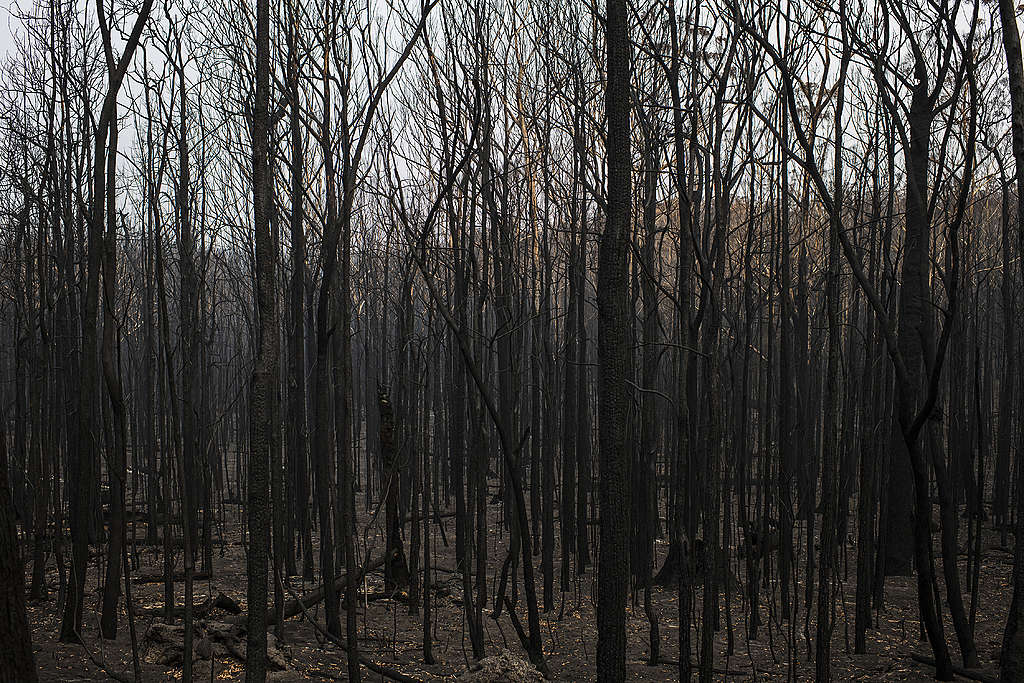
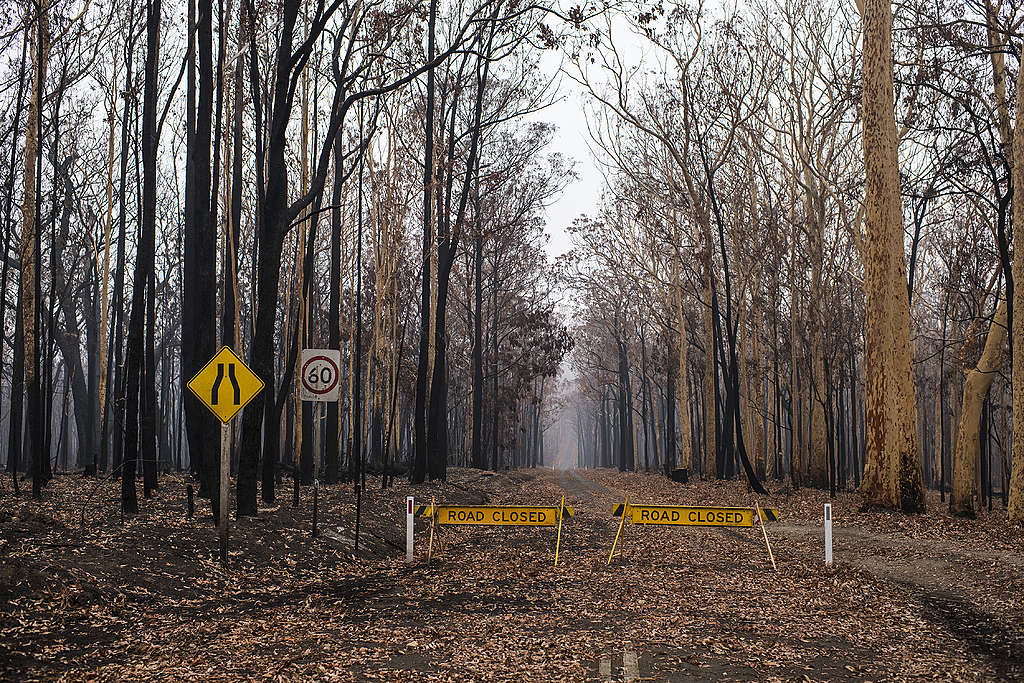
A signing warning of the presence of kangaroos in burnt-out bush in Conjola Park, on the New South Wales south coast, after the area was decimated by bushfire on Saturday, January 4.
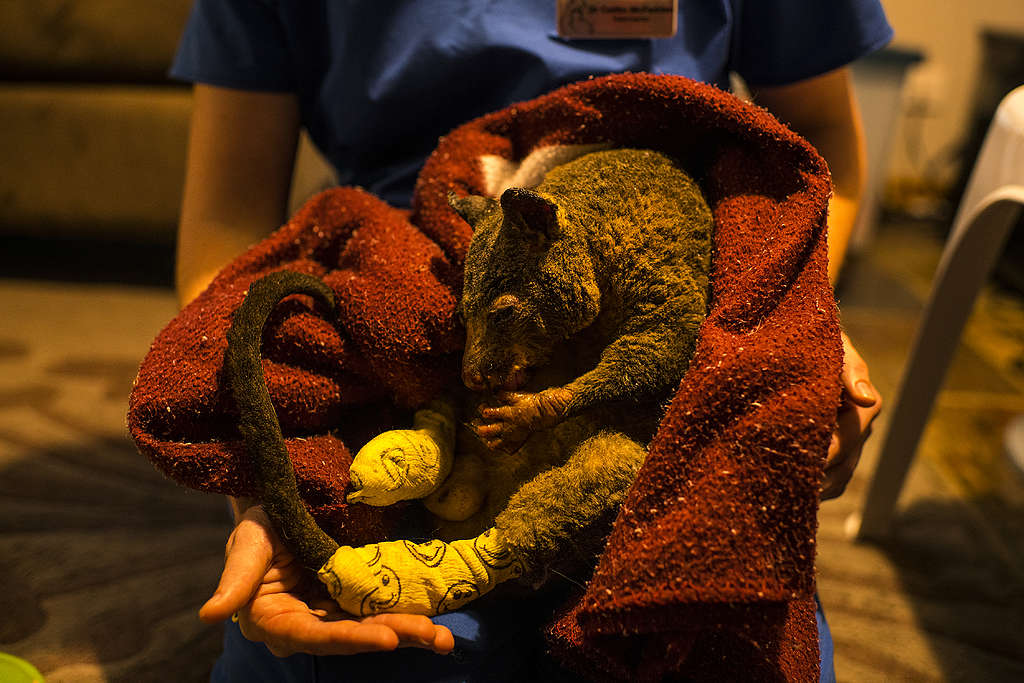
Dr Caitlin McFadden, a local veterinarian from the nearby Milton Veterinary clinic with a Brush tail possum badly burned by bushfires on Saturday January 4 that she takes home from the clinic to care for each night. She names the possum Ambo, after the paramedics who rescued him from burnt-out bush in the days following the firestorm.
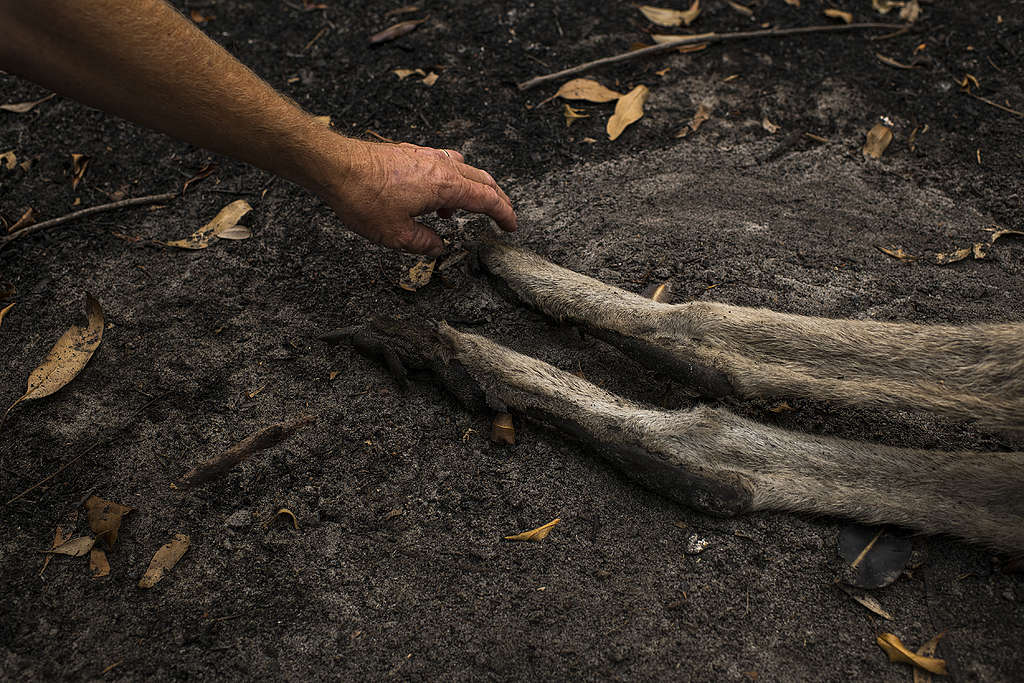
A kangaroo that was euthanised by a local wildlife rescue volunteer who requested to be identified only as Trev, with burnt pads on its hind legs caused by bushfire in Conjola Park, on the New South Wales south coast, after the area was decimated by bushfire on Saturday January 4. Before being euthanised, it was assessed that the kangaroo was too badly injured to recover from its injures, which would likely become infected, causing a slow, painful death.
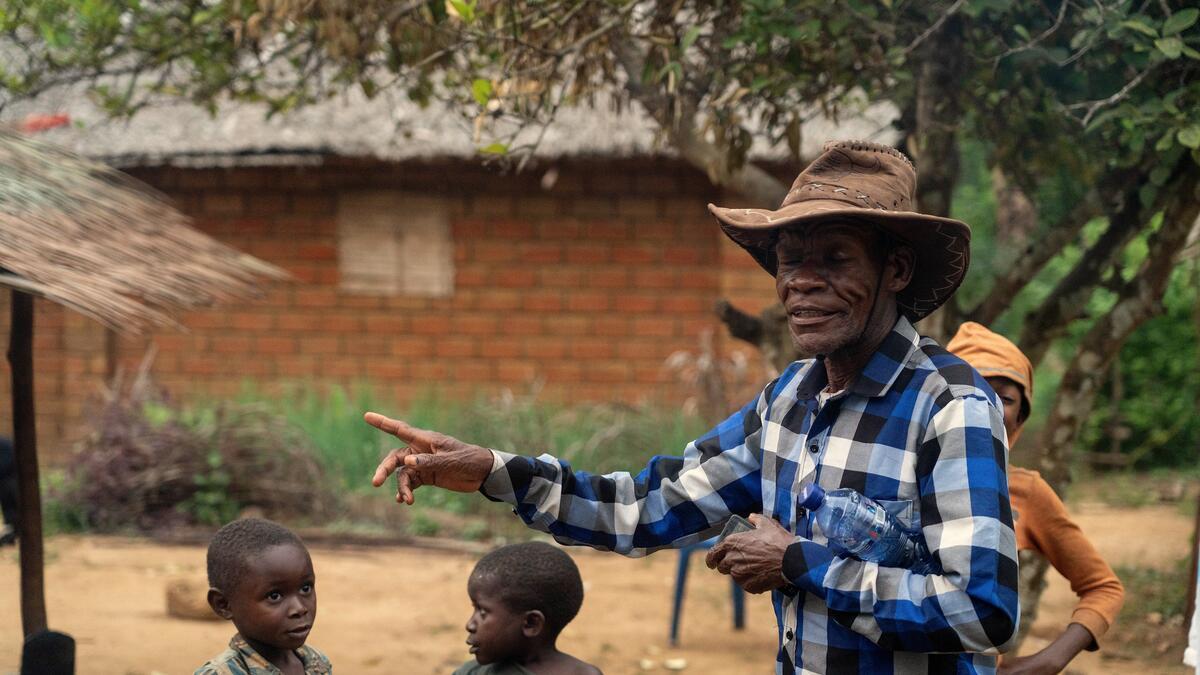
“Indigenous and Traditional Territories must be recognised on their own terms, rather than communities being forced into conservation models that do not reflect their rights, governance systems, or choices."
The forest of the Congo Basin did not wait for international conferences to be protected. It has been safeguarded for generations by the people who live within it. Indigenous Peoples are not the past. They are an essential part of the forest’s future.