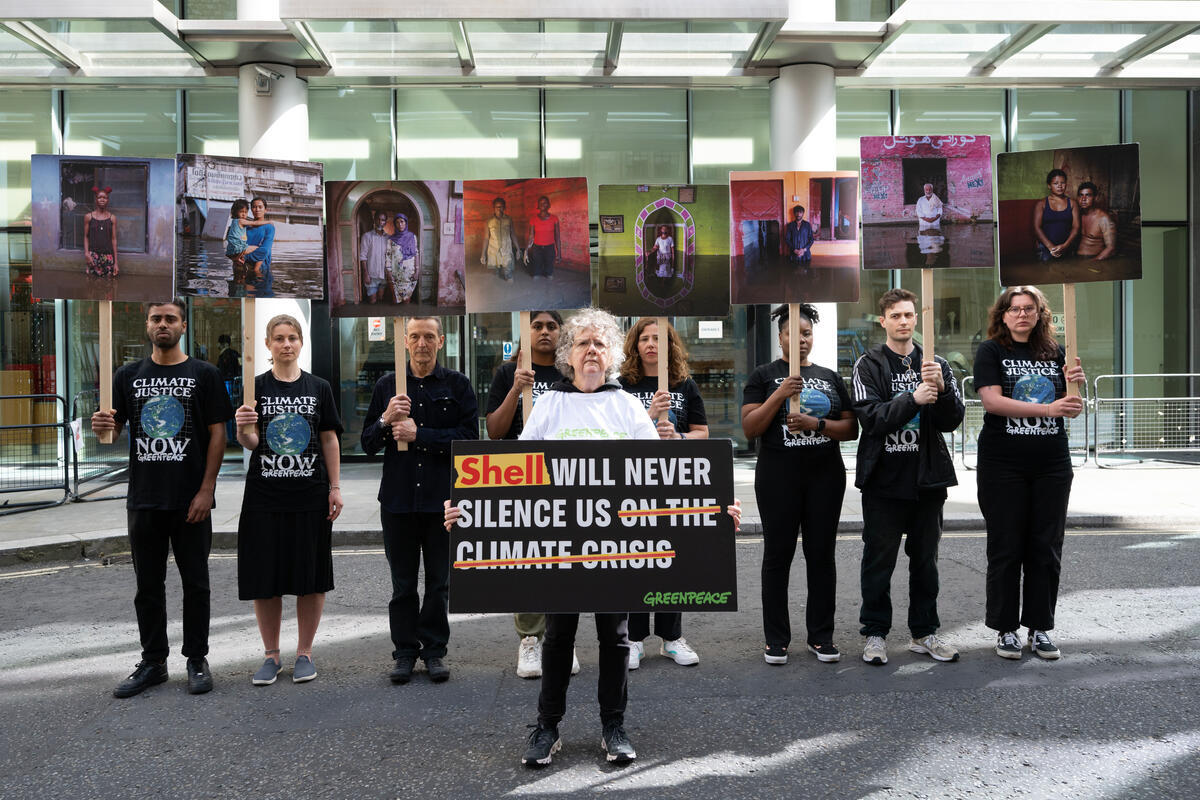

A group of Torres Straits Islander people win a historic legal case against the Australian government for climate inaction, the EU votes in a new law to help tackle deforestation and Colombia ratifies an agreement that would help environmental defenders – these are just some of the good news stories for this month.
European Union – Parliament demands companies ensure that products sold in the EU do not come from deforested or degraded land
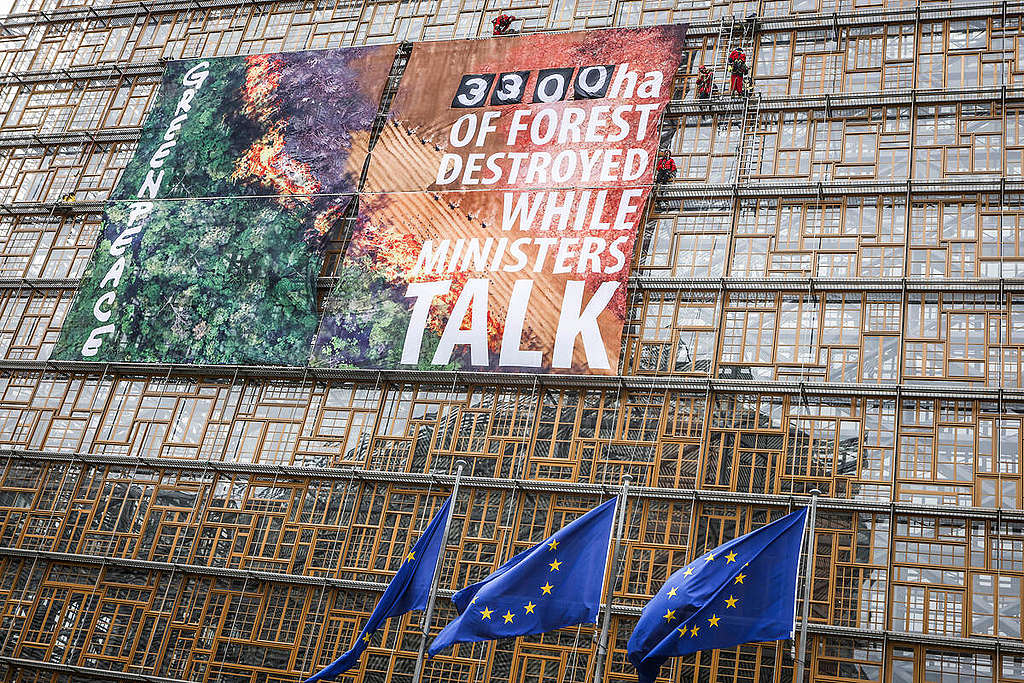
The European Parliament voted in September in favour of a regulation requiring companies to ensure products sold in the EU do not come from deforested or degraded land, and to verify that the goods respected human rights provisions and Indigenous Peoples.
The initial list, which included cattle, cocoa, coffee, palm oil, soya, and wood now also covers pigmeat, sheep and goats, poultry, maize, rubber, charcoal, and printed paper products.
According to a WWF report, European Union countries are responsible for 17% of tropical deforestation linked to internationally traded commodities like meat, rubber, palm oil or soy.
Now the only thing standing in the way of ending Europe’s complicity in forest destruction is national governments covering for destructive companies. The fight isn’t over yet, but we’re a major step closer!
Colombia – Ratification of the Escazú Agreement to protect environmental defenders
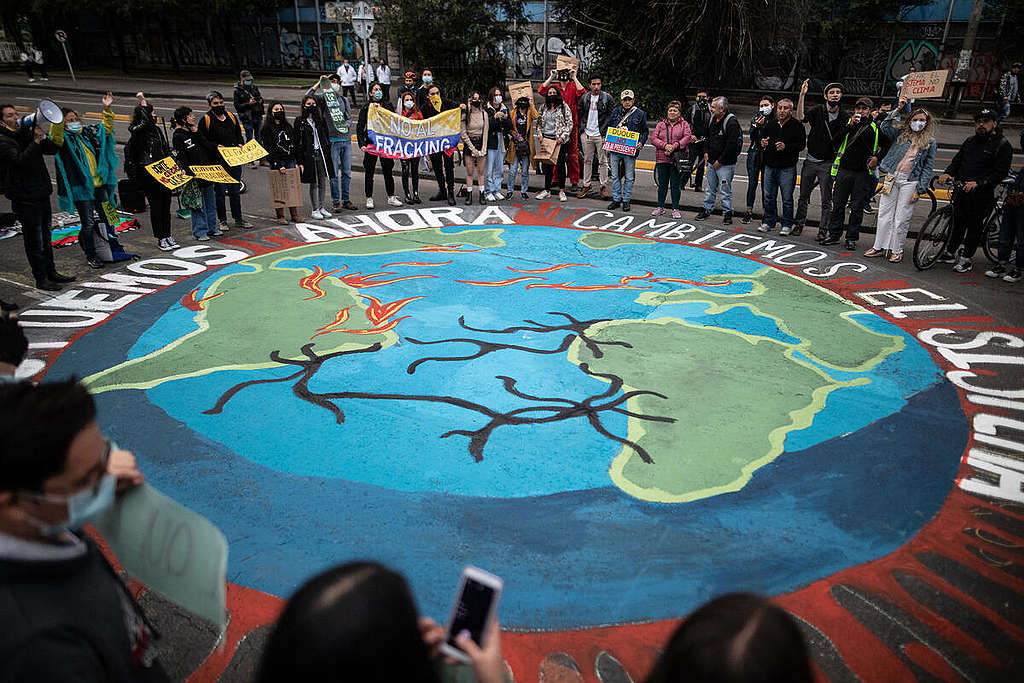
Greenpeace Colombia celebrated the ratification of the Escazú Agreement, the first treaty that seeks to protect environmental defenders and prevent environmental conflicts. Supporters have hailed it as an important step for the environment and human rights, but urges for urgent implementation and application of its standards in public policy.
Adopted in Costa Rica in March 2018, the Escazú agreement includes provisions to ensure the public’s right to environmental information, the right to participation in environmental decision making, and also to protect environmentalists.
This is a triumph for the thousands of people and organisations that have worked for years to demand the signing and ratification of the Escazú Agreement. Colombia calls on the government to implement concrete measures that provide solutions to the main socio-environmental conflicts in the country: a plan to face deforestation and protection of the Amazon as a priority and the effective protection of environmental defenders.
Australia – UN Human Rights Committee rules climate change effects violate Torres Strait Islanders’ rights
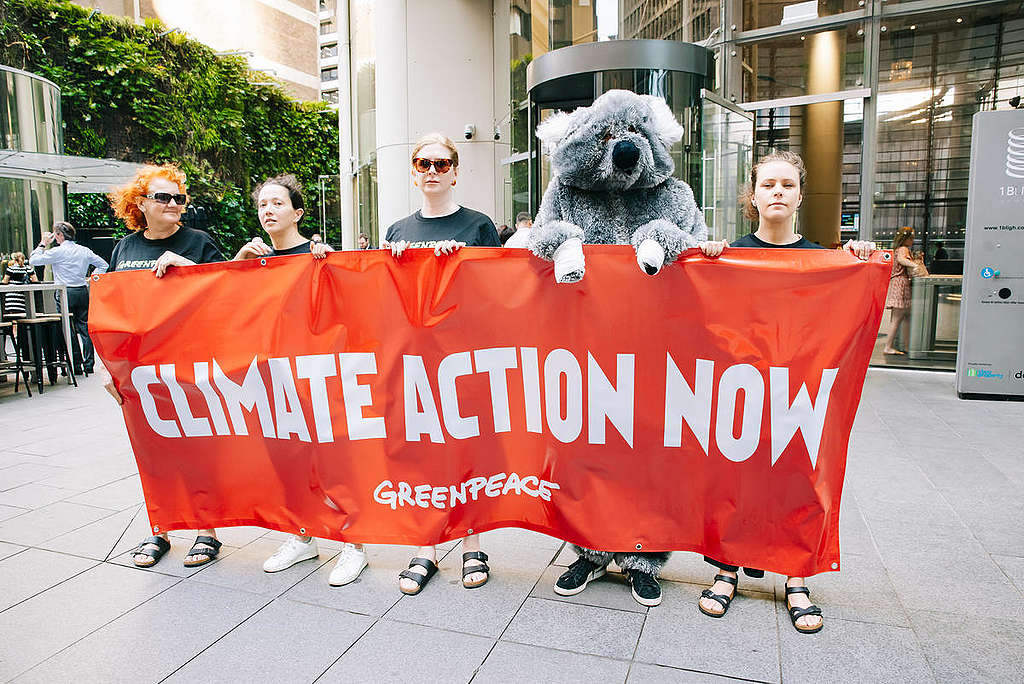
In a landmark decision, the UN Human Rights Committee found that the Australian government has violated its human rights obligations to eight Torres Strait Islander people by failing to adequately protect them from the impacts of climate change. The group of Torres Strait Islander people first filed the complaint in 2019, the first legal action brought by climate-vulnerable inhabitants of low-lying islands against a nation-state.
This is a historic victory for climate justice!
Senegal – Cayar residents file legal case against owners of TPM fishmeal factory for polluting their water and threatening jobs and access to food
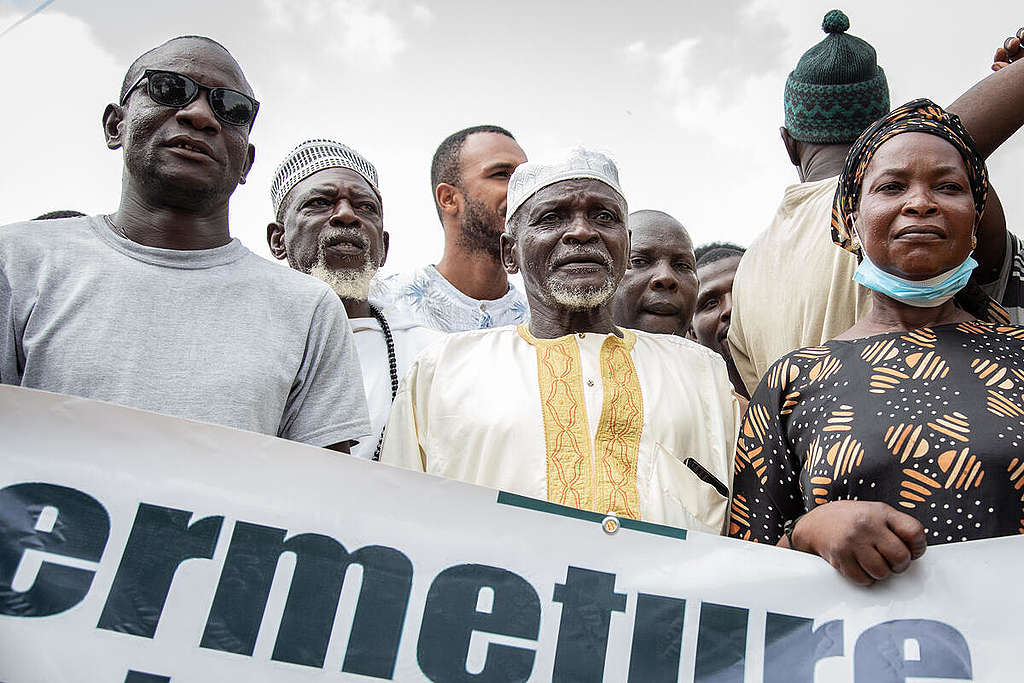
The fishmeal and fish oil industry is destroying West Africa’s environment and ruining communities. The people of Cayar in Dakar Senegal are fighting back by filing a legal case against the owners of a fishmeal factory, TPM (formerly Barna Senegal), arguing that the factory is polluting their water and threatening their jobs and access to food.
An independent analysis by the Laboratory of Hydrology and Toxicology at the University of Dakar’s Faculty of Medicine found shocking levels of toxic metals in the drinking water from Cayar. The community is campaigning for the factory to be shut down. If they win this lawsuit, it will only temporarily close the factory, but the community will not stop until the factory is closed for good.
The court adjourned until 3 November, when a judgment is expected.
United States – Protest helps stop #DirtyDeal from moving ahead
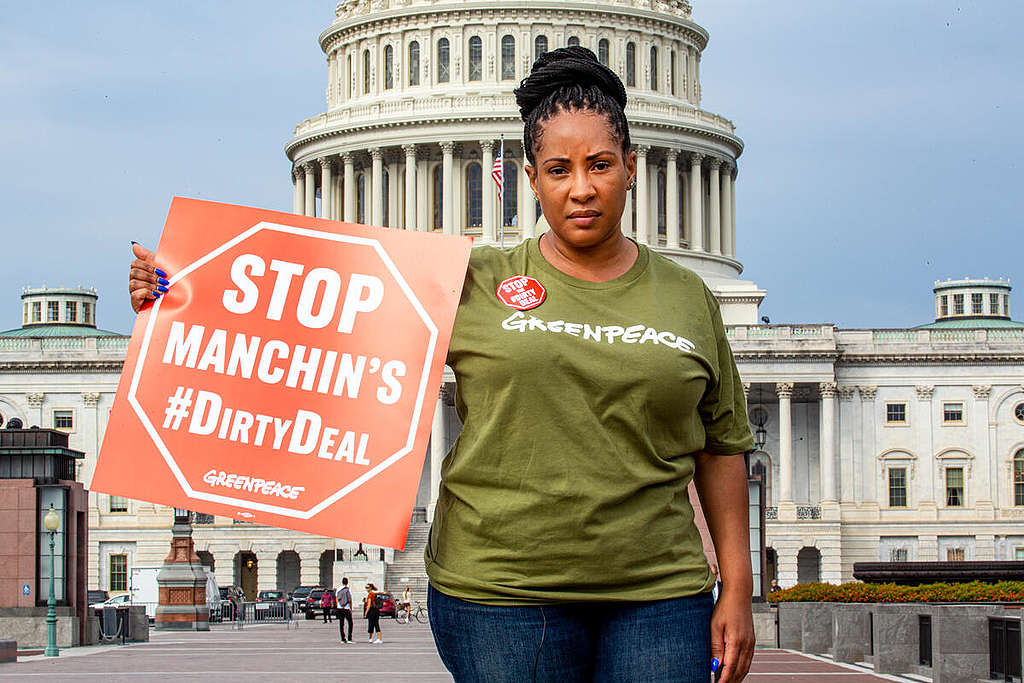
Greenpeace USA scored a major victory in their fight to stop a “dirty deal” that would have allowed the oil and gas industry to fast track projects that could contaminate more air, water, and land, as well as undermined environmental reviews and community input on fossil fuel projects.
Greenpeace USA worked with allies, partners and coalition members to draw attention to this dirty deal, sending more than 100,000 messages to Congress, organising phone banks, and getting word out on social media.
Through people power, the bill was removed from the continuing resolution, scoring a major victory in the fight against fossil fuels.
Russia – Areas of forests where fires are allowed to burn is reduced
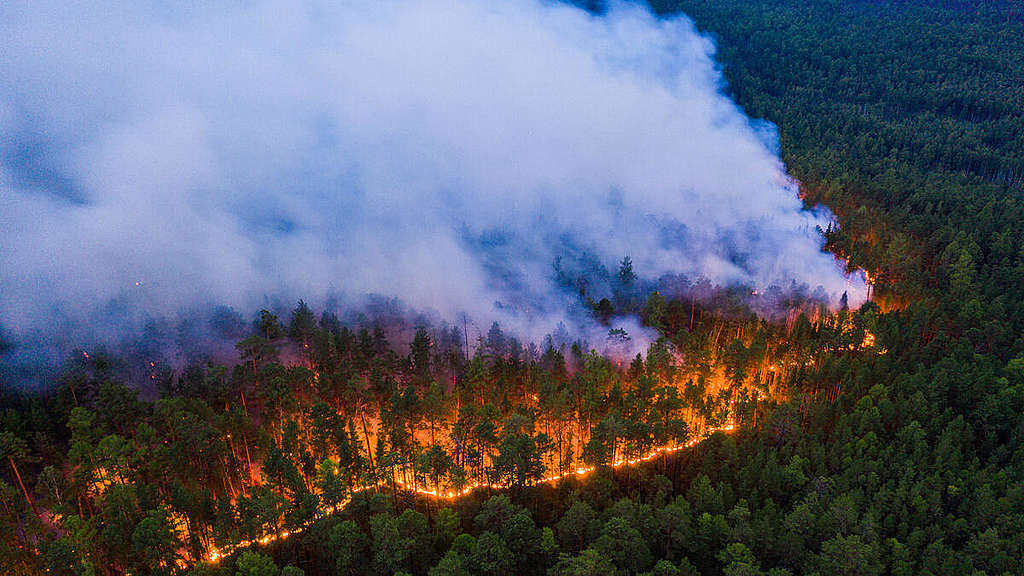
In Russia, there are areas of forests called ‘zones of control’ where fires can be legally left to burn because of inaccessibility or it is not economically viable to extinguish it, and only monitored using satellites.
In October, the government announced new rules that these ‘zones of control’ will shrink to about 25-30%, reducing the areas of forests where it’s allowed not to fight fires by about 2 million square kilometers. This new rule will come into effect in March 2023.
Aotearoa New Zealand – Government announces that a range of single-use plastics are banned from sale or manufacture
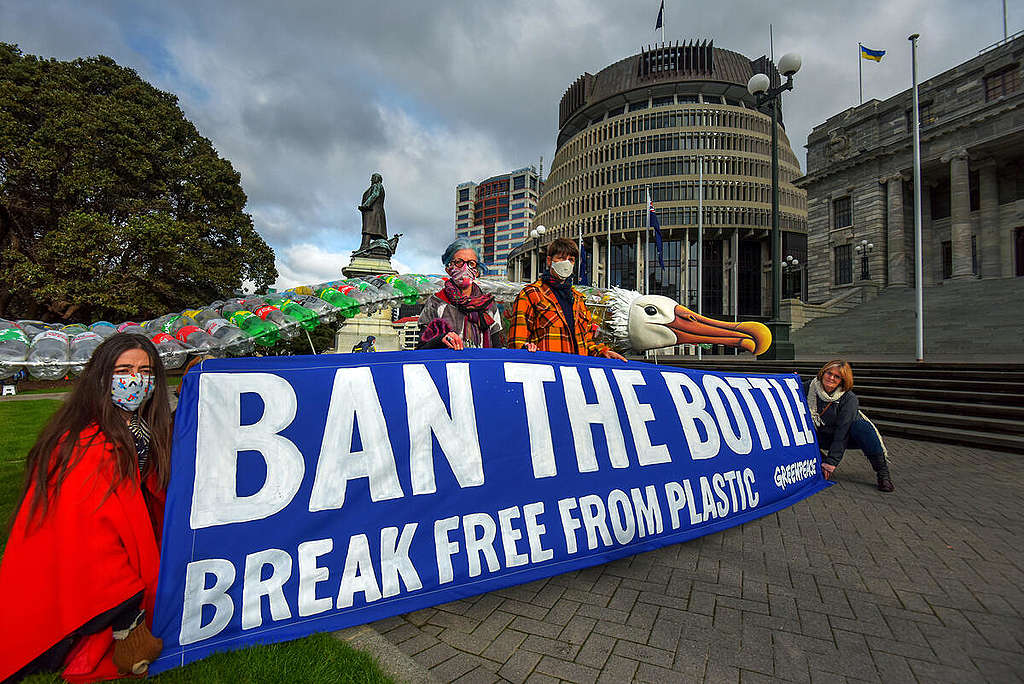
The New Zealand government has announced that a range of single-use plastics are now banned from sale or manufacture, with more to come. The announcement comes as part of the Government’s promise to phase out some problem plastics by 2025, which included banning single-use plastic checkout bags in 2019.
Greenpeace Aotearoa has long called for a national strategy for the elimination of single-use plastics and is celebrating the win but is also calling for more action to combat the plastic pollution crisis.
“We can have a society free of plastic pollution and banning these products is a step in the right direction, but the government needs to be addressing the plastic pollution crisis with more urgency,” says Greenpeace Aotearoa plastics campaigner Juressa Lee.
Greenpeace Aotearoa is calling for a ban on single-use plastic beverage bottles which have not been included in the Government’s phase-out plan, and recently delivered a 100,000-strong petition to parliament.