
Notable wins in the climate and environmental justice space to inspire us in our fight for a better, greener, and fairer world for all.
Global – Protecting the oceans with a network of sanctuaries
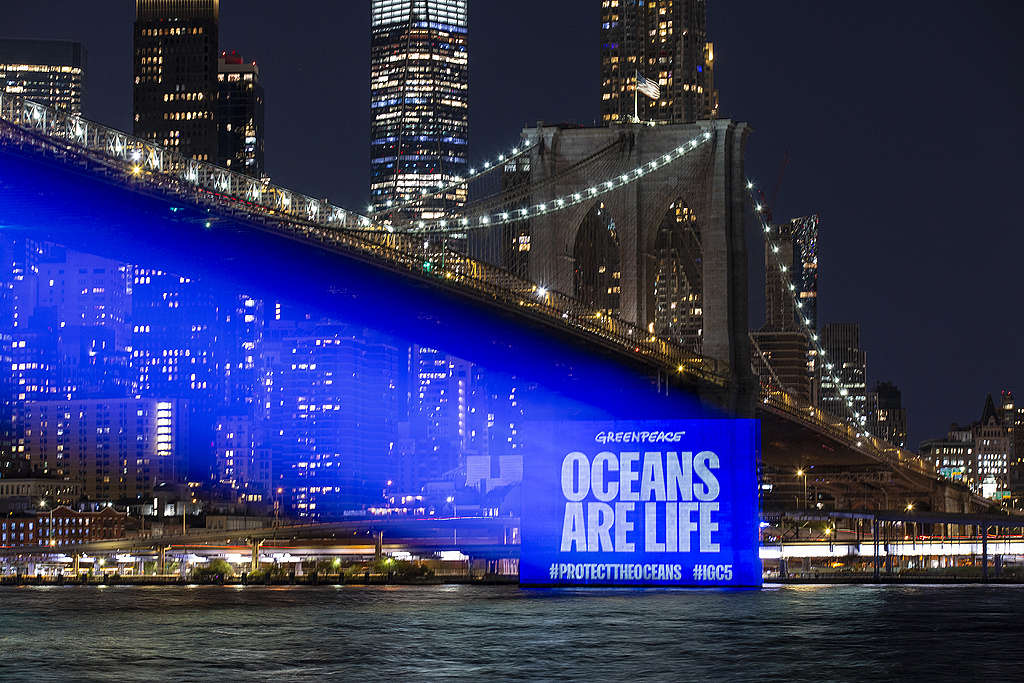
After years of campaigning, on March 5, world leaders finally secured a Global Ocean Treaty that will pave the way to protecting the oceans. The new Global Ocean Treaty opens the door to the creation of a network of sanctuaries across the globe – areas where fragile ecosystems and marine life can recover and thrive.
Governments now have a clear pathway to keep their commitment and protect at least 30% of the oceans by 2030. The mission is now to put the Global Ocean Treaty in the strongest possible use without delay!
Vanuatu – UN General Assembly adopts resolution requesting advisory opinion from the International Court of Justice on the obligations of States in respect of climate change
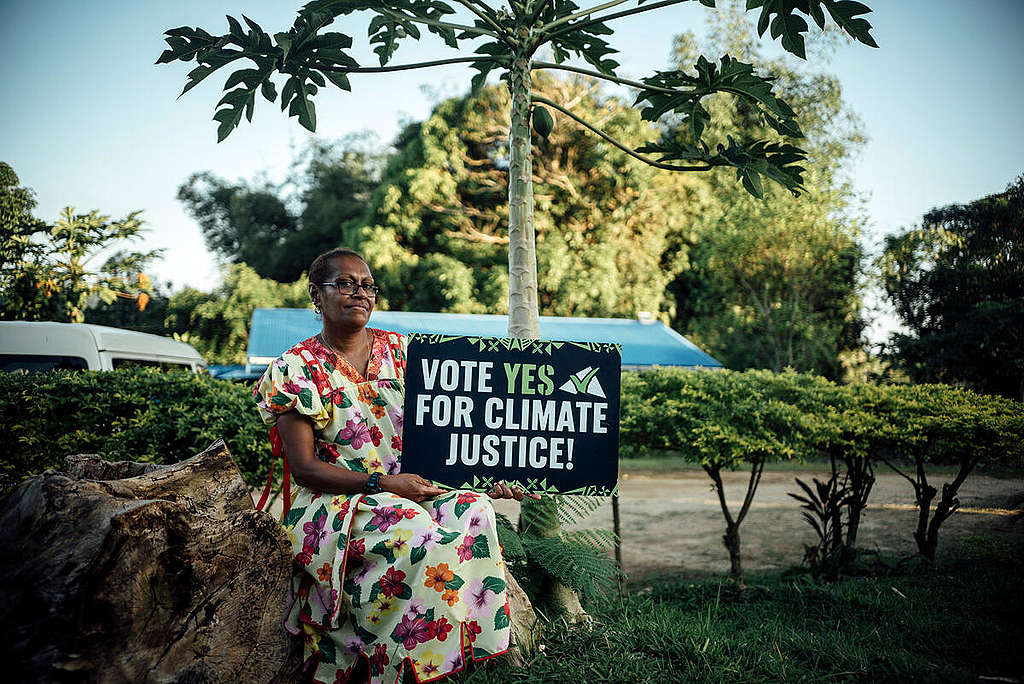
In a historic first for climate justice, on 29 March, the United Nations General Assembly (UNGA) asked the International Court of Justice (ICJ) to issue an advisory opinion on countries’ duties to protect human rights from the climate crisis; and the legal consequences under international law for countries who breach those duties.
A group of law students now known as Pacific Islands Students Fighting Climate Change (PISFCC) had initiated the case to the United Nations before it was taken up by the Vanuatu Government. Greenpeace worked closely with PISFCC, WY4CJ and other civil society organisations to garner the support of UN member countries around the world. This is a story of love, solidarity and an idea that has grown from a grassroots campaign to a global movement.
Netherlands – Schiphol Airport bans private jets and night flights

After continued pressure from affected communities, Greenpeace Netherlands and other allies, Schiphol Airport, one of Europe’s biggest airports, has decided to ban private jets and night flights from 2025 on because of the unfair levels of noise and pollution. The airport located in Amsterdam plans to stop private jets and small business planes from using its runways, as well as stopping night flights and cancelling plans for a new runway.
This is the result of months of campaigning, including a mass-action by Greenpeace Netherlands and Extinction Rebellion at the private jet terminal, grounding several private jets. The next step is to spread this ban across the world. Private jets are the most polluting and unequal form of transport. Banning them is a matter of justice.
United States – Greenpeace defeats $100 Million SLAPP suit in victory for free speech
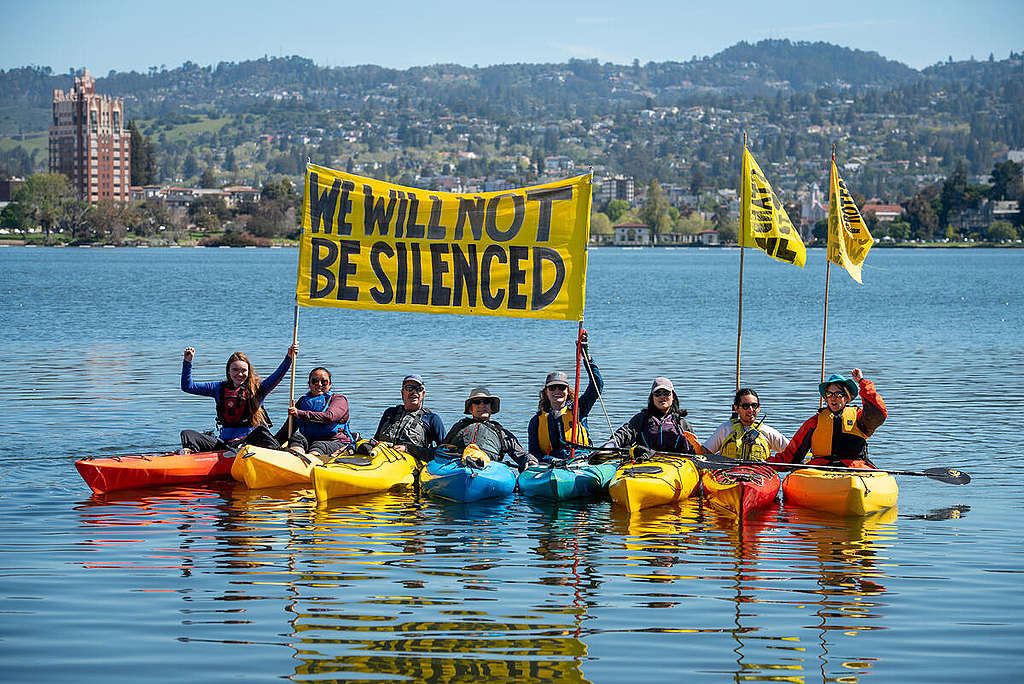
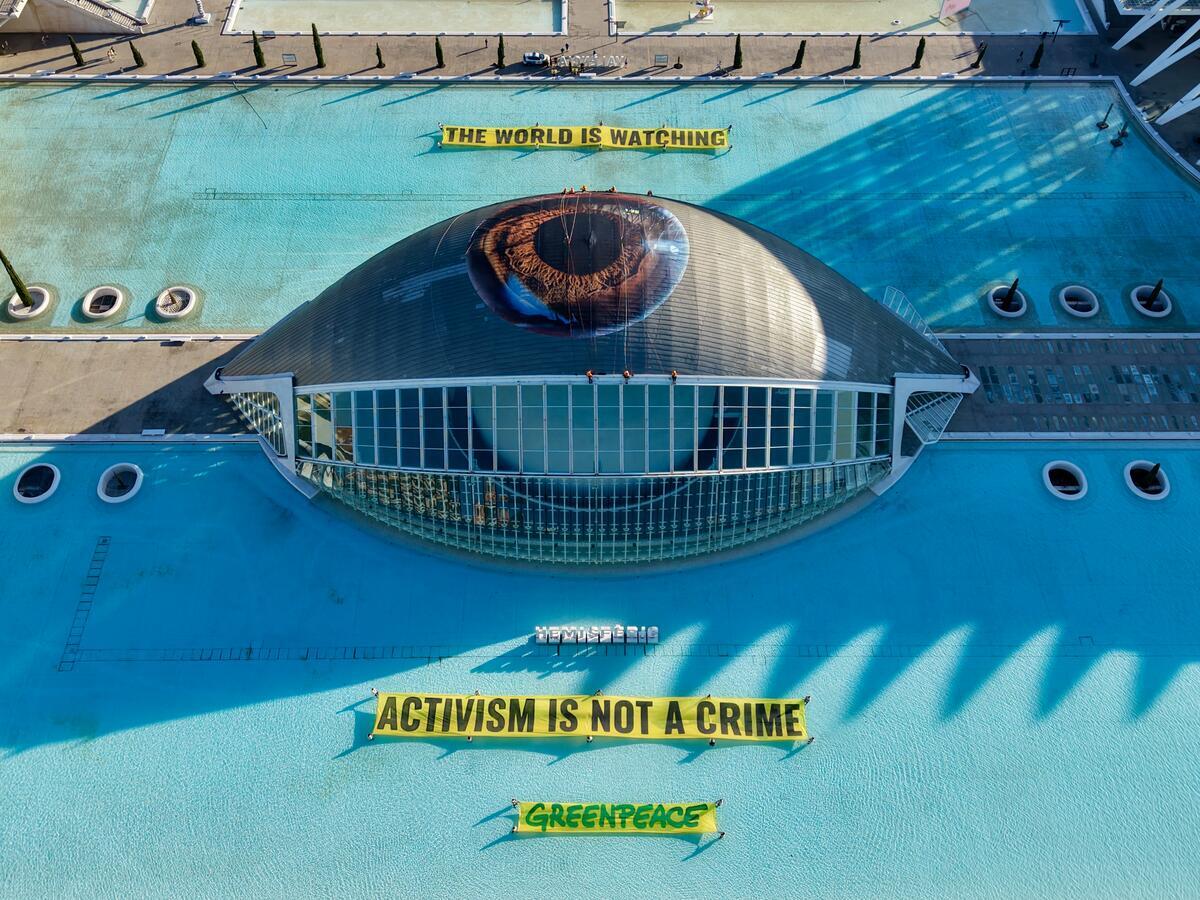
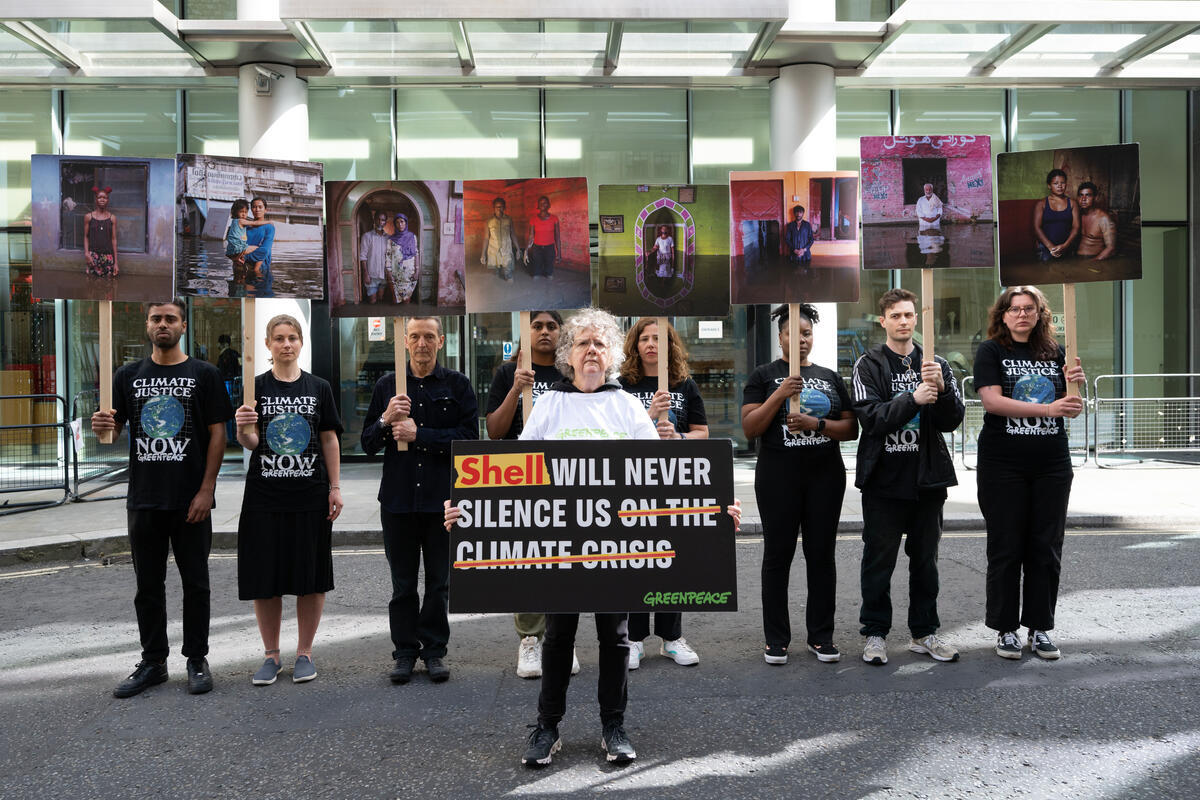
In a huge win for free speech, a US federal court recently dismissed a seven-year lawsuit brought by Resolute Forest Products against a number of Greenpeace staff members and entities, including Greenpeace International and Greenpeace USA. The Canadian logging company sued the Greenpeace defendants for CA $100 million in an attempt to silence and bankrupt them, after criticism of its unsustainable forestry practices.
Strategic Lawsuits Against Public Participation (SLAPPs) are legal tactics used by powerful corporations to shut down criticism from activists, academics, journalists, whistleblowers, and everyday people. Corporate SLAPP attacks are a threat to citizen activism and free speech, and are increasingly used around the world to stifle environmental advocacy. This decision is a huge win, but more must be done to ensure that corporations can’t abuse the legal system.
Senegal – Local municipality bans discharge of wastewater into a local lake and surroundings

In a major win for a local community campaign against a nearby fishmeal factory and its polluting practices, the municipality of Cayar has banned the discharge of wastewater into a local lake and its surroundings. The Taxawu Cayar Collective welcomed the decision as a step forward that will protect the community and the local environment, and used this campaign breakthrough to launch a new phase in its litigation against the factory.
Germany – Marks end of nuclear energy era
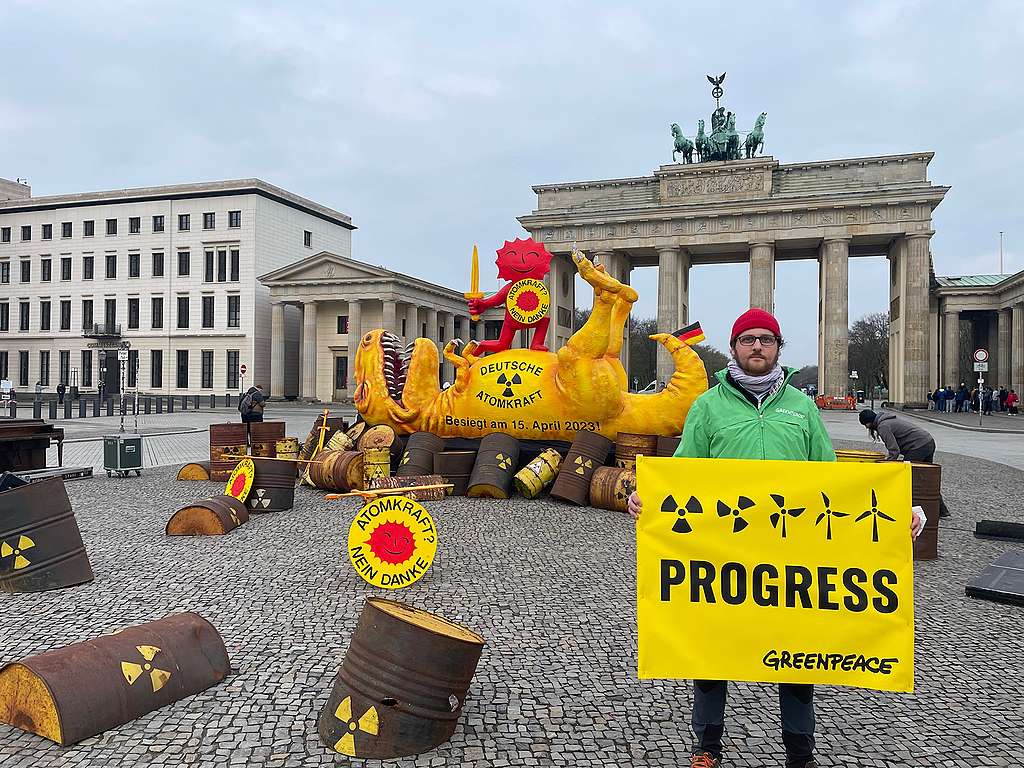
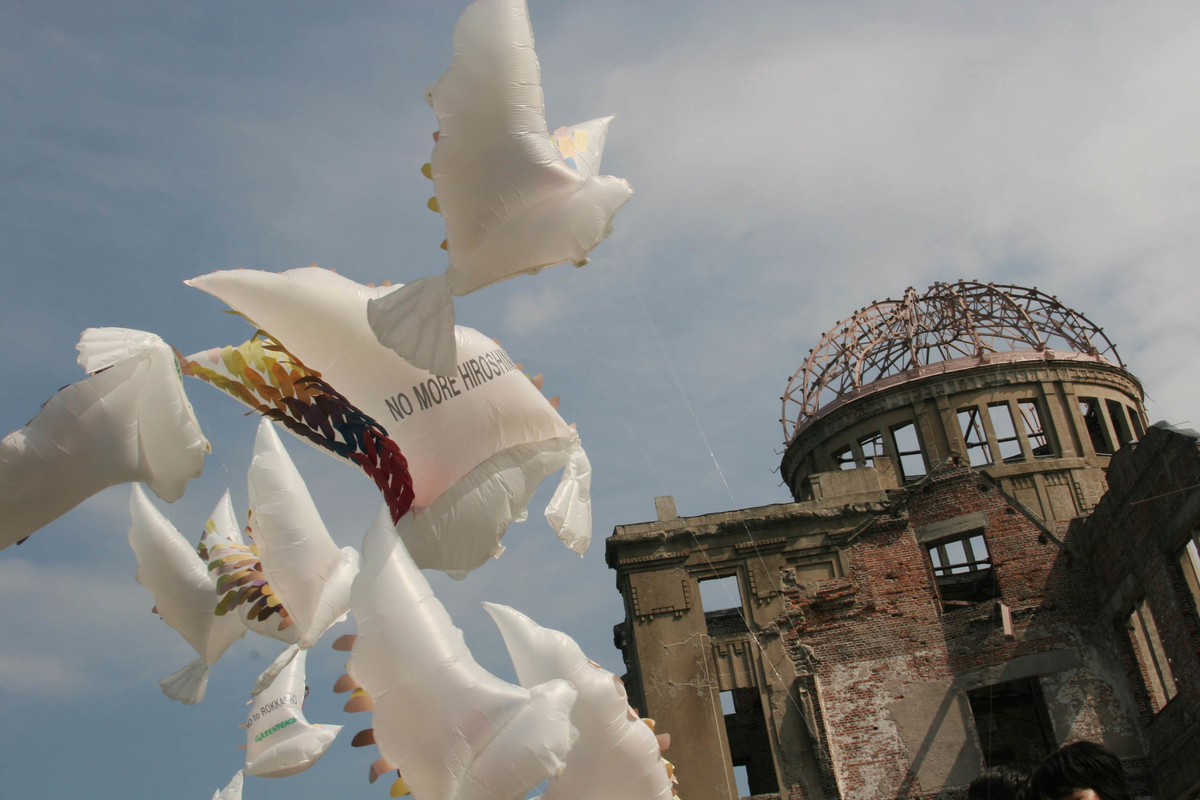
On April 15, 2023, the last nuclear reactor in Germany was shut down, ending the nuclear power chapter in the country. Over decades of resistance, there have been protests against reprocessing plants, nuclear waste transport, unsafe nuclear waste storage facilities and the construction of new nuclear power plants in Germany.
Nuclear energy is expensive, risky and far from independent. With resources no longer squandered on the false promise of nuclear energy, following its removal from the energy mix, the renewable energy transition can finally pick up speed.
Bulgaria – EU’s top court rules that public authorities have a duty to consider the cumulative pollution that people are exposed to
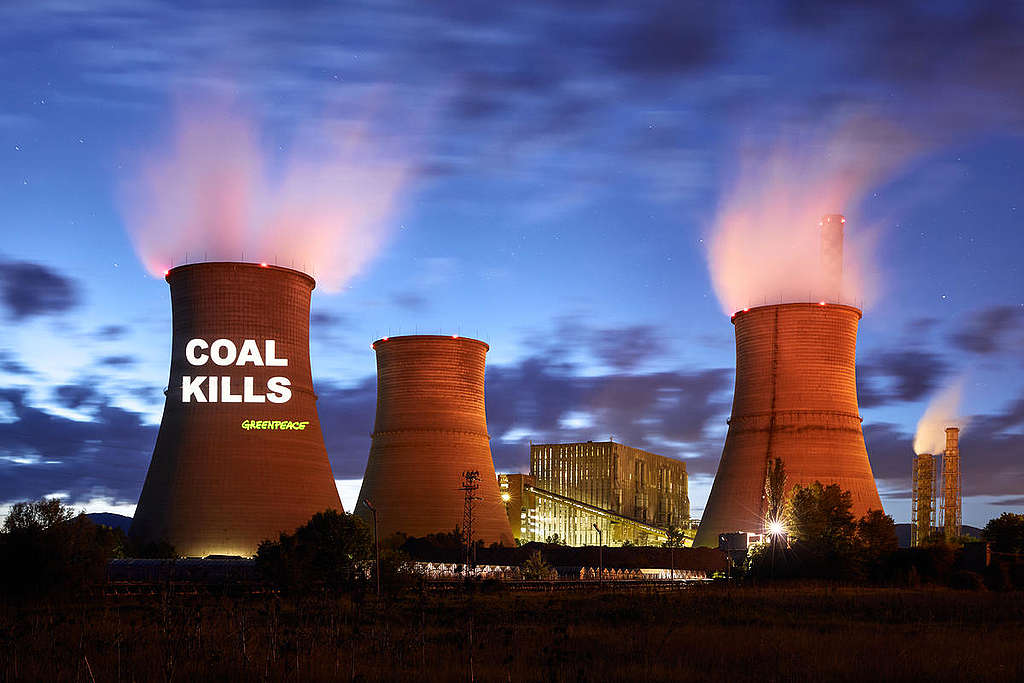
In March, the Court of Justice of the European Union ruled that the Bulgarian government violated the law when it gave the biggest coal plant in the Balkans permission to pollute beyond EU legal limits.
According to Greenpeace Bulgaria, emissions from the country’s coal-fired power plants have led to 3,160 additional deaths from air pollution between 2016 and 2020, while the costs to the health system alone amounted to €11.8 billion over the same period.
The 4-year long case was escalated all the way to the EU’s top court which upheld all health and environmental arguments. This ruling has a potential impact on the future permits of other major polluters across EU regions.