
Notable wins in the climate and environmental justice space to inspire us in our fight for a better, greener, and fairer world for all.
Oceans – Greenpeace crew save humpback whale trapped in fishing gear
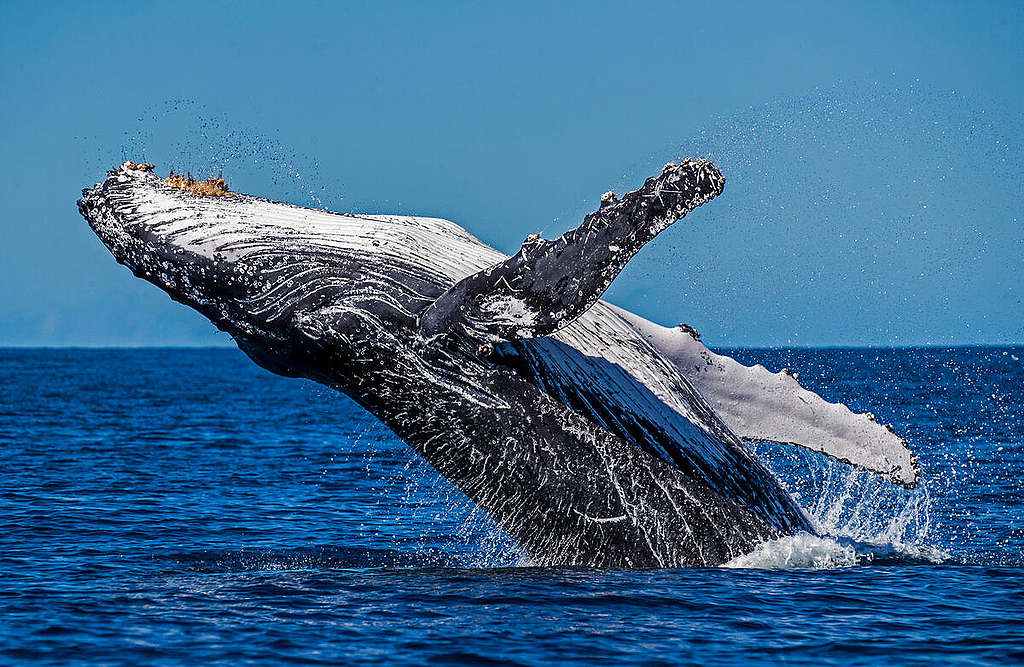
On October 21, the crew of the Greenpeace ship Arctic Sunrise rescued a humpback whale entangled in fishing gear. Entanglement with fishing gear claims the lives of over 300,000 dolphins and whales every year, making it the leading cause of mortality for these majestic animals.
The rescue underscored the precarious situation that marine mammals in the high seas face. Governments must urgently ratify the Global Oceans Treaty to ensure the protection of whales and all other marine species.
Hong Kong – Ban on disposable plastic cutlery

From April next year, restaurants in Hong Kong will be banned from giving out throwaway plastic cutlery, including plastic straws and stirrers. Hotels and guest houses will not be allowed to supply water in plastic bottles or toiletries in synthetic disposable containers. This piece of good news is a small but significant effort to help stem the plastic tide but further steps have to be taken in order to solve the plastic crisis. Greenpeace, together with millions of our supporters, demand a Global Plastics Treaty that will reduce plastic production by at least 75% by 2040.
Hungary – Lake Neusiedl, a UNESCO World Heritage site, saved from oversized development
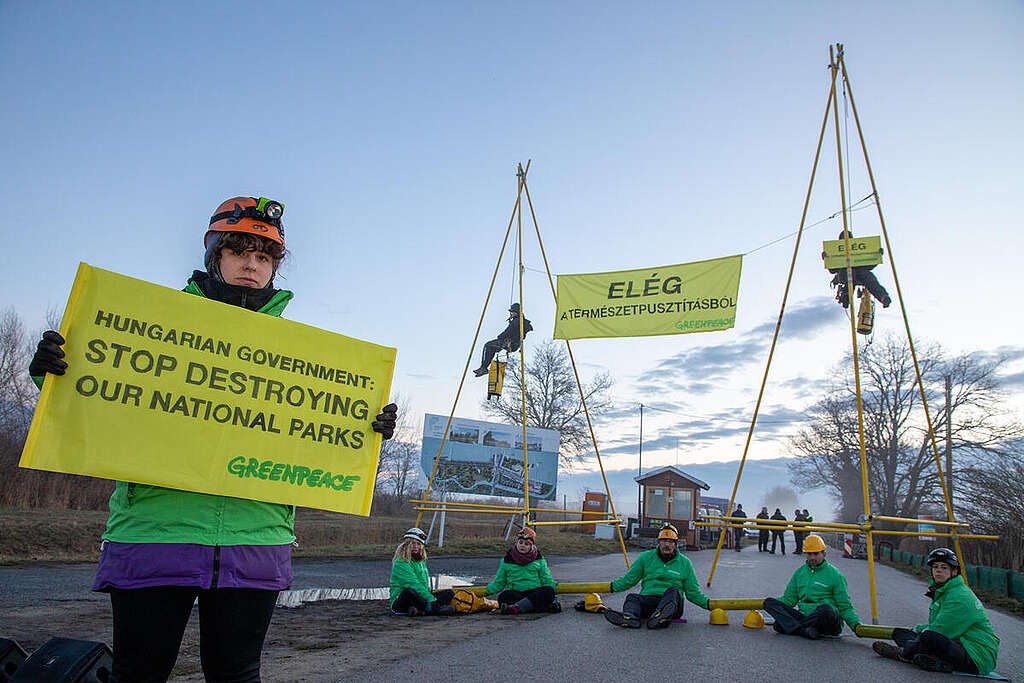
On 29 September, Greenpeace Hungary won a legal case against a Hungarian government-issued permit for a state-financed tourism project at Lake Neusiedl national park, a UNESCO World Heritage site. Construction has been halted and a new public procurement tender process has been launched for the project that aims to encourage ecotourism.
This victory is the result of three years of online and offline campaigning to save the park in cooperation with local civilians, Greenpeace Austria, and Hungarian influencers helping to shine a spotlight on this important issue. Greenpeace Hungary will continue their ongoing legal proceedings and monitor the Lake Fertő project, until the last construction vehicle leaves the site.
Kenya – Government barred from lifting ban on logging
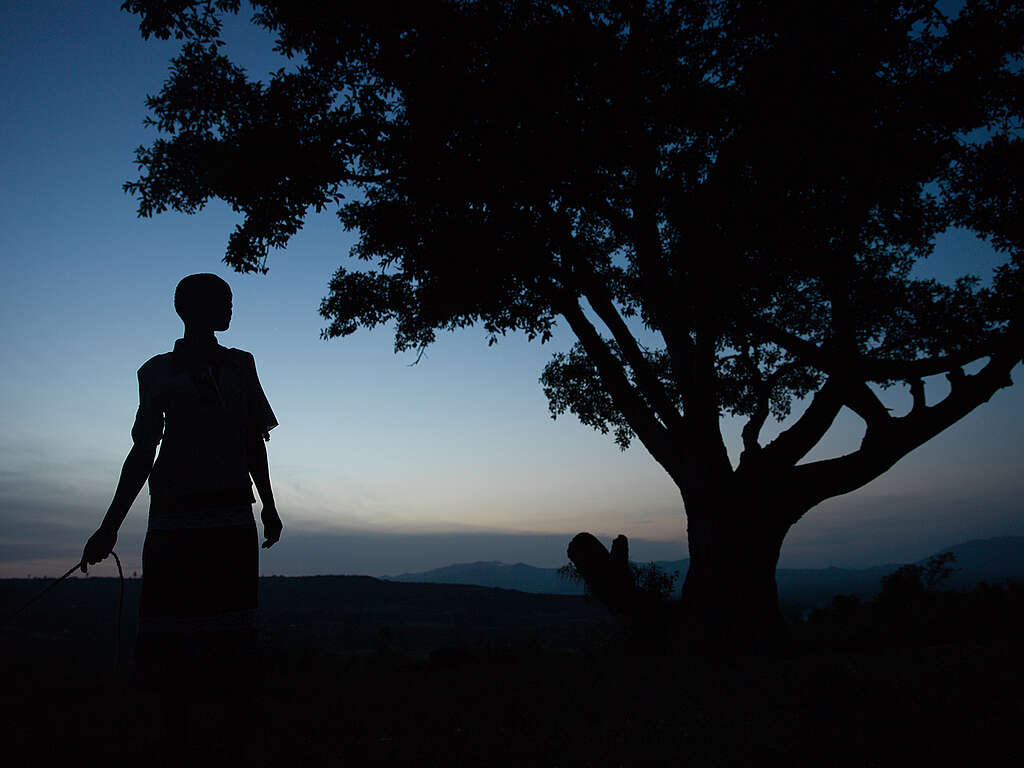
On 12 October, the environmental court in Nairobi barred the government from lifting the ban on logging but allowed the felling of 5000 hectares of mature forest.
In July, President William Ruto restated Kenya’s ambitious plan to plant 15 billion trees by the year 2032 to restore forests and fight climate change. Greenpeace Africa urges the Kenya government to demonstrate this commitment to forests by prioritizing existing forests over hopes for saplings.
Romania – Legal action ends immunity for illegal Romanian coal plants
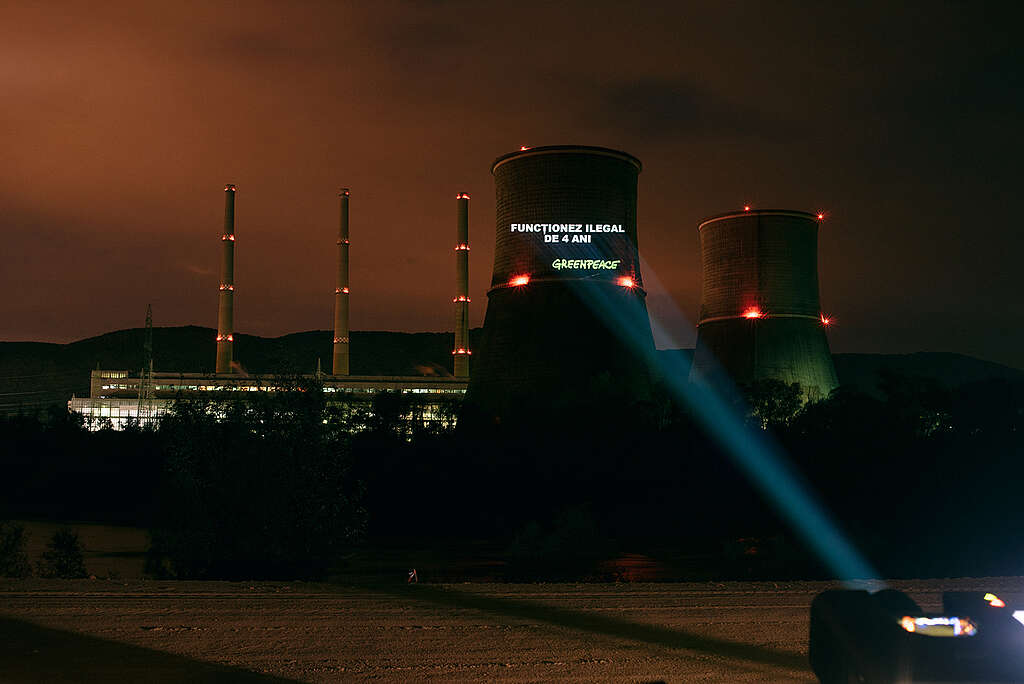
In a landmark victory for environmental protection and governance, Greenpeace Romania and ClientEarth have won a four-year legal battle against illegal coal pollution in Romania.
Nearly half of the country’s coal plants were operating permit-free, a major breach of the EU’s Industrial Emissions Directive (IED) – with no real consequences from authorities or national courts.
In response, Romania has reformed its national pollution law and several illegal coal plants have been shut down.
The Democratic Republic of the Congo – Auction of oil blocks postponed
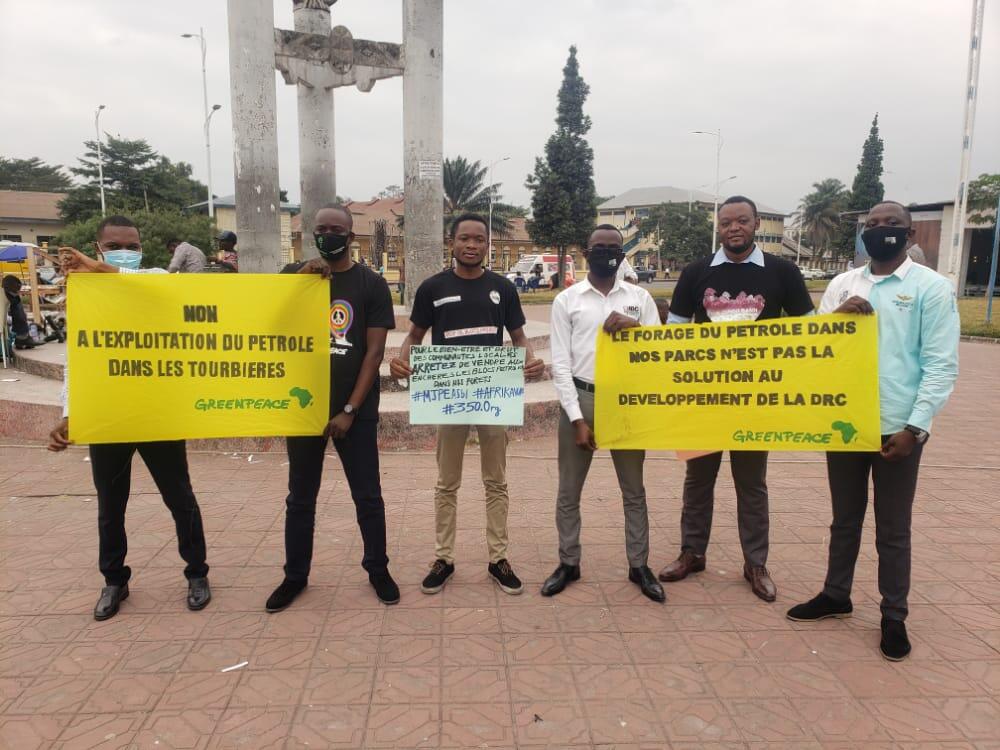
On 3 November, it was announced that the DRC government’s attempt to auction off oil fields in Congo had to be postponed for the third time.
In July last year, the DRC launched a giant auction of 30 oil and gas fields, threatening local communities and biodiversity in the world’s second largest rainforest and carbon-rich peatlands. The news of another delay is a great development and DRC activists and their supporters and allies from all over the world have every reason to celebrate, even as they continue their fight.
Belgium – Climate litigation case victory

After 9 years of procedure, a Belgian climate litigation case finally got a big victory. After a first symbolic win in 2021, where the judge held that the Belgium government breached its duty of care by failing to take necessary measures to prevent the harmful effects of climate change but did not rule on binding reduction targets, the Court of Appeal has now ruled in favour of such binding targets. The ruling of the Court of Appeal obliges the different governments in this country to collectively cut CO2 emissions by at least 55% by 2030, compared to 1990.