2023 was a year of devastation. Declared as the hottest year ever recorded by the European Union’s Copernicus Climate Change Service, we have experienced unforeseen climate emergencies around the globe that have taken thousands of lives and caused billions of dollars in infrastructure and economic damage. People have been forced out of their homes and have lost their livelihood due to these extreme weather conditions, and it has been crushing to see a lack of commitment from governments and corporations to work on fixing this climate crisis.
Scientists have warned us of this exact danger. In 2015, when the Paris Agreement was signed by 195 countries, a 1.5 degree Celsius threshold was set to limit the increase in global warming — an agreement that entails a radical reduction in carbon emissions. This year, we reached a record high in carbon emissions from fossil fuels and exceeded the 1.5 degree limit. Clearly, our calls for climate justice are falling on deaf ears.
We outlined some of the climate emergencies of the year in this blog — from torrential rains in Southeast Asia that resulted in catastrophic floods and landslides, to droughts in Africa that exacerbated the region’s hunger and poverty. Our hope is for 2024 to be a better year for climate action, and we will keep on demanding reparations from Big Oil and rich and polluting nations to do their part in fixing the mess that they made.
New Zealand Floods
Three people died in Auckland after flash floods turned many roads into rivers. The city has broken several rainfall records and experienced the wettest month in record.
Floods and landslides in Saõ Paulo
Coastal areas in Brazil experienced a heavy downpour that killed 36 people. A record 600 mm of rain fell in 24 hours.
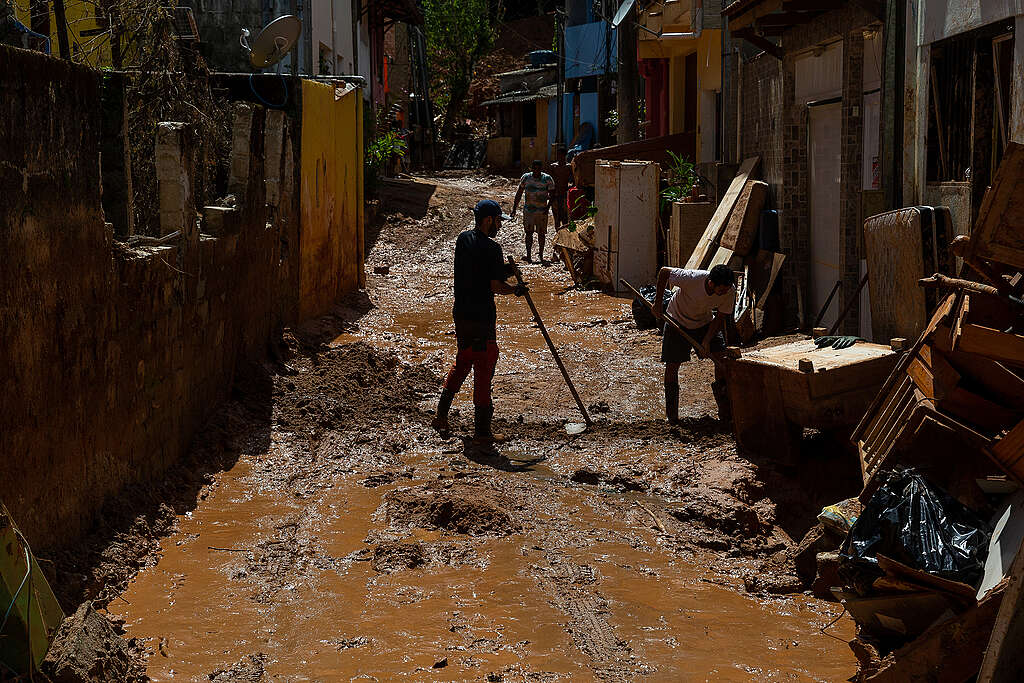
Cyclone Freddy in Zimbabwe, Malawi, Mozambique
Cyclone Freddy claimed over 605 lives across southern Africa, with millions affected. Torrential rains and brutal winds caused hectares of farmland, roads, and infrastructure, and the cyclone is dubbed as the longest ever cyclone in history.
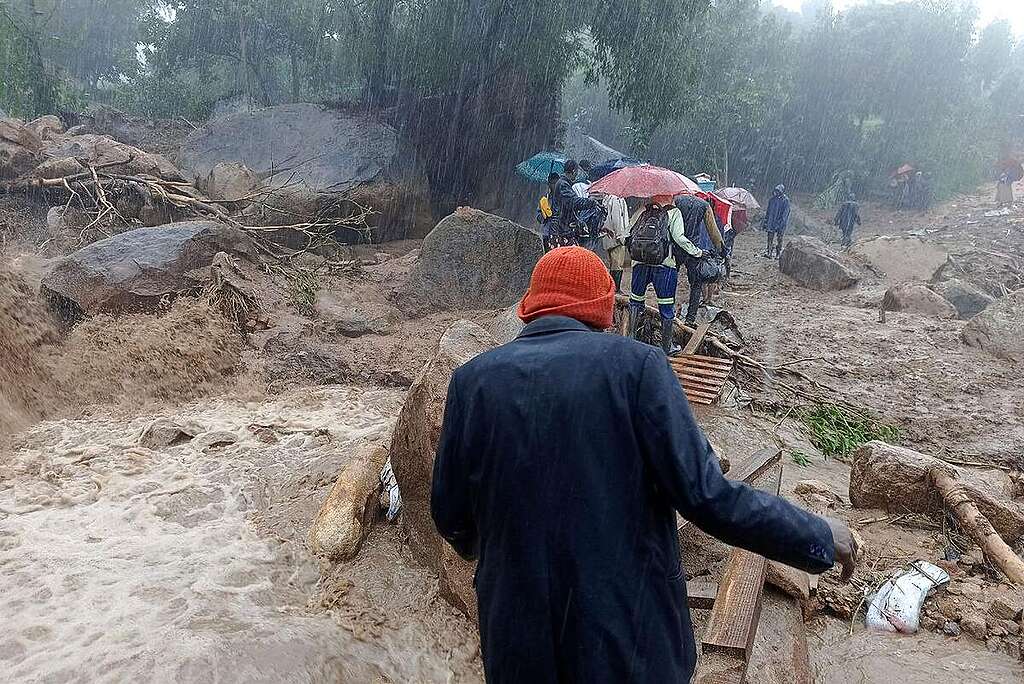
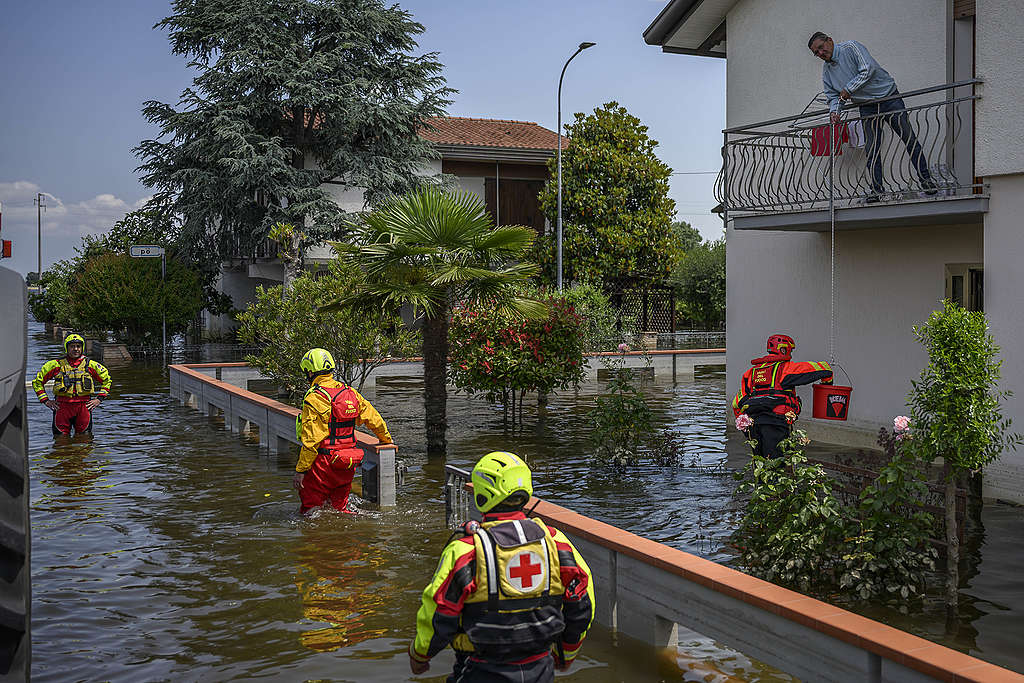
Floods in Italy
Thousands were left homeless after heavy rains caused devastating floods in the northern region of Italy. Droughts from the previous years caused the land in the region to become less capable of absorbing water, which aggravated the flooding.
Forest Fire In Canada
Wildfire season in Alberta started early due to extremely dry weather conditions. Ninety-one wildfires burned simultaneously with 27 being deemed uncontrollable.
Floods in North India
Flash floods washed away the lives of at least 80 residents of the states of Himachal Pradesh and Uttarakhand. The region experienced the worst torrential rains in 50 years.
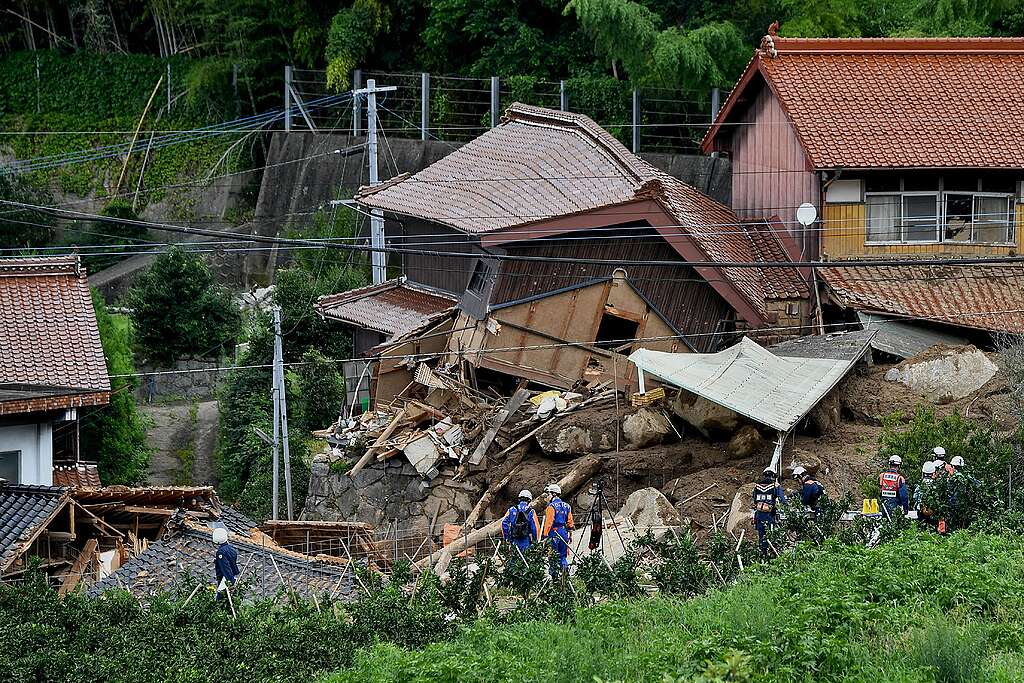
Floods in Japan
Floods and mudslides killed multiple people in Japan’s Kyushu region, where record-breaking rains fell in a span of multiple weeks.
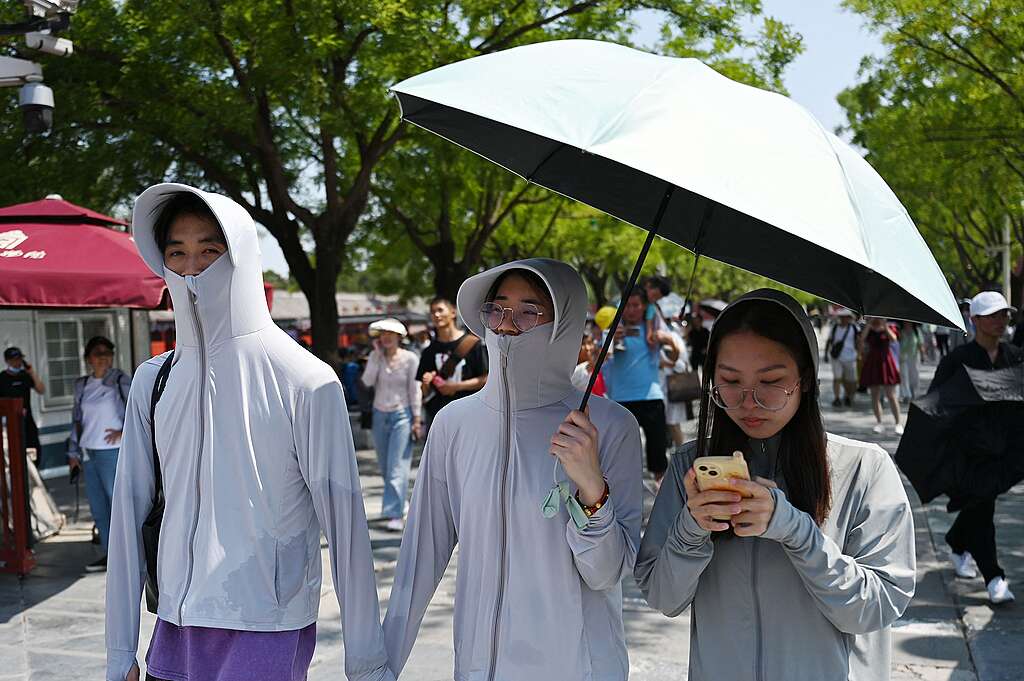
Heatwave in China
For the second consecutive year, China experienced extreme heat waves, with temperatures reaching 41C in many regions.
Fire in Hawaii
Several wildfires spread across the island of Maui, and strong winds made the situation worse. More than 10,000 residents, including indigenous peoples, were forced to flee into the ocean.
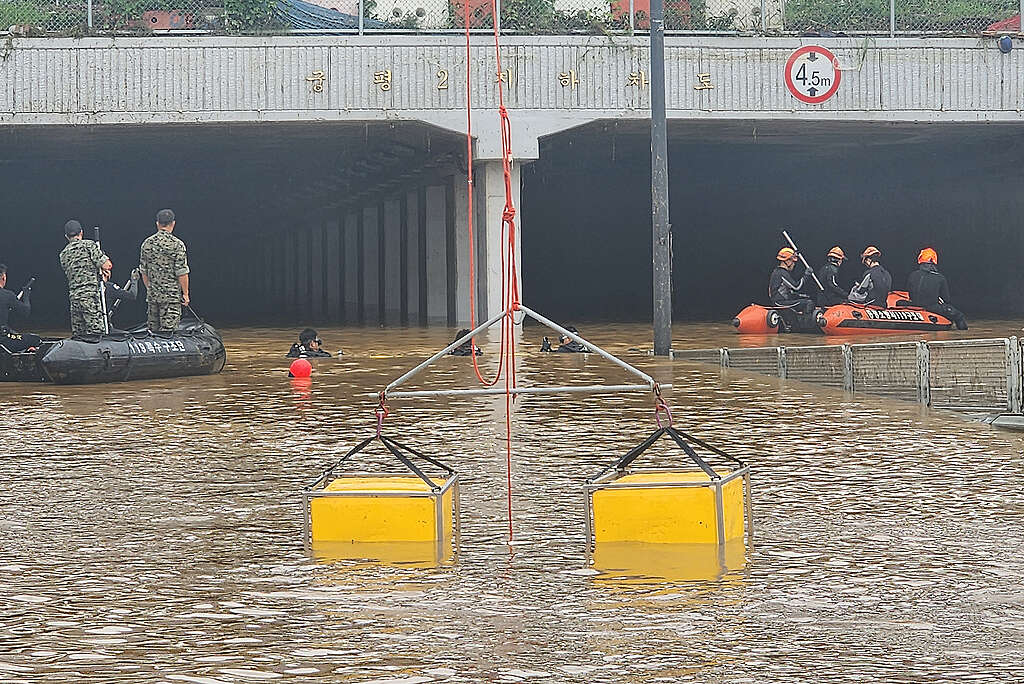
Floods in South Korea
The South Korea city of Cheongju flooded after a nearby river overflowed due to heavy rains. Thousands of people had to evacuate, with multiple people reported missing.
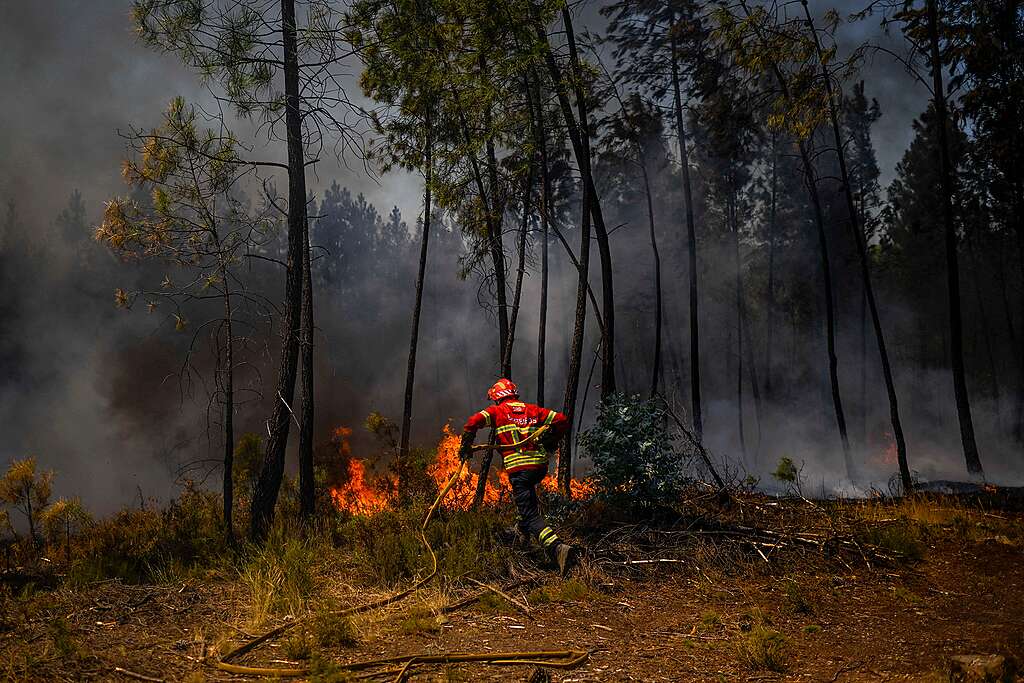
Forest Fire in Portugal
Thousands of hectares in residential and agricultural areas went ablaze due to a wildfire that burned for four days in South Portugal.
Flooding in Greece, Turkey, Bulgaria and Slovenia
After an overly dry summer, Greece, Turkey, and Bulgaria experienced a surge of rain that flooded the streets, resulting in irreparable damage in houses and public buildings.
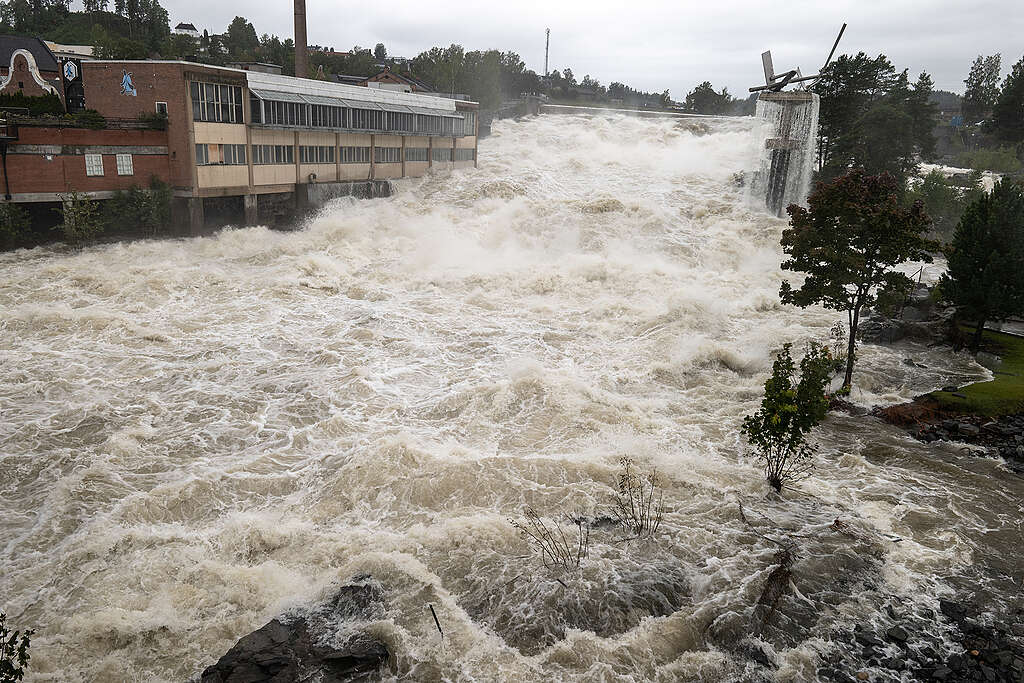
Flood Damage in Norway
Local storm ‘Hans’ has resulted in extremely high water levels, flooding and damage throughout the south of Norway.
Hong Kong floods
Disaster authorities issued a ‘black rainstorm warning’ when Typhoon Haikui brought in the heaviest rains that the region has seen in 140 years.
Floods in the Philippines
Typhoon Saola brought in severe rains and strong winds in the Northeastern part of the Philippines, where the majority of the land is used for agriculture.
Forest Fire in Greece
Due to extreme heat and prolonged dryness, the forests of Greece suffered a devastating fire that led to the death of several residents.
Forest fire in Brazil
Over 11 million acres have been burned in the Amazon in 2023 alone, and while fire season is cyclical in the Amazon, the staggering increase in the duration of the dry season, partnered with intense El Niño, has made the fires uncontrollable and distressing.
Flooding in New York
In September, a state of emergency was declared in New York after a strong storm brought in flash floods overwhelming the transport system.
Drought in Amazon
The Amazon River has recorded an all-time low flow. The river’s main source, the Rio Negro is at its lowest since records began in the early 1990s. With thousands of species of animals as well as livelihoods relying on the Amazon, this drought is an alarming reminder of the climate mess that we are in.
Libya Floods
Over 11,000 people died when the city of Derna flooded due to extreme rains that collapsed a nearby dam.
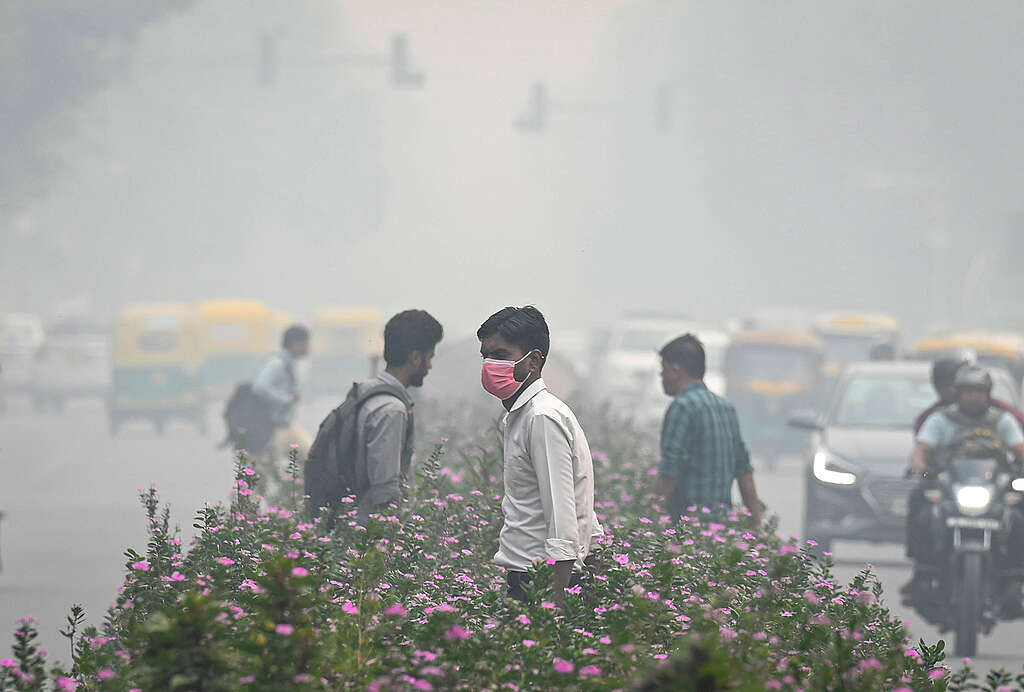
India Toxic Smog
A toxic cloud of smoke blanketed the city of Delhi and surrounding areas, resulting in hazardous health risks. The government mandated schools to be shut down for safety, but continuous burning in agricultural areas and the rising number of polluting vehicles continued to worsen the pollution.
Text by Bea Amador and image selection by Sudhanshu Malhotra