
We are approaching the end of 2025 – once a distant marker used for environmental milestones and future promises of a cleaner, greener world to come. Now we are ten years after the Paris Agreement for climate action and fresh from concluding COP30 in Brazil. We’ve reached a moment that feels both urgent and full of possibility, but it still feels as if we are stuck. And certainly not making progress fast enough with the Global Goals for sustainable development, agreed by all 193 United Nations members back in 2015.
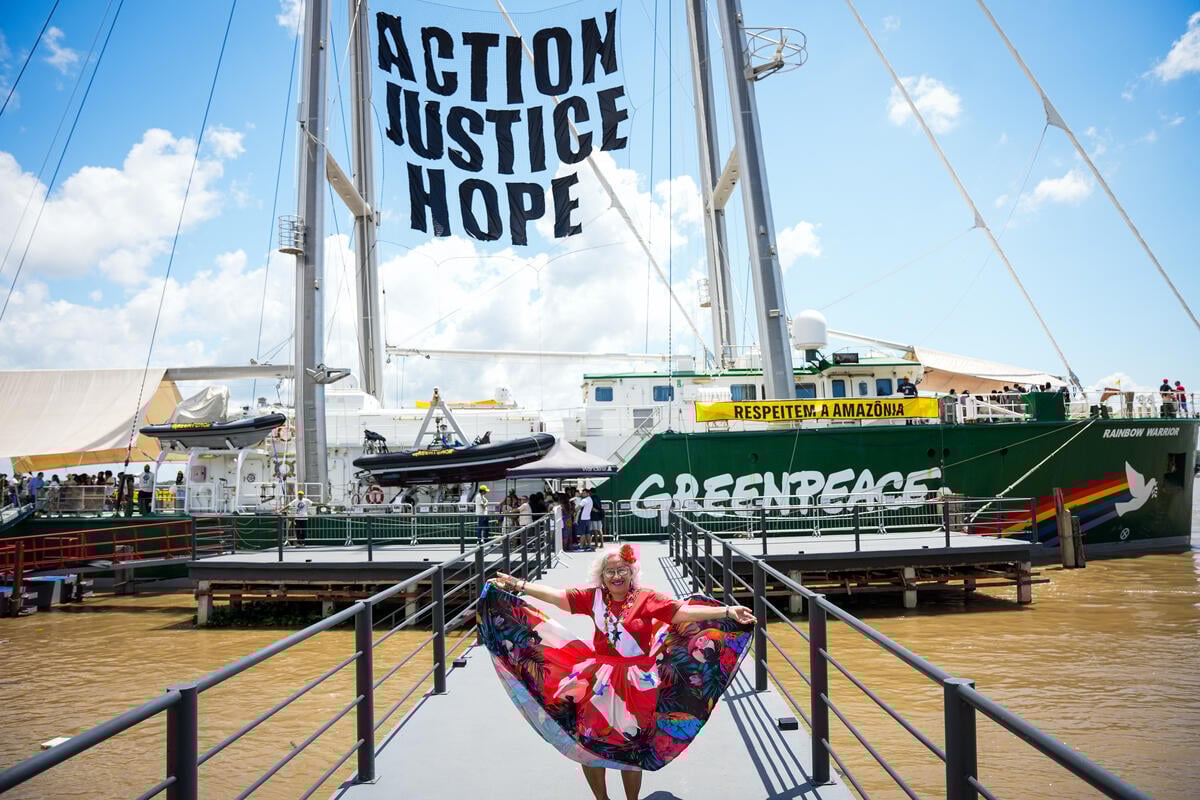
So much can seem wrong in this world right now – geopolitical turmoil, unachieved climate targets, and future goals that seem unrealistic. The forces driving destruction are continuing to push the world toward crisis. From fossil fuel corporations, industrial agriculture and extractive industries, to big tech and political actors who attack accountability and sow division.
Yet one thing remains certain: in troubling times, hope is an act of resistance. At Greenpeace, we know that collective action – across borders and generations – fuels hope. As part of a rising tide of people demanding dignity, justice, safety, social and ecological renewal, we are hopeful.
Despite the setbacks and often overwhelming odds, so much good is still happening. Change is unfolding – sometimes quietly, sometimes boldly – driven by people and their communities, with courage and care for each other and the planet. Negativity is easy to see and feel, but positivity is powerful, and it’s what keeps us moving forward and keeps the momentum towards a brighter future for us all.
As the calendar year comes to a close, it offers a moment to reflect back on the year we have just lived – and for some of us just survived – and perhaps we can even take a moment to be grateful for the progress people-power has made. That’s why we are here to share with you some of our most significant victories of the year – wins that prove progress is real, hope is justified, and action matters.
1. Global Ocean Treaty set to come into force
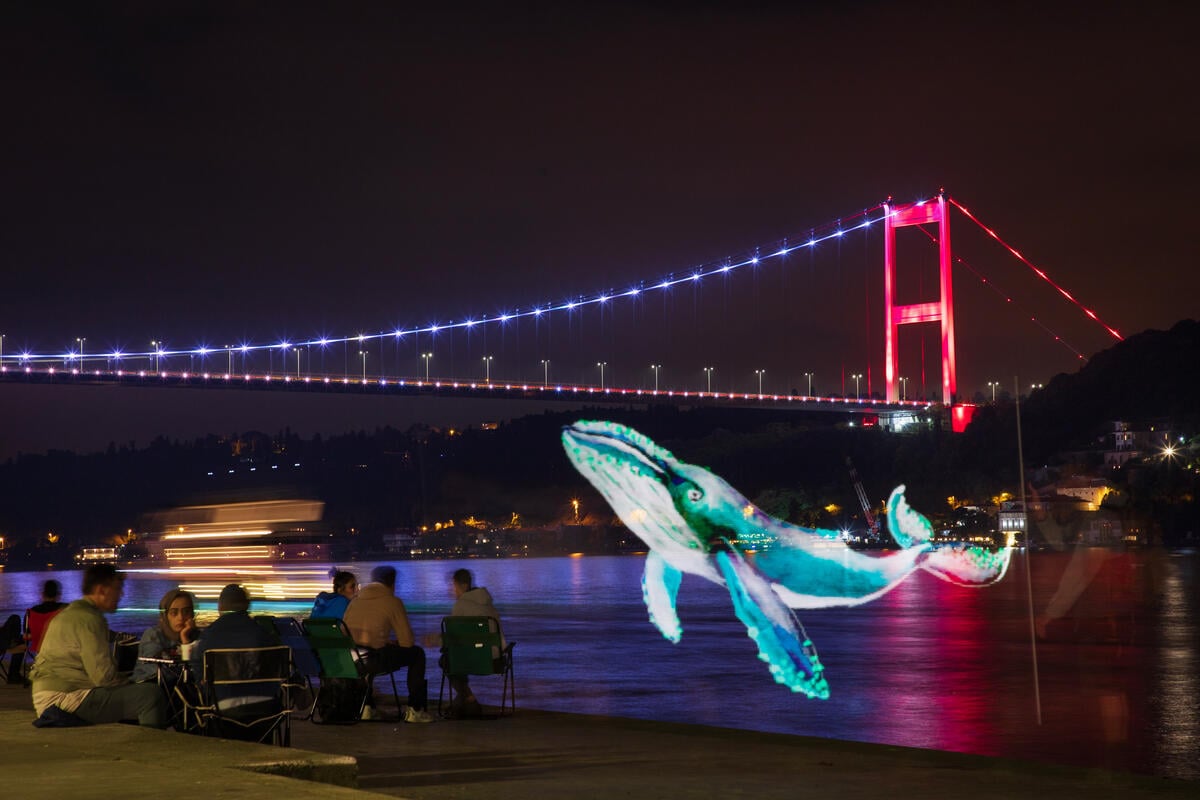
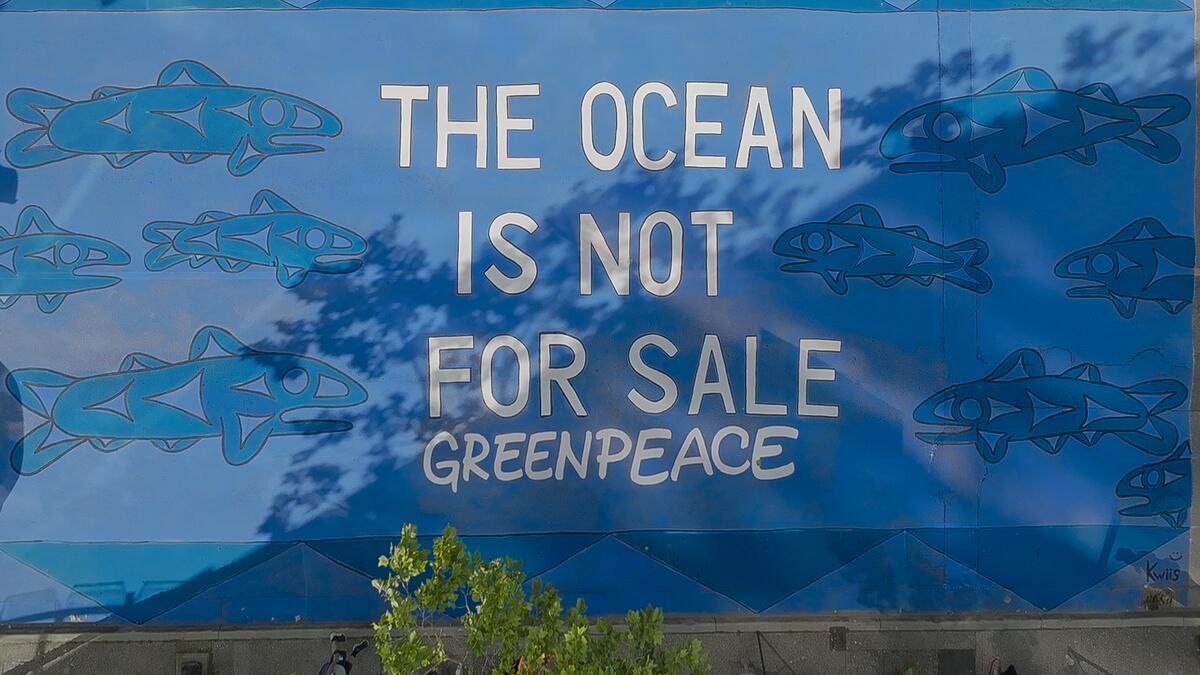
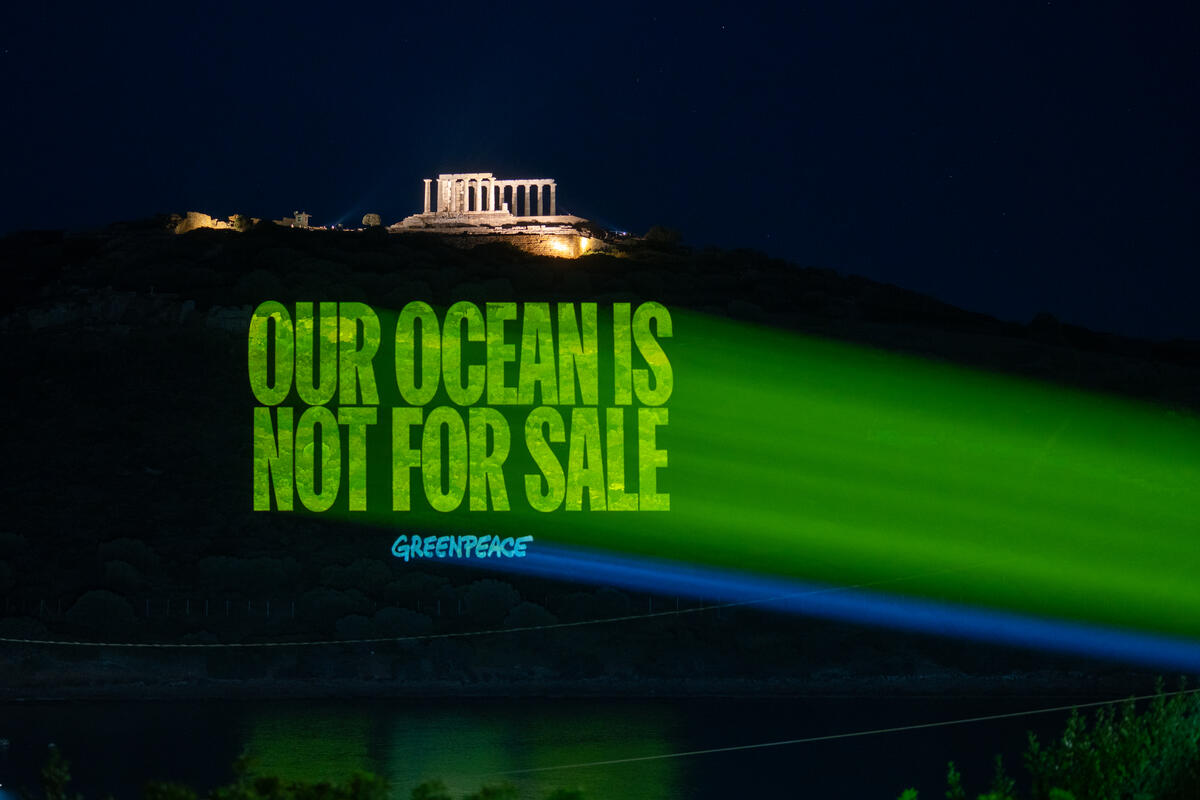
The Global Ocean Treaty reached its 60th ratification in September 2025, clearing the way for this historic agreement to enter into force in January. With only 0.9% of the High Seas currently fully or highly protected, the Treaty is crucial to expanding protection, establishing sanctuaries that help mitigate the climate crisis, and safeguarding food security for the billions who depend on ocean resources.
It is a landmark moment for protecting the ocean, and proof that countries can come together to protect our blue planet. The era of exploitation and destruction must end, and the Global Ocean Treaty is the tool to make that happen. This is a massive achievement – decades in the making – for all the activists, supporters and allies who raised their voices for ocean protection. Campaigners, coastal communities, small-scale fishers, scientists, and ocean lovers everywhere can hold on to this moment as proof that when millions of us demand change, we can achieve what once seemed like a distant dream.
But the fight for the protection of our Ocean is far from over. Scientists are clear that we need to protect at least 30% of our ocean by 2030. Governments around the world must use this time to ensure the first historic ‘Ocean COP’, set for 2026 becomes a turning point, and start to develop plans for the first-ever sanctuaries under the new Treaty. Our ocean can’t wait, and neither can we.
2. Raja Ampat: Victory for ‘The Last Paradise on Earth’
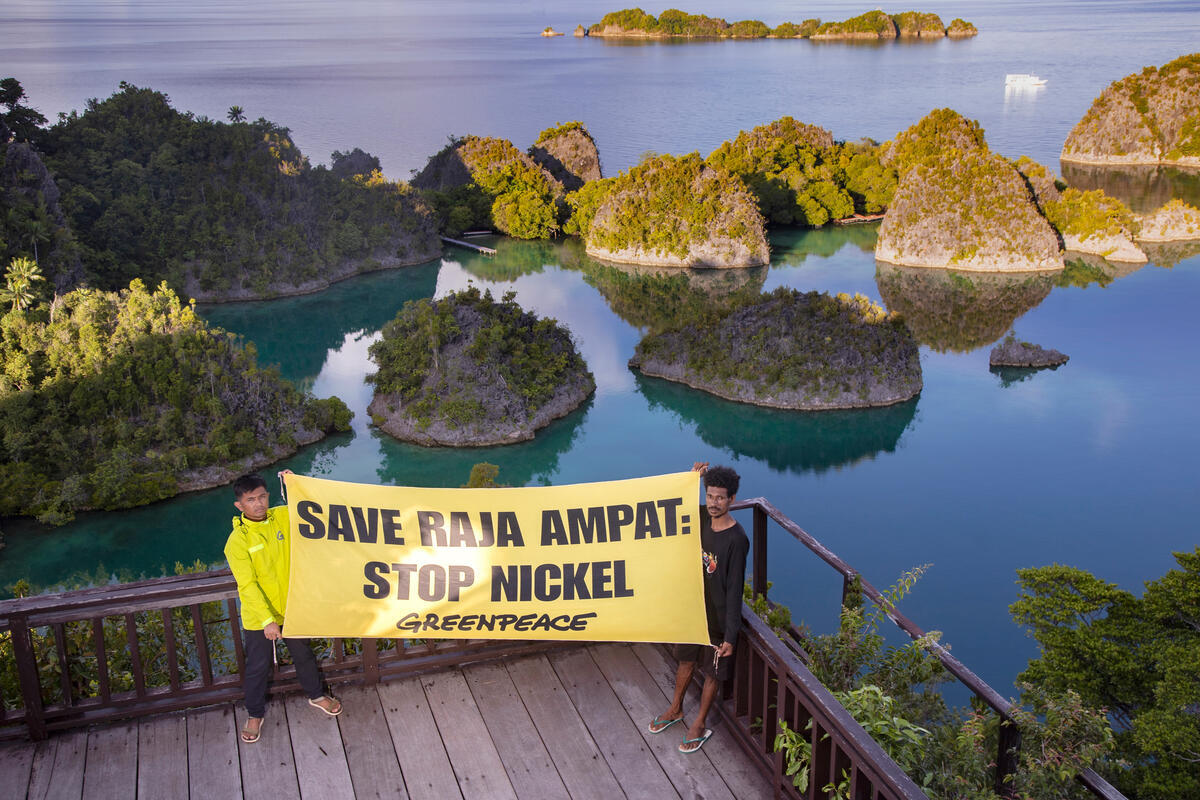
In June the Indonesian government announced it would revoke four out of five active nickel mining licences in Raja Ampat, West Papua, following growing scrutiny of mining activity in the archipelago. Tens of thousands of people signed and posted under the banner of #SaveRajaAmpat in just a matter of days.
The decision came the same day Greenpeace Indonesia released its Paradise Lost? investigation, which documented the scale of the threat nickel mining poses to Raja Ampat – often referred to as “The Last Paradise on Earth”. The report identified 16 nickel mining licences. Twelve of the licences are located within the UNESCO-listed Raja Ampat Global Geopark, and four active licences were on small islands where mining should be prohibited under Indonesian law.
While the government’s announcement represents a significant development, it does not yet secure full protection for Raja Ampat. The permit for the largest mine remains in place, and past experience shows revoked licences can be reinstated. Together with local and Indigenous Peoples in West Papua, Greenpeace Indonesia is calling for the permanent cancellation of all mining permits, the prevention of nickel and smelter development linked to Raja Ampat, and robust legal safeguards to ensure mining cannot return.
This decision demonstrates the impact of sustained investigation, Indigenous Peoples’ resistance and public pressure. It marks an important step toward lasting protection for one of the world’s most biodiverse regions.
3. World’s highest court delivers historic protections for climate-impacted communities
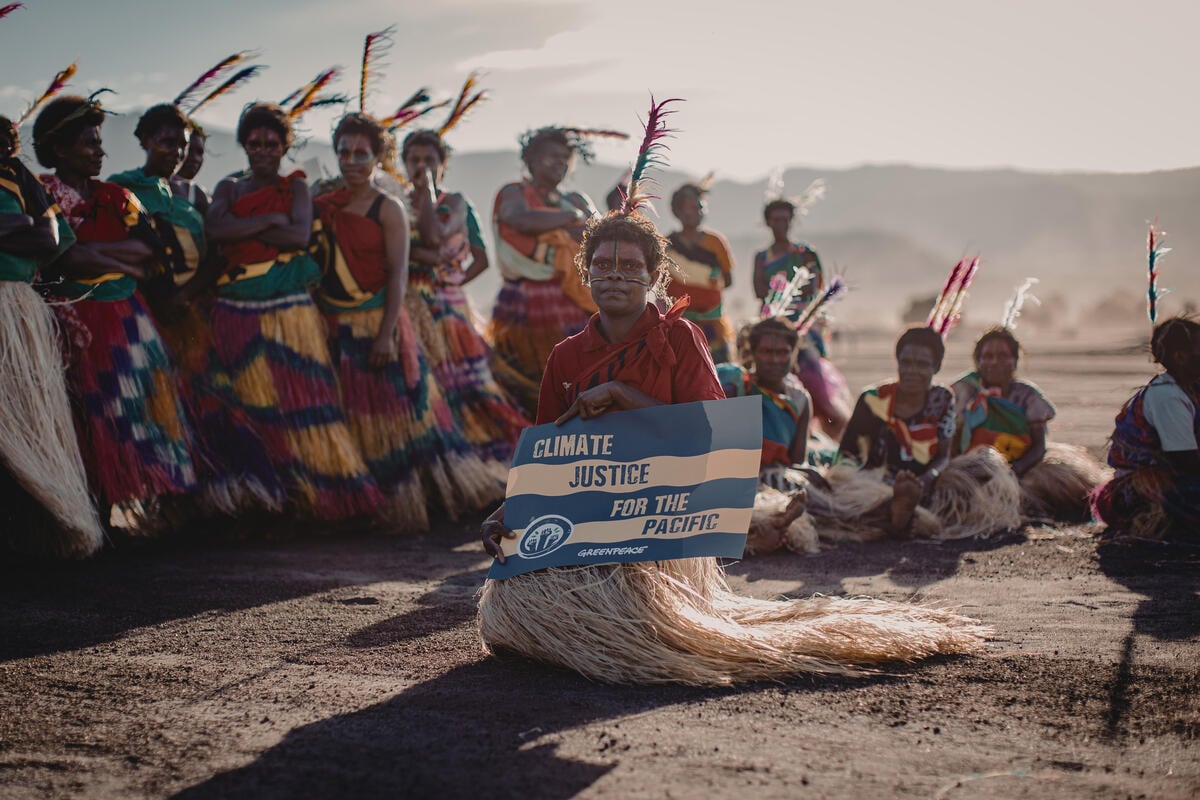
After 6 years of campaigning led by 27 law students in the Pacific Islands, the International Court of Justice (ICJ) issued a landmark Advisory Opinion that strengthens states’ obligations in the climate emergency beyond the Paris Agreement in July. It confirms that all countries have duties to prevent significant environmental harm and that states must regulate businesses for the damage caused by their emissions, no matter where that harm occurs. The court also affirmed that the right to a clean, healthy and sustainable environment is fundamental to all other human rights.
This Advisory Opinion signals a new era of global climate justice. By clearly defining states’ international climate duties and the consequences for breaching them, the ICJ opens the door to new cases that could bring justice to communities suffering the worst impacts of a crisis they did little to cause. The court’s message is unequivocal: fossil fuel production, consumption, and the granting of licenses and subsidies may violate international law, and major polluters must stop emitting and pay for the damage they have inflicted.
4. Landmark trial on greenwashing holds oil and gas corporation to account
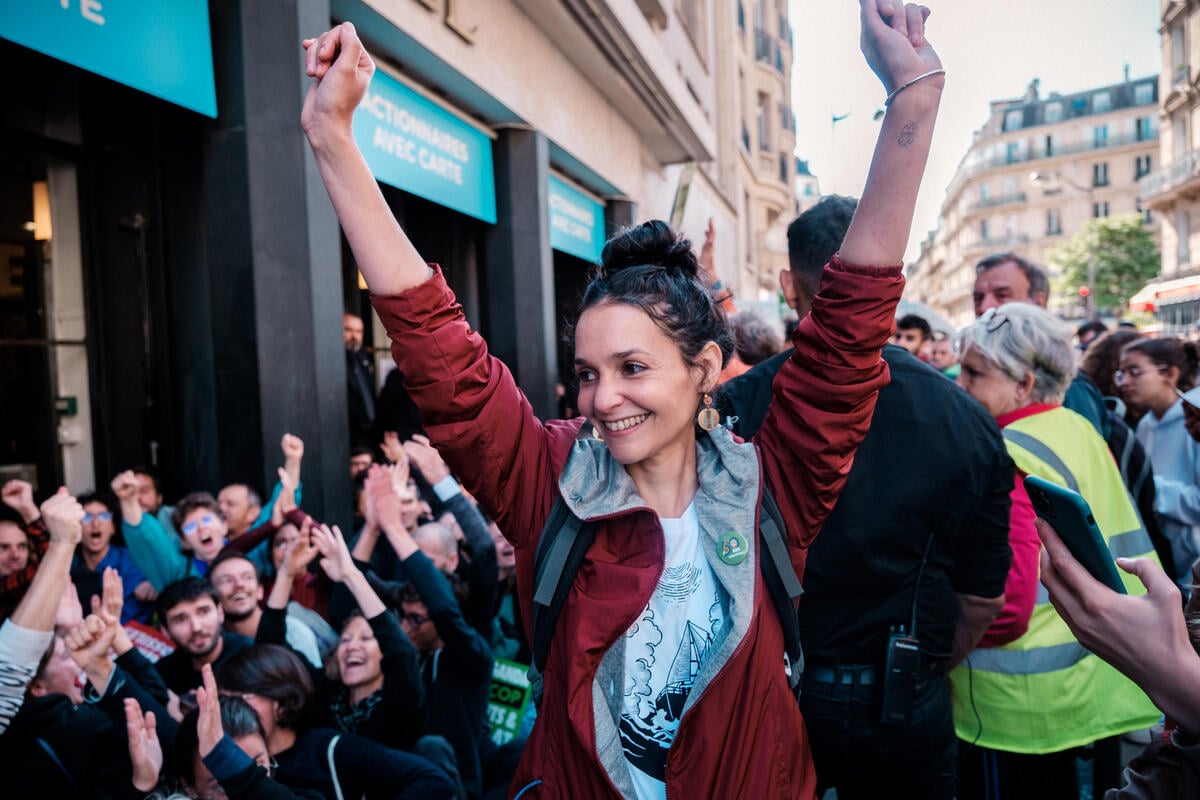
In October, a Paris court issued a significant ruling against TotalEnergies’ misleading advertising. The case, brought by Friends of the Earth France, Greenpeace France, and Notre Affaire à Tous with support from ClientEarth, challenged the company’s attempts to present itself as a climate-responsible actor while continuing to expand its fossil fuel activities.
TotalEnergies claimed in its ads that it placed “climate at the heart of its strategy” and aimed to deliver “cleaner, safer and more affordable energy,” highlighting its 2050 net-zero ambition. The Court found these claims likely to mislead consumers, noting that the company is simultaneously increasing its production and investment in oil and gas – a trajectory incompatible with scientific recommendations and the Paris Agreement, which call for an immediate reduction in fossil fuel production.
This judgment is the first to recognise the oil industry’s net-zero messaging as greenwashing. It marks an important step towards holding major polluters accountable for misleading the public and delaying real climate action.
5. A huge step towards seed sovereignty in Kenya
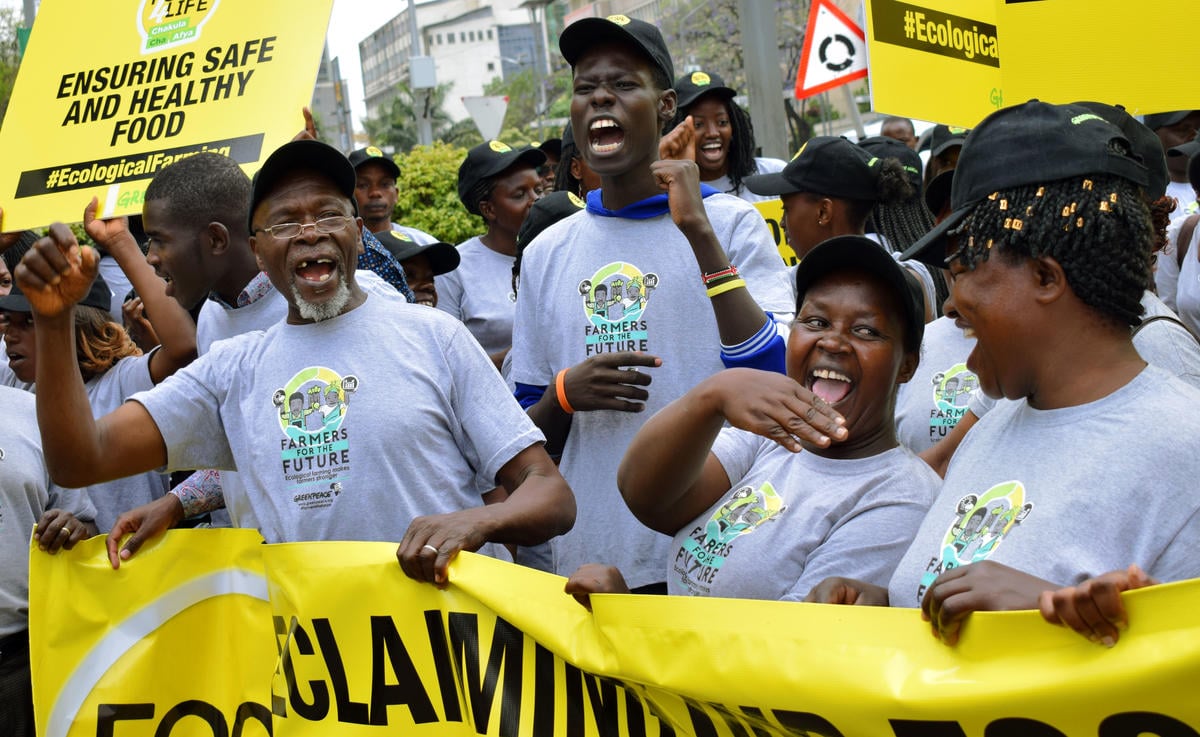
In November, a Kenyan court delivered a groundbreaking judgment declaring that seed sharing among farmers is legal, marking a significant victory for smallholder farmers and allies defending food sovereignty in Africa. For years, Kenyan farmers have lived under the shadow of a law that threatened jail terms of up to 2 years and a fine of 1 million KES (about 7,800 USD) for selling or exchanging unregistered seeds, effectively handing control of the country’s food system to multinational corporations. This landmark decision protects traditional farming practices and the rights of small-scale farmers to save, exchange, and plant seeds freely, challenging corporate control over agricultural resources.
The verdict reinforces community-based seed systems that have sustained food security for generations, setting a powerful precedent for defending farmers’ rights and biodiversity against restrictive seed laws that favour large agrochemical corporations.
6. Banco do Brasil moves: An end to public financing of Amazon destruction
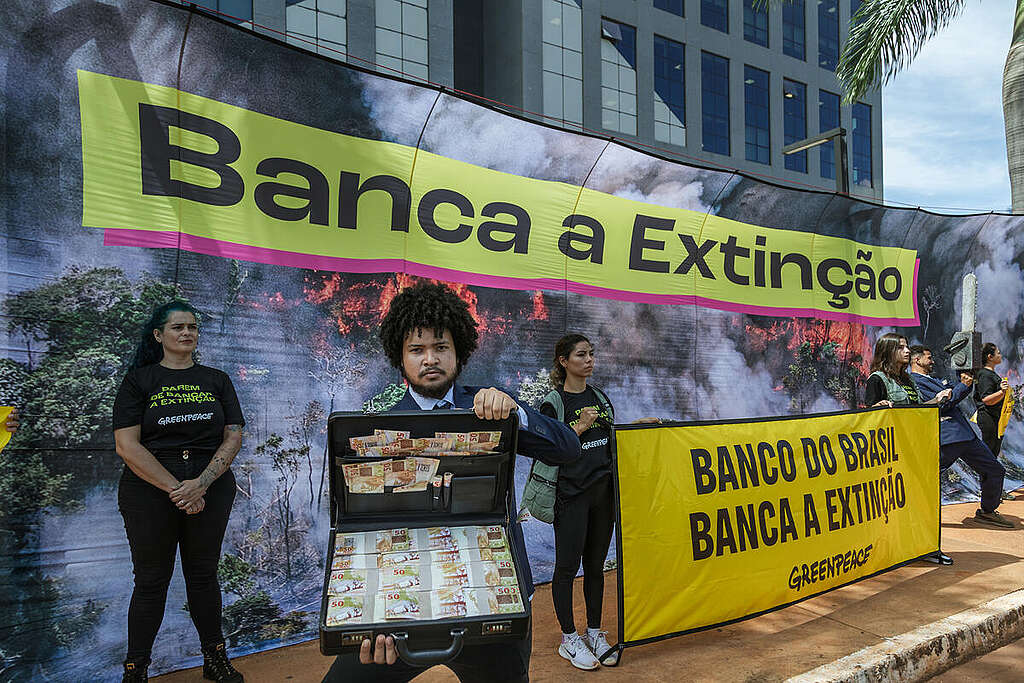
After months of public pressure, the Banco do Brasil updated its environmental and social rules for rural credit. The bank will now block loans to any rural property with environmental embargoes, require proof that any deforestation was legal, and check state embargo lists even if they are not on the federal system. These changes answer key demands from Greenpeace Brasil, which showed how weak rules were allowing public money to fund deforestation, fires and other environmental damage.
The update is an important step, but more needs to be done. The bank still doesn’t fully prevent credit for farms that use illegal fires, and it has not required clear traceability in cattle financing – one of the main drivers of deforestation. Even so, the pressure from society, investigations and public actions has already brought real results and sent a strong message: public money cannot continue to support activities that destroy forests.
Take action now to protect the Amazon and all the world’s forests.
7. Youth and environmentalists hold Norway to account on oil exploration
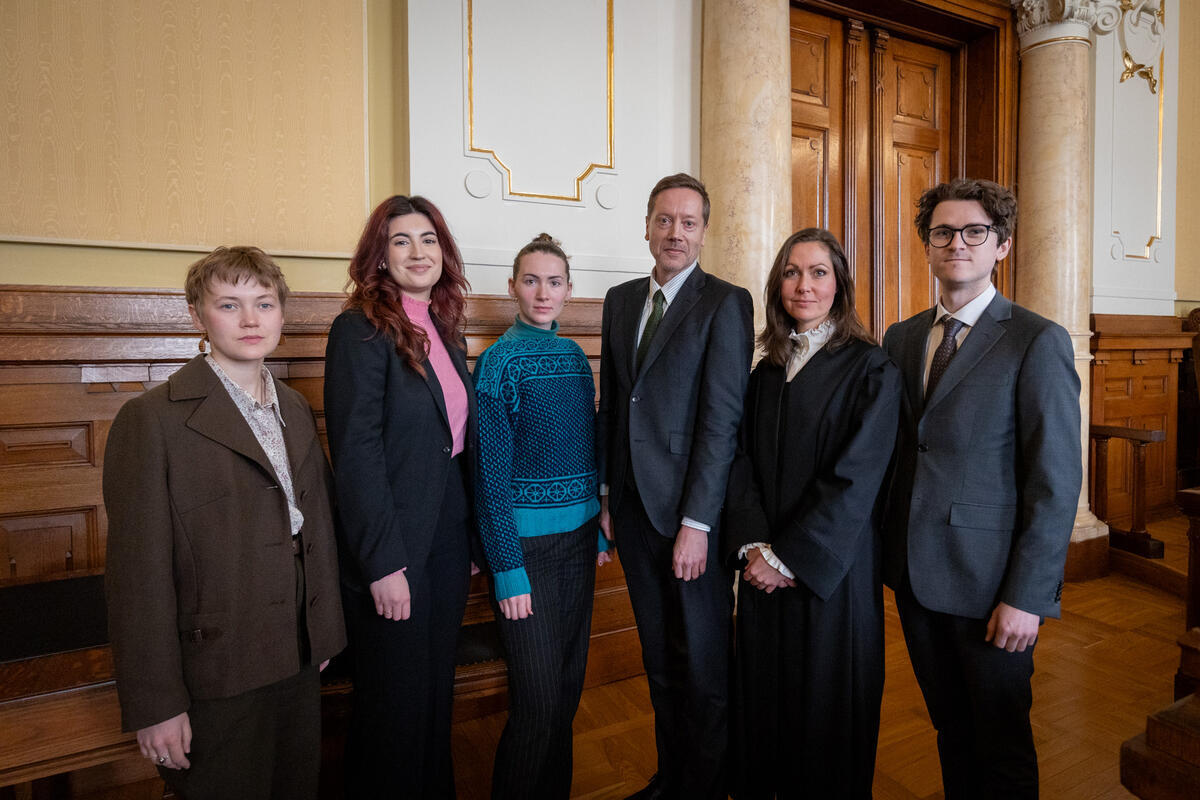
The European Free Trade Association (EFTA) Court confirmed in May that Norway must count all climate impacts when approving new oil and gas projects – not only the emissions from drilling, but also the much larger emissions released when the oil and gas are burned anywhere in the world. This supported the case brought by Greenpeace Nordic and Natur og Ungdom (Young Friends of the Earth Norway), and showed that the Norwegian government was wrong to ignore these “Scope III” emissions, which make up about 95% of a project’s climate damage.
The decision has major consequences for all future fossil fuel approvals in Norway and across Europe. Courts are recognising that protecting people from climate harm is a legal duty, not an option. The ruling follows similar decisions in the United Kingdom, the United States and Guyana, and strengthened an earlier win in the Oslo District Court, where approval of three North Sea oil and gas projects was found invalid for failing to assess these emissions.
The Norwegian government appealed the earlier win, but in November the Borgarting Court of Appeal once again ruled in our favour, reaffirming what the Oslo District Court, the EFTA Court and the European Court of Human Rights, had already made clear – governments must assess the full climate impacts of oil and gas projects, including emissions caused by burning the fuels abroad. This is a huge victory for everyone who is fighting for a safer future, it proves that our struggle for climate justice has real force.
8. The end of new oil and gas exploration in the UK
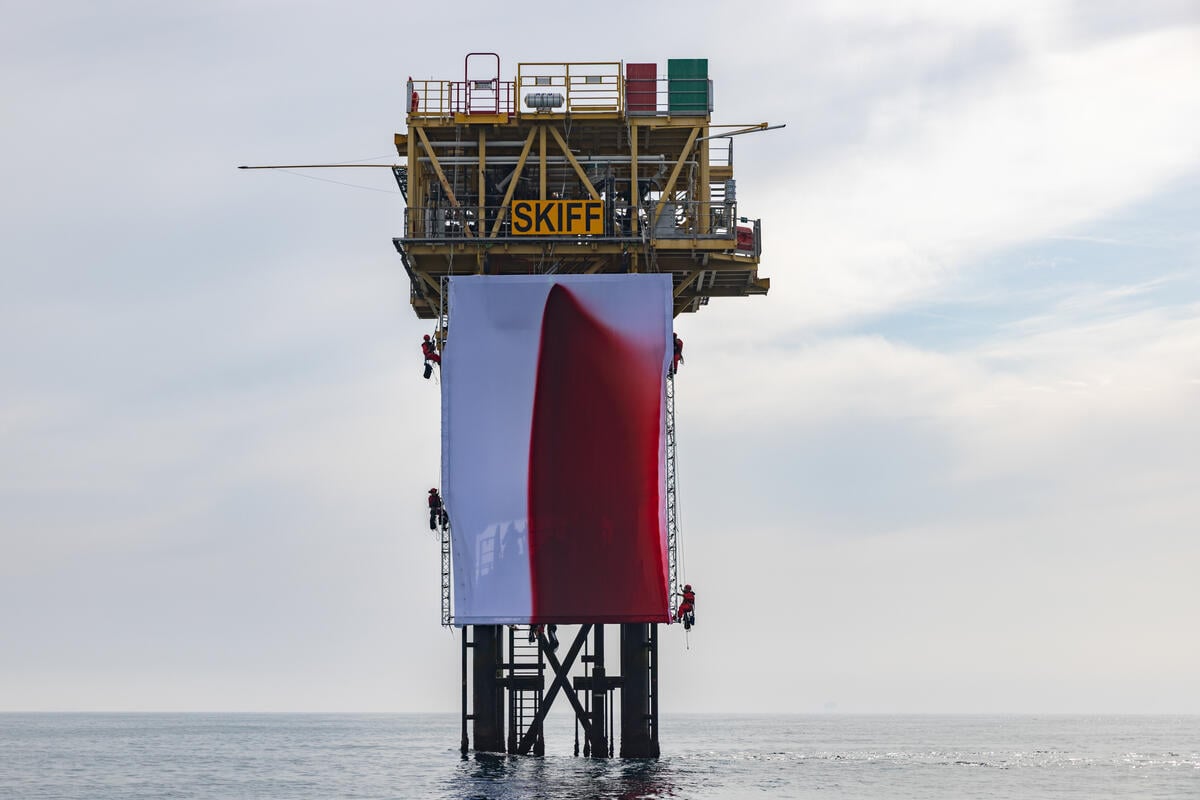
In November, the United Kingdom (UK) government slammed the door on new oil and gas exploration in the North Sea. This makes Britain the largest economy to end new fossil fuel exploration. After nearly three decades of campaigning – from activists clinging to rigs in Arctic storms to lawyers dismantling government decisions piece by piece – this is a historic moment for the climate movement and a win that once seemed impossible. Greenpeace UK first campaigned on the issue of oil exploration licensing in 1997!
This doesn’t mean all oil and gas production will end immediately. The end of exploration licenses means companies can no longer get permission to search for new oil and gas reserves in previously untapped areas. But it’s still a major change. Every new field discovered locks the UK into decades more drilling, more burning, more damage. This decision cuts that cycle off at the source.
So existing UK North Sea fields will produce until they run out, or until production stops for some other reason. But without new discoveries, production will steadily decline until it reaches zero. The North Sea fossil fuel era has a finish line now, and that’s exactly what the climate needs. More countries must follow to ensure a just transition to clean energy, and fast.
But wait, there’s more…
These are only some of the victories that we want to remember, cherish and bring with us as the year comes to a close. But there are many more that we have not mentioned here, just as important, that show us that the environmental movement, united, can in fact bring about true change. It’s not easy, sometimes it is not apparent, but we are doing it every day.
So as this year comes to an end, we hope that we can fuel you with hope and happiness, rather than doom and gloom. We’ll continue our actions next year and we certainly hope that you will join us. Together we can make a change.
And if ever you feel overwhelmed by the enormity of the world that we live in today, know that you have a choice. You have a choice to either feed the negativity that weighs you down, or you can choose to celebrate the good and surround yourself with tangible actions and progress, no matter how small. A quiet moment of reflection, a deep breath and meditation may support you too if you are struggling with climate anxiety.
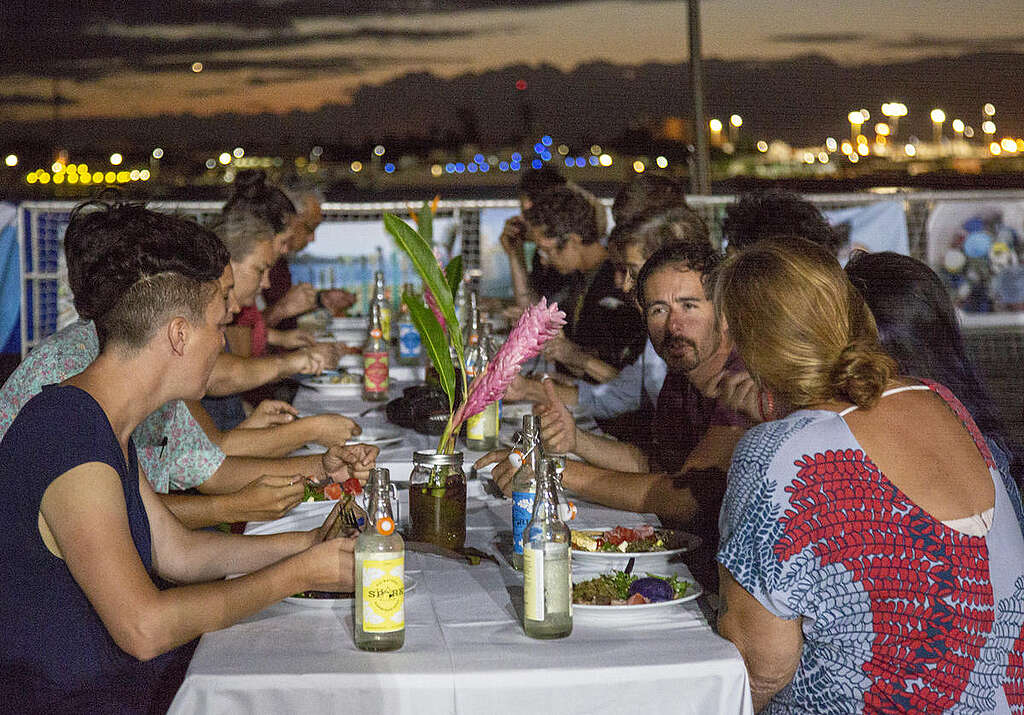
Start a conversation about why/how we need to resist alongside people in your community.
Get the talking pointsCaroline Wagner is Programme Support Manager for the European Collaboration at Greenpeace Germany. Francesca Cresta is Executive and Governance Assistant at Greenpeace Italy. Zinzi van der Aar is a Writer/Editor at Greenpeace Netherlands.
Discussion
Raising voice together against oppression is a sure hope for victims of circumstances.
Thanks for all this encouraging news! I’m so glad that you exist!
I'm deeply grateful for your dedication throughout 2025. It seems like a long struggle that would not have been possible without Greenpeace. I was very impressed by Greenpeace's courageous activities. I hope that Greenpeace members around the world will be able to communicate, empathize, and work together more. I hope that small concerns about the world we live in will move the hearts of more people and become a sincere voice that urges action. Merry Christmas & Happy New Year! I'm so proud of you. Thank you so much.
Save to Aravali mountain in india
This is very positive and a light of hope . Greenpeace🫂🌏✌️