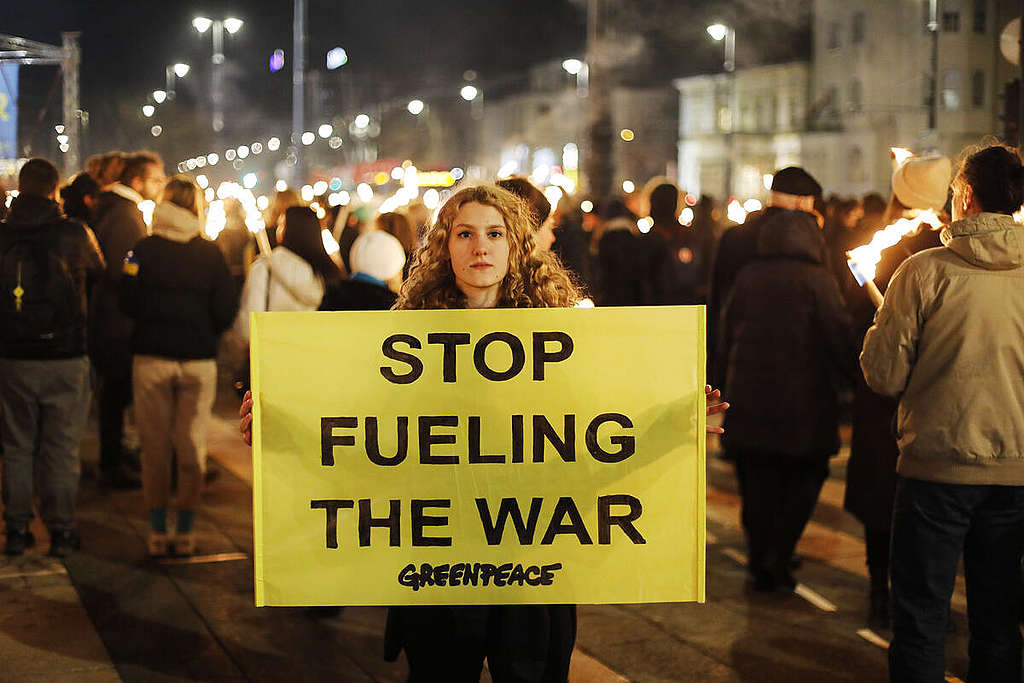
On 24 February 2026, the world marks the fourth anniversary of Russia’s full-scale invasion of Ukraine. While global headlines are filled with news about negotiations and attempts to inspire hope for peace, the Greenpeace Ukraine office is experiencing Russia’s so-called “peaceful intentions” firsthand. For several months now, staff members have had only a few hours of electricity and heating per day, often without hot water, without the ability to use elevators, or to cook meals for themselves and their children.
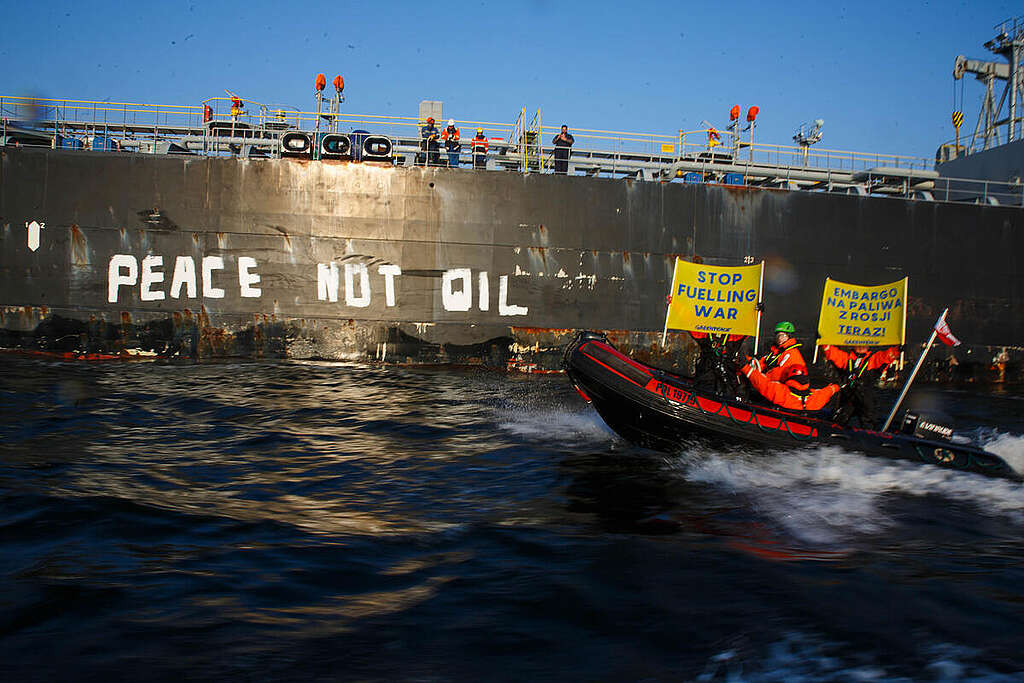
From day one, Russia’s colonial war has been aimed at destroying Ukraine’s existence as an independent and sovereign state with its own culture and language, deliberately targeting civilians, homes, cities, and critical infrastructure. Today, in the 12th year of Russia’s war and the fourth year of the full-scale invasion, Ukraine is facing the deepest energy crisis in its history – a crisis deliberately and systematically created by Russian attacks.
Energy grid strikes are no accident
Since the start of 2026 alone, 217 attacks on Ukraine’s energy infrastructure have been reported. In January Russia fired more than 6,000 attack drones, around 5,500 guided aerial bombs, and 158 missiles of various types at infrastructure. Thermal power plants, substations, and district heating facilities are repeatedly targeted by Russian missiles and drones.
These strikes are not accidental – they are part of a deliberate strategy of energy collapse. The goal is simple: to leave people without light, heat, and water, to turn winter into another front of the war, and to force Ukraine to surrender.
While repairs continue, frequent power disruptions leave many families in freezing conditions in the coldest winter in more than a decade. In many Ukrainian cities with district heating systems, electricity is supplied for only a few hours a day, often at night. Businesses, hospitals, schools, and public spaces are forced to operate at the edge of their capacity or shut down altogether, as diesel generators cannot sustain 12–15 hours of continuous operation. At the same time, air raid sirens, drones, and missiles have become the background of everyday life for millions of people.
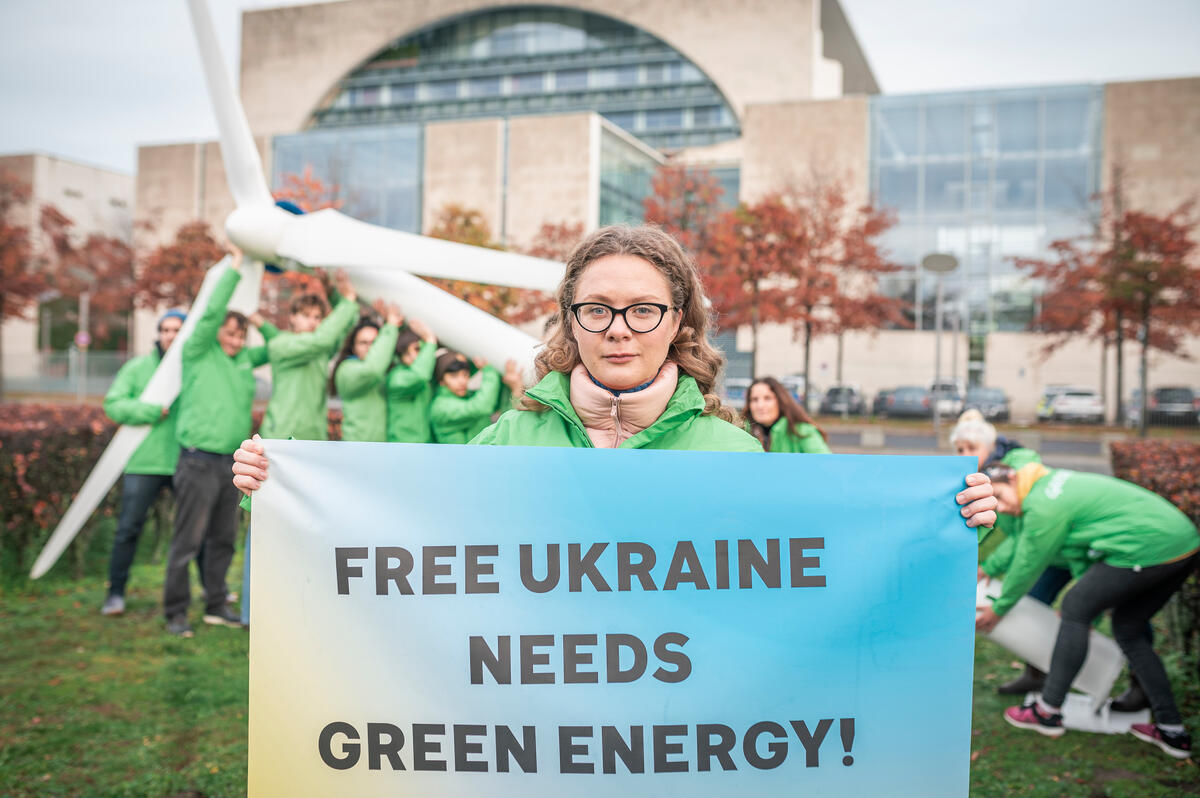
We need a decentralised and renewable energy system
It is precisely in this darkness that Ukraine has gained a very clear understanding: a centralised energy system based on nuclear generation, Russian gas, and fossil fuels is highly vulnerable to war. By contrast, decentralised renewable energy solutions with energy storage save lives.
During Russia’s war against Ukraine it became clear that green technologies are no longer just about climate, environmental protection, or cost savings. In Ukraine, they have become a matter of survival, security, and resilience. Decentralised solar panels, heat pumps, batteries, and autonomous power systems have proven their effectiveness in the most extreme conditions. They work when the centralised grid is destroyed. They are harder to eliminate with a single strike and much faster to install or replace. They provide heat, light, and water where it may seem that nothing is left.
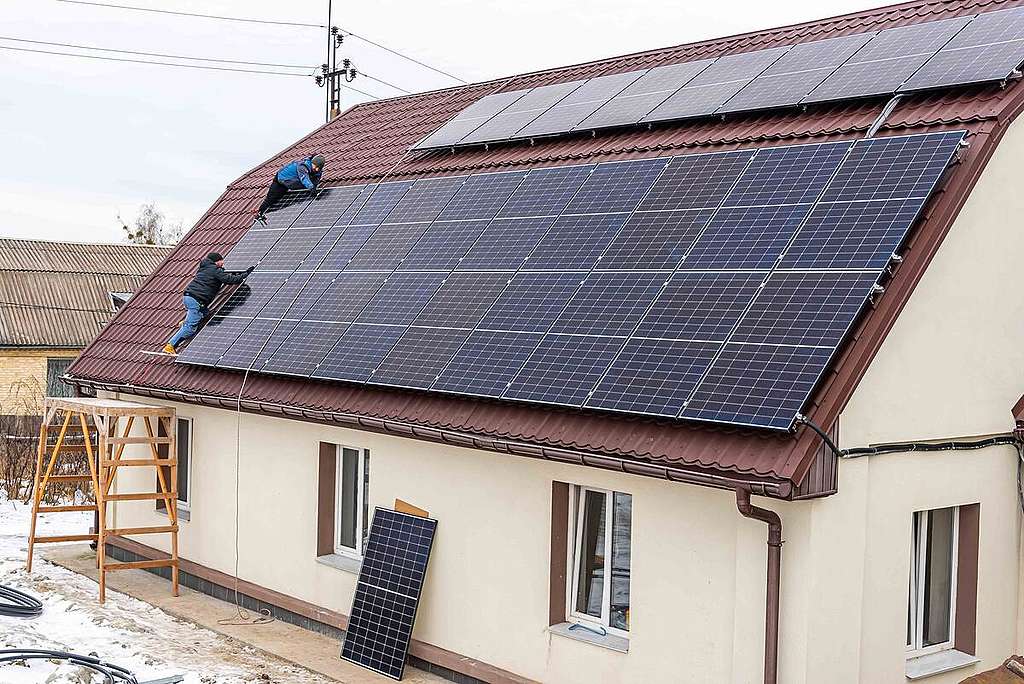
Patients in hospitals and outpatient clinics can receive vaccinations and medical care on time. Children in schools and kindergartens have alternative power for learning and for staying in shelters – they can wait out danger in warmth and light. Residents of multi-apartment buildings have reliable heat from the energy of the earth. Green solutions are already working today, offering support and hope in extremely difficult times.
Green energy solutions are generating hope
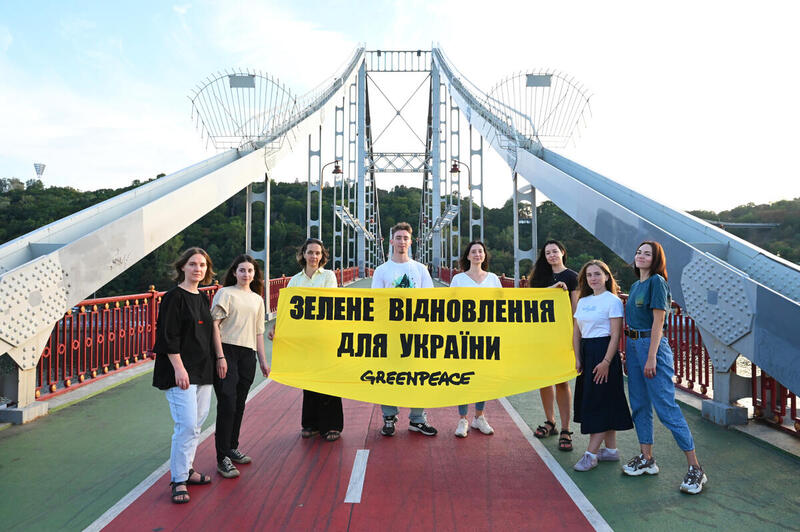
That is why Greenpeace CEE continues to work in Ukraine during the war. We remain here because this work is critically important right now. Since 2022, our international team, together with local communities, partners, and donors, has been implementing renewable energy projects – from solar systems for medical facilities to comprehensive solutions for communities.
One of the most striking examples is the green reconstruction of a multi-apartment building in Trostyanets – a city near the Russian border that suffered occupation and destruction. Today, this building is the first multi-apartment residential building in Ukraine where both space heating and hot water supply are provided exclusively by heat pumps. For us, this is not just a restored building. It is a practical model of Ukraine’s future energy system – decentralised, resilient, and secure.
Towards energy security and peace
Ukraine’s experience clearly demonstrates that renewable energy is not something for “after the war” or “when things get better.” It is a solution that must be implemented during war if we want to protect people and reduce society’s vulnerability to violence and authoritarianism. Every solar panel, every heat pump, every battery energy storage system is a step towards energy security, independence, and peace.
We believe that Ukraine’s future is green, just, and safe. That is why we stay here, work here, and will continue to do so – together with people who prove every day that even in the darkest times, it is possible to build light.
At the same time, we call on the entire world:
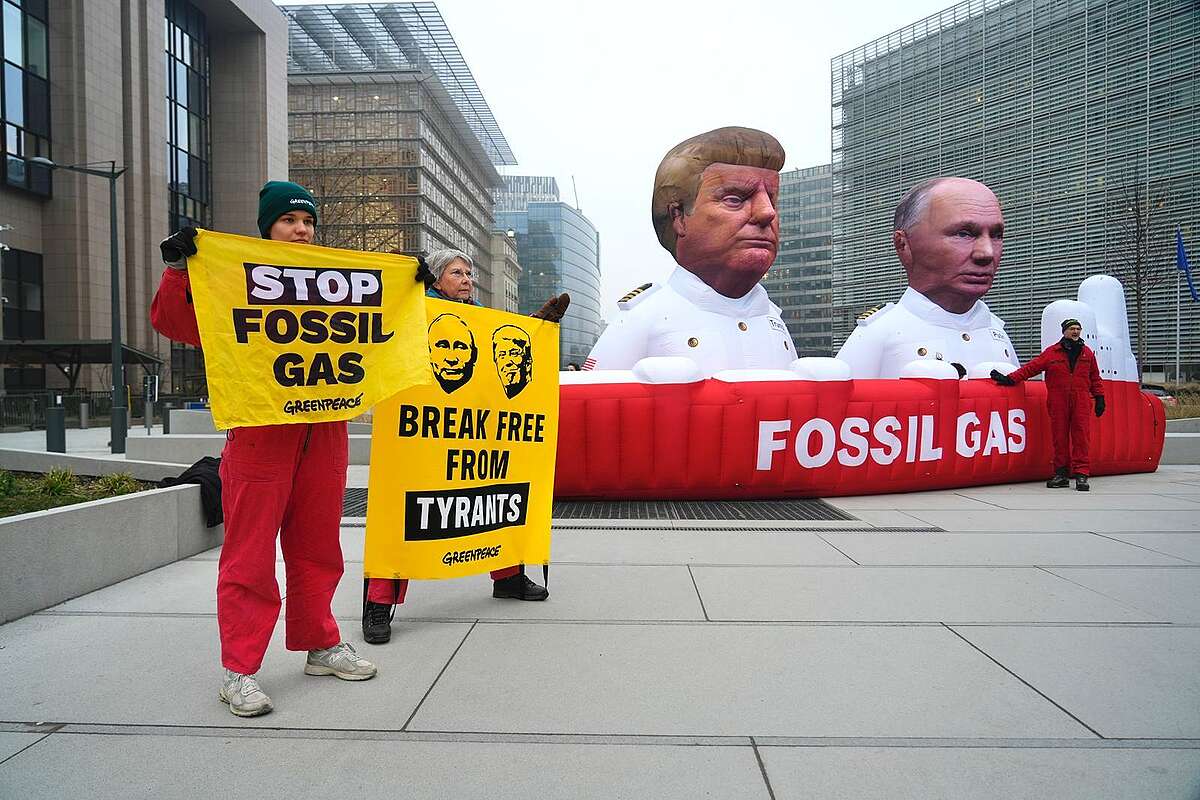
- Stop consuming and buying Russian gas – it fuels war and killing.
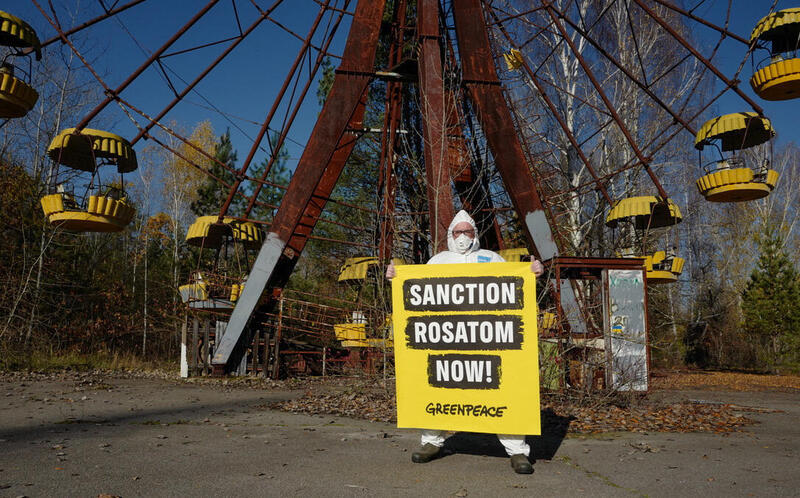
- Stop doing business with the nuclear blackmailer Rosatom – it must not build new nuclear power plants in Europe and must be punished with sanctions.
- Increase pressure on Russia’s shadow fleet so that it cannot finance new missiles and drones.
Today, every country, every government, and every conscious individual can help bring real peace closer.