A version of this article was originally published by Daily Maverick Earth on 8 February 2026.
Birthing babies can become way more complicated in extreme weather, as can managing everyday healthcare and medical emergencies. But such pressures will only increase as fossil-fuelled disasters intensify. Here’s how one South African mother and community care worker handled childbirth in a Red Level 10 storm without access to health facilities – and why governments need to invest in climate-resilient infrastructure and make polluters pay for the mounting cost of their climate impacts.
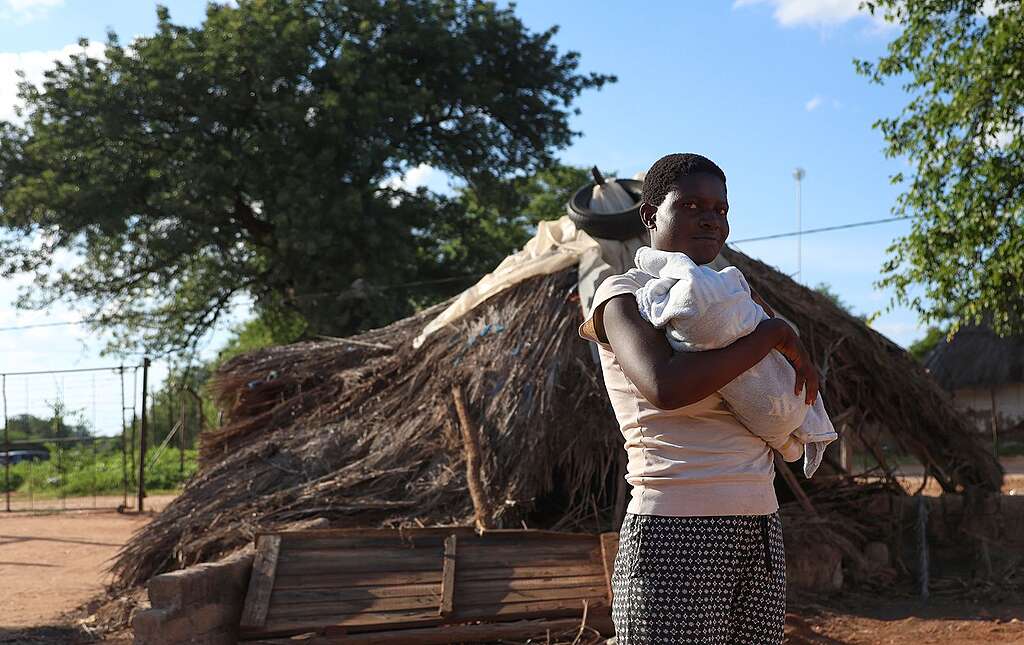
Cut off by floodwaters and without access to a clinic, a South African home-based carer was forced into an extraordinary role when a young woman went into labour during recent floods. In Mbaula village, amid destruction and isolation, an impromptu baby delivery became a symbol of hope and solidarity in a community left on the margins of healthcare.
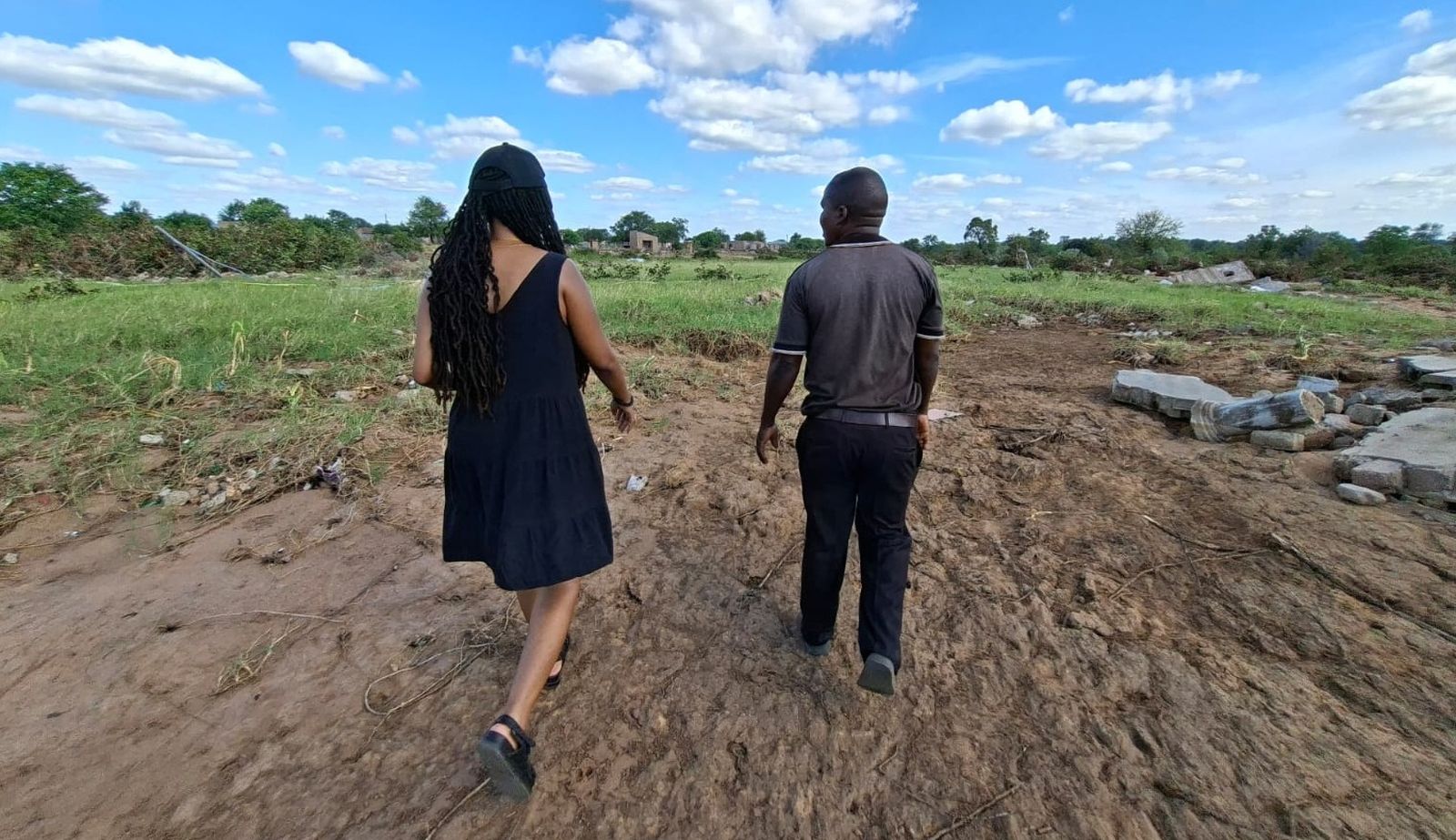
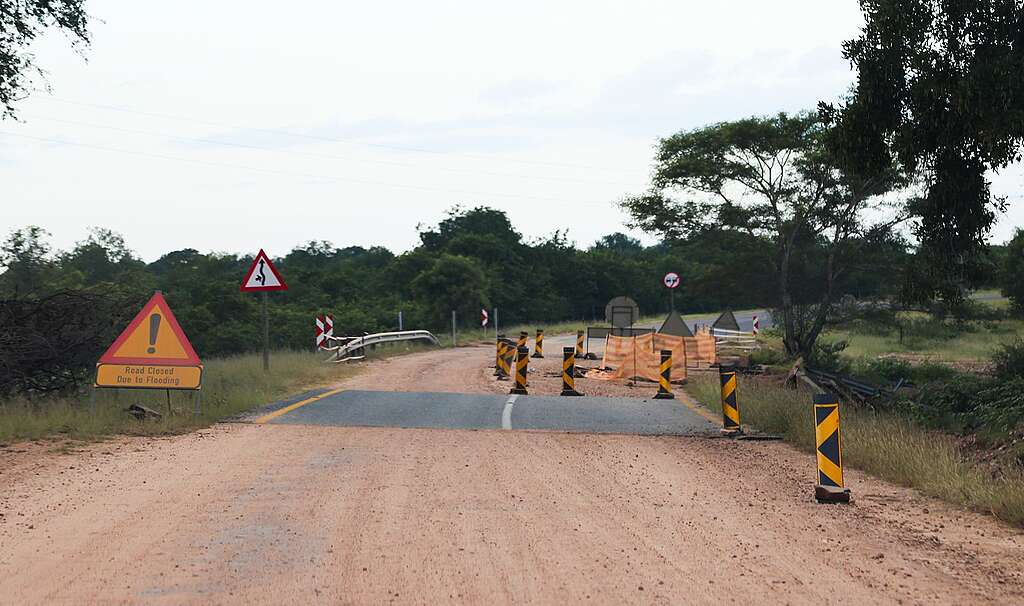
On Wednesday 14 January, floods caused by a low-pressure system that began in Mozambique, but quickly moved into the neighbouring South African provinces of Mpumalanga and Limpopo, caused immense destruction. Homes were gutted, roads washed away and more than 30 lives were reportedly lost. In neighbouring countries, the reported death toll went into the hundreds and nearly a million people were displaced.
At the heart of the areas most affected by the floods was Mbaula, a village in Giyani, Limpopo province.Daily Maverick had reported about homes and lives that lay in ruin in the aftermath of the extreme weather event, but in the words of Mbaula resident Maggie Sethagane, it was also the day “God performed a miracle”. It was on this day, as the Mbaula River swelled and flooded part of the village, that she (with no medical equipment or access to healthcare services) helped a young mother bring new life into the village.
Health facilities are hard to access even in better weather. Extreme conditions make it impossible
Sethagane has been working as a home-based carer since 2001. In her role as a community health worker, she takes care of the sick, visiting them in their homes, explaining treatment and assisting them to take their medication correctly. But on the first day of the floods, she found herself taking on another role – midwife.
Late that evening, Evidence Ramoshaba, a pregnant mother experiencing contractions, came to Sethagane’s door asking for help to reach the local clinic as she was in pain. Villages like Mbaula do not have their own clinic, forcing residents to travel long distances for care. A mobile clinic visits the area once a month, along with an ambulance. However, it is difficult to get an ambulance out to the village at times, even in better weather conditions. The nearest health facility, Makhuva Clinic, was in a neighbouring village, which could only be reached by roads that had been blocked by rapidly swelling rivers.
“I told her, ‘It is impossible for me to take you to the clinic because there is no road. It has rained a lot. And even if we used the road through Phalaubeni… to get to Makhuva clinic, there is a river ahead. We won’t be able to pass,’ ” Sethagane recounted.
With no other option, Sethagane advised Ramoshaba to return home and wait with her sister-in-law until it was time for the birth. A few hours later, when the mother’s family told Sethagane that the situation was becoming dire, the home-based carer came across to assist. She had no equipment, not even gloves, as the clinic issues these to community health workers on an as-needed basis.
“I told her, ‘Push, push, push, there is no other way’. She pushed, and the child came out. At that point, we didn’t have a razor blade [to cut the umbilical cord], we didn’t have anything. We didn’t know what we were going to do,” said Sethagane.
She told Ramoshaba to sleep, with the baby in her arms, until they could figure out what to do.
It was only the following morning that Sethagane, along with Ramoshaba’s mother, was able to organise a razor and purchase wool from the local seamstresses, who sewed xibelani, traditional Xitsoga skirts. Using those two everyday household items, Sethagane was able to cut the umbilical cord and discard the placenta.
“We took a risk, but there was nothing else we could have done,” said Sethagane.
‘Hope’ despite the storm
“The child was born on Thursday, 16 January… The child only went to the clinic when she was three days old on the 19th because … the roads were not alright. You could not use them. It was basically on Monday that I took [Ramoshaba] to the clinic when I was going to work. That’s when they checked her to make sure she was alright, and the baby as well.”
The baby girl, Kutshemba, which means “hope” or “believe in” in Xitsonga, was found to be healthy despite the unusual circumstances of her birth.
“This child was born on the day of the disaster. She came on a very hard day, a day with problems… God performed a miracle by making sure this child was born okay, even though she wasn’t born in a clinic,” said Sethagane.
Cradling a sleeping Kutshemba in her arms, a quietly-spoken Ramoshaba told us that she chose to give her child that name because the manner in which she was born held no promise that the baby would survive.
“It was 10pm or 10.30pm, and the rain was falling hard. It was raining so hard… there was no way we could leave the village. There was water everywhere, and the bridge to Makhuva was blocked. There was nowhere to go, but we did try our best; that’s how the baby was born at home,” she said, motioning to the house.
Ramoshaba said she had lower back and abdominal pain for three days with no access to medication before she could seek medical attention at Makhuva Clinic.
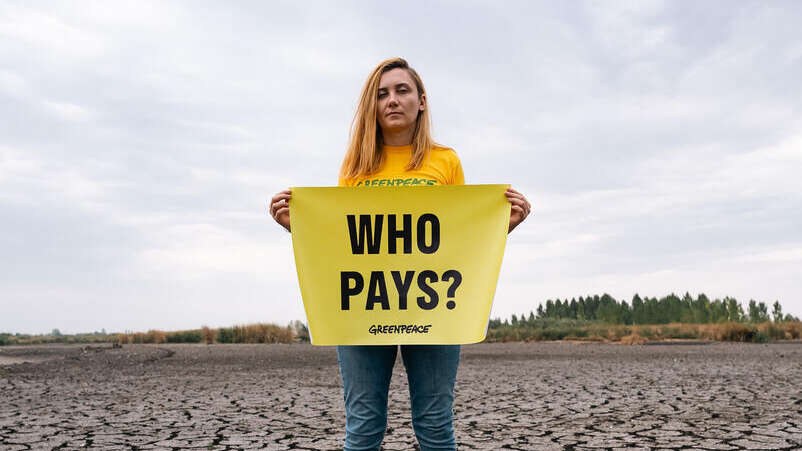
Editor’s note: Make polluters pay
As storms, floods, fires, and droughts are hitting us more frequently and with greater intensity around the world, the costs of the climate crisis are going up significantly. Countries in the Global South not only bear the brunt of the climate crisis due to increased frequency and severity of extreme weather events, but must do so with what’s left after centuries of colonial looting. Communities already battling to expand public infrastructure (like clinics and hospitals) must now rebuild what is destroyed during weather disasters.
Bold taxes or fines on oil and gas corporations would help to raise vital revenues which should be used to ensure that communities are given the support they need to recover, rebuild and invest in climate solutions. After all, the fossil fuels industry is single-handedly the biggest driver of climate impacts. Hopefully these taxes will also serve as a deterrent to their climate-wrecking polluting activities, and actually curb the climate impacts.
Lerato Mutsila and Tamsin Metelerkamp are Daily Maverick journalists based in South Africa.
Guest authors work with Greenpeace to share their personal experiences and perspectives and are responsible for their own content.
Sign the pact, record your story. Join the global movement to make polluters pay.
Join the movement