I’m deeply familiar with activist burnout. After five years working as an environmental journalist in the Amazon rainforest in Brazil, I had reached a point of mental and emotional exhaustion. Along my recovery journey, which took me many years, I’ve finally learned the basics: caring for myself is more important than the mission I’ve embraced. More important? Yes. Because if we allow ourselves to become completely broken, we can no longer be the activists we want to be in the first place.
The world seems to be upside down many times a month – or even, a week or, a day! Directly and indirectly, we are all being impacted by environmental destruction, and human rights abuses.
If you are one of those who dare to act, then it has not been easy for you – having to carry on while facing so many threats at the same time requires another set of skills, ones that will enable us to care for our mental health while we do our best for the world we love.
Here’s 9 ways I was able to recover and prevent future burnout:
1. Learn from ancestral wisdom
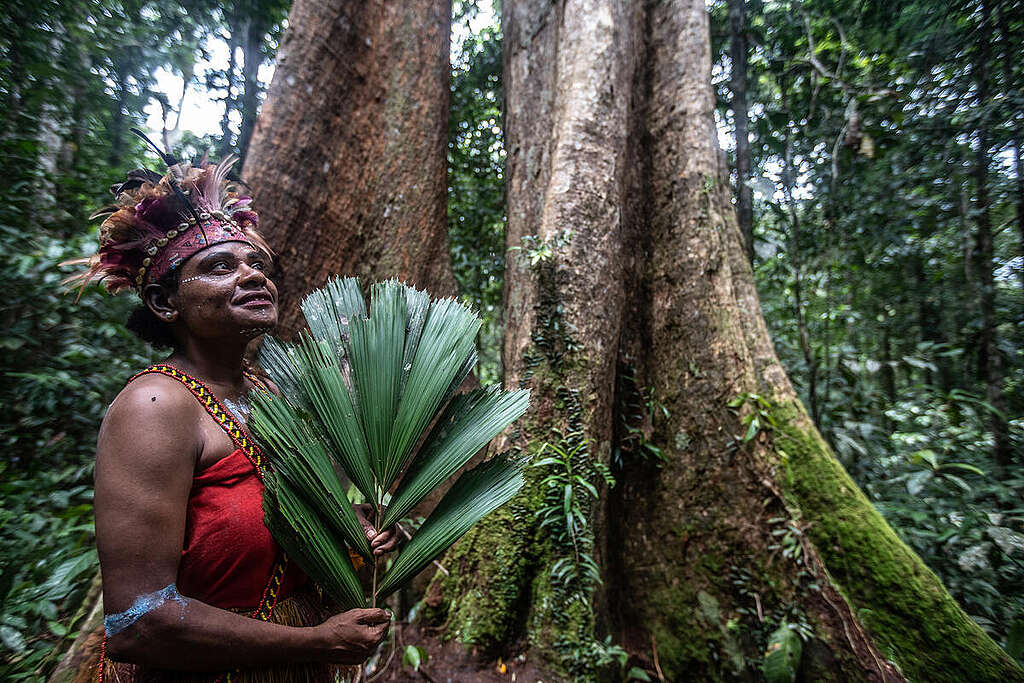
Learning from Indigenous Peoples helped me to go deeper in my connection with nature, to expand my worldview, and to learn more about what is important for us to do to protect the Earth.
2. Participate in collective experiences with like-minded people
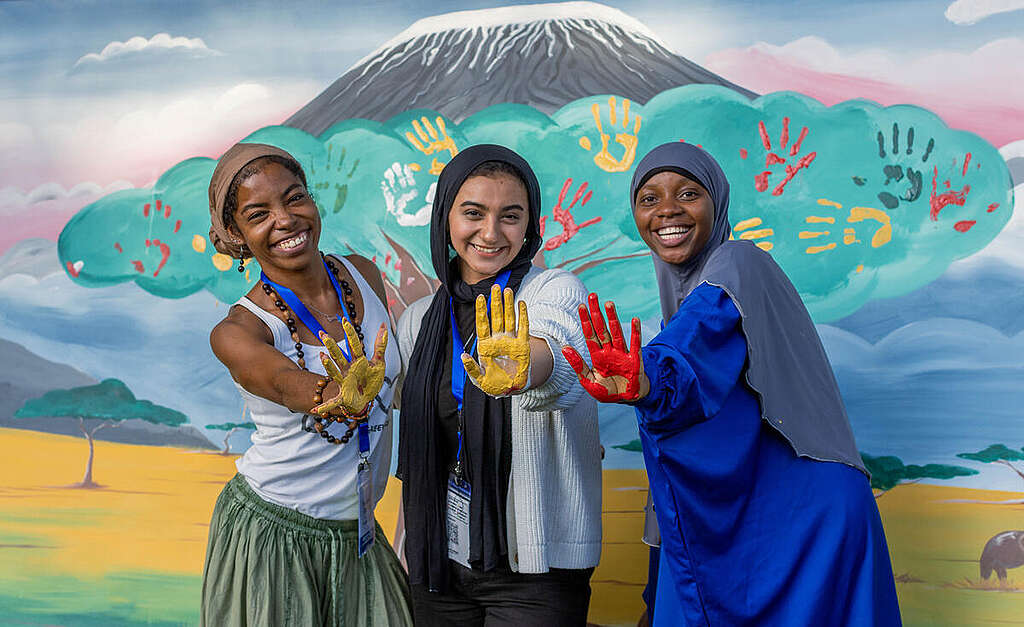
I joined workshops and ceremonies with other activists, where we could talk openly about how we were feeling, our vision for a better future and strategies to get there. Sharing with like minded groups was nurturing and helped put us back on track with an increased sense of hope and joy.
3. Get support from healers, coaches and therapists
The recovery was a journey of self-discovery where I learned a lot about boundaries, recognising when my body tells me to take a deep breath and to relax my mind, so I could be in touch again with the beautiful possibility of reinventing myself to never stop being an activist – here I am.
4. Establish a rhythm of studying
I studied things that helped me to find ways of action focused on love, education and inspiration, like Deep Ecology, The Work that Reconnects, Systems Thinking, Non-Violent Communication, Delicate Activism and more.
5. Ask for advice from experienced people
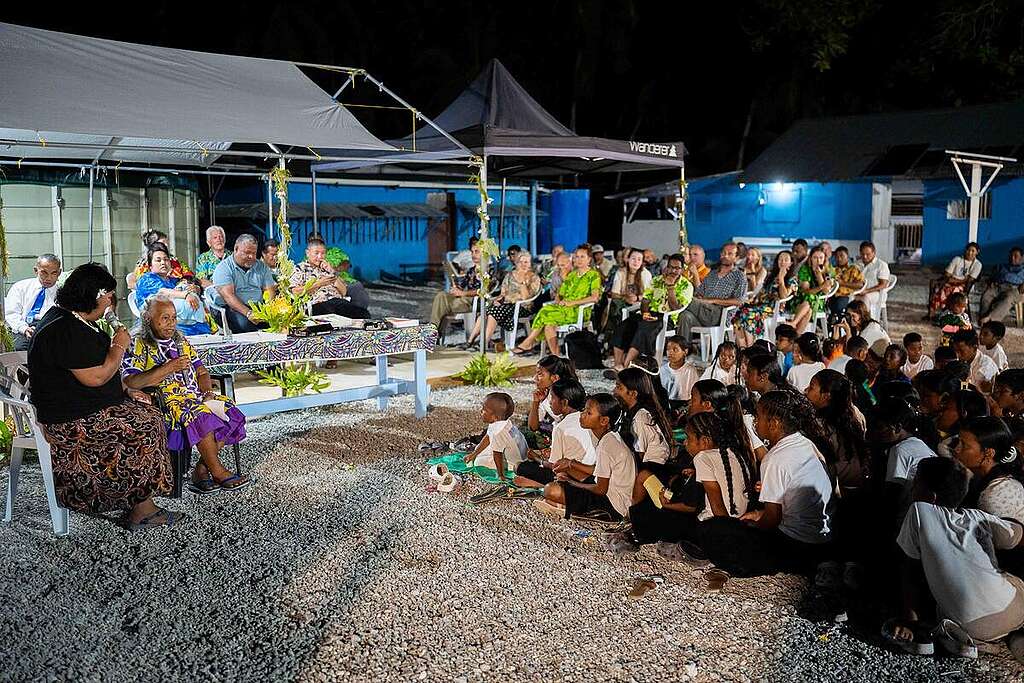
I started sharing my plans, achievements and fears with teachers that had spent their entire lives as activists: Stephan Harding, Joanna Macy, Satish Kumar, Antonio Donato Nobre, and more. Stephan would tell me: “Remember to balance emotion and intuition with thinking and logic in your work.” Joanna’s advice: “Are you in distress? Use it!” taught me to see this emotion as part of my power to change things. Satish’s words : “Create your own way”, emboldened me to trust my creativity to find new ways of being an environmentalist while Antonio’s: “You don’t have to live in the Amazon to protect it” was liberating.
6. Talk with activists friends
It’s important to have people around you who could truly understand each other’s experience. When things got hard or great again, we weren’t alone.
7. Take care of my health in systemic ways
Body, mind, emotions, soul – I became more attentive to my health as a whole. I eat well, meditate, have a therapist, spiritual practice and exercise.
8. Make nature my ally
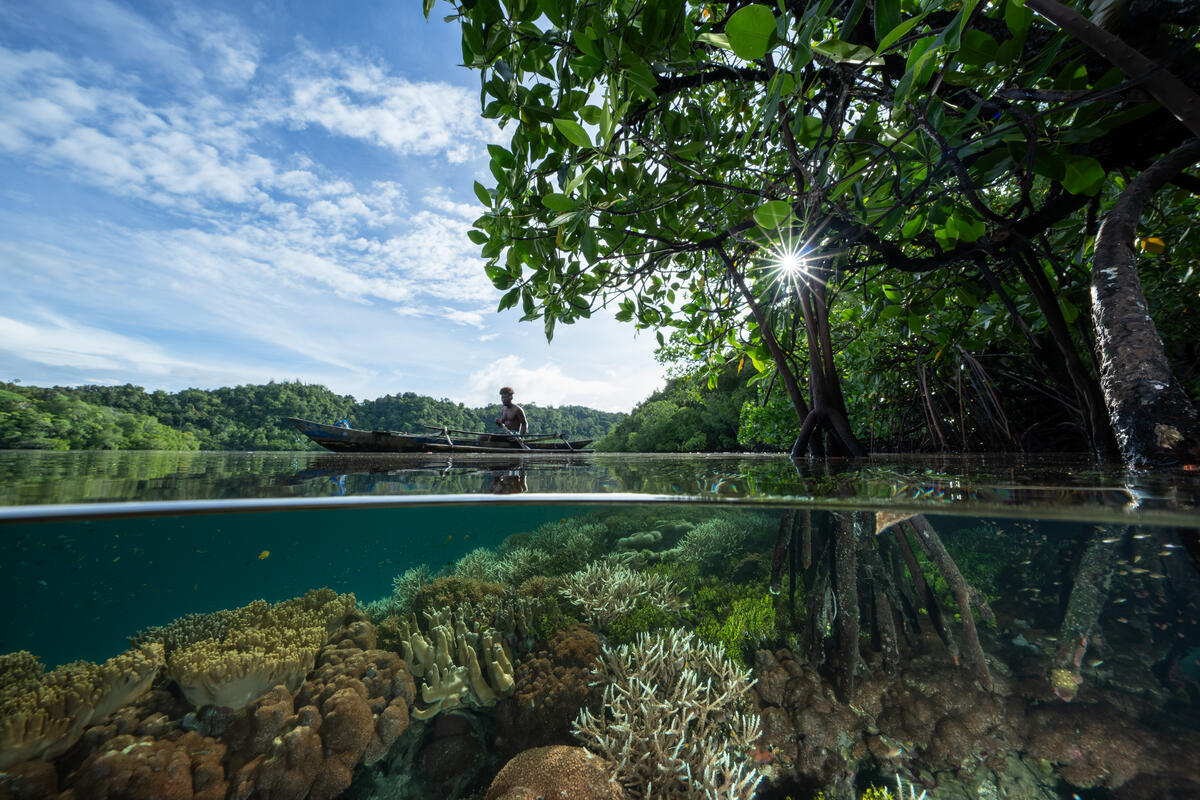
Being in nature is something that has helped me countless times to reorganise myself and my work, bringing me back over and over again to a state of peace, relaxation, and wellbeing.
9. Learn from elders to never stop dreaming
The vision for a better future, the reality we know is possible – one of peace and justice for all is a great motivation to continue on the path of our active hope, even if a burnout meets us along the way.
Here are some other resources:
- Coping with climate grief: advice from an environmental psychologist
- Climate anxiety: 21 resources to energise you into action
- The ties that bind us, and move us forward
Take care. Save this post.
Your activism needs you well.
Karina Miotto is a Content Editor with Greenpeace International.