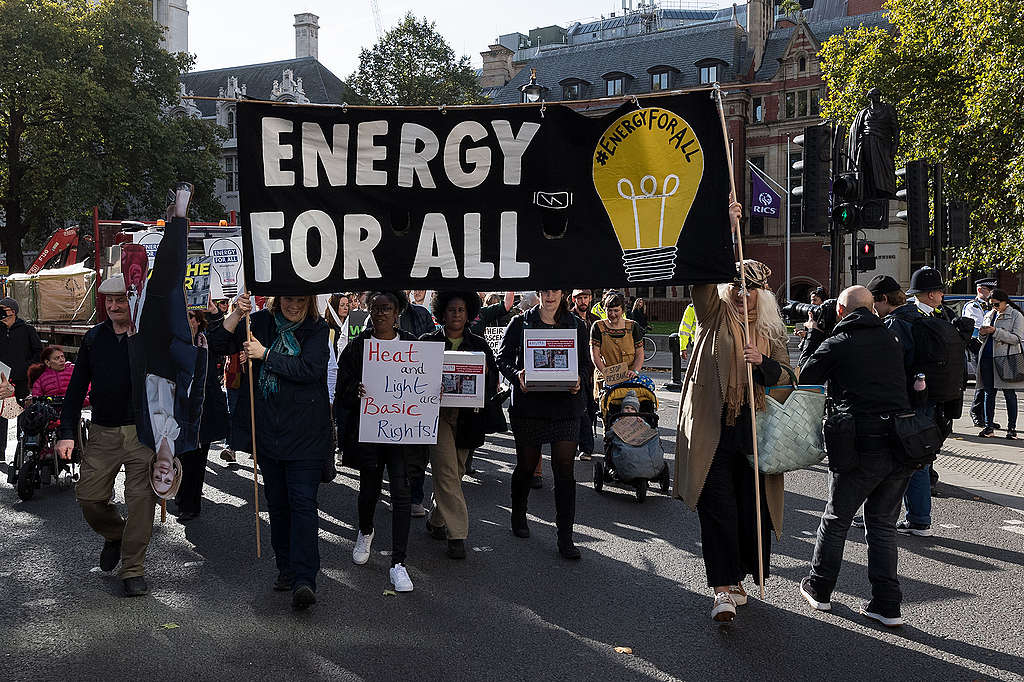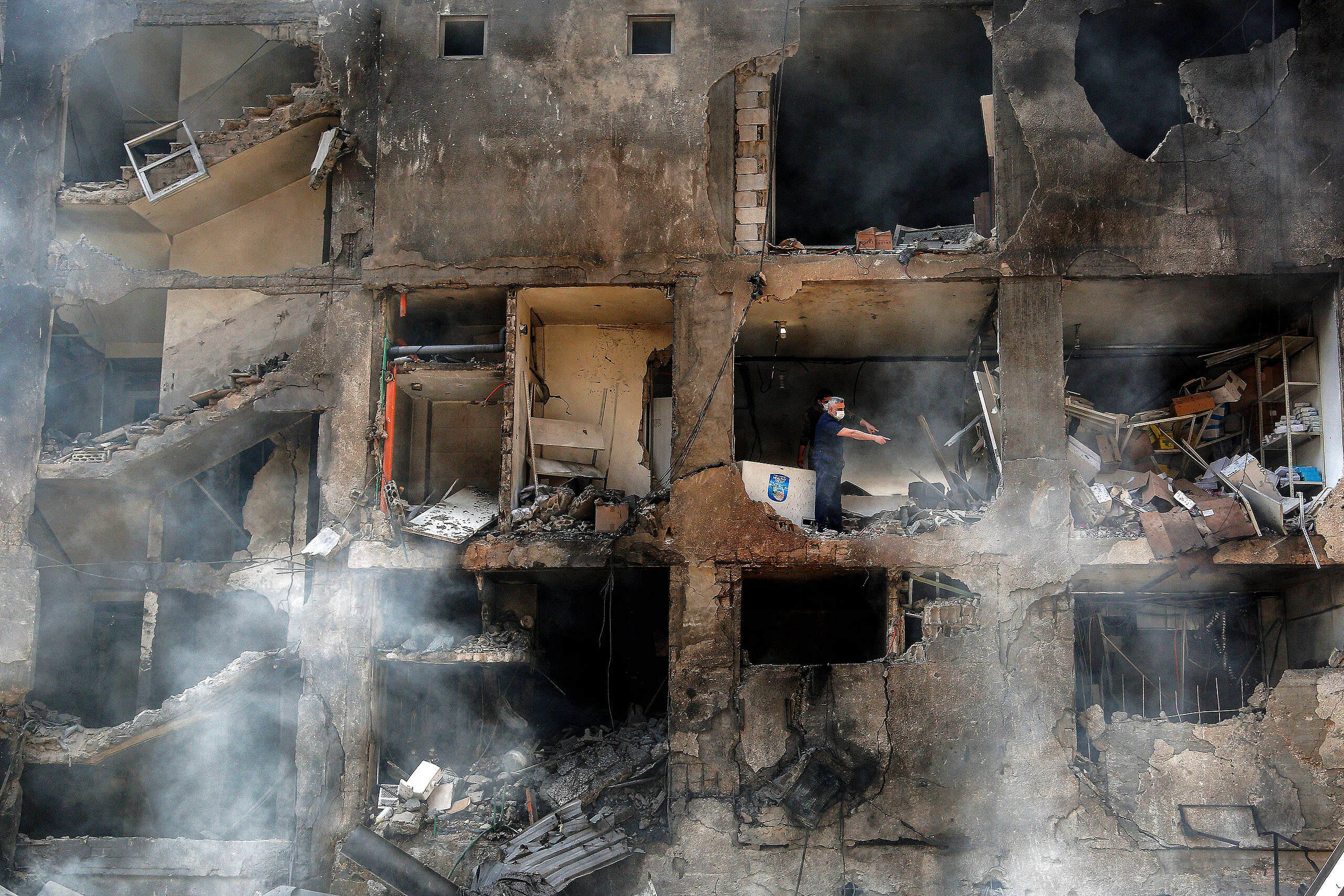
The US and Israel’s war on Iran is driving another oil and gas price shock and pushing up the cost of living. Governments can either deepen fossil fuel dependence, or protect people and accelerate a just transition away from oil and gas. Here are four ways to choose the second path.
1. Make war profiteers pay for the urgent transition: tax fossil fuel profits
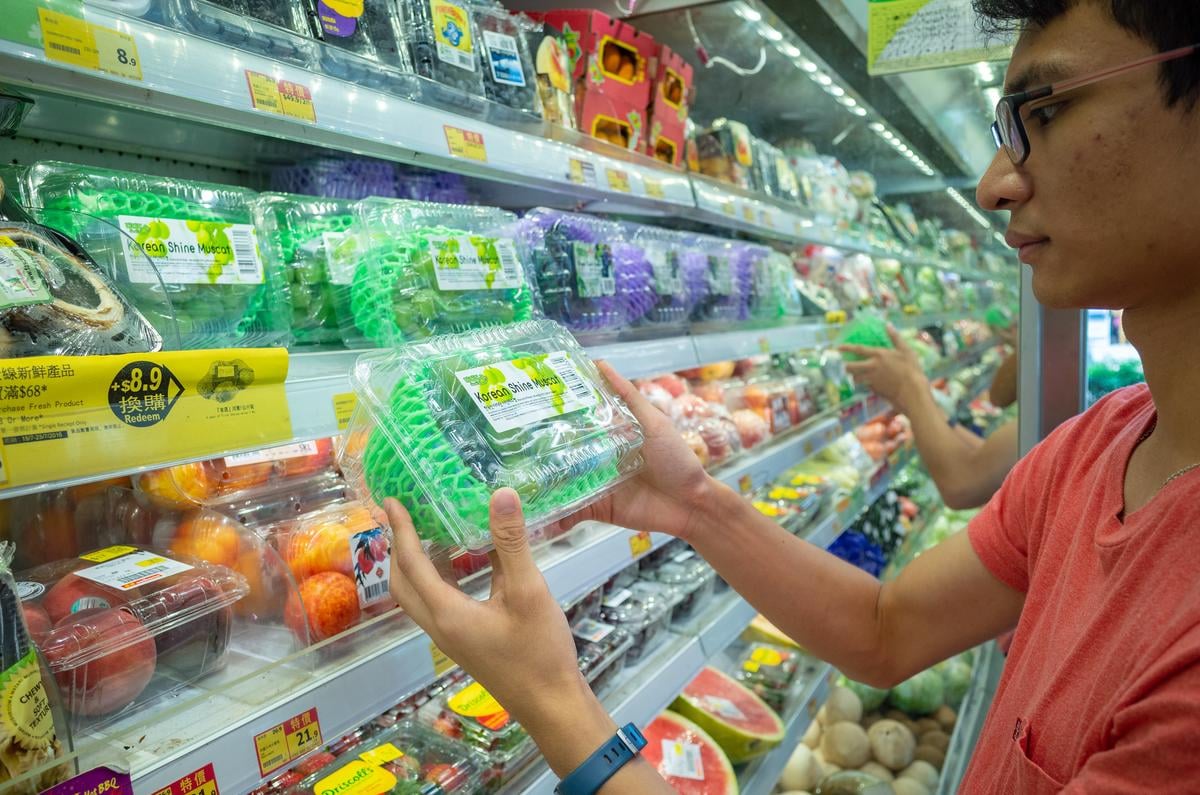
The US-Israel war on Iran has already sent global oil and gas prices soaring again. That means higher fuel and energy bills, more expensive food and transport, and yet another cost of living crisis that hits low-income households and people in the global South hardest. In the United States, for example, prices of fertilizers made from fossil fuels have jumped by more than 30%, and diesel prices by 46% since late February, piling pressure on farmers and threatening higher food prices for everyone. Major agricultural powerhouses, particularly Brazil and India, are heavily impacted as primary importers of fertilizers from the Gulf. According to the World Food Programme, roughly 45 million more people could be pushed into acute hunger this year if the conflict persists.
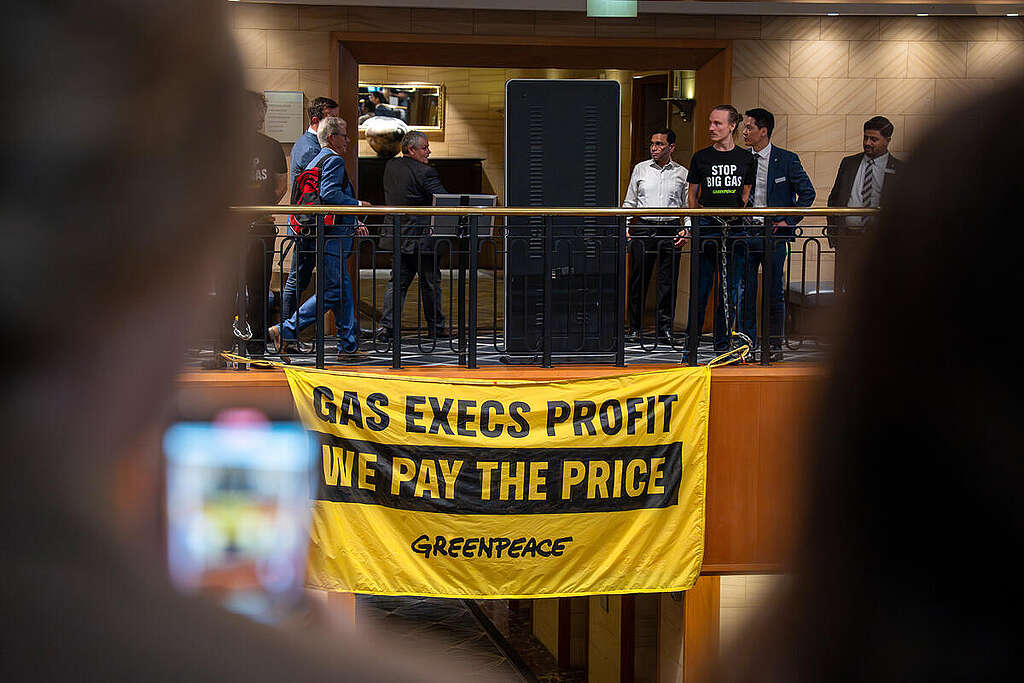
While people struggle to meet basic needs, fossil fuel and petrochemical companies are booking fresh windfall profits, just as they did in 2022 when Big Oil more than doubled its earnings during Russia’s invasion of Ukraine. Oil and gas companies in the EU alone are estimated to be taking in over €80 million extra every single day from war‑driven price spikes. It is clearer than ever that, as the UN climate chief Simon Stiell said, “fossil fuel dependency is ripping away national security and sovereignty and replacing it with subservience and rising costs.”
No one should be forced to pay for the crisis of a war they did not choose, while companies and billionaires cash in. Governments should move quickly to introduce bold national surtaxes on oil and gas profits, and support a new global tax on fossil fuel profits under a UN Tax Convention, so that those who profit from war, pollution and price shocks help cover the costs of relief and transition. Taxes on the fossil fuel industry are possible and popular: a recent global survey found 8 in 10 people support taxing oil and gas corporations to pay for climate damages.
Besides widening fiscal space – much needed in crises like the present one – these policies can act as market-based incentives, encouraging businesses to move towards improving energy efficiency and investing in renewable energy. Revenue from these taxes can fund targeted support for households and small businesses, reduce energy bills, and invest in renewable energy infrastructure and other climate‑safe solutions instead of more fossil fuel dependence.
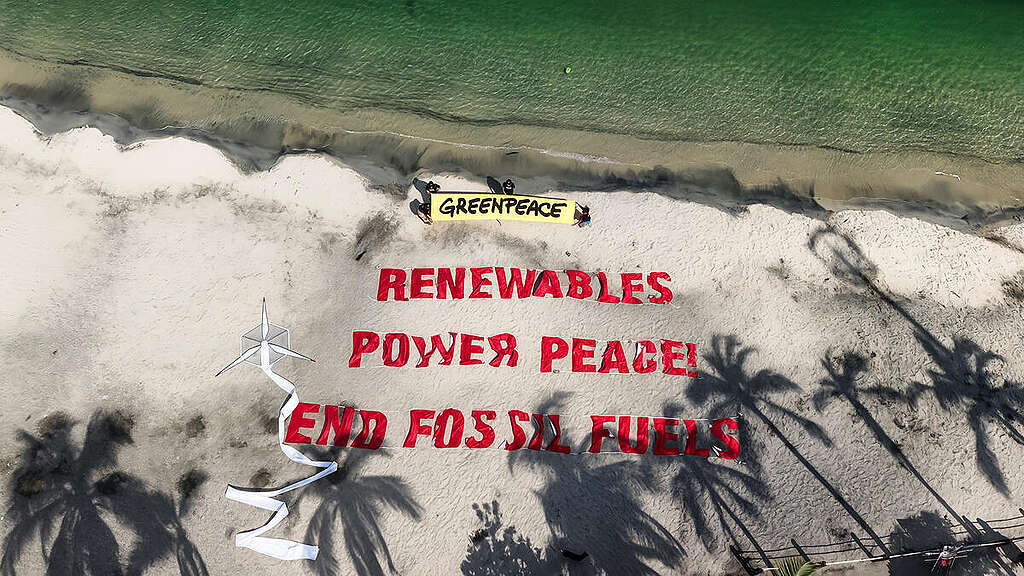
2. Cut oil demand in transport, where around 60% of oil is burned
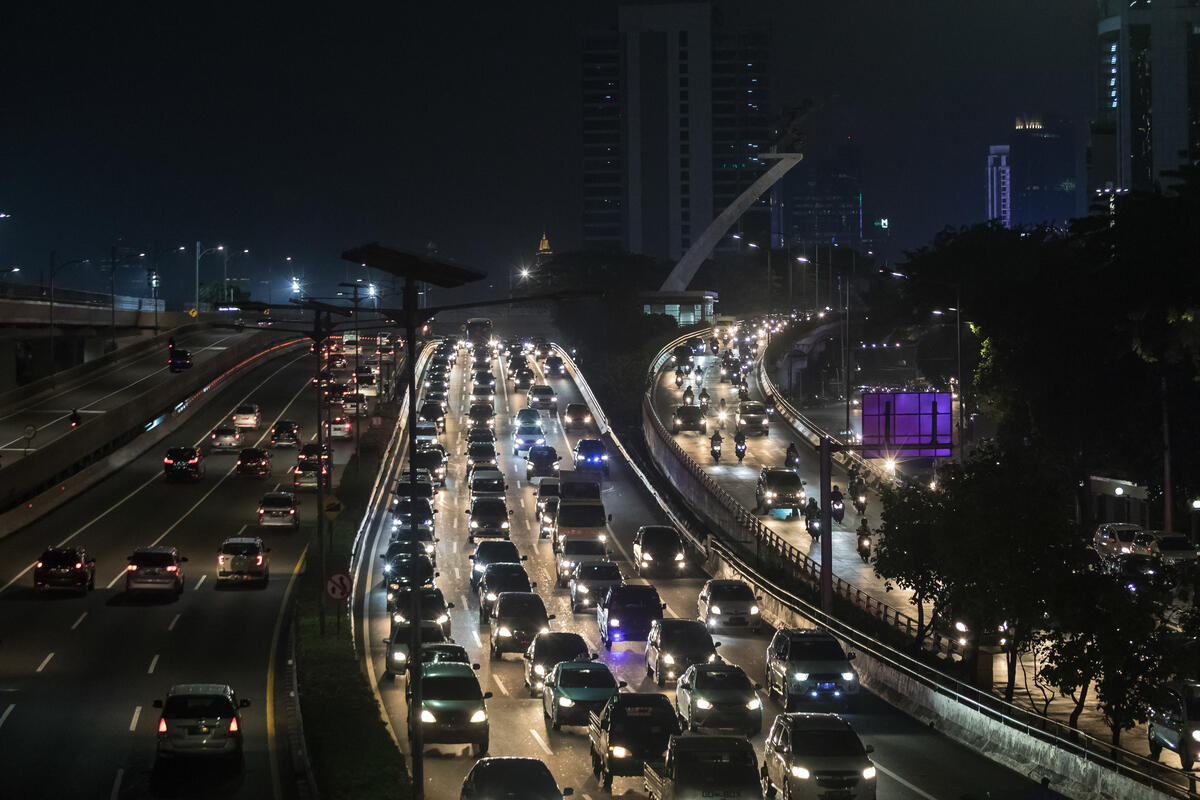
Around 60% of global oil demand comes from transport, from cars and trucks to ships and planes. That means every oil price spike triggered by conflict, blockades or speculation quickly becomes a transport and food price crisis. When the Iran war disrupted shipping through the Strait of Hormuz, petrol and diesel prices jumped across the world within days, and haulage and airline companies immediately passed those costs on to consumers. If governments are serious about protecting people and economies from the Iran war energy shock, cutting oil demand in transport is one of the fastest and fairest moves they can make.
A just transport transition combines several tools. Affordable, reliable public transport and “climate tickets” can give people real alternatives to driving, while safer walking and cycling infrastructure cuts short car journeys and improves health. Support for electric buses, trains and shared mobility, combined with strict fuel efficiency standards and a managed phase‑out of petrol and diesel cars, reduces oil use and air pollution. In Europe, fuel price spikes linked to the Iran war have already helped push electric vehicle sales up by 51%, showing how quickly people move when clean options are available. All of this needs to be designed so that the costs do not fall on those who can least afford them, with help for low income households and workers whose jobs are changing.
Public money should be shifted away from motorways and airport expansion towards public transport, active travel such as walking and cycling, and electric vehicle charging networks that are powered by renewables. Countries that have invested more in rail and renewables, such as Albania, are already seeing smaller electricity price spikes than their neighbours as the Iran war pushes up gas prices. That way, every crisis moves us closer to cleaner, fairer mobility, instead of locking in more oil dependence.
3. Treat renewables and efficiency as energy and economic security, not “nice‑to‑have” extras
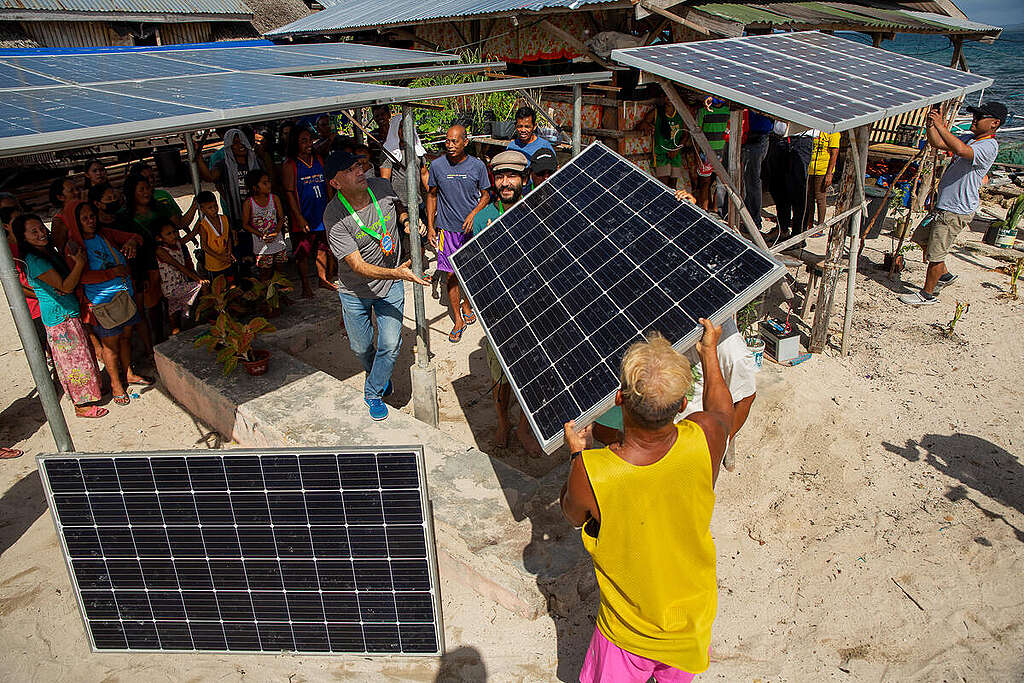
The Iran war is a brutal reminder that as long as our economies run on fossil fuels, any conflict or threat around a major producing region can become a global energy shock within days. When tankers through the Strait of Hormuz are disrupted, or when LNG terminals are damaged, countries that depend on imported oil and gas see prices spike and bills surge, and energy supply worldwide is undermined.
In that context, renewables and efficiency are not luxury climate policies. They are core security infrastructure. You cannot blockade the sun or sanction the wind. Countries that have already scaled up solar, wind and battery storage, and invested in energy efficiency in homes and buildings, are less exposed to fossil fuel price shocks than those that remain hooked on imported oil and gas. Albania, which gets almost all its electricity from renewables, has been largely shielded from the latest surge in power prices, while more gas‑dependent European countries face steep increases. Pakistan is experiencing an unprecedented people-led solar energy boom, with rooftop solar now making up roughly 20–25% of grid‑connected electricity, cushioning the country against the crisis. In 2025 the world added record levels of renewable capacity and renewables reached nearly half of global power capacity, showing how fast this shift can happen when governments get serious.
A good crisis response should do two things at once: protect people from immediate hardship and speed up the shift to renewable‑centred energy systems. That means prioritising energy savings, insulation and heat pumps, supporting vulnerable households, and rapidly deploying clean, decentralised and democratically owned renewable power, instead of approving new fossil fuel projects or subsidies that will keep us tied to the next war‑driven price spike. From France’s decision to launch 12 GW of new renewable tenders to Barbados’ fast‑tracking solar and battery storage as a “national imperative”, to South Korea pouring new funding into village‑owned solar after the Iran crisis, more governments are starting to treat renewables as security policy.
4. Build people‑centred safety nets and local resilience
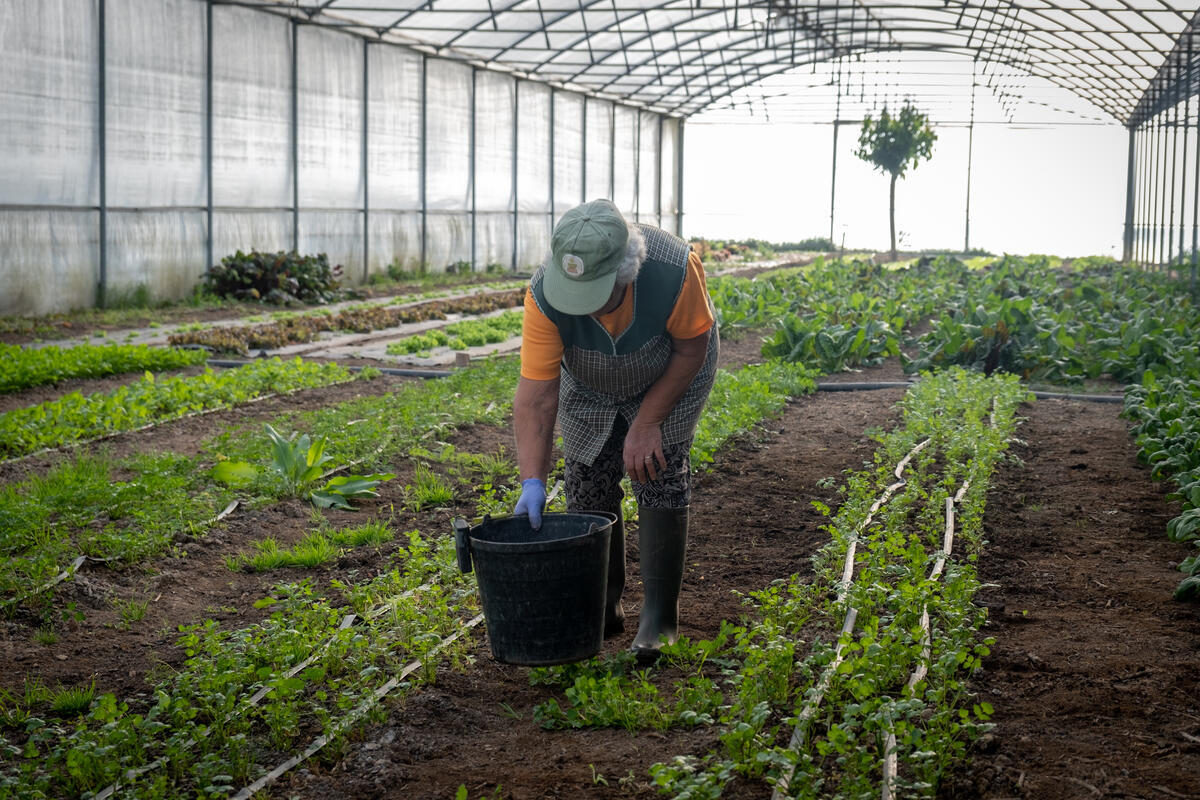
War and energy shocks do not hit everyone equally. The same fossil-fuel-dominated economy that creates billionaires and record profits for oil and gas companies exposes millions of people to price spikes and insecurity. Families already stretched by rent and food costs are asked to carry yet another burden, while fossil fuel CEOs and shareholders see their wealth grow.
The UN Food and Agriculture Organization now warns that a prolonged disruption in the Strait of Hormuz could trigger a global food “catastrophe”, because up to 45% of key agrifood inputs move through this single waterway. In parts of Asia, farmers are already switching crops or cutting fertilizer use because diesel‑powered irrigation and imported inputs have become unaffordable, which risks lower yields and higher food prices in months to come.
A just response to the Iran war energy shock needs strong, people‑centred safety nets. Governments can cap prices in emergencies, introduce social tariffs for electricity and heating, and ban disconnections for households in debt. They can raise minimum incomes and benefits, and support small local businesses and farmers facing higher fuel and fertilizer costs, especially in the global South. Public authorities should pay special attention to households that have only recently moved from charcoal or firewood to cleaner cooking fuels such as LPG in Africa and South Asia, where higher gas prices are already pushing some families back towards more polluting and dangerous options.
At the same time, investment in local resilience can reduce our exposure to both fossil fuel chaos and climate impacts. That includes large‑scale home renovation programmes that cut bills and create decent jobs, support for local food systems and agroecology so communities are less reliant on long fossil‑fuelled supply chains, and reuse systems that cut our dependence on petrochemical‑based plastics that are now driving up the cost of everyday goods.
All of this should be funded by redirecting public money away from harmful fossil fuel subsidies and towards long-term solutions that are safe for people, the economy and the planet. There is money for renewables, public transport and warm homes, but it is currently being burned on war and fossil fuels. It is time for governments to respond to the crisis for what it truly is: a matter of political urgency that must be used as a catalyst for a speedy clean energy transition.
Marília Monteiro is a Senior Campaign Strategist with Greenpeace International, working on socioeconomics analysis and responsiveness, based in the Netherlands. Mehdi Leman is a Content Editor for Greenpeace International, based in France.