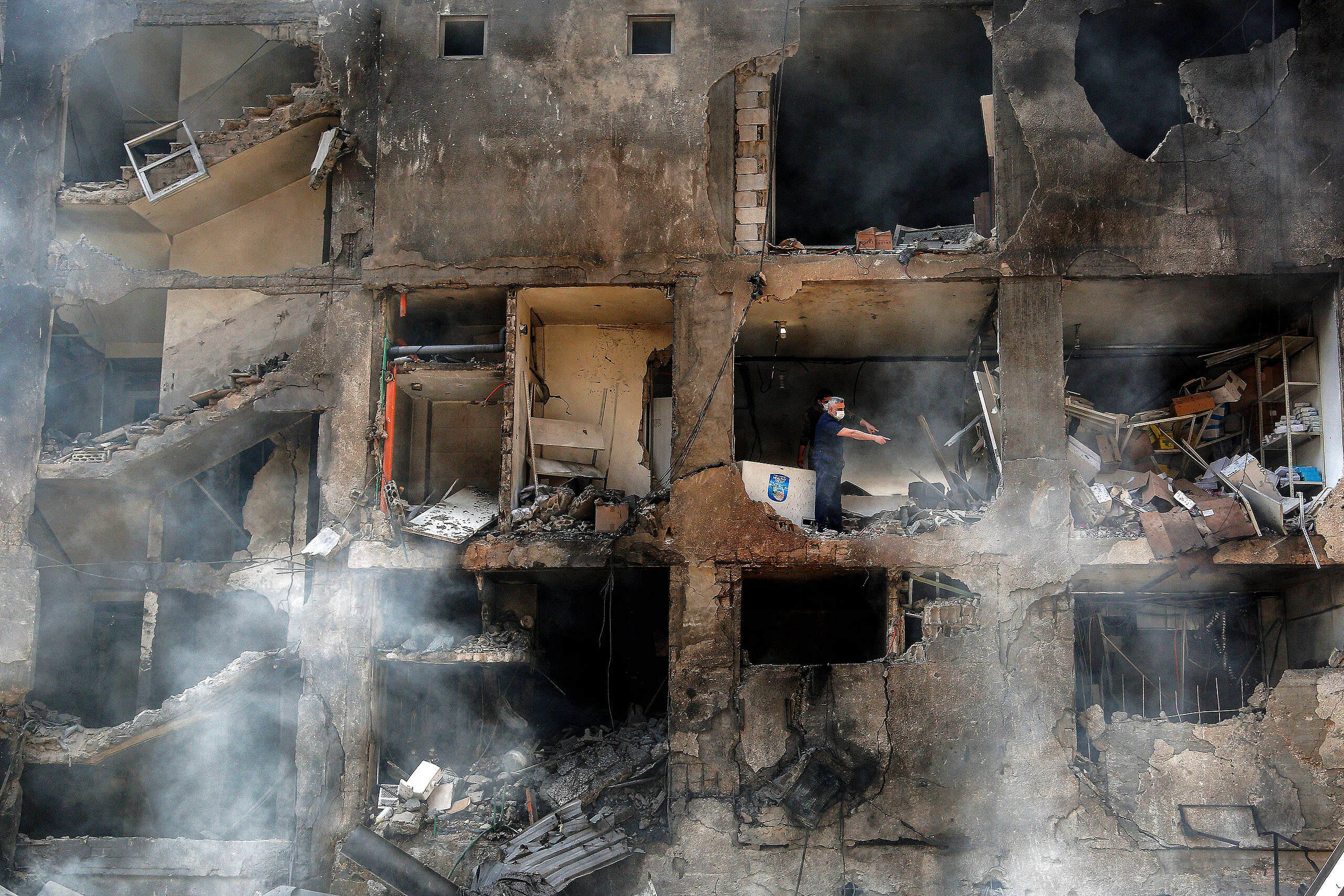
The US-Israel war on Iran is shattering lives across Iran and the wider region. Civilians pay first and hardest — through fear, displacement, destroyed infrastructure, and deepening environmental harm. Greenpeace calls for an immediate end to the violence and a return to diplomacy. As we push for that, we also need to understand the systems that keep the conflict running.
Bottled water. Baby formula. Food. Shoes. Lipstick. The cost of everyday goods is spiking as a result of the conflict in Iran. This isn’t a coincidence; it’s oil. It’s plastic.
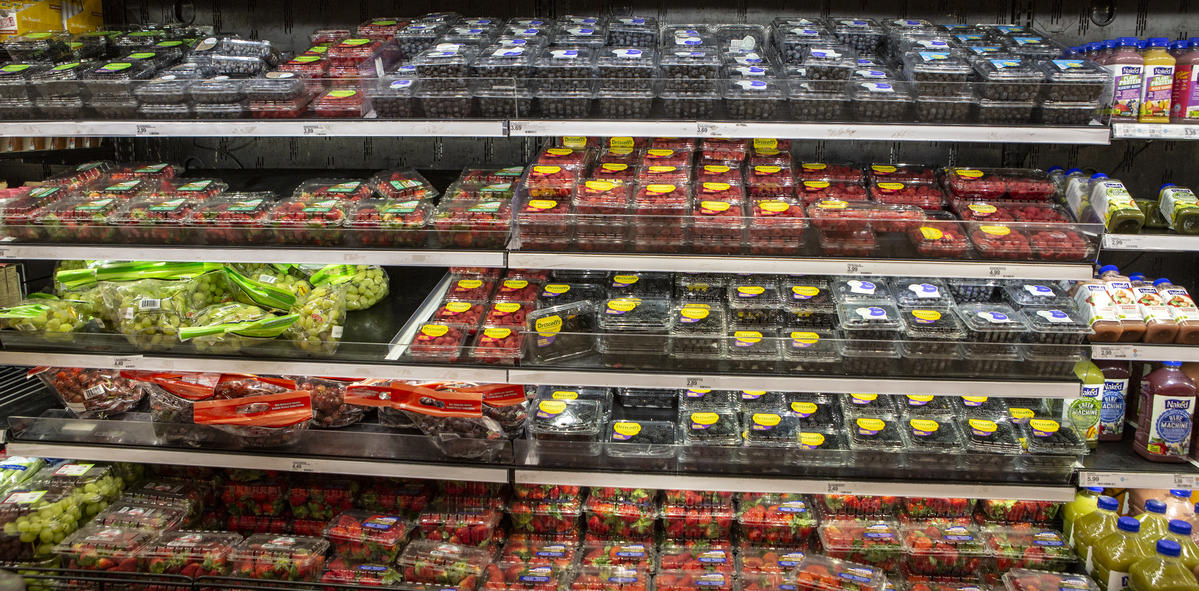
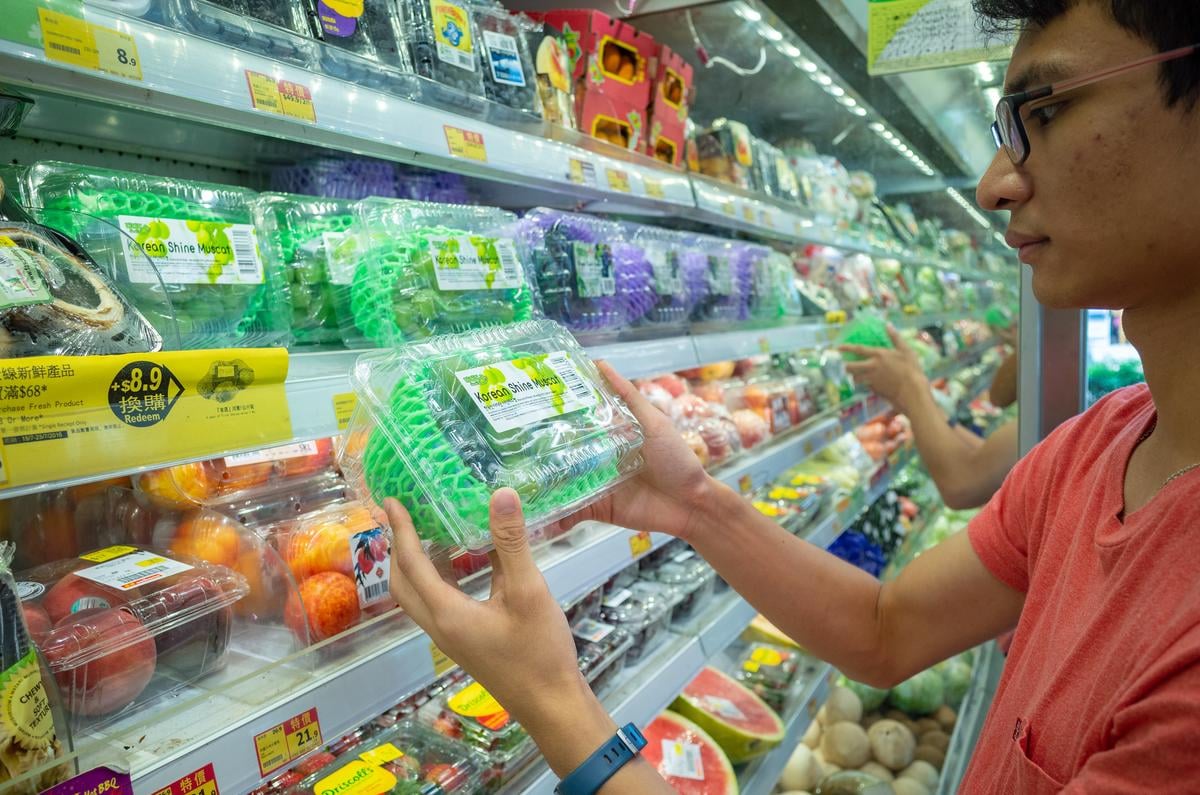
When war disrupts oil, it doesn’t just hit us at the pump. It hits the grocery aisle, the pharmacy, and the toy store. Because nearly everything we buy, from shampoo to strawberries, is made from petrochemicals, wrapped in plastic, or both.
The crisis in Iran reveals a painful truth: our supply chain has a plastics problem, and we’ll keep paying for it until we break free.
Plastics run on oil
Ninety-nine percent of plastic is made from fossil fuels. Crude oil is refined into petrochemicals like naphtha, cracked into ethylene and propylene, and polymerised into the resins that become the bottle in your hand, the bag carrying your chips, and the fabric in your shirt. Plastic isn’t just dependent on oil. Plastic is oil.
Every bottle, bag, and sneaker runs on the same supply chain and the same geopolitical tensions.
The Strait of Hormuz, the narrow waterway through which one-fifth of the world’s oil and gas flows, according to IEA, is the passageway for reported US $20 to US $25 billion worth of petrochemical products every year. When that flow is disrupted, the building blocks of plastic become scarce. Prices climb. And supply chains shudder.
Prices for plastic resins have already surged by more than 30% in the past month.
Higher plastic costs ripple quickly through to consumers, compounding across every element of a product, from the materials inside to the packaging wrapped around it.
Already, the beauty industry is warning of price increases, and toymakers are sounding the alarm about Christmas as they reportedly face low-density polyethylene price hikes of up to 55%. The burden lands, as it always does, on the people who can least afford it.
Fossil fuel and petrochemical companies profit from war and price shocks
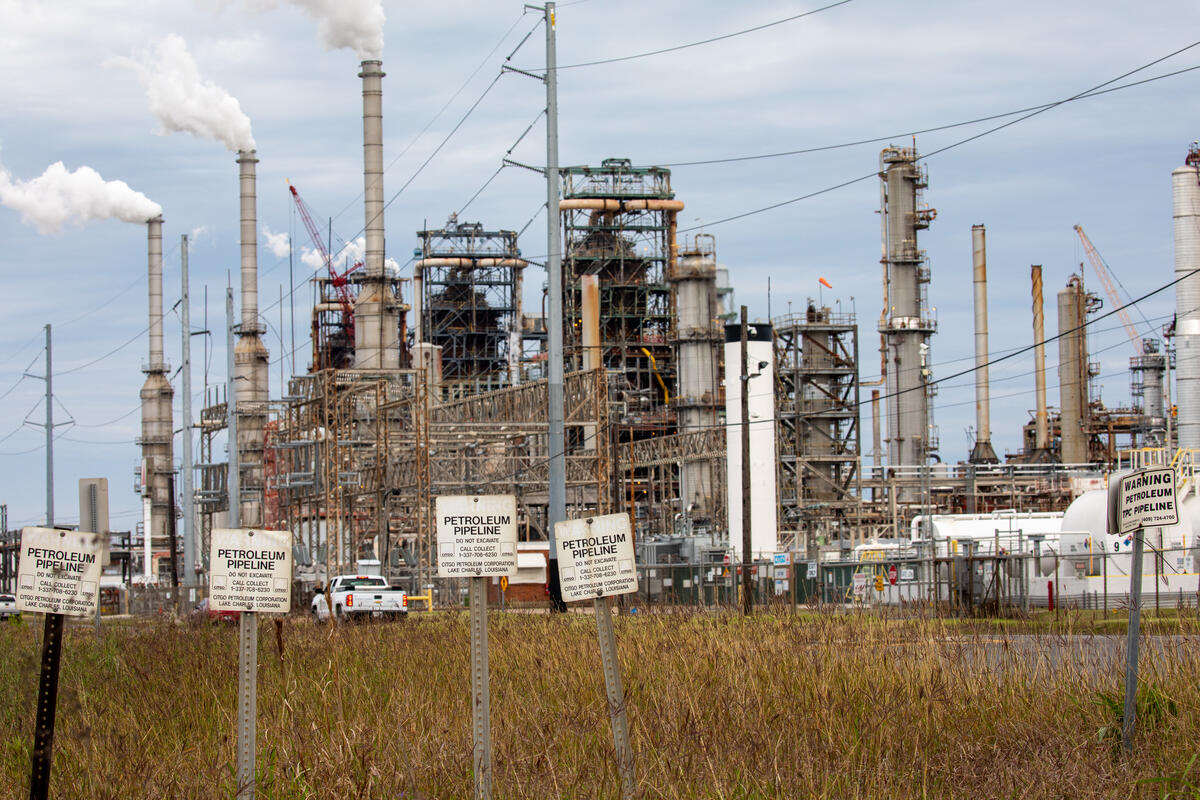
While people absorb the shock, fossil fuel and petrochemical industry profits are soaring. U.S. oil producers could see an additional US $63 billion in profit as crude oil climbs past US $100 a barrel, according to energy research company Rystad. Russia’s oil income doubled to US $9 billion in April alone, according to Reuters calculations. According to the Financial Times, TotalEnergies made more than US $1 billion in profit after buying up large quantities of oil as the conflict began — their profits are soaring even as the conflict has taken 15% of its operations offline. Oil executives have pocketed US $1.4 billion selling stock amid the conflict, according to an analysis of insider-transaction disclosures from analytics firm VerityData.
When the ceasefire was announced, Shell, BP, and TotalEnergies stocks reportedly fell between 6% and 8% in a single day — the EU region’s biggest one-day fall all year.
We’ve been here before. In 2022, as Russia’s invasion of Ukraine disrupted energy markets, Big Oil reportedly recorded its biggest year in history — more than doubling its profits.
Geopolitical crisis has become a profit mechanism for an industry that reportedly spends hundreds of millions lobbying to keep us dependent on it. Our governments aren’t just complicit, they are locking us in — funneling billions into the fossil fuel industry, which pours it right back into their campaigns.
No one should profit off war. But again and again, fossil fuel interests turn crisis into opportunity, pushing deregulation and deepening dependence while communities are left to live with the consequences.
Winners and losers: Which countries are most exposed to petrochemical disruption
The United States, Saudi Arabia, and Russia account for more than 40% of the world’s oil supply, and as the world’s largest producer, the US is positioned to gain the most. A point Donald Trump made sure to say out loud.
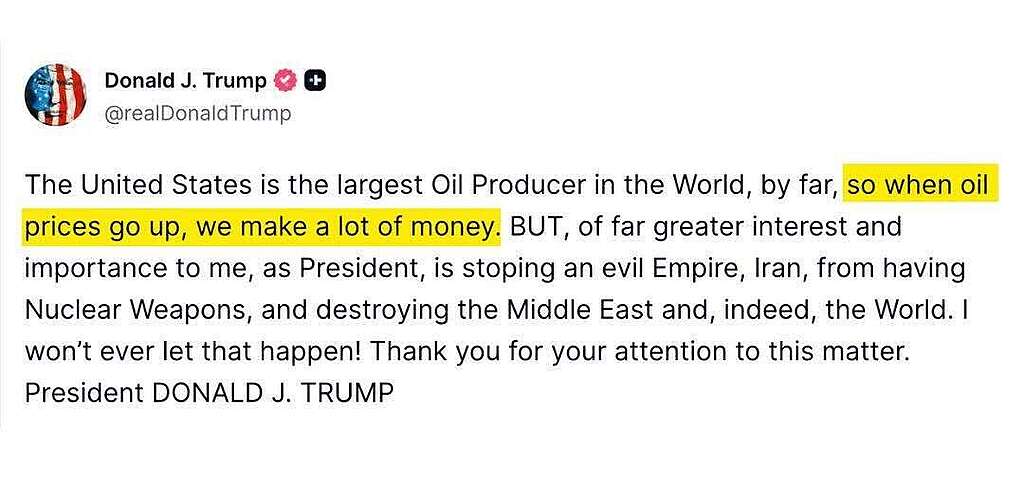
Europe, too, is being squeezed by rising feedstock prices. Most exposed, however, are Japan, South Korea, India, and much of Asia — nations heavily dependent on imported crude and petrochemical feedstocks. As much as 70% of Asia’s naphtha reportedly passed through the Strait of Hormuz last year. South Korea is so reliant on naphtha, a critical building block for plastics, that many refer to it as the “rice of the petrochemical industry.” Recognizing this vulnerability, President Lee Jae Myung has called for prioritizing a plastics-free economy alongside his calls for peace.
At the very bottom of the chain — everywhere, in every country — are the people, absorbing every ripple.
How reuse and renewable energy can build resilience
This is the third major shock in five years to tear through the fossil-fuelled supply chain: COVID, Russia’s invasion of Ukraine, and now this. Each crisis points to the same conclusion: a future less dependent on fossil fuels is not only better for the planet but also more stable, secure, and resilient to the disruptions we face today.
Every piece of plastic ties us to a volatile, extractive system — one that leaves us exposed to price shocks, pollution, and conflict.
Just as renewables break our dependence on the fossil fuels that power our grid, reuse breaks our dependence on the oil that stocks our grocery aisles. Both provide supply chain stability, local resilience, and independence from whoever controls the chokepoint.
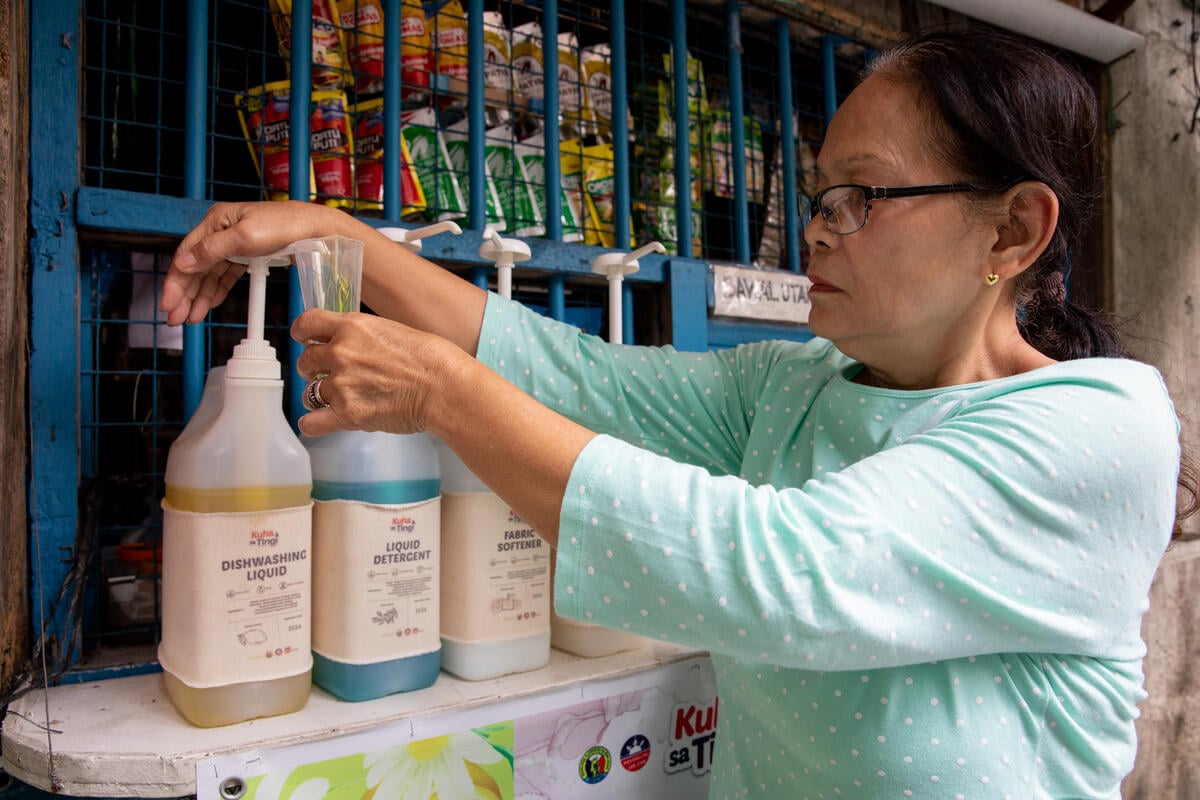
The barrier is not capability. It is political will and investment – both of which are currently being directed at an enormous scale in exactly the wrong direction.
Why a Global Plastics Treaty matters now more than ever
With plastic production poised to become the single largest driver of growth in global oil demand, a binding Global Plastics Treaty that cuts plastic production would be a turning point, not just for oceans and public health, but for economic security, geopolitical stability, and the resilience of the systems we all depend on.
As long as corporations keep us hooked on plastic, we remain chained to oil. And as long as we’re addicted to oil, we remain exposed to conflict, price shocks, and to the decisions made by whoever controls the supply.
We’ve paid for this system in prices, pollution, and war. We can stay locked in a cycle of crisis, or break free. Reuse systems, renewable energy, and local resilience aren’t a distant dream. They’re ready. And so are we.
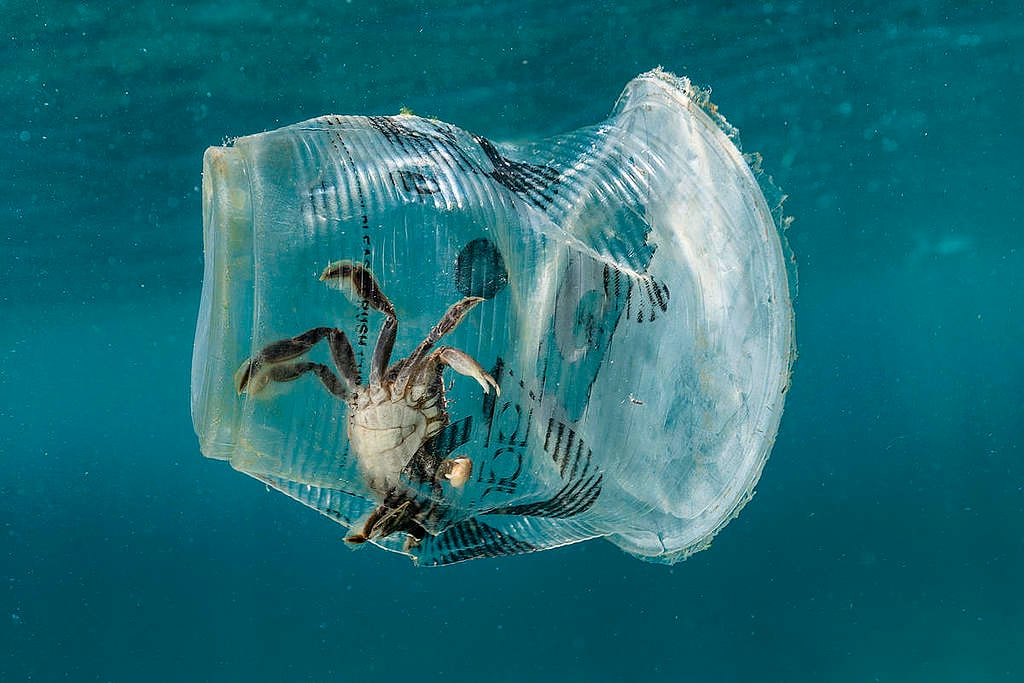
Ask world leaders to support Global Plastic Treaty so that we can finally turn off the tap and end the age of plastic.
Take actionLindsey Jurca is a senior plastics campaigner from Greenpeace USA.