CNN Travel called Raja Ampat ‘The Last Paradise on Earth’. National Geographic and The New York Times listed it among the world’s top destinations for 2025. Conservation experts describe the islands of Raja Ampat as ‘the epicentre of marine biodiversity’.
But this place is much more than a tropical paradise. Located off the coast of New Guinea in Indonesia’s Southwest Papua province, this remote archipelago of more than 1,500 islands, cays and shoals spans 4.6 million hectares of land and sea, including a network of more than 1.7 million hectares of marine protected areas. It is home to extraordinary biodiversity, as well as Indigenous West Papuan communities whose lives have been deeply connected to these forests and seas for generations.
For years, Raja Ampat has been celebrated as a rare conservation success story. Today, however, this globally important ecosystem is facing growing pressure from extractive industries. The rapid expansion of nickel mining now threatens the forests, coral reefs and communities that have made the archipelago one of the world’s greatest biodiversity treasures.
Here are the things you need to know about Raja Ampat, and why protecting this extraordinary place matters to all of us.
1. Raja Ampat is the heart of the Coral Triangle
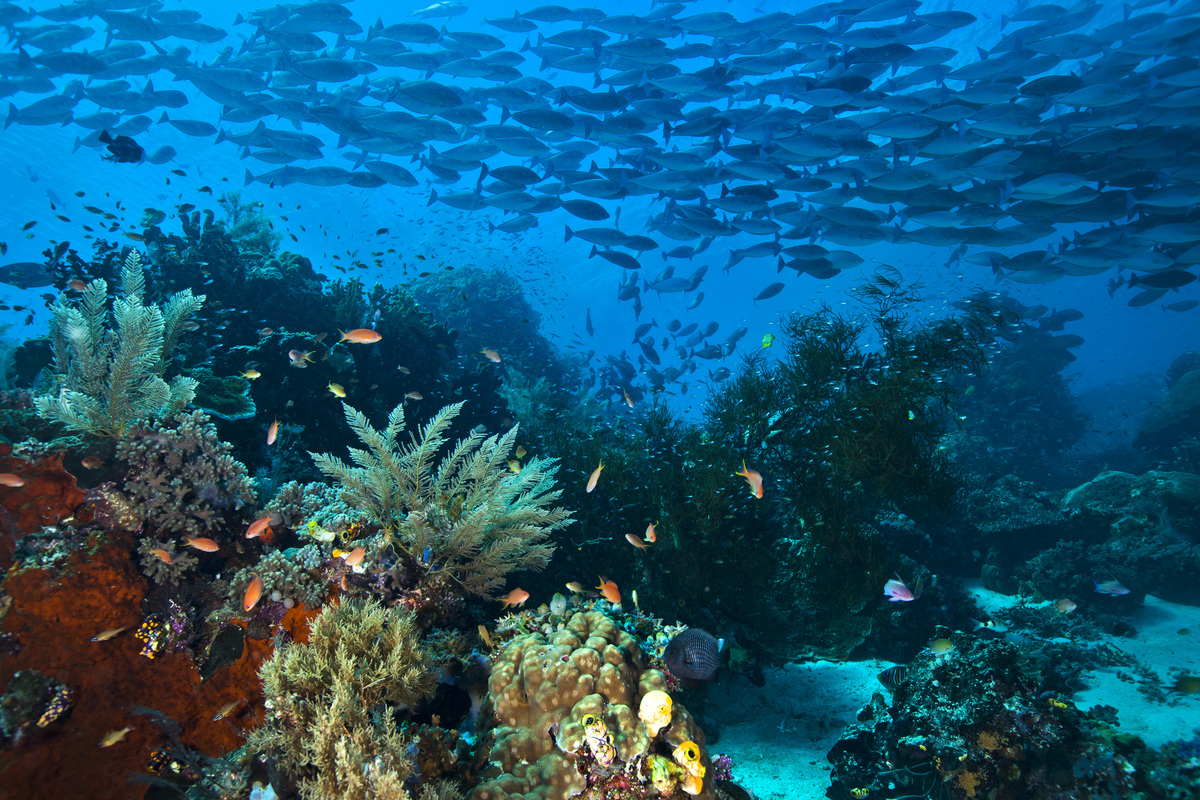
The waters of Raja Ampat are among the most biodiverse marine areas on Earth. At the heart of the Coral Triangle, a vast region recognised as the global centre of tropical marine biodiversity, the archipelago is home to around 75% of the world’s coral species and approximately 2,500 species of fish. Beneath its turquoise waters, vibrant coral reefs provide sanctuary for manta rays, sea turtles, reef sharks and countless other species, making Raja Ampat one of the world’s most extraordinary underwater ecosystems.
2. Raja Ampat’s biodiversity doesn’t stop at the shoreline
While Raja Ampat is famous for its coral reefs, its forests are equally extraordinary. Home to endemic mammals, birds-of-paradise and lush mangroves, these forests are inseparable from the surrounding seas. Together they form one living ecosystem, where forests protect coral reefs, mangroves shelter marine life, and species found nowhere else on Earth continue to thrive. Raja Ampat is home to 47 mammal species, including the endemic Waigeo spotted cuscus, and 274 bird species, six of which exist nowhere else on Earth.
3. Indigenous People have made Raja Ampat a conservation success story
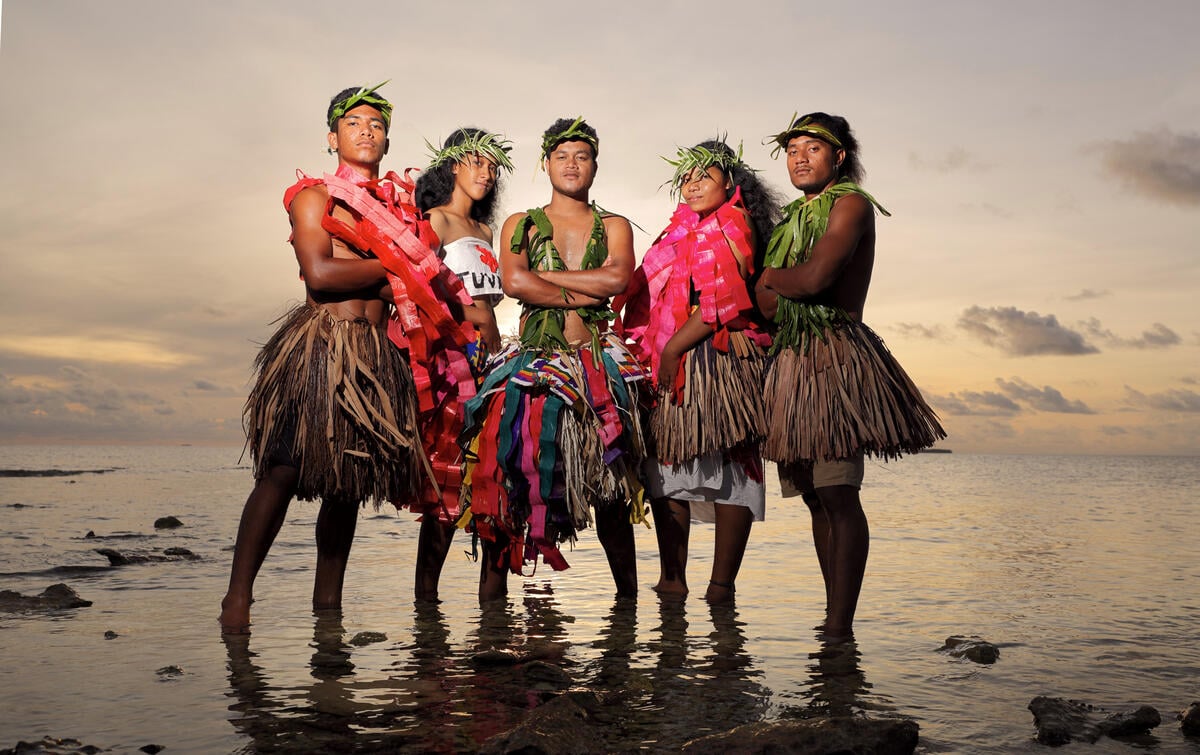
Long before Raja Ampat became known around the world, Indigenous West Papuan communities had been caring for these islands and seas for generations. Their cultures, livelihoods and identities are inseparable from the forests, mangroves and reefs that sustain life across the archipelago.
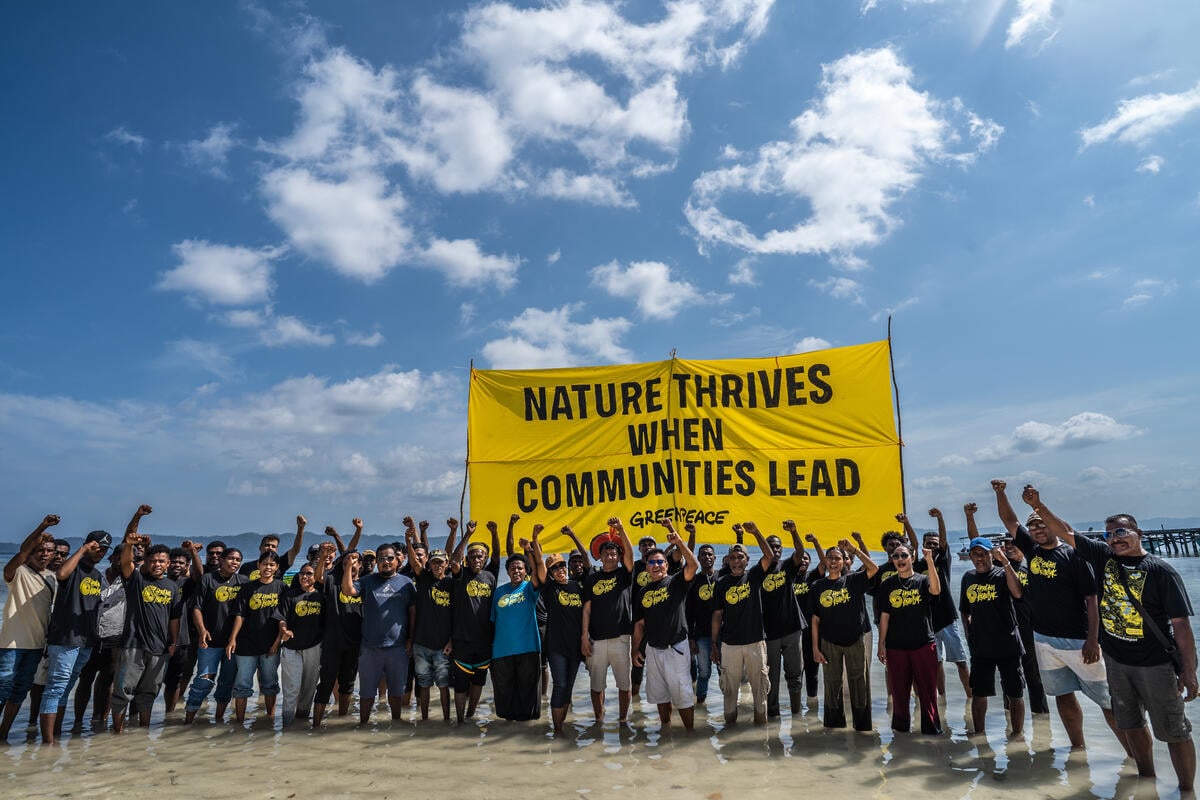
Over the years, Indigenous communities, local organisations, conservation groups and governments have worked together to protect Raja Ampat. Their collective efforts have helped make it one of the world’s most celebrated conservation success stories. In 2023, large parts of the archipelago were designated a UNESCO Global Geopark, while extensive areas on land and at sea are now protected under Indonesian conservation measures. In September 2025, after the #SaveRajaAmpat campaign gained public support and went into an outcry, UNESCO designated the area as a Biosphere Reserve, granting this area double UNESCO status.
Raja Ampat has also become an international example of how conservation and community-based tourism can support both nature and local livelihoods.
4. A global race for minerals is putting Raja Ampat at risk
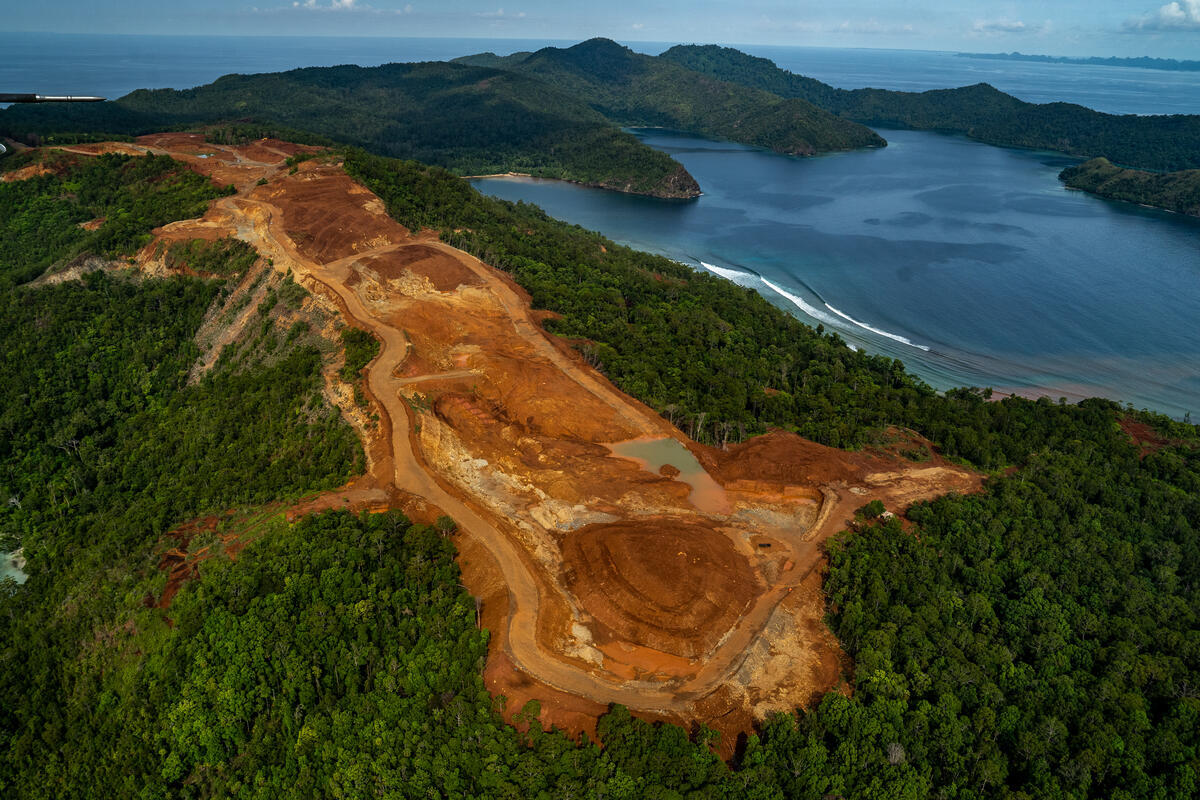
For decades, Raja Ampat remained largely protected from large-scale industrial development. Today, however, the archipelago is facing growing pressure from extractive industries. With the excuse that minerals such as nickel are crucial for the economy and as countries race to secure them, areas once considered too remote or too valuable to exploit are increasingly being targeted for mining. Raja Ampat is one of those places.
A Greenpeace Indonesia investigation published in June 2025 mapped 16 current and former nickel mining licences across Raja Ampat. The findings raised concerns that one of the world’s most important biodiversity hotspots was becoming the latest frontier in the global race for critical minerals. Nickel mining is not critical. Critical are the ecosystems that maintain life on Earth and protect us from the climate crisis. Critical are the livelihoods, knowledge and wisdom of those who have lived in harmony with the planet for millenia.
5. After a major victory, a threat to Raja Ampat remains
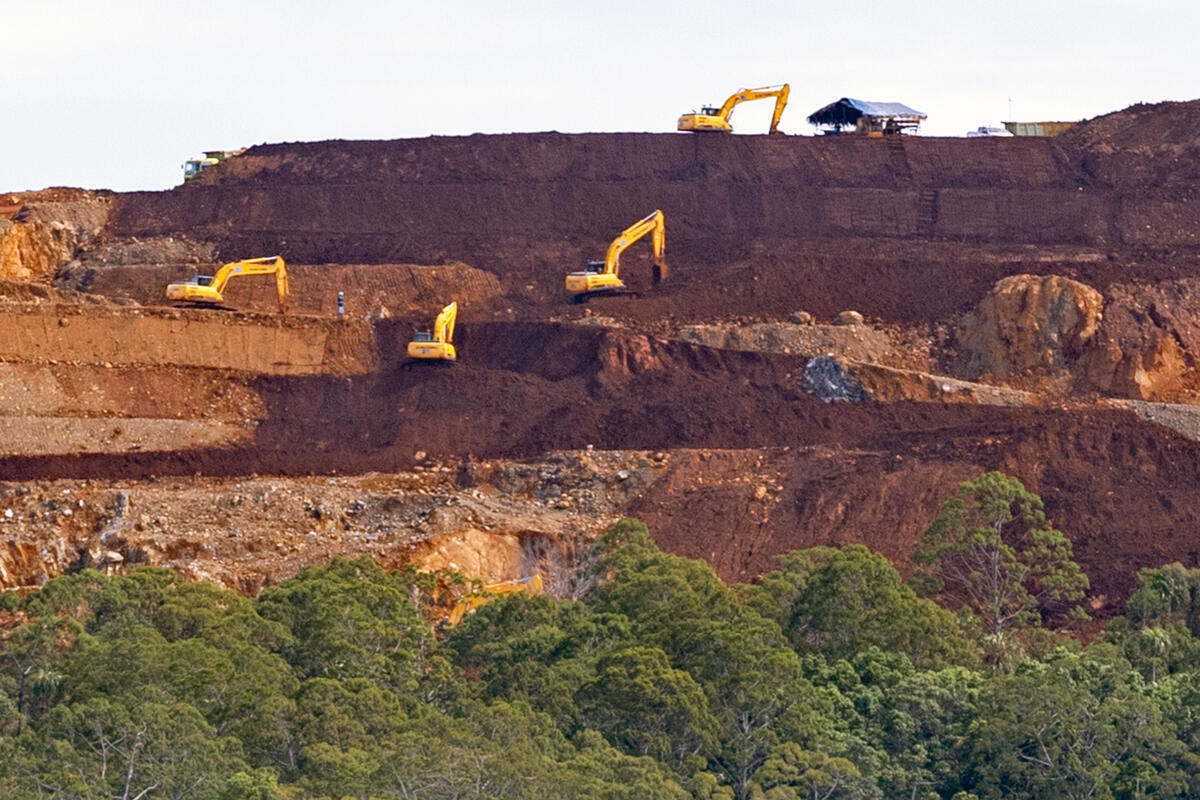
Following a Greenpeace investigation and widespread public mobilisation under the #SaveRajaAmpat campaign, the Indonesian government revoked, in 2025, four of the five active nickel mining licences in the region. It was a major victory, but one mining licence remains active, and the pressure has not disappeared.
A new Greenpeace Indonesia report published today has found evidence that companies are preparing new nickel mining projects in eastern Waigeo, the largest island in the Raja Ampat archipelago, while coal mining and oil and gas expansion continues across the region.
There is still time to protect ‘The Last Paradise on Earth’
The victories achieved in recent years have shown that public pressure can make a difference. But protecting this extraordinary archipelago requires ongoing work to prevent destructive extractive industries from expanding into places like these, while recognising and strengthening the rights, territories and leadership of the Indigenous Peoples who have cared for them for generations.
As the world searches for solutions to the climate and biodiversity crises, Raja Ampat reminds us that the most effective solutions already exist. They begin by protecting nature, recognising Indigenous Peoples’ rights and leadership, and ensuring that places like this are never sacrificed in the name of development.

Jaqueline Sordi is the Communications Lead for the Tropical Forests campaign at Greenpeace International