


Last updated: 28 August 2026
The first half of 2026 has seen record-breaking heatwaves in Europe, Asia, Africa and North America, as climate change – supercharged by the burning of fossil fuels – increasingly exposes countries to extreme weather events and the so-called natural disasters of 2026. Devastating flash floods in Nepal are a human tragedy and a dire warning of the heightened risks of rapidly melting ice and glacier collapse in an overheated world.
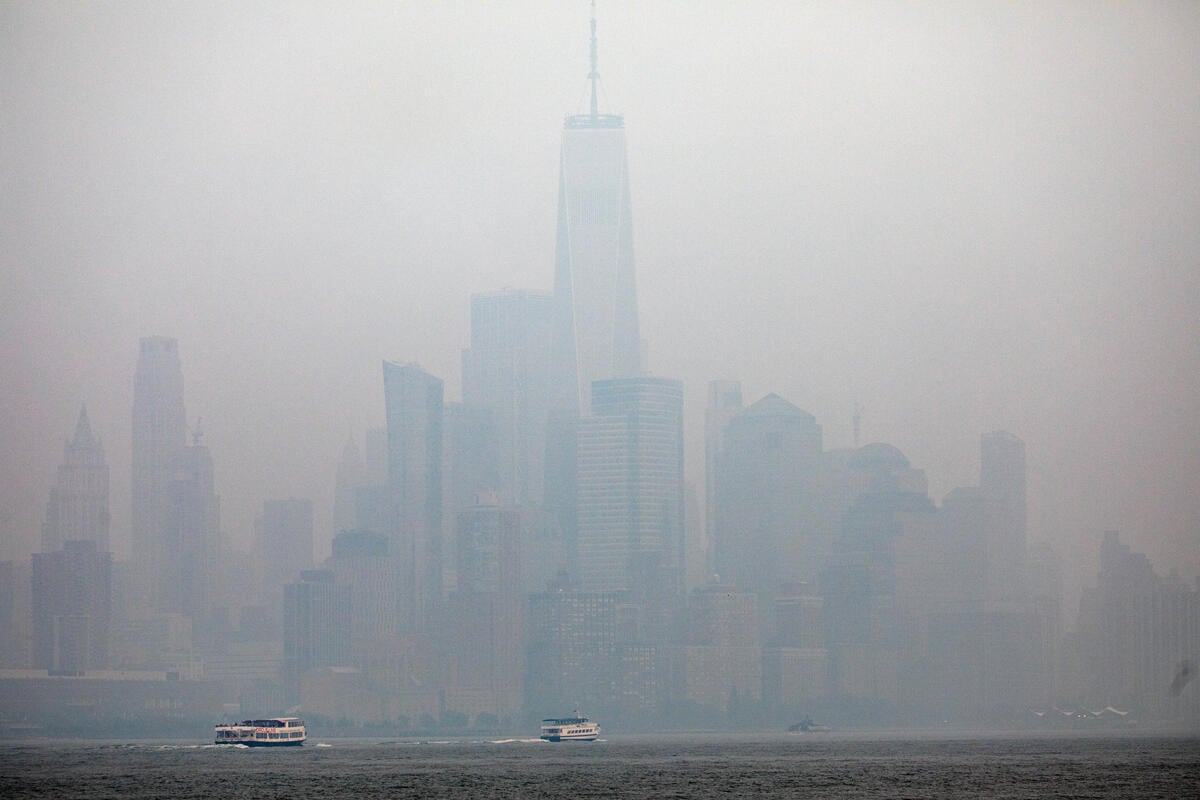
The heatwaves triggered exceptional wildfires across western Europe and led to smoke haze from Canadian blazes blanketing large swathes of the US northeast and midwest. Amid a prolonged dry season, the biggest wildfires in Indonesia since the 2015 El Niño have blanketed parts of Southeast Asia in acrid smoke, while India faces its weakest monsoon in two decades.
The Nepal flash-flood is being attributed to a collapsed glacier in the Himalayas, amid ongoing concerns in the region over the impacts of climate change due to indications that floods, landslides, avalanches and droughts are “increasing in frequency and ferocity” across the region.
These heatwaves and so-called natural disasters are the type of impacts IPCC climate scientists have been warning us about for decades due to the burning of coal, oil and gas. The record-shattering temperatures – and new record sea surface temperatures – are the grim reality of climate change and the reason why we need to transition away from fossil fuels to renewable energies.
The need to act is more urgent than ever, especially as the El Niño is set to become a record-breaking historic event of its own on an already rapidly warming planet. Forecast to be a ‘super’ El Niño, it is expected to usher in even more severe extreme weather events as the global climate edges closer and closer to temporarily overshooting the Paris Agreement’s goal of limiting warming to 1.5°C above pre-industrial times.
So why has 2026 seen so many wildfires and heatwaves?
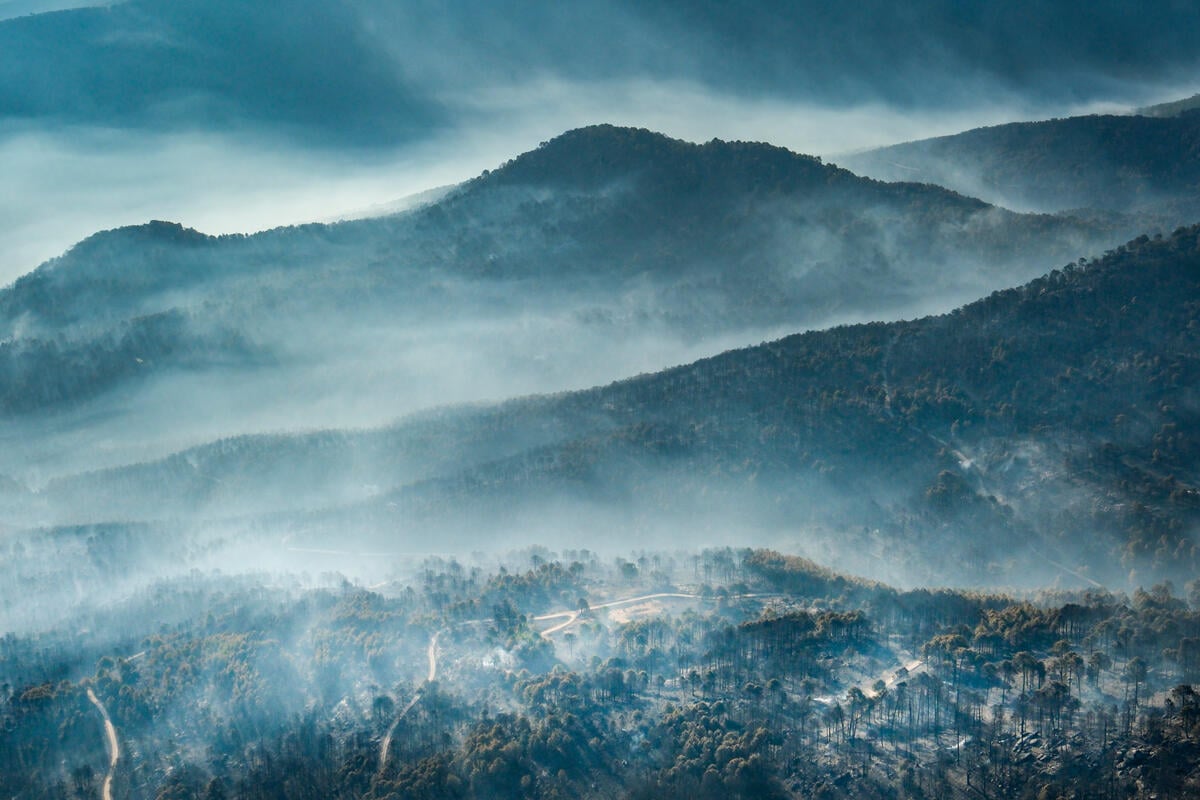
The record heatwaves have spawned conditions contributing to wildfires as our climate rapidly heats up due to decades of fossil fuel pollution and forest destruction.
Since the Paris Agreement was reached, the years 2015-2025 have been the hottest 11-years on record. Our climate is now more out of balance than at any time in recorded history and as greenhouse gas emissions continue to rise, the 1.5°C threshold is increasingly under threat.
The series of extreme weather events of 2026 also come after July was the planet’s joint warmest July on record, tying with July 2024, the National Oceanic and Atmospheric Administration said. It continued a trend in which the 10 warmest Julys on record have all occurred since 2016, with the past four years (2023–2026) taking the top four spots.
Due to a combination of July’s record land heat and record sea surface temperatures, the World Meteorological Organization (WMO) said heatwaves, drought, fire and floods defined the state of the Earth’s climate in July and early August. In the European Union, the wildfires were the fourth worst on record by early August, triggered by conditions linked to climate change.
While Southern Africa experienced cyclones and widespread flooding from relentless rainfalls at the start of the year, the WMO said Africa and Asia experienced their warmest July on record. Japan and South Korea both recorded exceptional and record-breaking heat at the start of August, alongside other regions in Asia, the Middle East and Latin America.
The Copernicus Climate Change Service said western Europe had its hottest June-July period on record, experiencing four heatwaves since May in an “exceptional run of extreme heat”. Europe is now the fastest-warming continent, warming at more than twice the global average rate.
It’s a trend that brings the “hot and dry conditions that favour large, high-intensity wildfires” that not only result in injury and death, but also health concerns such as respiratory and cardiovascular illness, hospital admissions and premature death from smoke inhalation.
But these extreme weather events cannot be classified as ‘natural’ disasters any more. Extreme weather has become more frequent and destructive due to decades of fossil fuel emissions and it’s time for the world’s governments to hold these oil and gas profiteers to account.
There’s also nothing natural about extractive economic systems that leave some countries, communities and groups of people extremely vulnerable to such hazards. The same powerful interests operating with impunity have stymied political will to hold big polluters to account.
How can these so-called natural disasters be linked to fossil fuels?
These escalating extreme heatwaves, storms and wildfires are not random chaos: they are instead the result of government inaction allowing fossil fuel companies and nature destroyers to profit over people. This is why political leaders must step up and accelerate action to end fossil fuels and to end forest destruction.
Human-caused atmospheric warming – due to the current and historic emissions primarily from industrialised countries and major corporations – is directly associated with extreme cold and heat events and large-scale heavy rainfall events, the National Academies of Sciences, Engineering, and Medicine (NASEM) found.
NASEM said these links have been established with high confidence – supported by physical understanding, observation and simulations – after it recently reviewed progress on attributing extreme weather events to climate change over the last decade.
Two recent rapid attribution studies showed the European and North American heatwaves were virtually impossible without climate change, which is caused by the build-up of greenhouse gases in the atmosphere due to the burning of coal, oil and gas and forest destruction.
The rapid attribution study by scientists at World Weather Attribution (WWA) examining the influence of climate change said a similar June heatwave in western Europe would have been around 3.5°C cooler if it had happened 50 years ago.
Another WWA study found that the extreme North American heatwave – which impacted the 250th anniversary celebrations of the United States – was “much more likely and intense” due to human-induced climate change. The WWA study found the specific impacts driven by persistent, humid heat “would not have happened in a preindustrial climate”.
Will 2026 become the hottest year on record?
Scientists are already calculating that 2026 could become one of the hottest years on record, as they also anticipate 2027 might even exceed this year’s level.
Amid rising emissions and strong indications the El Niño will continue to develop in coming months and dominate global climate patterns in the August-October period, Berkeley Earth calculated there’s a 69 percent chance that 2026 will become a record hot year.
The UK Met Office has also said 2026 will be remembered for the development of an “unprecedented” El Niño – possibly the largest such event since the 19th century. It said 2027 will likely replace 2024 as the warmest year on record and be another year to temporarily exceed 1.5°C.
This is cause for great concern because El Niño conditions can lead to further widespread extreme weather impacts, including droughts in some regions and intense storms and rainfall in others.
At risk, for example, is the Indian summer monsoon, which is already running well below normal rainfall, while Central America, west Pacific nations and tropical South America are also at risk of low rainfall. The UN’s Food and Agriculture Organization said El Niño conditions trigger failed harvests, livestock losses, rising household debt and migration in search of food and water.
Elsewhere, the El Niño can lead to more intense storms and extreme rainfall hitting central Asia (China, Japan and South Korea), parts of southern South America, the southern US and parts of the Horn of Africa.
How is the heatwave in Europe affecting river water levels and nuclear energy systems?
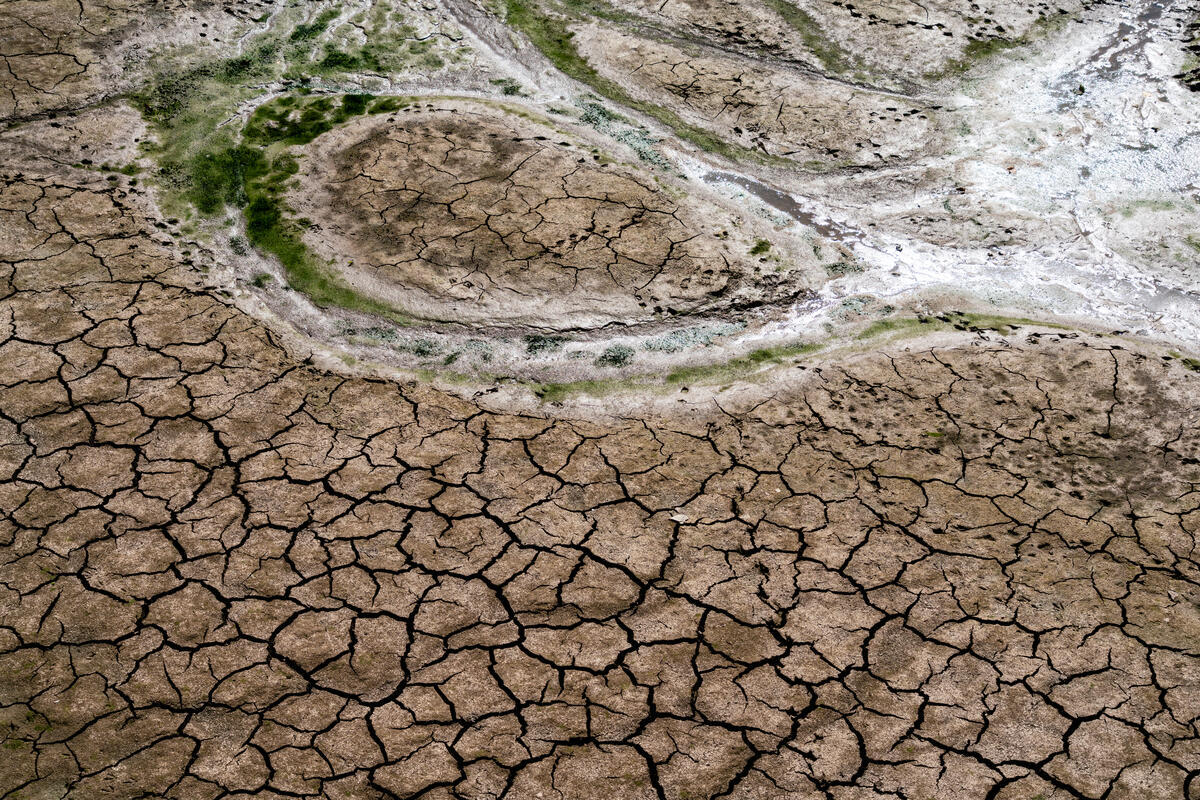
Water levels across four of Europe’s main rivers, the Loire, Po, Rhine and Danube rivers, reached record-lows in August. The prolonged dry conditions are putting growing pressure on water resources, crops, energy systems, river transport, tourism and ecosystems.
The water shortages also have a large flow-on effect to nuclear energy systems, which rely on pumped river water for cooling purposes. Due to the low water levels, pumping devices for nuclear power plants located along the Danube have been unable to reach the water.
As a result, Romania shut down its nuclear power plant, the Cernavodă, which produces about 20 percent of Romania’s electricity. Although Hungary narrowly escaped the full shutdown of its Paks nuclear plant, it was forced to cut output to just 10 percent as it shuttered three of its four reactors at a plant that normally produces nearly half of Hungary’s electricity.
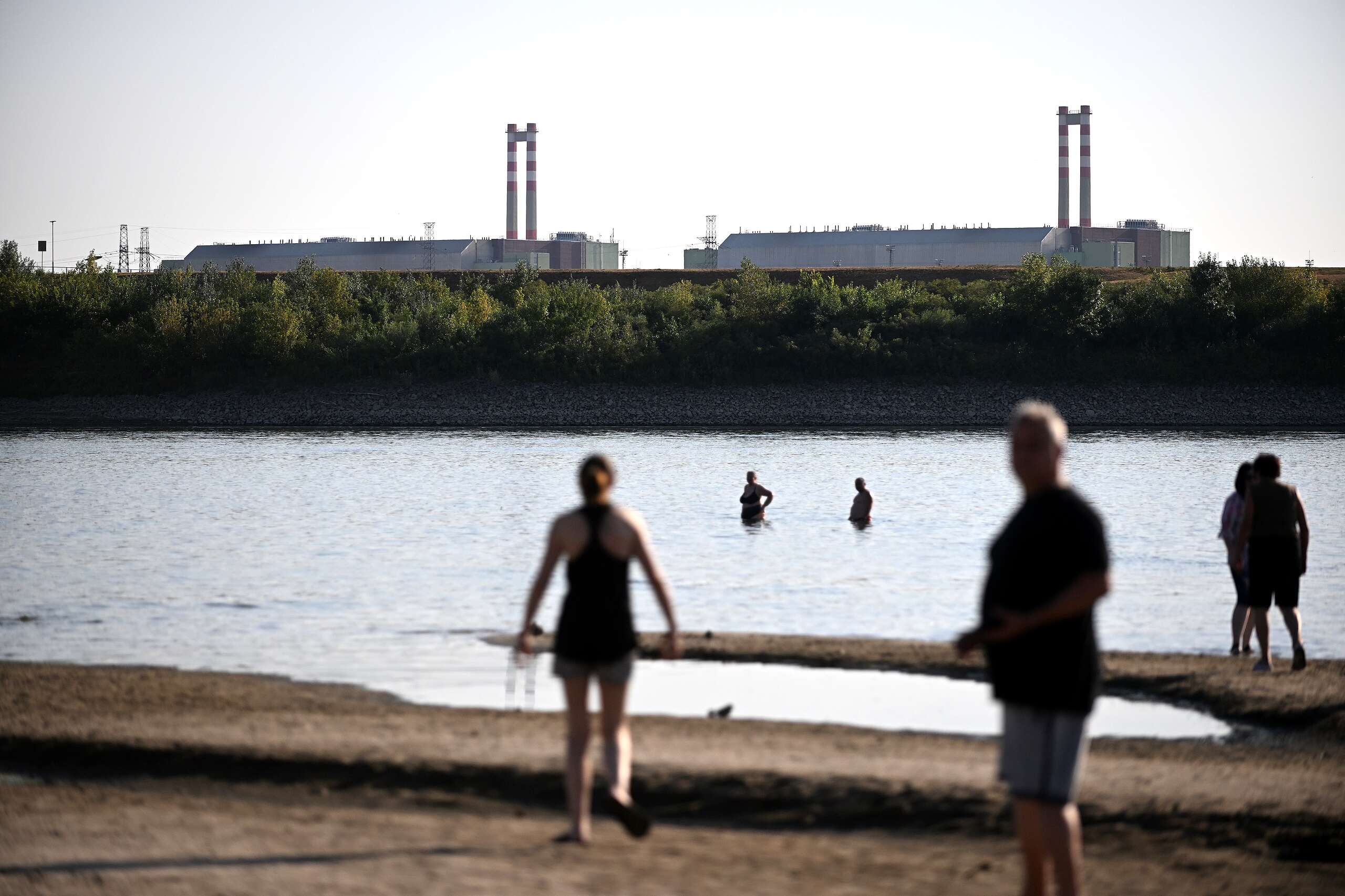
What this reveals is the inherent vulnerability of nuclear power plants to water shortages and drought because a complete and long-lasting loss of water cooling would become a major safety threat. It’s just another reason why we need an energy system based on renewables, not nuclear or fossil fuels, and yet another reminder of the wide-ranging impacts from extreme weather events.
Record atmospheric CO2 as fossil fuel emissions continue to rise
CO2 emissions are dangerously high and rising. Governments must act urgently to bring them down. Data from the International Energy Agency showed the growth in energy-related CO2 emissions slowed in 2025, rising by 0.4 percent, the slowest rate since 2021. However, CO2 emissions still increased to a new high of nearly 38.4 billion tonnes (Gt), 5 percent above 2019 levels.
While this is clearly not good news, the roll-out of renewable energy is slowing down the growth in emissions. The expansion of solar power had the biggest contribution in slowing emissions growth last year, avoiding 1.5 Gt of annual CO2 emissions (equal to half of India’s annual CO2 emissions in 2025, for example).
Despite this, record atmospheric CO2 levels of about 427 parts-per-million were recorded in 2024, which is about 50 percent above pre-industrial levels.
These levels have continued to climb in 2026 and reached a monthly average record high of 432.3 parts per million in May at Hawaii’s Mauna Loa Observatory, which has the longest record of direct measurements of CO2 in the atmosphere.
How far away are we from an exceedance of the 1.5°C limit?
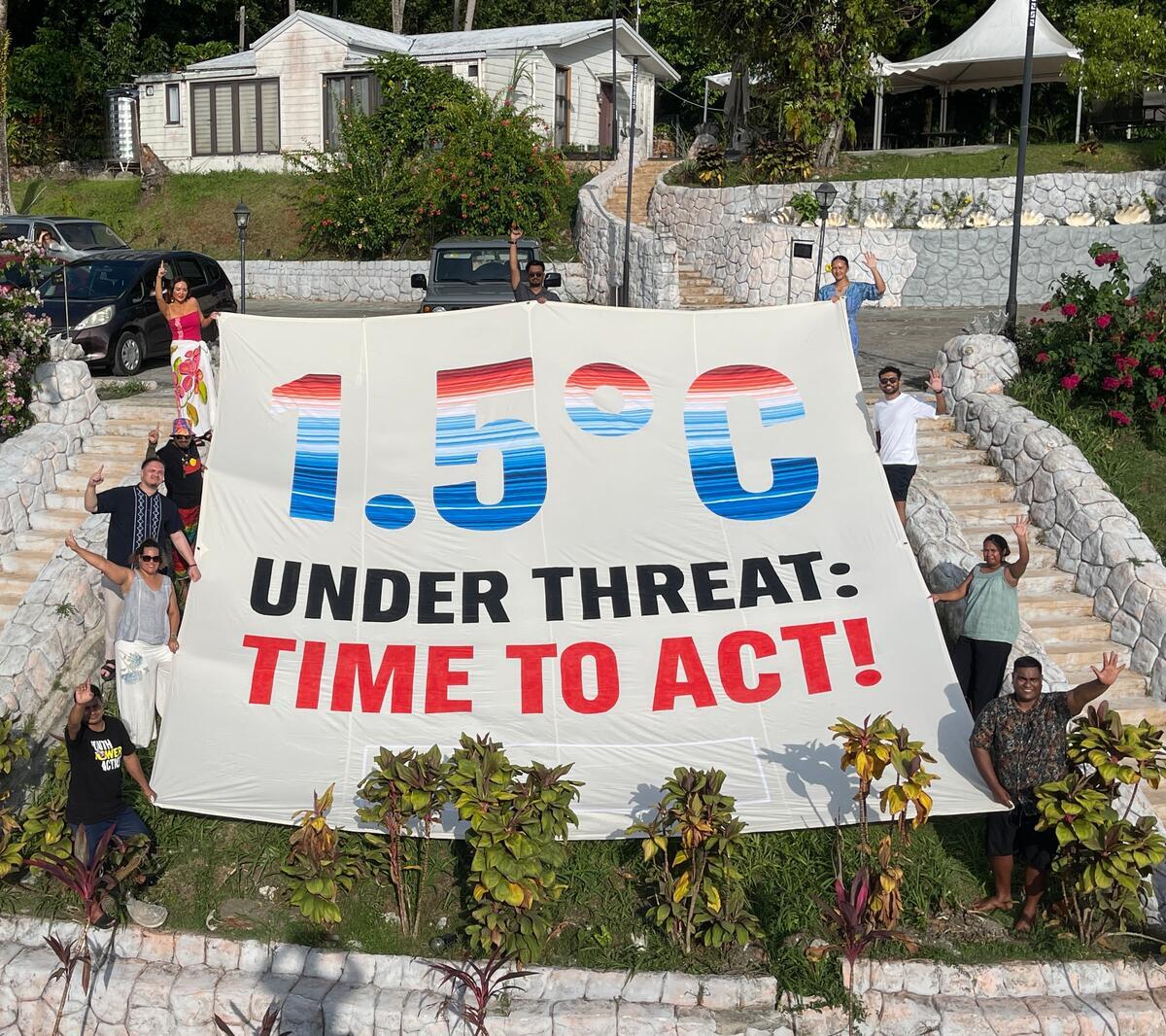
Exceeding the 1.5°C global heating limit raises the risks of irreversible climate tipping points and severe environmental damage. The continued trend of record hot years exposes how the goal of limiting global warming to 1.5°C is becoming more and more difficult to achieve. But this reality must serve as a rallying call to action for all countries to dramatically ratchet up climate ambition – above all developed countries that have an historical responsibility to act first and fastest.
The WMO has warned it’s very likely that the global temperature will temporarily exceed 1.5°C for at least one year between 2026 and 2030. It also said that it’s likely the 2026-2030 five-year average will exceed 1.5°C, with the associated risk of more extreme weather events.
What this means is that it’s time for political leadership! Governments must now respond and as pivotal moments and deadlines approach, world leaders need to accelerate the just transition away from fossil fuels with the speed and commitment to match the threat.
What can governments do to speed up the transition away from fossil fuels
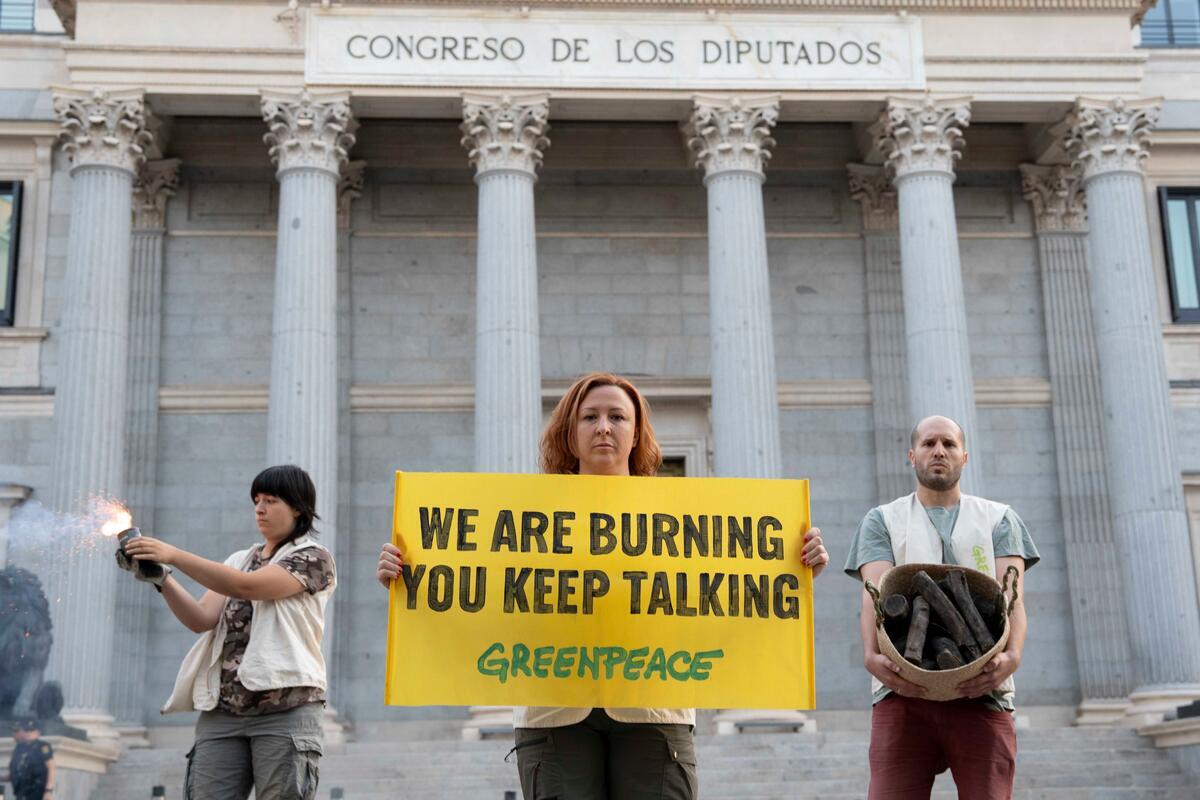
Governments can and must speed up the transition from fossil fuels to decentralised renewable energy systems powered by cheap, reliable and abundant energy sources like wind and solar. The good news is there’s already an accelerating shift to renewables. A Greenpeace International report found that the pace of change in the past 10 years offered great hope for a renewable future – due largely to the significant cost reduction of solar, wind power and battery storage technologies.
Close to 60 countries also agreed at the first conference for the transition away from fossil fuels in Santa Marta to collaborate and support the development of national and regional roadmaps to end fossil fuels. The task now for this ‘coalition of doers’ is to spearhead ambitious national action at home and, in a turbulent geopolitical space, drive concrete progress.
A just transition means that all communities can access the benefits of renewable energy and that none are disadvantaged through the transition. This means adequate and accessible funding, proper consultation and empowering communities to shape their own energy futures, and avoiding negative impacts on vulnerable communities, such as through mining for critical minerals.
On the road to the UN General Assembly in September and the UN climate conference COP31 in November, governments must signal their intent to accelerate a just transition. That includes ensuring outcomes at COP31 that are aimed at increasing electricity’s share of final global energy demand actually become a pathway to ending fossil fuel dependence. It’s also time that governments held fossil fuel polluters to account by making them pay for climate damages.
The solutions are here and homegrown renewables are already winning: solar, wind and battery storage deliver cheap, reliable, 24/7 power today. By actively moving to reset the energy landscape with cheap and reliable renewable power, we can ultimately deliver true climate safety and stability.
- Policy Briefing: A Just Transition Away from Fossil Fuels
- Analysis: The Energy [R]evolution+10
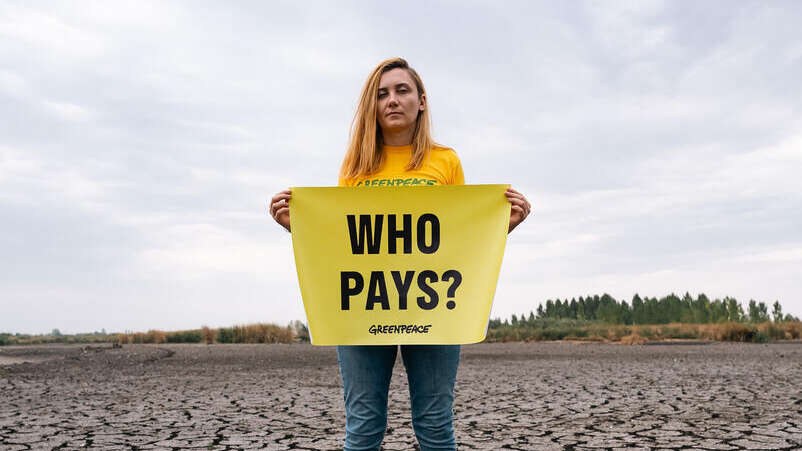
Sign the pact, record your story. Join the global movement to make polluters pay.
Join the movement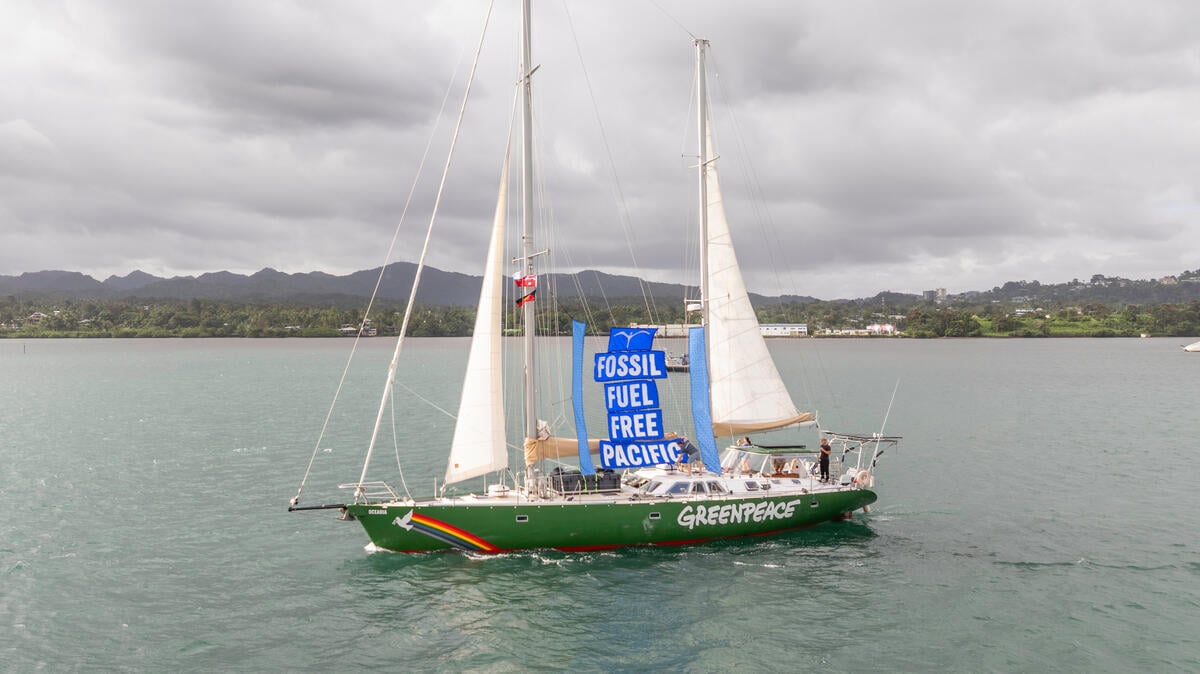

Discussion
you have explained climate change in a very clear and powerful way. Even an ordinary person can understand the seriousness of the issue through your words. The climate disaster reported today in the Nepal and China border region is deeply heartbreaking. Events like this remind us that climate change is not only about science, statistics or policy. It is about people losing homes, livelihoods, safety and hope. If we do not protect our planet and its natural systems, one day the damage may become impossible to reverse. What we do today will shape the future of millions of people and generations to come. We need to raise our voices and demand real climate action, justice and accountability. Climate change affects us all, but those who contribute the least often suffer the most. Thank you for using your voice to make this issue understandable and visible. I stand with you in raising this voice for our planet, our communities and future generations.
Dear Irum Fatima, Thank you for your comment. We agree with your sentiment and at Greenpeace are likewise shocked and saddened by the Nepal flash-flood disaster. We extend our thoughts to all who have lost loved ones and those who are still anxiously waiting for news of family and friends. The scale of this tragedy is deeply unsettling and all available resources need to be mobilised towards the emergency response and recovery. As my colleagues in Greenpeace South Asia have said, governments must not only respond to disasters like this with emergency relief, but also with action to prevent the next one by rapidly phasing out fossil fuels, accelerating the global shift to renewable energy and electrification, investing in adaptation and resilience and by making big polluters pay towards the costs of the damage their business helped cause. Our climate is becoming increasingly destabilised and we must act together as swiftly as possible. In solidarity, Aaron Gray-Block