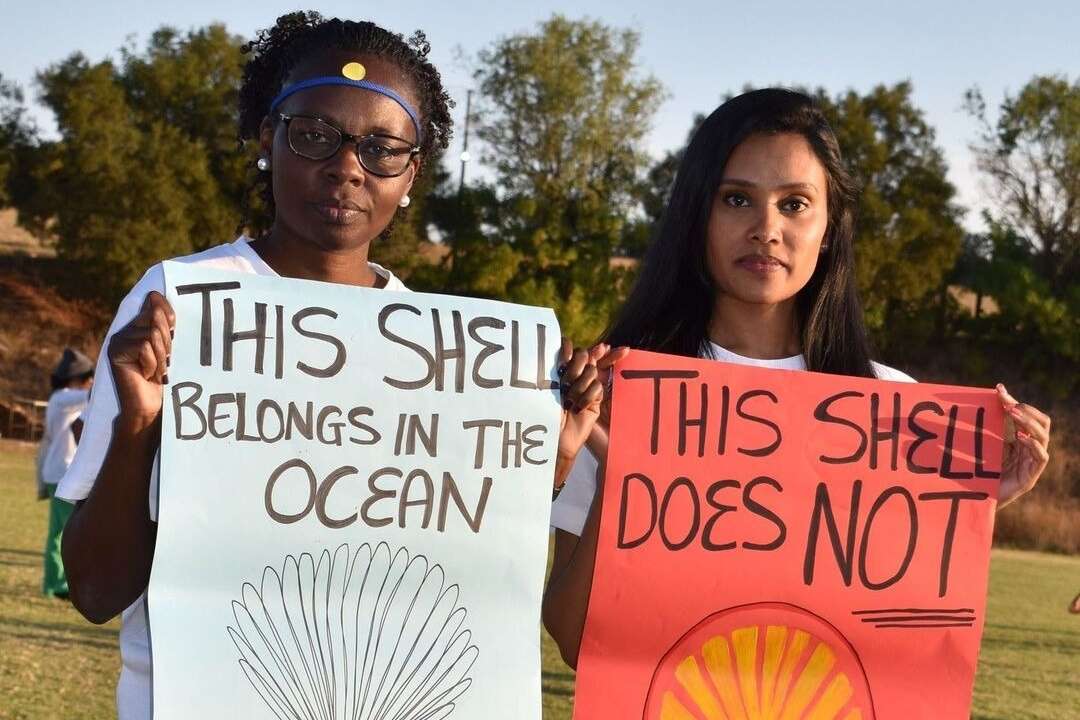
Six months after the US-Israeli war on Iran began, civilians, ecosystems and households far beyond the battlefield are still paying its price. The costs appear in lives lost and displaced, polluted seas and air, and higher bills driven by a fossil fuel-dependent energy system.
The human cost of the war on Iran
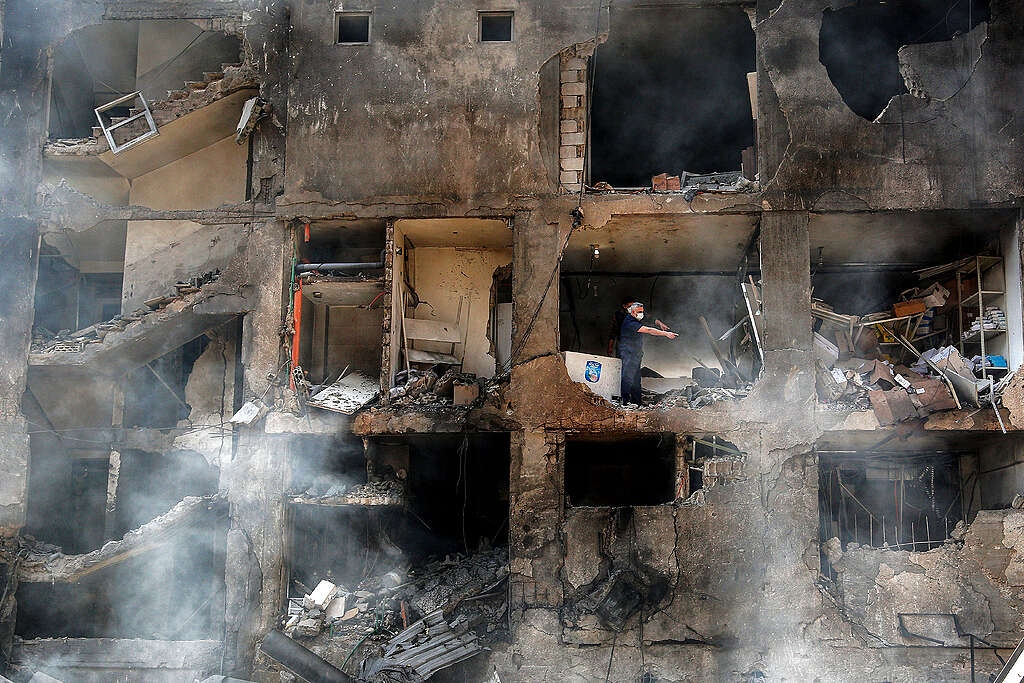
It is difficult to have an exact, up-to-date figure, but various records indicate that more than 8,000 human beings have lost their lives and around 50,000 have been injured as a result of the war:
● In the first 40 days of the war alone, more than 3,500 people were killed in Iran.
● More than 750 US soldiers wounded and 18 killed, according to the Pentagon (the same institution that has recently hidden figures).
Every life is sacred and the human suffering of this and any war should be reason enough to stop the bombing.
The environmental cost of the war on Iran
War ruins life in all its forms. Even relatively small oil spills can have a strong environmental impact and lasting consequences for marine ecosystems.
The impact of oil spills is so severe that some of them are now visible from space. One example is the spill stretching for more than eight kilometres south of the Iranian island of Qeshm, after a vessel was damaged in waters near the Strait of Hormuz. Despite clean-up efforts, this has put mangroves, coastal habitats and the people whose livelihoods depend on the sea at risk.
But sadly, this is not the first oil spill caused by war, and it certainly won’t be the last. In May, for example, the Iranian Navy frigate IRIS Dena was torpedoed and sunk by the U.S. Navy in the Indian Ocean. Three days after it sank, an oil slick appeared near the coast of Sri Lanka, showing that transporting oil safely is just as impossible as cleaning up an oil spill.
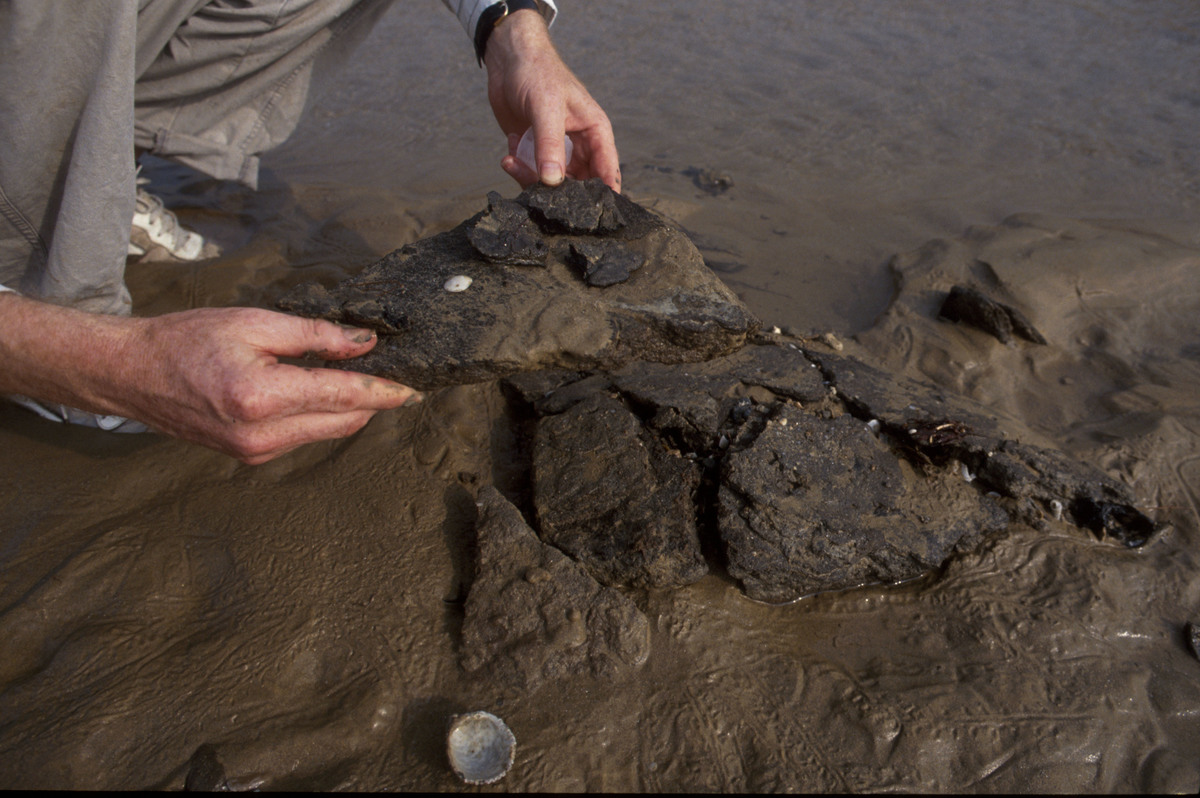
Also in May, an oil spill, allegedly caused by attacks on a refinery, reached the shores of Shidvar Island, one of Iran’s most important protected nature reserves and a refuge for coral reefs, endangered sea turtles, dolphins and birds, which were trapped in the tar.
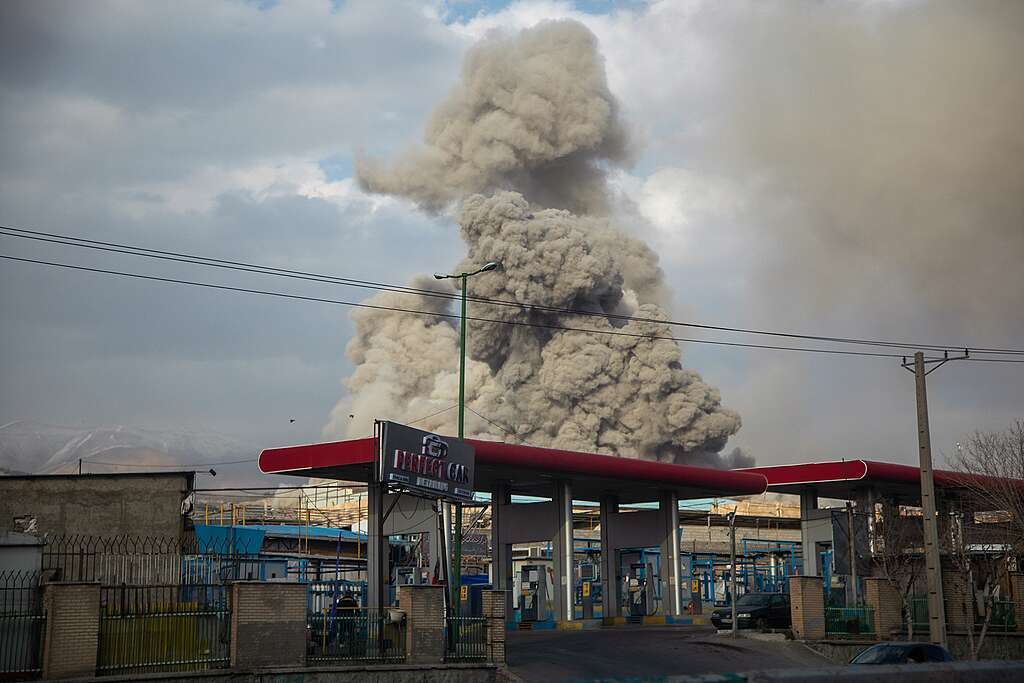
And as if that weren’t enough, this is compounded by the contamination of drinking water, the air, and food. In the first two weeks of the war on Iran alone, 5 million tonnes of CO₂ were emitted. Attacks on oil installations have caused “black rain” (a mixture of oil and precipitation) and thick plumes of toxic smoke, while the bombing of military installations spreads dangerous pollutants.
It is in this way that war not only takes lives, but also destroys the systems that make life possible: water networks, sewage treatment works, farmland, ports, fuel depots and the electricity infrastructure, amongst others.
The economic cost of the war on Iran
War is very, very expensive. Reconstruction, long-term health and environmental harm, lost livelihoods, the higher gas, energy and food costs paid by households worldwide, and of course the direct military costs. Let’s take the latter for reference:
According to United States Defense Secretary Pete Hegseth, the first five months of the war cost US$37 billion. If that’s true, the war has cost US$260 million a day.
But despite that being almost double the daily economic expenditure of the Vietnam War, it’s not enough for Trump – which is why the Pentagon requested an additional US$67 billion from Congress. Yes, two times what it claims to have spent. To put that in perspective, that figure is greater than the GDP of entire countries like Cameroon, Jordan, or Iceland. And even then, it would barely cover a small portion of the expenses.
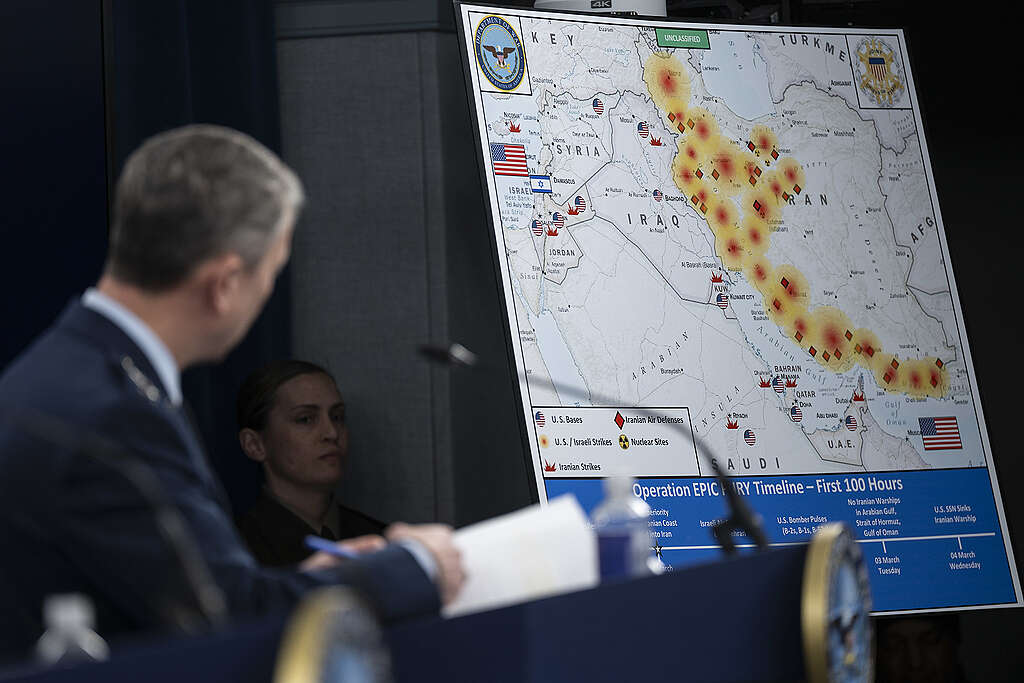
Linda J. Bilmes, a professor of public policy at Harvard Kennedy School, suggests that the war has cost so far around US$120 billion —and “that doesn’t include another US$250 billion for rebuilding the hundreds of U.S. facilities across the Middle East that have been destroyed or damaged. And then there are long-term costs, which are the sort of base of the iceberg, and they are much larger”.
There’s more. The Iran war could unleash the largest single-year US military expenditure since World War II. That is, if Congress approves the obscene US$1.5 trillion defense budget the Trump administration proposed for 2027.
And what is all that money for? No, it’s not to fund public health care for US citizens. Nor is it to help young people pay off their student debt. While US weaponry and your personal budget are dwindling, Trump’s goal is to build a “Dream Military“.
The personal cost of the war on Iran (on your budget)
Meanwhile, millions of people are living a nightmare. The closure of the Strait of Hormuz (through which almost a fifth of the world’s oil used to pass) has caused the price of oil to fluctuate wildly. And when that happens, everything gets more expensive.
It’s called fossilflation (inflation triggered by rising costs of fossil fuels) and you’re probably already paying for it, whether it’s in the gas prices, in your groceries, your energy bill, or even your rent.
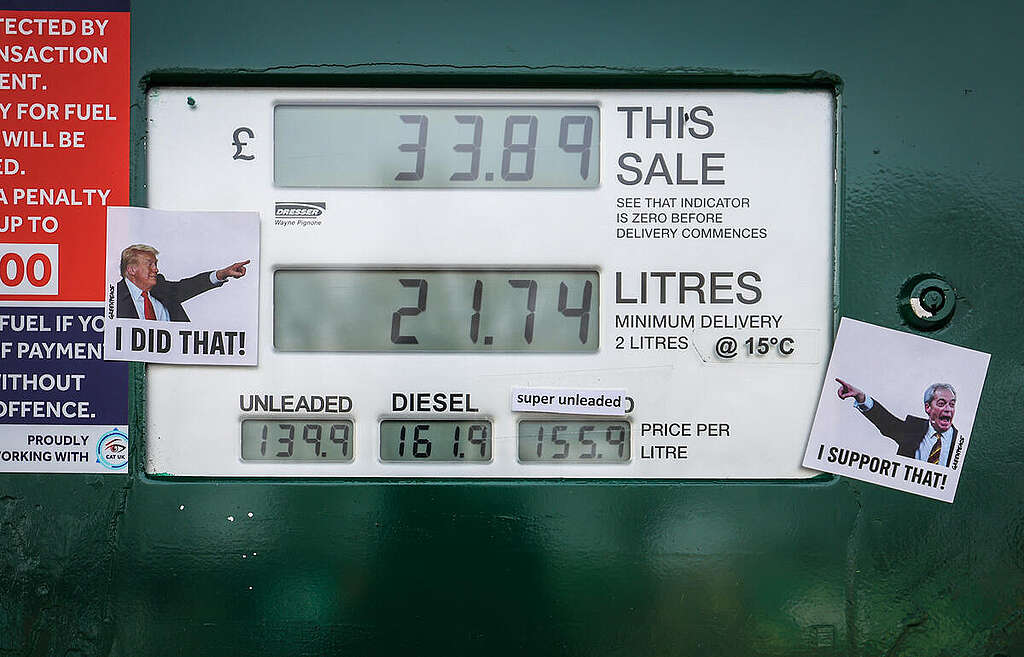
Although Trump says the increase in prices is just “peanuts”, the Climate Solutions Lab at Brown University estimates that US Americans have collectively paid more than US$86 billion extra since the war began. That means that, on average, each household in the US has had to find ways to pay US$660 more in the last six months.
And the worst part is that, even if the war ends tomorrow (and we hope it does), we will continue to feel the effects of fossilflation for months and even years, all over the world.
And how much does the solution cost? It’s actually pretty affordable
With six months having passed since the war began, it’s worth asking: what brought us here in the first place? There’s a determining factor in this equation: the global economy’s utter addiction to fossil fuels.
And that’s why we talk about fossilflation (and not just inflation). The human, environmental, and economic costs of this war could be avoided if our economies didn’t depend on the oil that’s blocked in Hormuz and spilling in Oman.

How can governments protect people from future fossil fuel price shocks?
While the world watches in terror and confusion, the solution to this crisis already exists. No strait can block the sun or the wind, and that’s why renewables are a strategic solution for a country’s energy and economic security. Moreover, renewable energy is already the most affordable new source of electricity in most parts of the world. Solar power is, on average, 41% cheaper and onshore wind power more than 50% cheaper than the cheapest fossil fuel alternatives.
One way to finance this energy transition is by taxing the very oil companies that are currently reaping record profits from the war. So there’s no excuse. Your government must protect the people from fossilflation and reduce your country’s dependence on fossil fuels by accelerating the transition to clean energy
Six months on, the costs of this war are being carried by people who did not choose it: families facing violence and displacement, communities having to breathe toxic air, and households squeezed by higher bills. Governments must pursue peace, make fossil fuel polluters pay and invest in renewable energy, efficient homes, public transport and resilient food systems. Only by reducing dependence on volatile oil and gas can we build lasting security.
Stop fossil fuel giants profiting from war and pollution. Sign now to tax profits and fund disaster relief and energy independence.
Sign now