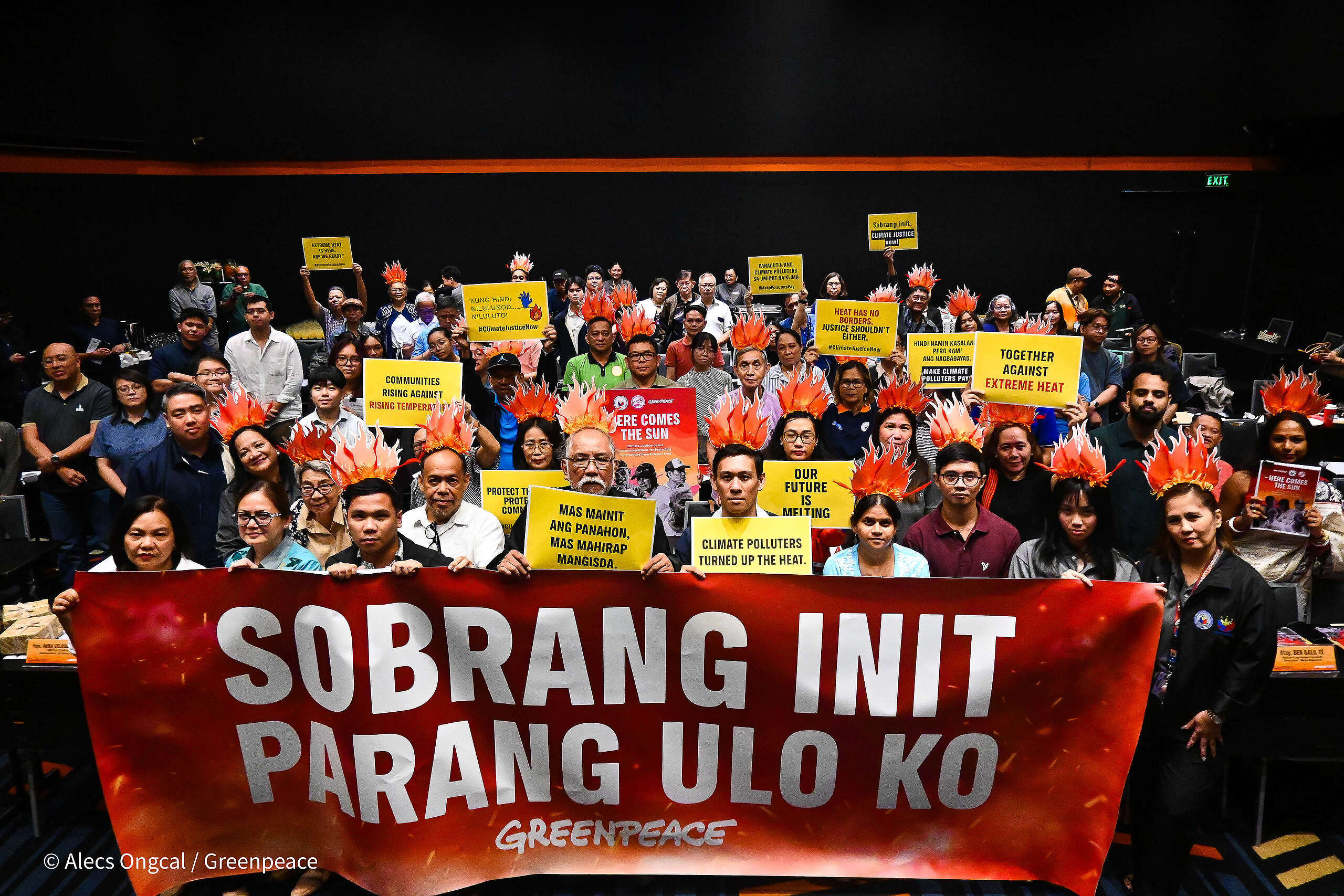
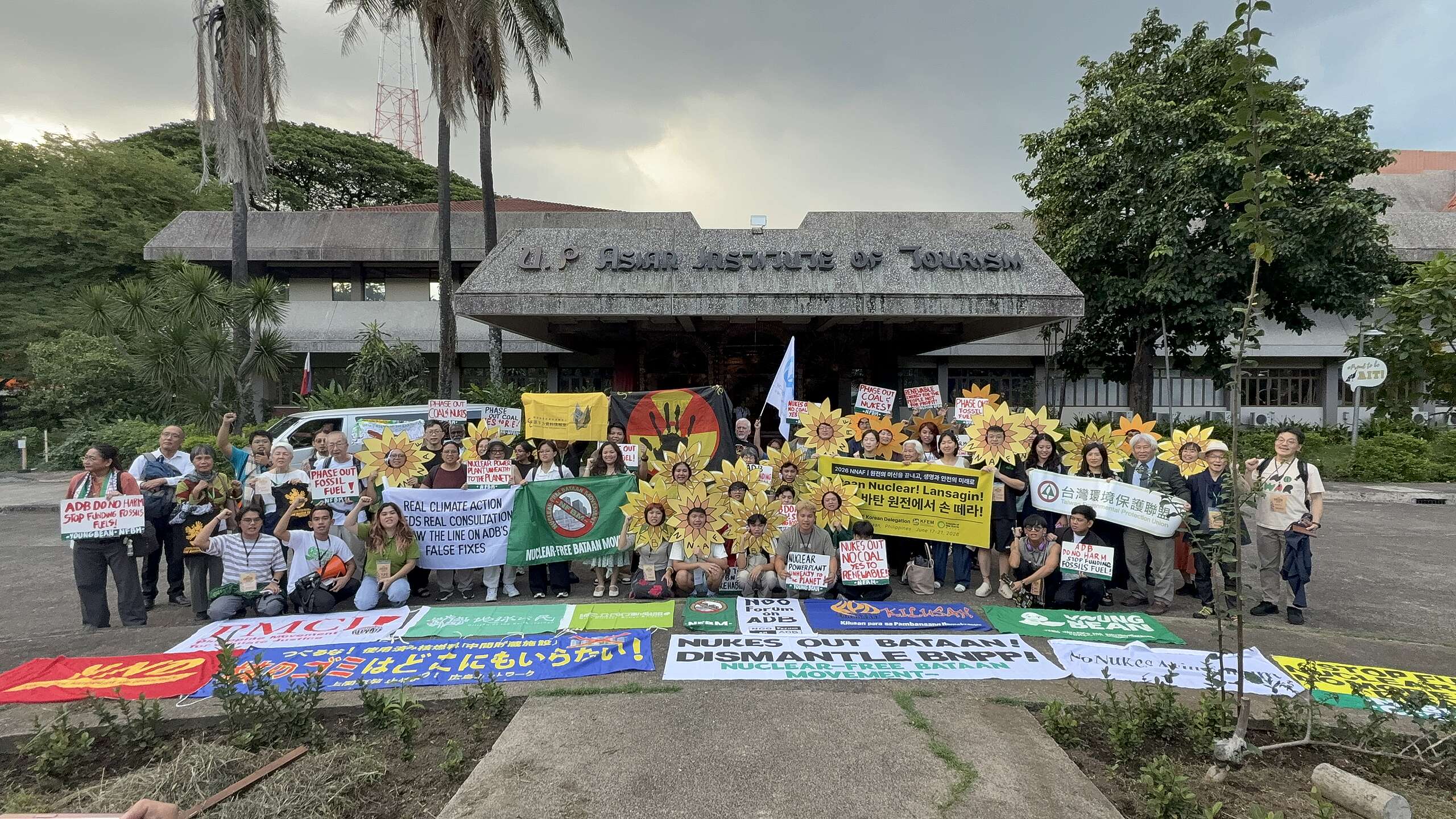
As communities living on the frontlines of the climate crisis in India, Sri Lanka and the Philippines, we come together in solidarity to share our experiences, learn from one another, and call for urgent action to address one of the fastest-growing climate threats facing the Global South: extreme heat.
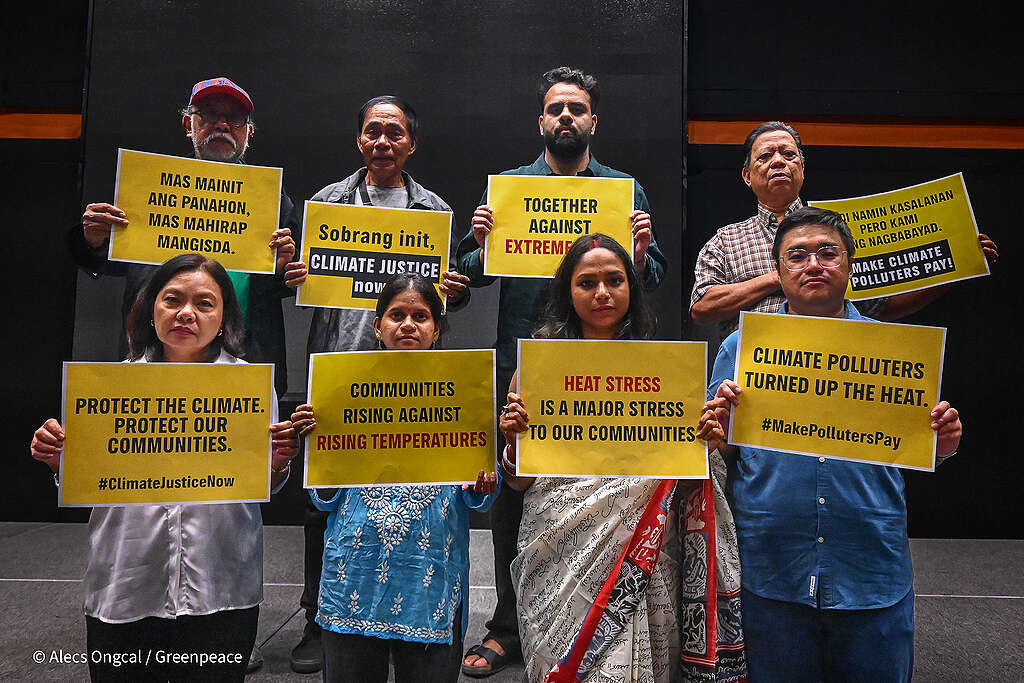
Across our countries, extreme heat is no longer an occasional weather event or a seasonal inconvenience. It has become a chronic and compounding issue that threatens lives, livelihoods, food systems, public health, education, labor productivity, ecosystem, and the dignity and wellbeing of millions. It disproportionately affects workers like street vendors, construction workers, waste workers, home based workers, fisherfolk, farmers, women, children, older people, Indigenous Peoples, informal workers, and other communities already facing social and economic inequalities.
While our local realities differ, our experiences are remarkably similar. Communities are already adapting through local knowledge, mutual support, and resilience. Yet these efforts cannot substitute for the responsibility of governments and major polluters to act at the scale that this crisis demands.
We call on governments across the Global South to recognize extreme heat as a national climate and public health priority, and to develop and implement comprehensive Heat Action Plans that are community-centered, gender-responsive, science-informed, adequately funded, and grounded in climate justice. These plans must go beyond emergency response and address the long-term compounding impacts of extreme heat, through concrete measures and investments in long-term resilience:
- Protection and social security for outdoor, informal, agricultural, aquaculture and fisheries workers, including safe working conditions, income protection, and providing heat-resilient alternative livelihoods
- Stronger, more accessible, and climate-resilient public health systems, capable of responding to the worsening physical and mental health impacts of extreme heat
- Universal access to safe drinking water, affordable cooling, shaded public spaces, and heat-resilient housing
- Heat-resilient schools, workplaces, transport systems, and other community and public common infrastructure
- Community-based early warning systems that reach and are used by every community, especially those most at risk
- Nature-based, ecosystem-based, and locally led adaptation measures that strengthen both people and biodiversity
- Meaningful participation and leadership of frontline communities in planning, implementation, monitoring, and decision-making
- National and legal policy that institutionalize climate adaptation, strengthen accountability, and protect the rights of communities most vulnerable to extreme heat
These commitments will not be possible without adequate, consistent, and accessible finance.
We therefore call on governments, multilateral institutions, and international financing mechanisms to significantly increase highly concessional or debt-free public financing for heat adaptation, ensure that resources reach frontline communities directly, and prioritize those facing the greatest climate risks and the least capacity to respond.
At the same time, we recognize that the burden of this crisis must not continue to fall on those who have contributed least to causing it.
For decades, the world’s largest oil and gas companies have knowingly driven the greenhouse gas emissions that are making extreme heat more frequent and more intense. Frontline communities across the Global South are already paying the price through declining livelihoods, worsening health, damaged ecosystems, rising food insecurity, lost income, and escalating adaptation costs.
Those most responsible for the climate crisis must be held accountable.
We call for major fossil fuel companies and historically high-emitting actors to pay their fair share by contributing to climate adaptation and addressing the loss and damage suffered by frontline communities. Polluters must no longer be allowed to profit while communities bear the human, economic, and environmental costs of the climate crisis. As long as fossil fuel expansion continues, communities will remain on the frontlines of escalating climate impacts. We therefore call on fossil fuel companies to commit to a just and equitable phaseout of fossil fuels, and on governments to accelerate a rapid, people-centered transition to renewable energy systems.
Our exchange between India, Sri Lanka and the Philippines demonstrates that communities across the Global South are not only experiencing the same crisis—they are also creating solutions, sharing knowledge, strengthening resilience, and building solidarity across borders.
We believe that community voices must be at the heart of climate policy. Addressing extreme heat is not only an environmental imperative; it is a matter of climate justice, public health, labor rights, food security, gender equality, human rights, and human dignity.
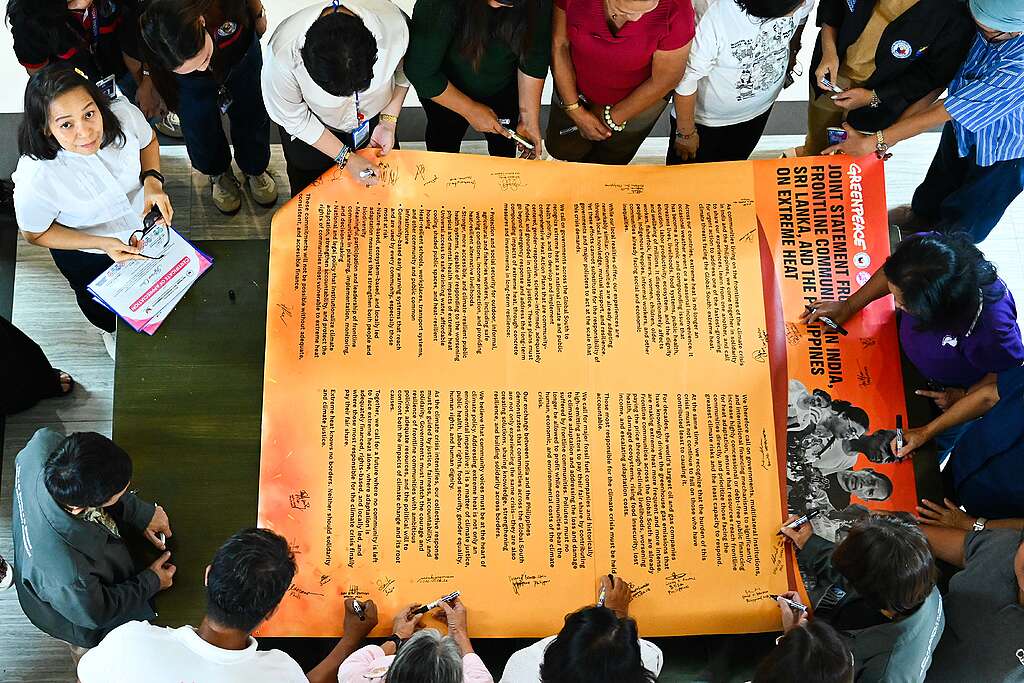
As the climate crisis intensifies, our collective response must be guided by justice, fairness, accountability, and solidarity. Governments must match the courage and resilience of frontline communities with ambitious policies, adequate resources, and the political will to confront both the impacts of climate change and its root causes.
Together, we call for a future where no community is left to face extreme heat alone, where adaptation is adequately financed, rights-based, and locally led, and where those most responsible for the climate crisis finally pay their fair share.
Extreme heat knows no borders. Neither should solidarity and climate justice.
Urge the Philippine Congress to protect our communities, future generations, and the environment by passing the Climate Accountability (CLIMA) Bill. Add your support by clicking the button below.