
Greenpeace USA’s Climate Leadership Scorecard reveals stark differences in how the top candidates for California governor say they will approach and champion one of the most pressing issues of our time.
As Californians start to fill out ballots ahead of the June 2 primary, they have important choices to make about the future of the state. California has long been a national leader on climate and environmental protection, although the oil and gas industry remains a powerful political force and too many state politicians are swayed by their money and influence. California has also suffered some of the harshest impacts of the climate crisis to date, with wildfires, droughts, and floods harming California communities in recent years.
The Trump Administration is aggressively dismantling numerous federal laws and regulations designed to curb pollution and address climate change. California has shown that strong climate leadership at the top is key to making meaningful progress on the issue, and can even set the pace for the rest of the United States.
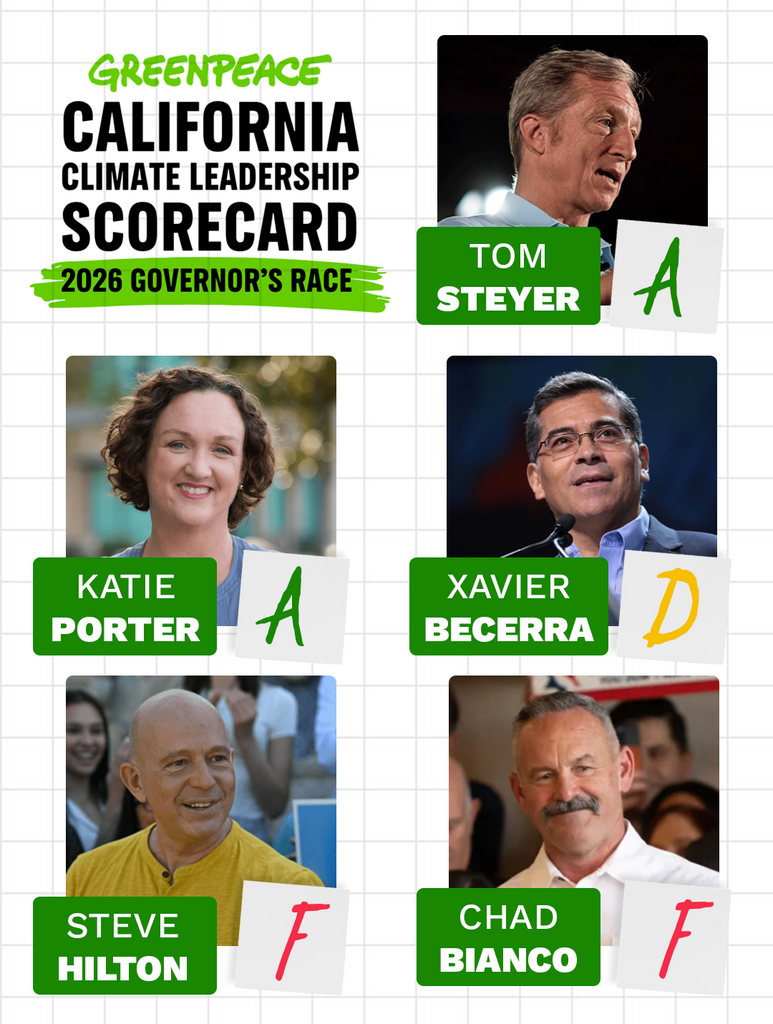
Greenpeace USA’s California Climate Leadership Scorecard evaluated five candidates for Governor of California in May 2026.
Tom Steyer, Katie Porter, Xavier Becerra, Steve Hilton, and Chad Bianco are the leading candidates based on the most recent major polls conducted.
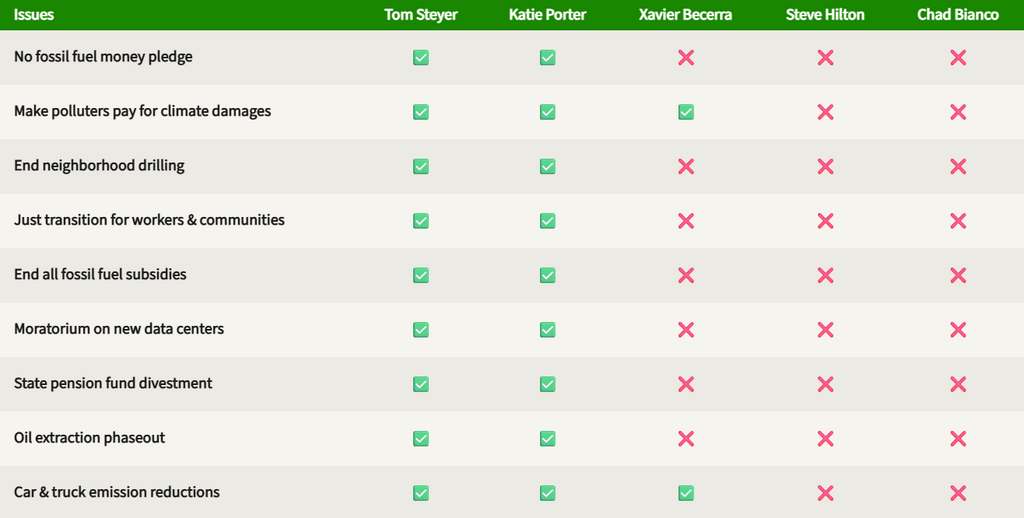
The scorecard grades candidates on their stated policies relating to nine issues central to tackling the climate crisis in California:
- Defending state emissions reduction targets for cars and trucks
- Not accepting money from the fossil fuel industry
- Holding the fossil fuel industry accountable for climate damages
- Protecting communities from toxic neighborhood drilling
- Facilitating a just transition for workers and communities
- Ending all fossil fuel subsidies
- Enacting a moratorium on new data centers
- Supporting state public pension divestment from fossil fuel companies
- Creating a plan to phase out oil extraction in the state
- Defending state emissions reduction targets for cars and trucks
Tom Steyer — Grade: A
- ✅ No fossil fuel money pledge
- ✅ Make polluters pay for climate damages
- ✅ End neighborhood drilling
- ✅ Just transition for workers & communities
- ✅ End all fossil fuel subsidies
- ✅ Moratorium on new data centers
- ✅ State pension fund divestment
- ✅ Oil extraction phaseout
- ✅ Car & truck emission reductions
Katie Porter — Grade: A

- ✅ No fossil fuel money pledge
- ✅ Make polluters pay for climate damages
- ✅ End neighborhood drilling
- ✅ Just transition for workers & communities
- ✅ End all fossil fuel subsidies
- ✅ Moratorium on new data centers
- ✅ State pension fund divestment
- ✅ Oil extraction phaseout
- ✅ Car & truck emission reductions
Xavier Becerra — Grade: D
- ❌ No fossil fuel money pledge
- ✅ Make polluters pay for climate damages
- ❌ End neighborhood drilling
- ❌ Just transition for workers & communities
- ❌ End all fossil fuel subsidies
- ❌ Moratorium on new data centers
- ❌ State pension fund divestment
- ❌ Oil extraction phaseout
- ✅ Car & truck emission reductions
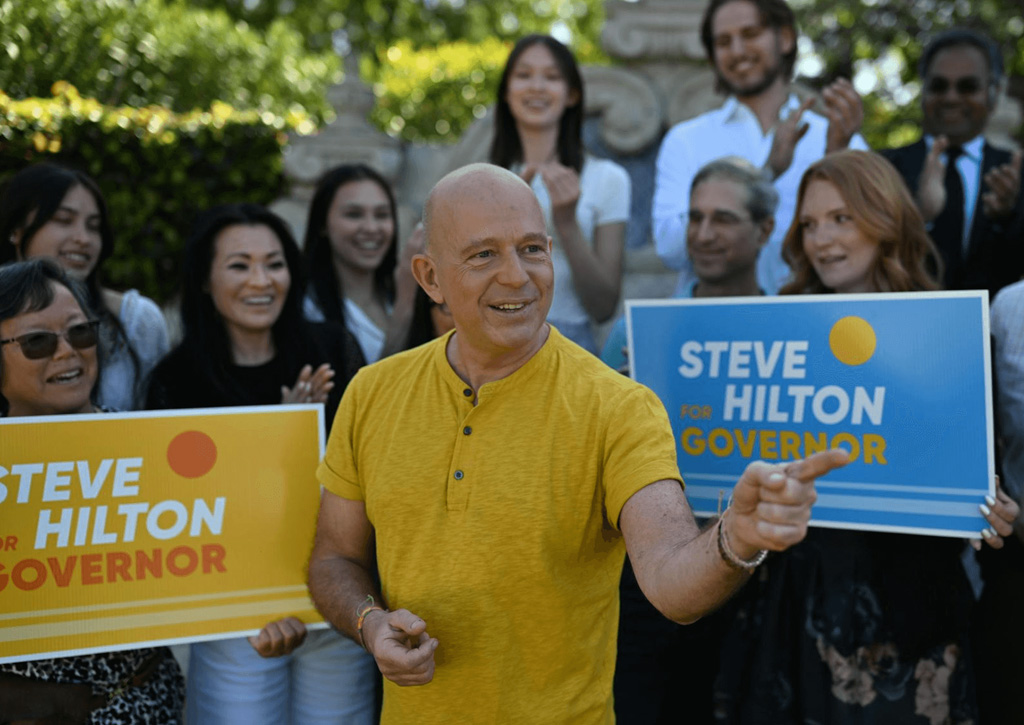
Steve Hilton — Grade: F
- ❌ No fossil fuel money pledge
- ❌ Make polluters pay for climate damages
- ❌ End neighborhood drilling
- ❌ Just transition for workers & communities
- ❌ End all fossil fuel subsidies
- ❌ Moratorium on new data centers
- ❌ State pension fund divestment
- ❌ Oil extraction phaseout
- ❌ Car & truck emission reductions
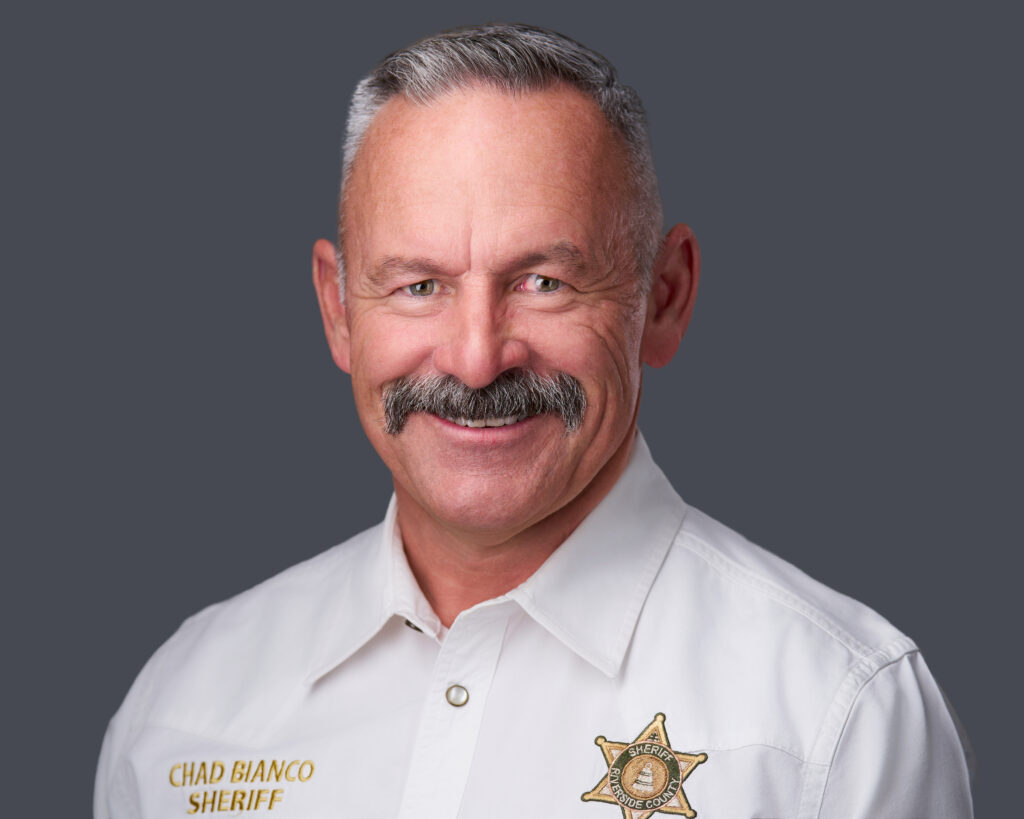
Chad Bianco — Grade: F
- ❌ No fossil fuel money pledge
- ❌ Make polluters pay for climate damages
- ❌ End neighborhood drilling
- ❌ Just transition for workers & communities
- ❌ End all fossil fuel subsidies
- ❌ Moratorium on new data centers
- ❌ State pension fund divestment
- ❌ Oil extraction phaseout
- ❌ Car & truck emission reductions
Climate impacts are growing more dangerous, while President Trump is attempting to erase science, break apart global cooperation, silence dissent, and dismantle the federal government’s ability to solve the problem. Who California voters select for Governor this year could help turn the tide back toward strong climate action – or it could cement real harm and move us down an unsustainable path. The planet needs strong California leadership on climate now more than ever.
We need everyone who cares about climate and the environment to turn out to vote in the primary on June 2.
Find your polling place and learn about other ways to fill out and return your ballot:
Share scorecard on social media:
Scorecard methodology
The Scorecard is designed to assess what actions each candidate will take to confront the climate crisis if elected Governor. To measure this, we rely on responses to a survey sent to each candidate in March and April 2026. For candidates that did not respond to our survey, we used public information from each candidate, including their policy platforms and public statements, to score them. The scores are not static, and if a candidate’s public position changes, we will update the Scorecard.
For each candidate, we conducted uniform key word searches on campaign websites, public social media channels, and via Google News. We recognize that this search is imperfect and may result in missing policy positions. We commit to updating the Scorecard if relevant information is brought to our attention.
The Scorecard issued a single letter grade (A through F) for each candidate based on their full, partial or zero credit across the 9 varying climate issues:
1: Signing the Fossil Fuel Money Pledge and not accepting donations from fossil fuel companies
2: Supporting the Polluters Pay California Climate Superfund Act of 2025 (SB 684)
3: Commitment to defend and fully enact SB 1137, which established 3200 foot health protection zones between oil and gas extraction sites and California’s communities
4: Support using state budget dollars to provide assistance to fossil fuel workers and to California communities that are dependent on oil and gas for tax revenue during the transition away from fossil fuels
5: Commitment to ending all government fossil fuel subsidies
6: Promoting a moratorium on new data centers until regulations can be put in place that will protect ratepayers and require new renewable energy capacity and sustainable water procurement
7: Aiding California’s public pension funds from making new investments or renewing existing ones in fossil fuel companies
8: Commitment to developing a plan to phase out oil extraction in the state by 2045 in line with Governor Newsom’s 2021 Executive Order; and
9: Defending and expanding California’s ability to reduce greenhouse gas emissions from cars and trucks in the face of President Trump’s climate rollbacks.
The Scorecard is designed to capture affirmative commitments to a specific policy. If no public information is found on an issue for a particular candidate, they received zero credit. Similarly, general statements of concern or consideration for an issue without a clear policy position did not receive credit. Partial credit was given for positions that captured some but not all of the intended issue components.
Two candidates returned the survey before publication, which we have made publicly available here (Tom Steyer, Katie Porter). If additional responses from other candidates are received before the date of the primary election, we will update the scorecard accordingly.