
The Plastic House Challenge
In 2025, Greenpeace USA surveyed 3,500 Americans from across all 50 states to assess the prevalence of common plastic household items that contribute to our exposure to microplastics and related chemicals. This report reveals our survey results and details the potential health implications from these toxic plastic items filling our homes and leaching plastic chemicals and microplastics into our bodies.
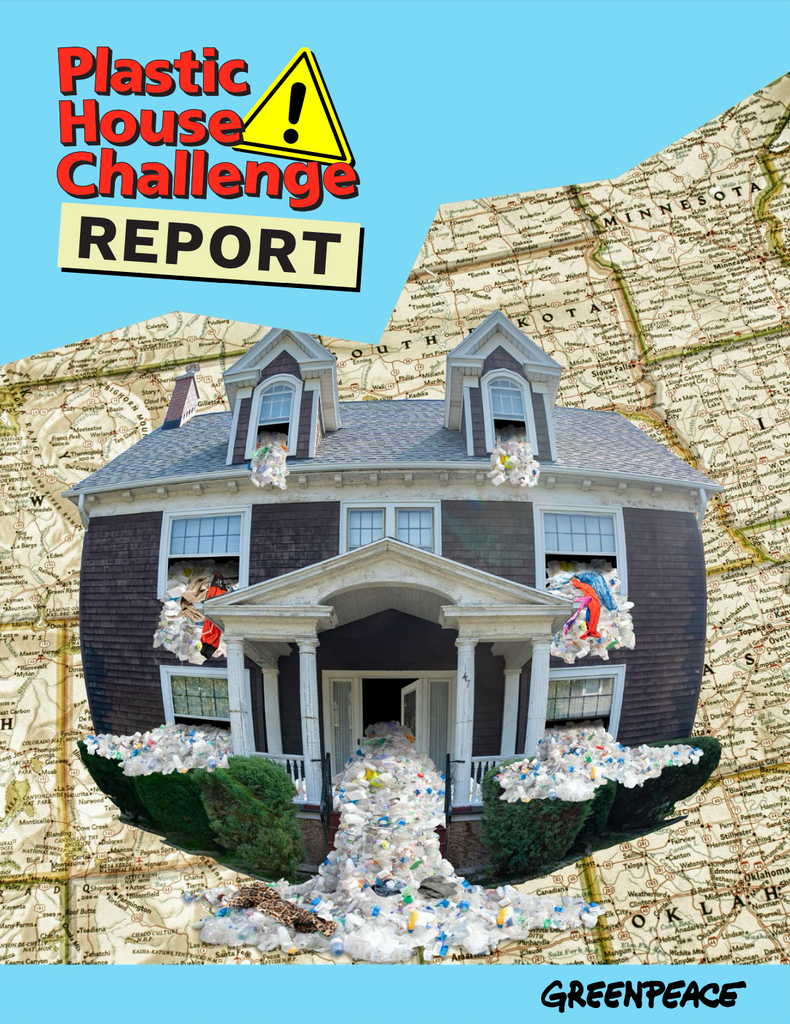
Check out the interactive map below to view detailed survey results in every state! While robust federal regulations protecting public health from plastic harms are woefully lacking, state lawmakers in almost half of all US states have introduced and/or adopted bills addressing plastics and plastic chemicals in synthetic textiles, personal care products, and food packaging. And here’s more good news – experts anticipate that in 2026, state legislatures will consider at least 275 policies addressing toxic chemicals and plastics.
But until these policies are passed, millions of Americans are exposed to plastics in their homes every day. Companies need to be transparent about the harmful plastic chemicals in their products, work to eliminate the worst offending chemicals of concern, and invest in safe solutions. Regulators must support and strengthen national laws – such as TSCA – that protect people from harmful chemicals, as well as international efforts to negotiate a strong Global Plastic Treaty treaty that cuts plastic production, bans toxic chemicals, and catalyzes the shift from throwaway plastic to reuse and refill.
Key Findings
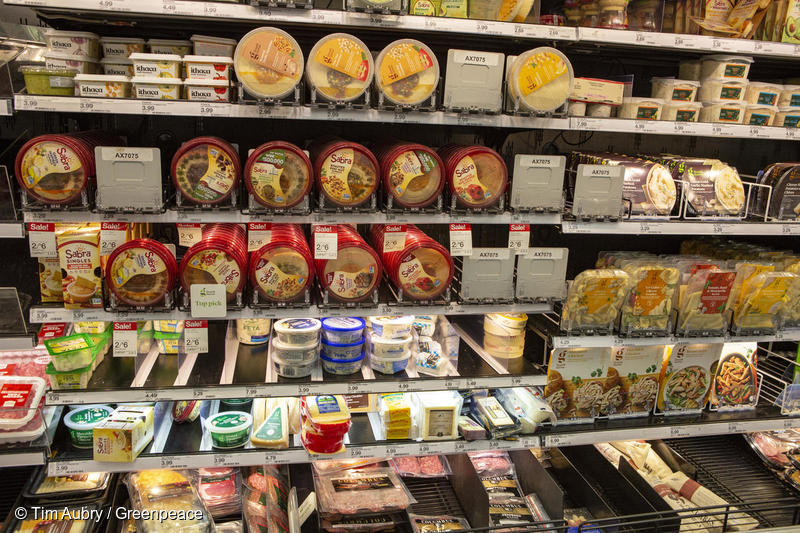
A small handful of retailers and fast-moving consumer goods (FMCG) companies hold disproportionate power over how much plastic food packaging enters our kitchens and exposes us to harmful chemicals.
- 70% of Plastic House Challenge participants reported purchasing groceries from the nation’s top 3 leading grocery stores: Walmart, Costco, and Kroger.
- 100% of participants reported their kitchens contained food/beverage products from at least one of these six multinational corporations: The Coca-Cola Company, PepsiCo, Mars Inc, Mondelez International, Nestlé, and Danone.
- 80% of participants reported having at least one item in their kitchen advertised as packaged in recycled plastic. The food brands most frequently identified included Coca-Cola, Hellman’s, Pepsi, and Dasani.
Food packaging is widely recognized by scientists as one of the most significant sources of human exposure to plastic-associated chemicals, such as phthalates and bisphenols, which the United Nations Environment Programme (UNEP) has identified as chemicals of major concern due to their high toxicity and potential to migrate from plastics. But some of the nation’s biggest retailers and FMCG companies to date have failed to meaningfully disclose, reduce, or fully eliminate chemicals of concern in plastic food packaging. Instead, public sustainability reporting from these companies focuses extensively on recyclability and increasing recycled content, metrics that do little to address chemical exposure. Increasing recycled content does not remove chemicals of concern from circulation; in some cases, it can introduce additional chemicals.

Reusable plastics in the kitchen are widespread. Unfortunately, these shed microplastics and leach plastic chemicals into our food.
- 48% of participants reported that their reusable food and beverage storage containers are made primarily out of plastic.
- 60% of participants reported using plastic cutting boards.
But here is the good news: safe, nontoxic alternatives already exist for many reusable plastic kitchen items like storage containers, cooking utensils, and cutting boards. Swap the plastic for glass, stainless steel, ceramics, and wood.
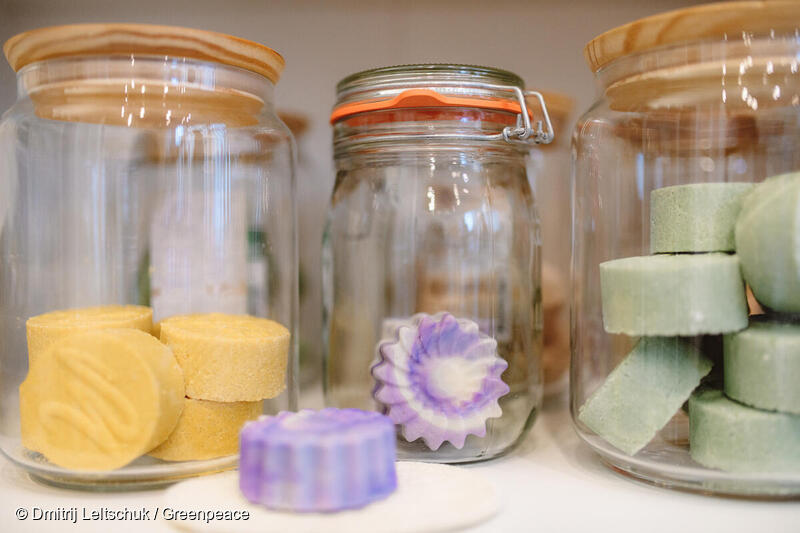
Lebensmittel wie Trockenfrüchte, Bohnen, Reis, Nudeln und Seifen werden unverpackt in einem Unverpackt-Laden angeboten. Transportgefässe aus Glas und Taschen aus Stoff werden zum einkaufen und abfüllen benutzt.
Personal care products are not meeting their potential. Many refillable or plastic-free products already exist, and yet respondents reported having ten times as many personal care products packaged in plastic than refillable or plastic-free products.
- Only 6% of participants reported using personal care products sold in refillable or plastic-free packaging.
- On average, respondents reported that 60% of their personal care products are packaged in plastic.
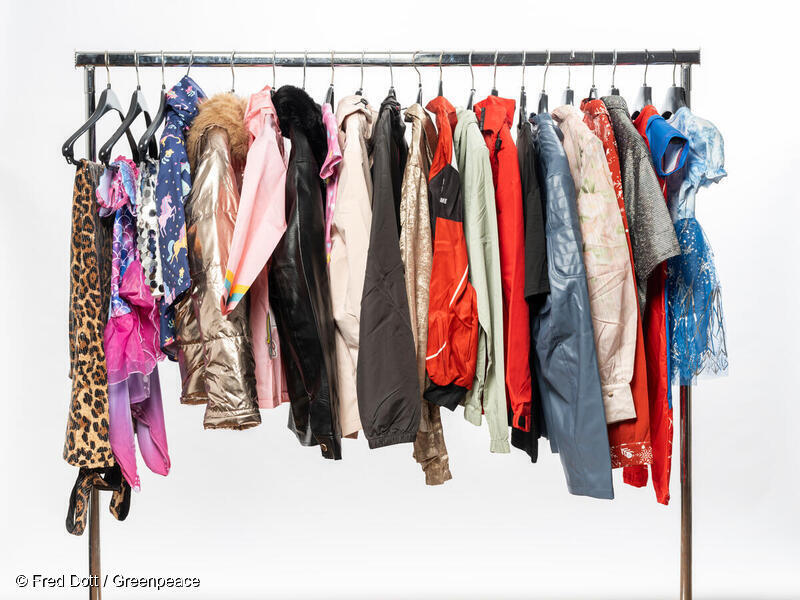
It’s not only single-use plastic products that expose us to microplastics and plastic chemicals. Durable plastic goods like shower curtains, clothing, and carpets expose us to microplastics and plastic chemicals via offgassing and particle shedding.
- 53% of participants reported having synthetic carpeting.
- 57% of participants reported having a plastic shower curtain.
- On average, respondents reported that 40% of their clothes are made from synthetic textiles.
We Need Accountability
Retailers and fast-moving consumer goods companies have the power, budget, and responsibility to use safe, nontoxic alternatives for food packaging, personal care products, and durable home goods. These companies need to be transparent about the harmful plastic in their products, work to eliminate the worst offending chemicals of concern, and invest in safe solutions. Until they do, millions of consumers will continue to be exposed to plastic-associated chemicals and microplastics without transparency, meaningful choice, or informed consent.
Lawmakers here in the United States are currently failing to protect us from harmful chemical exposure in everyday plastic products. We need robust regulation to ensure companies are disclosing the chemicals in their products, testing for safety, and working to minimize harm. At the international level, world governments are negotiating a once-in-a-generation opportunity to tackle the plastic pollution crisis with a Global Plastics Treaty. It is critical that this treaty cut plastic production, ban toxic chemicals, and catalyzes a systemic shift from throwaway plastic to reuse and refill. We can’t waste this moment.