
All articles
-
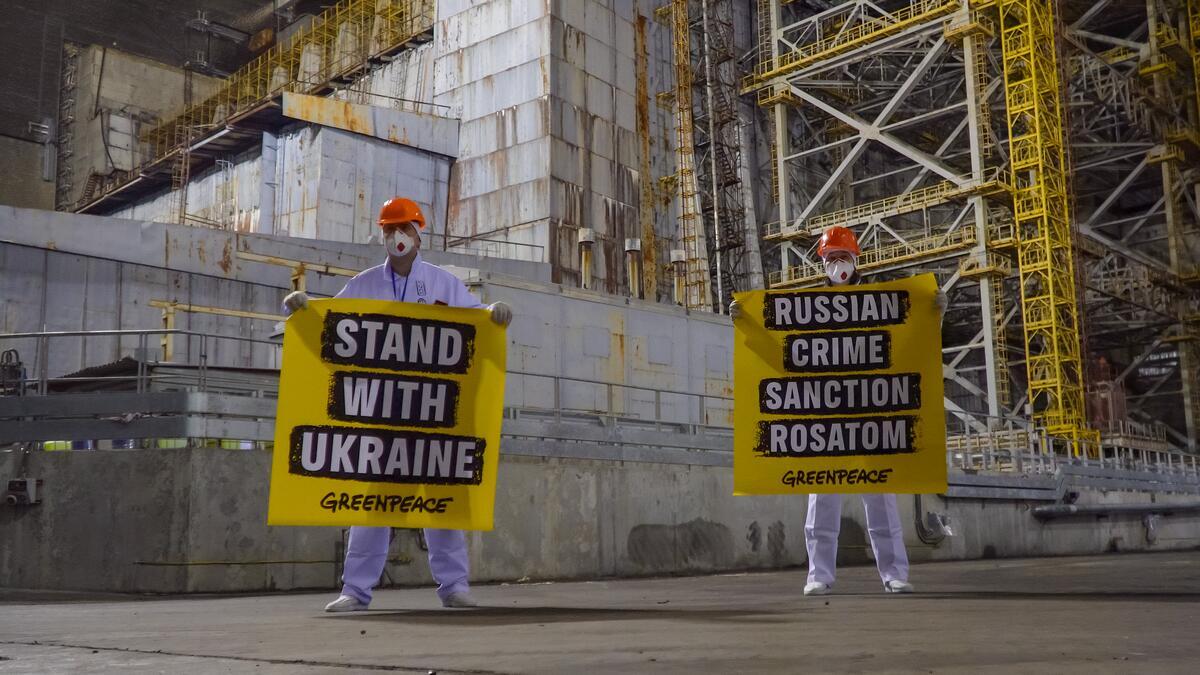
Greenpeace warns: 40 years after Chornobyl accident, war exposes ongoing risks of nuclear power
40 years after the Chornobyl disaster spread radioactive contamination across Europe, the risks it exposed have evolved in a world shaped by war, geopolitical tension and more frequent extreme weather.
-
Forty years on, the Chornobyl disaster remains an ongoing and evolving crisis
This is not simply a commemoration of a past event. 40 years later, this is an ongoing nuclear emergency.
-

Greenpeace warns Trump’s threat to bomb Iran’s power grid risks humanitarian and nuclear disaster
Greenpeace condemns Trump's threat to target Iran’s electricity infrastructure, warning it could trigger a humanitarian catastrophe and risks nuclear disaster escalating into a wider regional crisis.
-
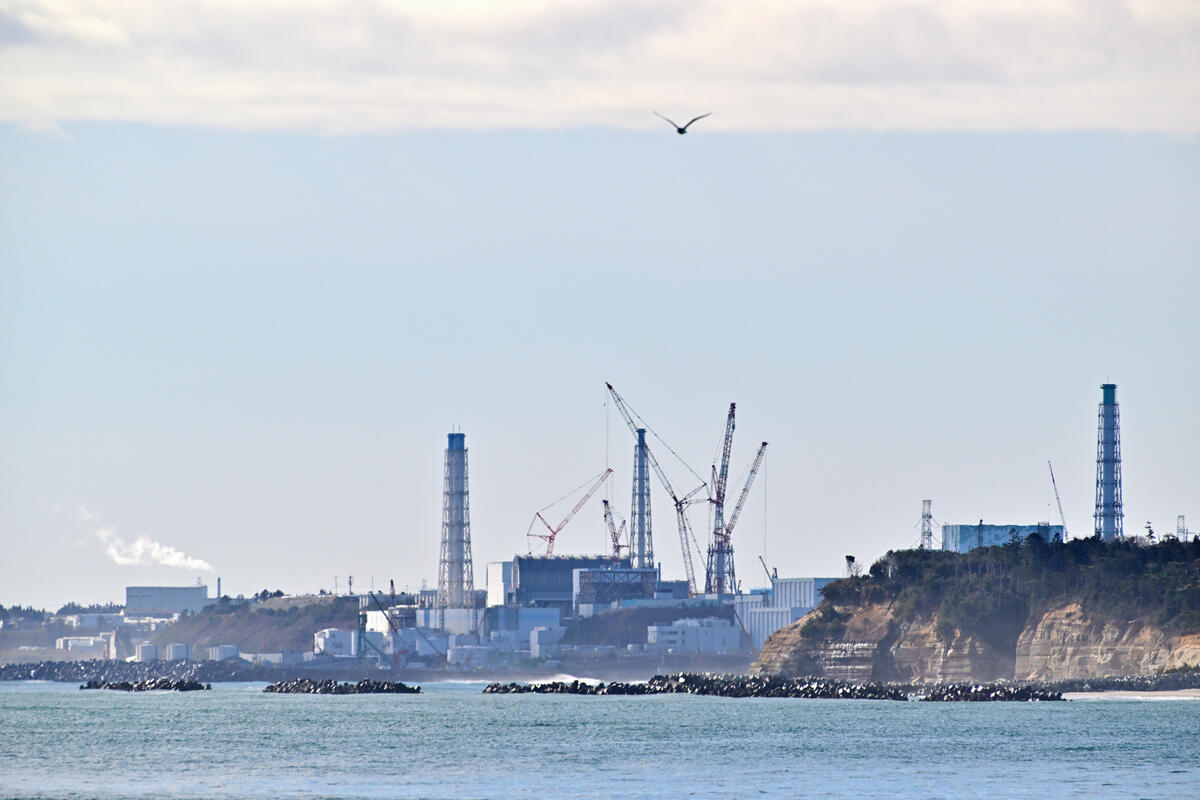
15 Years since the Fukushima nuclear disaster: Prioritize renewables for energy security and decarbonization
Greenpeace Japan calls on the government to prioritise the expansion of energy efficiency and sustainable renewables over nuclear power.
-
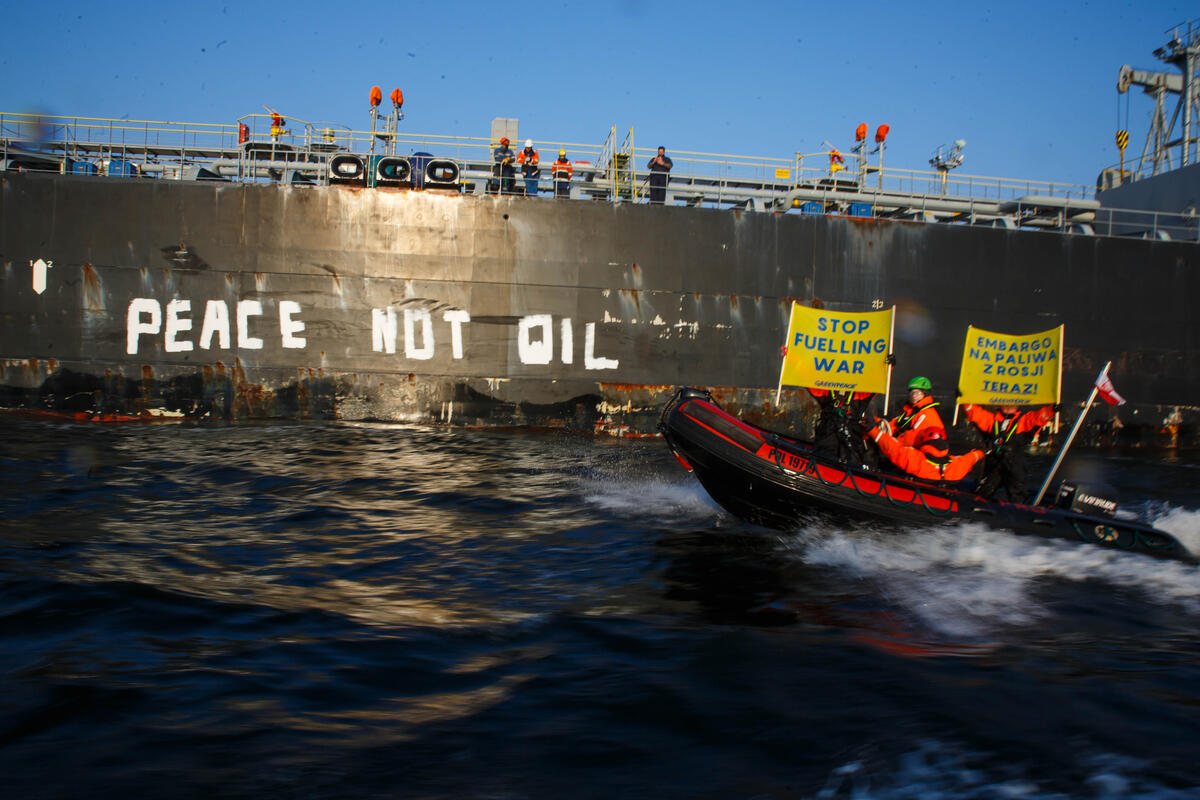
Another year of war in Ukraine: Energy grid attacks among Russia’s escalating crimes
The war has made it clear that green technologies are no longer just about environmental protection or cost savings. In Ukraine, they have become a matter of survival, security, and resilience.
-
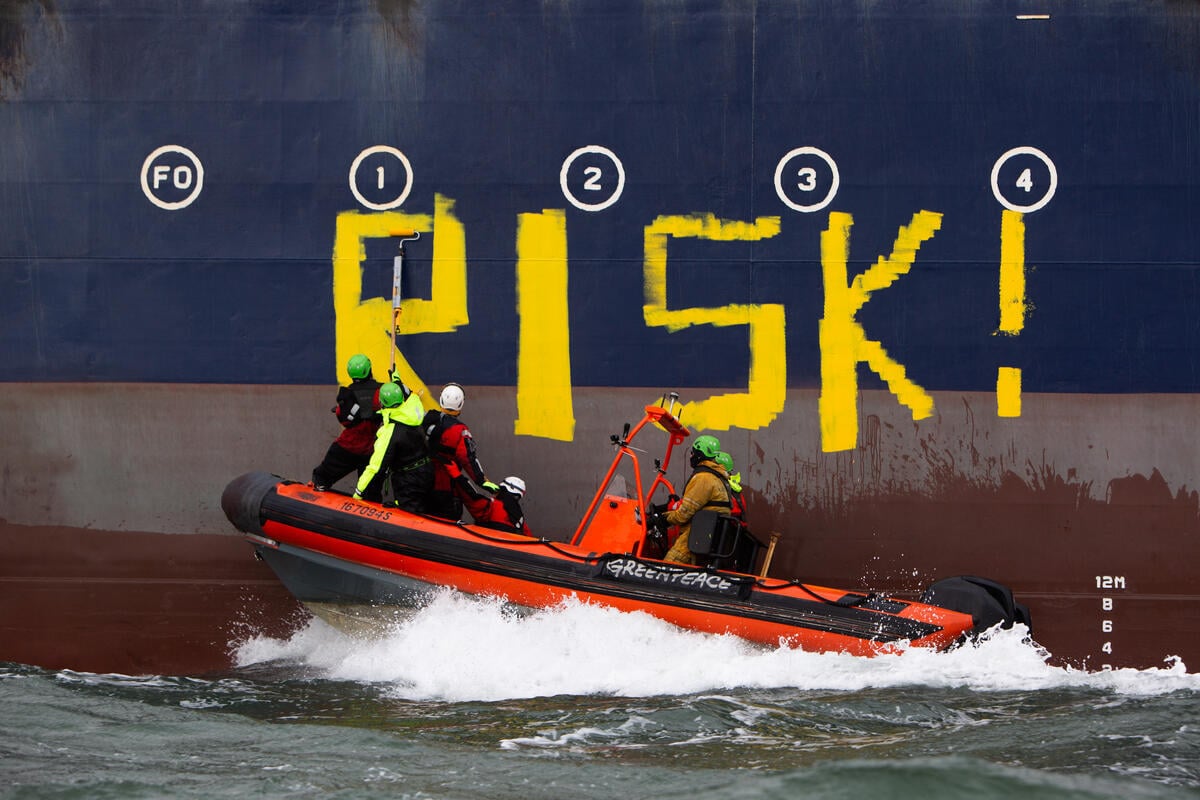
Russia’s fossil fuel war economy drives oppression and climate breakdown
The most far-reaching analysis of environment and environmentalism in Russia since 2022 shows how Putin’s regime relies on a toxic troika of extractivism, authoritarianism and war.
-
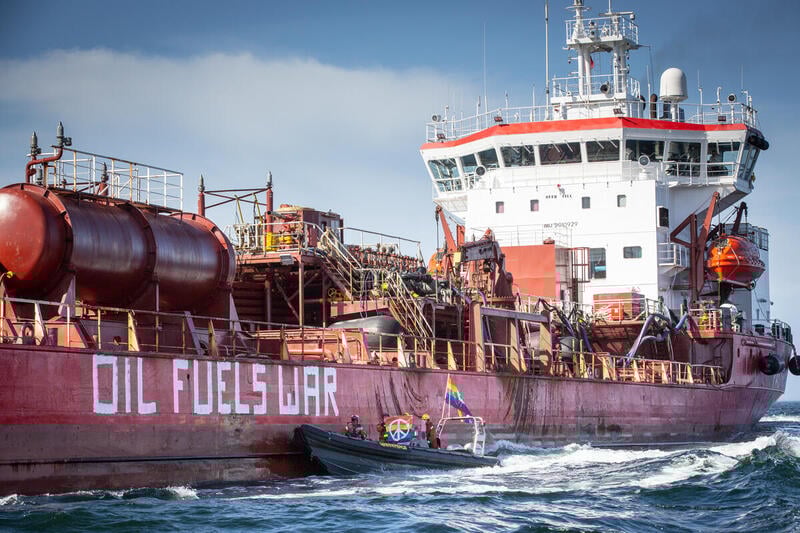
Russia locked in spiral toward terminal war economy of fossil fuels, state oppression and bloody aggression – pioneering report
Russia locked in spiral toward terminal war economy of fossil fuels, state oppression and bloody aggression – pioneering report also sends defiant signal of resistance
-
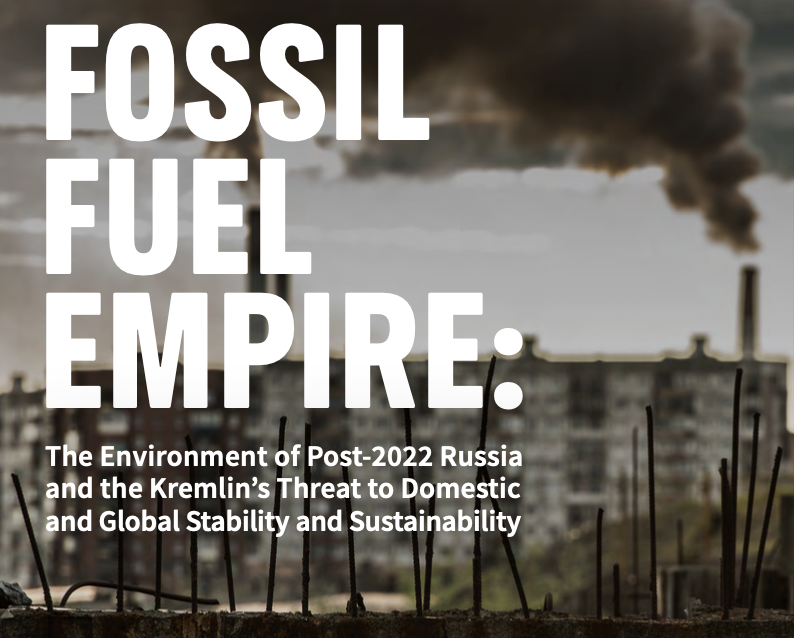
Fossil Fuel Empire: The Environment of Post-2022 Russia and the Kremlin’s Threat to Domestic and Global Stability and Sustainability
A groundbreaking report created from outside Russia following a Kremlin crackdown on civil society following the 2022 full-scale invasion of Ukraine shows Russia is locked in a spiral toward terminal war economy of fossil fuels, state oppression and bloody aggression. The report also sends a defiant signal following a Kremlin crackdown on environmental and human…
-
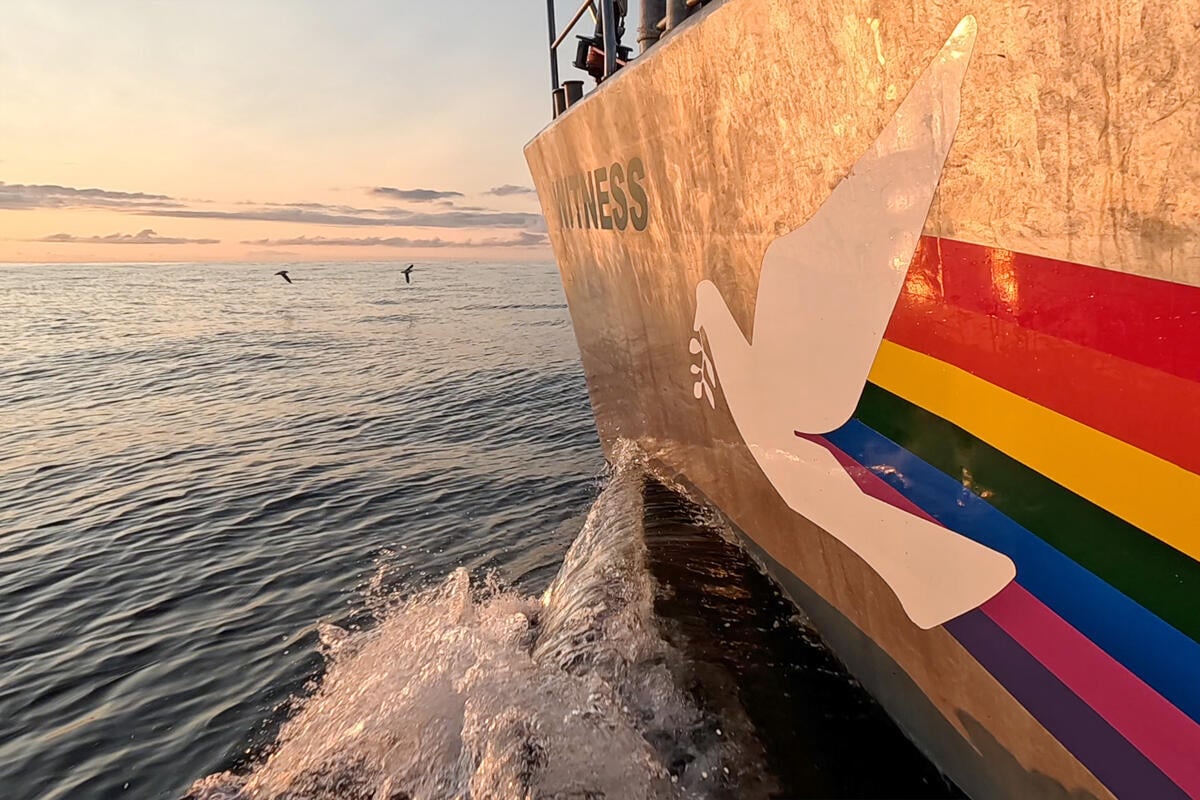
From Hiroshima to Gaza: defending peace
In 2025, whilst a genocide is underway in Gaza, war continues in Ukraine, and threats of nuclear escalation abound, the promise of "never again" rings with tragic irony.
-
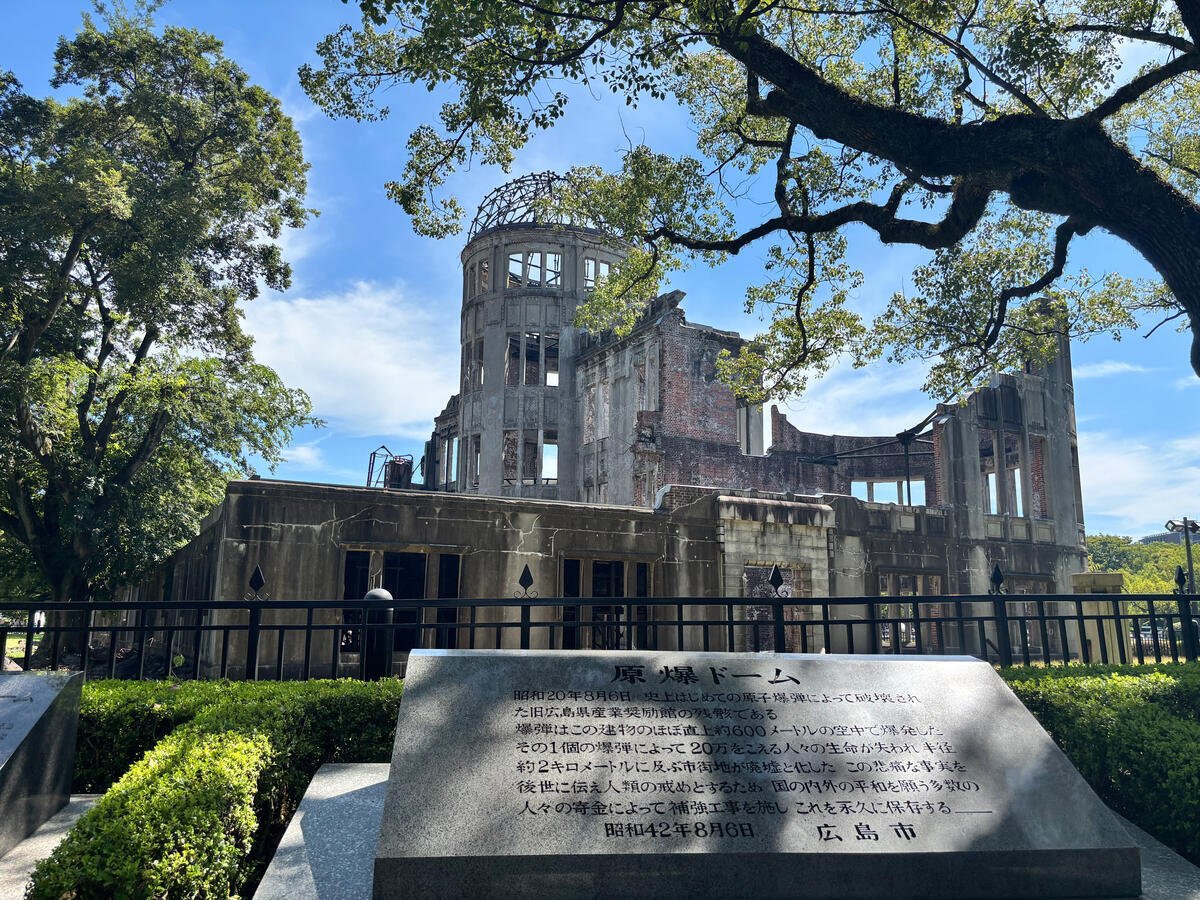
80 years since Hiroshima and Nagasaki — time for a nuclear-free world for a peaceful, sustainable future
On August 6 and 9, 1945, atomic bombs were dropped on Hiroshima and Nagasaki, Japan, instantly claiming the lives of tens of thousands of people.