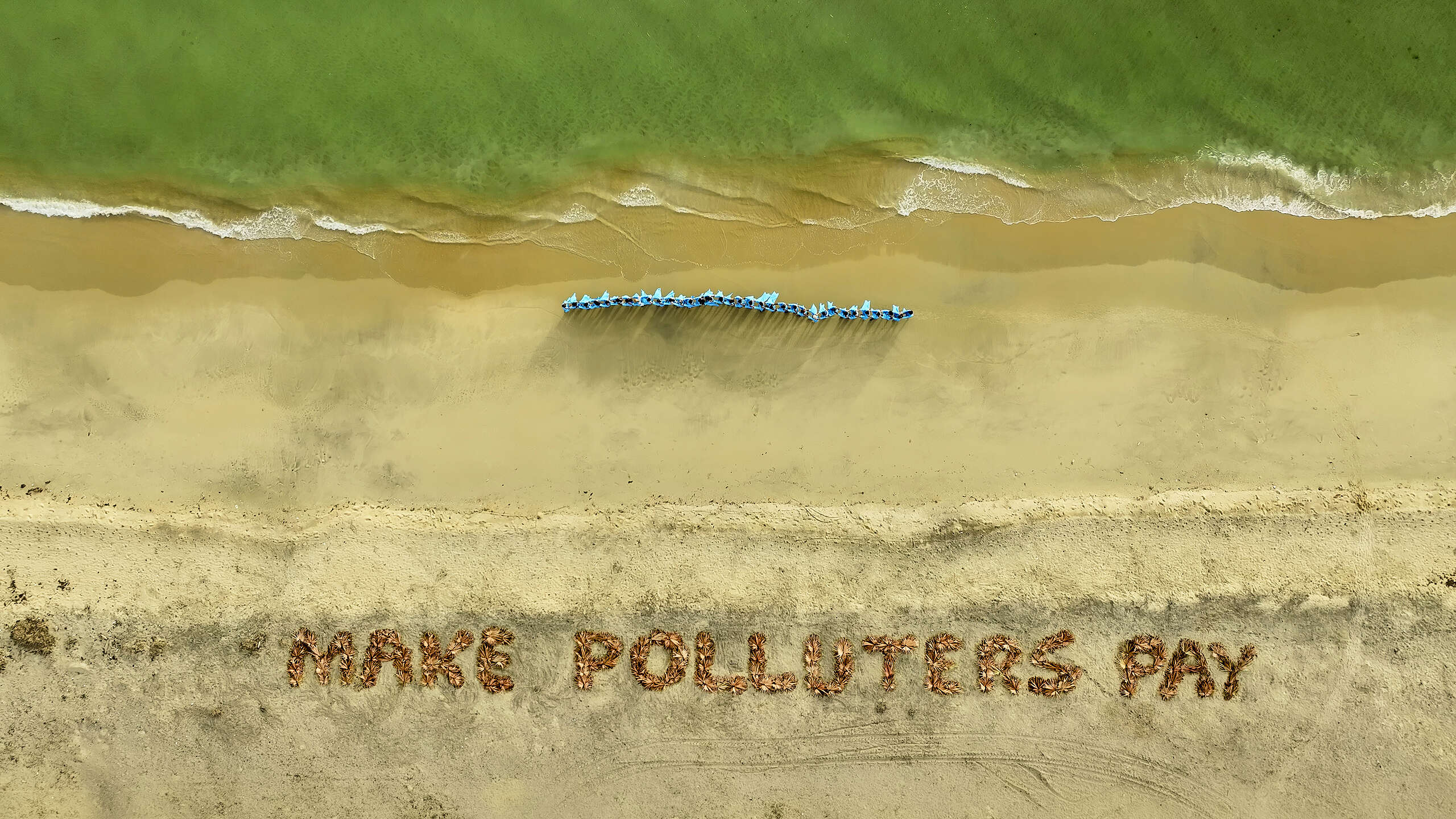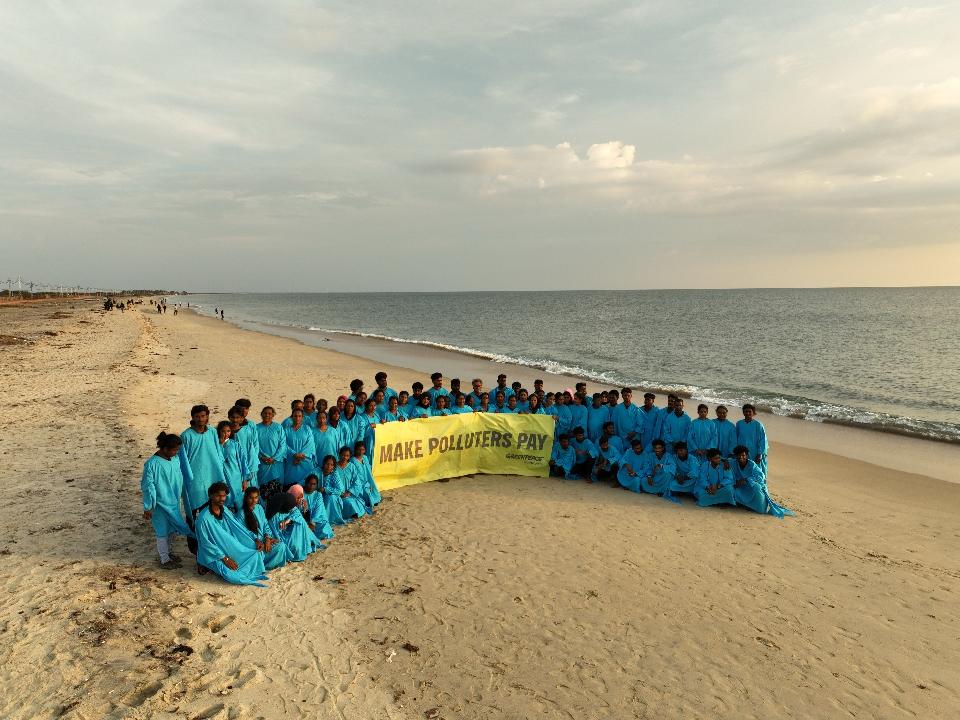
Climate summits can feel distant from the realities people face every day. Behind the speeches, pledges and negotiations lies a question that remains unanswered: who pays for the climate crisis, and who is held accountable?
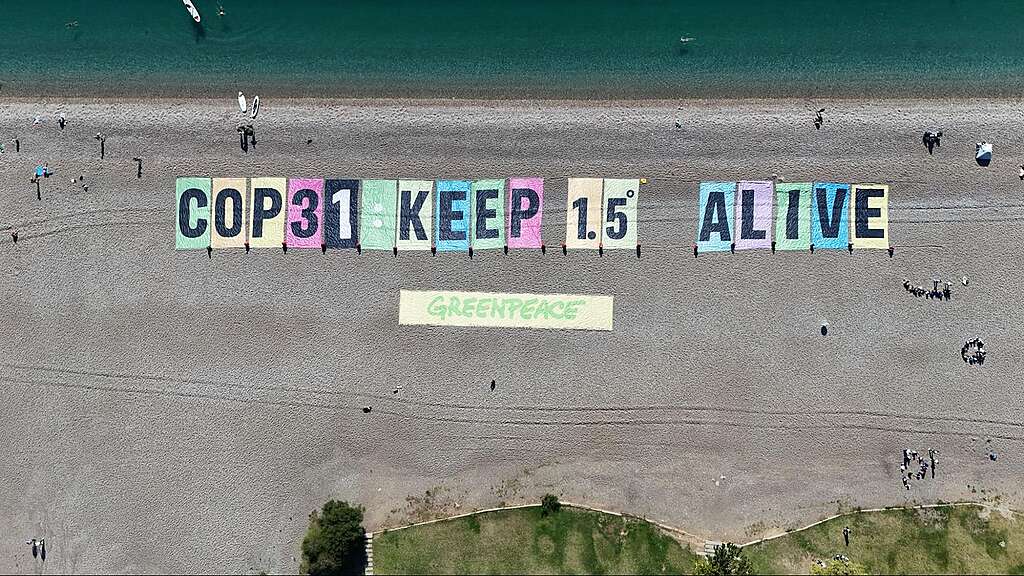
If you followed COP31 and felt a mix of doom, distance and quiet suspicion that the whole thing is theatre, you were far from alone. Many of us watched leaders arrive, announce commitments and applaud one another while summers get hotter, and wonder what any of it changes. Some of the most powerful people in those rooms still treat the climate crisis as up for debate, made room for Big Oil at the stage, making the negotiations feel even further removed from our lives.
That frustration has a basis. International climate negotiations have delivered important milestones, including the shared goal of limiting global warming to 1.5°C and the establishment of a Loss and Damage Fund. These outcomes were the result of sustained pressure from countries of the Global South and climate-vulnerable communities demanding recognition of the costs of a crisis they did little to cause.
Yet the gap between promises and action remained wide. Our people continued to face extreme heat, floods, coastal erosion, changing rainfall and failing harvests. Workers faced dangerous conditions, while families lost homes and livelihoods.
COP31 in Antalya, Turkey, offered little reassurance. The summit ended without a final agreement after governments failed to find common ground on the future of fossil fuels. Saudi Arabia, Russia and other oil-producing countries opposed including language on phasing out coal, oil and gas. Several countries, including members of the European Union and climate-vulnerable nations, refused to accept the proposed text without stronger commitments.
The breakdown marked a significant setback for the international climate process. It also exposed a conflict that has followed these negotiations for years: how can governments agree on a response to climate change while some continue to defend the industries driving it?
COP31 was also widely described as a COP of implementation. The major commitments had already been made: the $300 billion annual climate finance goal by 2035, the COP28 commitment to transition away from fossil fuels and the establishment of the Loss and Damage Fund. What remained was the political will to deliver them. This gap still remains.
The funding gap further illustrated the challenge. Around 119 countries had sought approximately $2.8 billion from the Loss and Damage Fund, while only about $600 million had actually been paid in, against pledges of approximately $820 million. For communities dealing with the destruction of homes, livelihoods and ecosystems, delayed financial support had serious consequences.
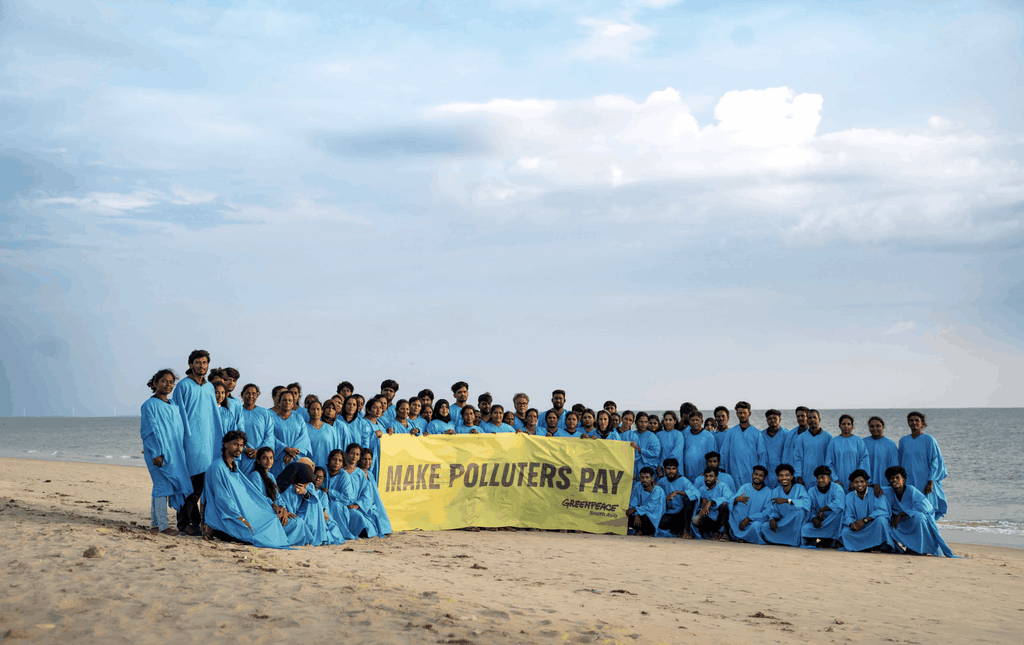
At COP31, the Greenpeace network urged the South Asian governments, including the Indian Government delegation, to push further for climate accountability and stronger commitments from those most responsible for the crisis. Our letters to the delegations set out five priorities for climate justice:
- Make polluters pay. Major fossil fuel companies and developed countries most responsible for historical emissions must contribute their fair share towards addressing climate damage. This includes supporting an international Climate Future Fund and taxing windfall profits from fossil fuels, so resources can reach communities dealing with climate impacts.
- Deliver climate finance as an obligation, not charity. Developed countries must provide new, additional and predictable public finance for adaptation, resilience and loss and damage. This support should come as grants rather than loans, and must not add to the debt burdens of countries already facing the consequences of climate change.
- Strengthen the Loss and Damage Fund. The Fund needs resources at a scale that reflects the losses people are experiencing, with support reaching affected communities quickly and directly. Climate damage includes the loss of homes, livelihoods, wages, workdays, cultural practices and ways of life. Funding must respond to these realities.
- Put frontline communities and workers at the centre of decisions. People experiencing extreme heat, floods, cyclones, droughts and rising seas must have a meaningful role in shaping national adaptation and climate plans. Workers and communities need representation in decision-making, alongside stronger protections through early warning systems, disaster response and adaptation measures.
- Reject false solutions and fossil fuel expansion. Carbon offsets and carbon capture must not become excuses to continue producing fossil fuels. Governments must act to end new oil, gas and coal projects while ensuring that the transition protects workers and communities.
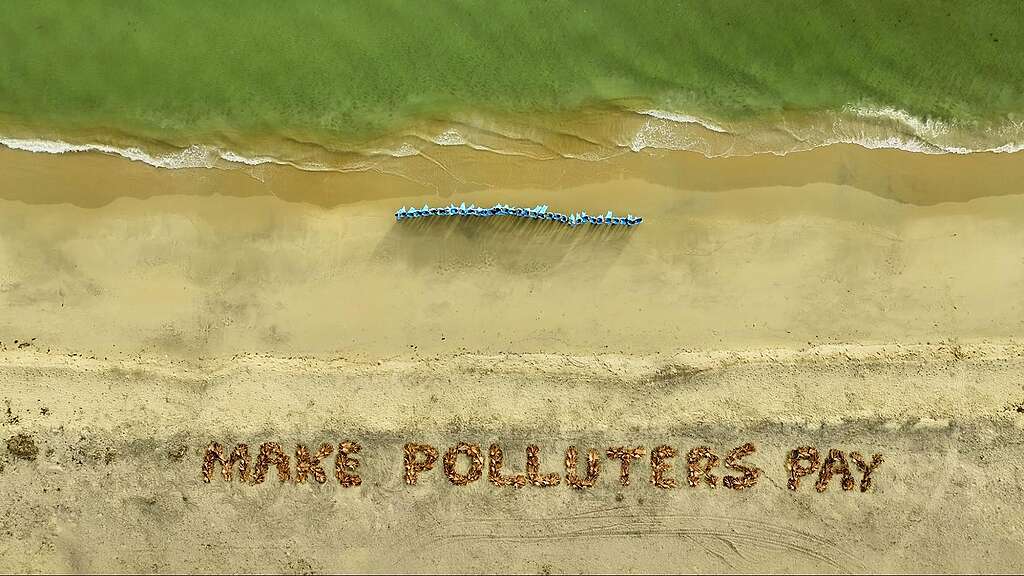
These priorities are connected. Climate finance without accountability leaves polluters off the hook. A transition away from fossil fuels must protect the people whose livelihoods depend on changing industries. And decisions made without the participation of affected communities risk overlooking the realities they are meant to address.
So what can a summit achieve? COP cannot, by itself, repair a damaged coastline, restore a lost harvest or make a worker safe from extreme heat. Its value lies in establishing commitments, creating routes for finance and setting expectations that governments must be held to. Those commitments matter when they lead to resources, protections and action that people can actually access.
It is reasonable to feel disillusioned by the pace of climate negotiations. It is also worth remembering that many of the milestones they have delivered came after years of pressure from countries and communities demanding change. The work does not end when leaders leave the negotiating table. Governments must be held to their commitments, gaps must be challenged, and the companies driving the crisis must be made accountable.
The question remains: who pays for the climate crisis? The answer must include those who have profited from the fossil fuels driving it.