Whether religious or atheist, faith guides many of us. Simply because success is not guaranteed in most struggles. Our energy and motivation sometimes find their source beyond logic and rationality. Here are five reasons why people of faith can be a powerful force for a liveable planet.
1. 85% of the world’s people identify with a religion: a powerful force that can move mountains
Research has shown that over 5.8 billion people on our planet consider themselves to belong to a religious community. That means about 85% of the people on Earth identify with a religion.
Half of all schools and 40% of health facilities in some countries are owned or operated by faith groups, hence the importance of ensuring, as Ummah For Earth and many other groups are doing, that the training of faith leaders incorporates environmental issues and raises awareness of ecology in both theory and practice.
In addition, faith-related institutions own almost 8% of the total habitable land surface – and constitute the world’s third largest group of financial investors. The issue of finance is key: in the face of deregulated international finance driven by short-term profit, alternative models are gaining strength, like Islamic finance.
Among these billions of people driven by strong values, many have already committed themselves to fighting the ecological and social crisis in a variety of ways. Many others have not yet taken action, but are sensitive to the arguments highlighting the intersection between their religious values and environmental actionéé. A powerful force and a source of positive environmental impact that should not be overlooked.
2. Activism has always involved and been driven by people of faith

Throughout history, faith communities have played significant roles in advocating for environmental and social justice, often driven by their religious teachings and values.
The history of the abolitionist movement, the Civil Rights movement in the United States, and the Anti-Apartheid movement in South Africa show that faith leaders and people of faith are often key players in bringing about change.
And yes, this also applies to environmental struggles. The Chipko Movement, a grassroots environmental movement led by local women in the 1970s and inspired by Hindu traditions of reverence for nature succeeded in protecting numerous forests and securing community rights over forest resources. In the 1980s, Brazil’s Indigenous communities, including the Kayapo people, resisted the construction of the Belo Monte Dam on the Xingu River, and successfully halted the dam’s construction for several years by drawing upon their spiritual beliefs and cultural heritage. In 2018, the Munduruku Indigenous People in Brazil fought to protect their territory from a construction project that would flood an area the size of New York City and would directly impact their lives and livelihoods, including spiritual practices. The Munduruku drew a map of their territory outlining sacred places that would be destroyed if the project was approved.
More recently (2016), the Standing Rock Sioux Tribe, along with other Indigenous groups and environmental activists, protested against the construction of the Dakota Access Pipeline, which threatened their sacred sites and water sources, including the Missouri River. They organised prayer camps and nonviolent demonstrations, drawing support from religious communities across the country.
3. Religious leaders and faith communities are concerned about climate and nature crises
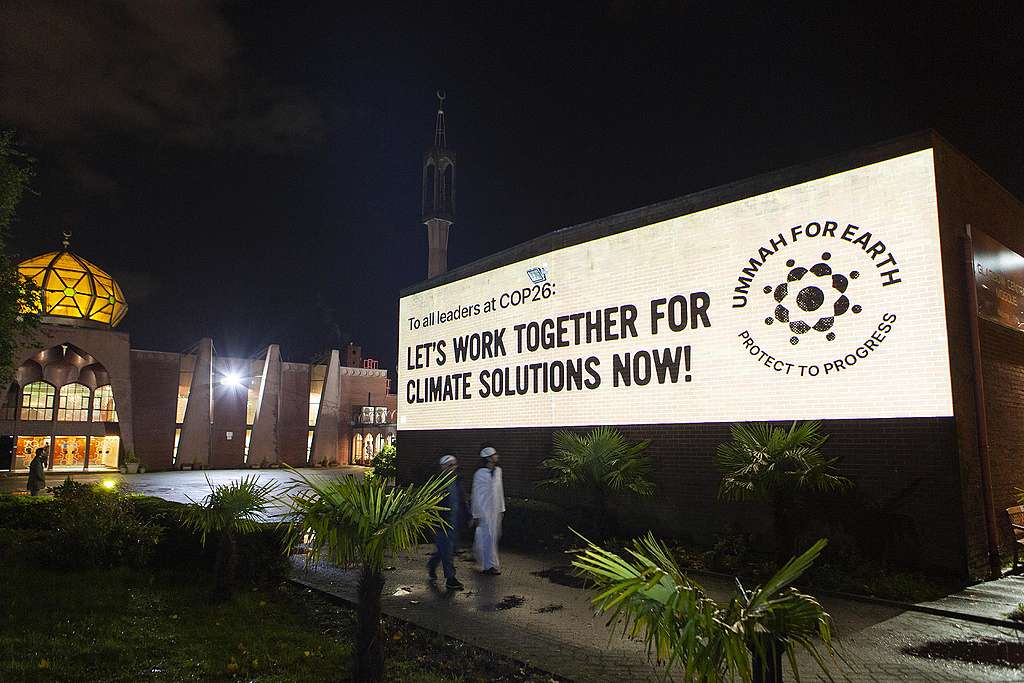
Pope Francis’ encyclical “Laudato Si'” released in 2015, and reinforced in 2023 by the encyclical “Laudate Deum”, emphasises the moral imperative for environmental stewardship based on Catholic social teachings. The Islamic Declaration on Climate Change, also issued in 2015 by a diverse group of participants including Islamic scholars, academics, environmentalists, policymakers, and representatives from various Muslim organisations, emphasises the moral responsibility of Muslims to address climate change and its impacts. It is in the same spirit that a group of distinguished Islamic scholars from around the world released the Al-Mizan Covenant for the Earth a few weeks ago at the United Nations Environment Assembly (UNEA-6).
Commenting on extreme weather events like floods in Turkey and scorching temperatures in Iraq in 2021, the leading Sunni Muslim religious authority, Egypt’s Azhar Grand Imam Sheikh Ahmed el-Tayeb demanded serious action on climate change.
Recent surveys show that majorities in every major religious group believe the truth that climate change is happening. Survey data indicate that the majority of Muslims regard climate change as an important societal challenge.
4. Religious leaders and faith communities are actively involved in protecting the environment and the climate

Faith communities and faith-based initiatives continue to play crucial roles in fighting for the environment today, employing various strategies such as advocacy, education, community organising, and direct action.
Many faith-based organisations and religious institutions (United Church of Christ and the World Council of Churches, for example) have launched divestment campaigns, calling on religious communities to divest from fossil fuels and invest in renewable energy alternatives.
GreenFaith, an international interfaith environmental organisation, offers training programs, resources, and campaigns to support faith-based environmental initiatives, including divestment from fossil fuels, promoting renewable energy, and advocating for climate justice policies. GreenFaith also organises interfaith environmental events and facilitates dialogue between religious leaders, environmentalists, and policymakers.
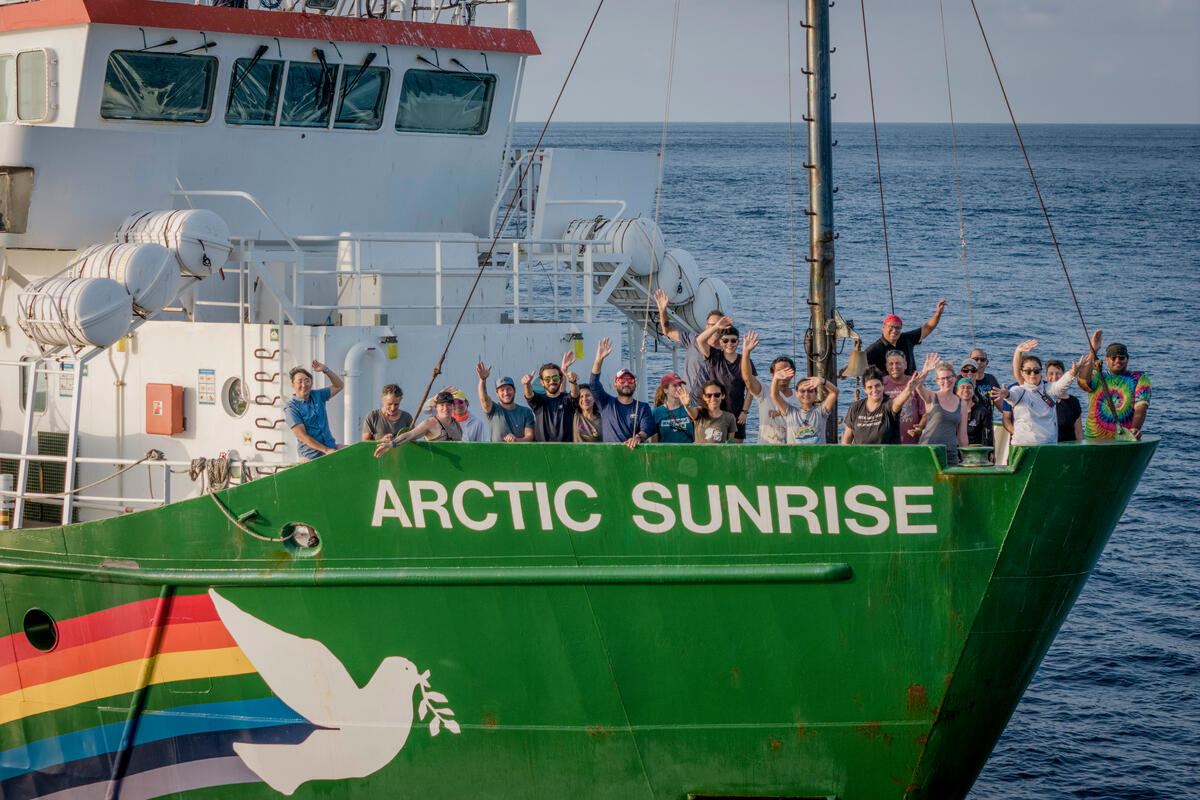
Ummah for Earth (U4E), a coalition that includes members such as Islamic Relief and the Islamic Foundation for Ecology and Environmental Sciences (IFEES), as well as Greenpeace Middle East North Africa and Greenpeace SouthEast Asia, aims to contribute to the climate movement amongst Muslims worldwide by building on Islamic values to address the vulnerability of Muslims and climate impacts. The project seeks to show how Muslim culture and values are an important guiding light for a more sustainable future while amplifying the voices of Muslim youth in the global conversation around climate.
5. Spiritual and religious values encourage environmental protection and respect towards nature
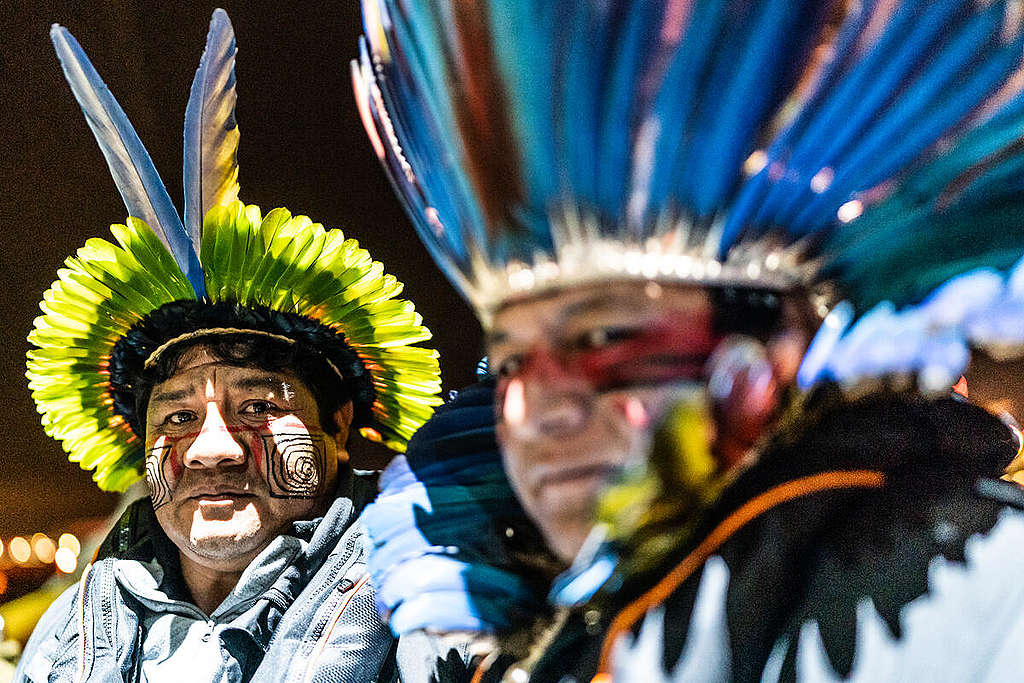
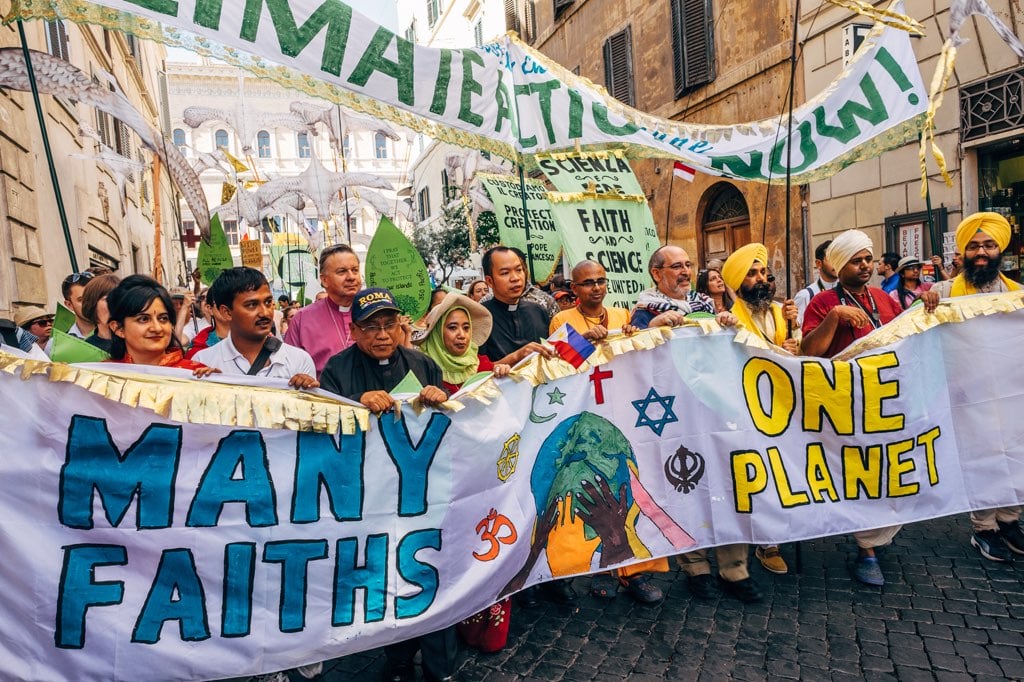
According to some estimates, our planet is home to more than 4,000 different religions and religious communities. Within this diversity there are a large number of shared values, enabling different faith communities to work together for social and environmental justice. Stewardship. Justice. Solidarity. Compassion. Balance. Peace. These are overarching values that can be identified in many religions.
Millions of people of faith believe that stewardship and upkeep of the Earth is one of the greatest offerings of worship they can give. It is part of how we practise our faith and express gratitude towards our presence on this Earth.
Different spiritualities have specific words that echo these common values. The concept of Tikkun Olam (which means “repairing the world”) in Judaism, the principle of Ahimsa in Hinduism, Indigenous words about the environment that don’t exist in English, and the concepts structuring Islamic environmentalism that emphasise stewardship of the Earth (Khalifa) and ethical treatment of the environment (Hurma).
People of faith understand that we all have a responsibility to maintain ecological balance and take wise decisions today to ensure a better future for generations to come. Together, we are a powerful force for a liveable planet.
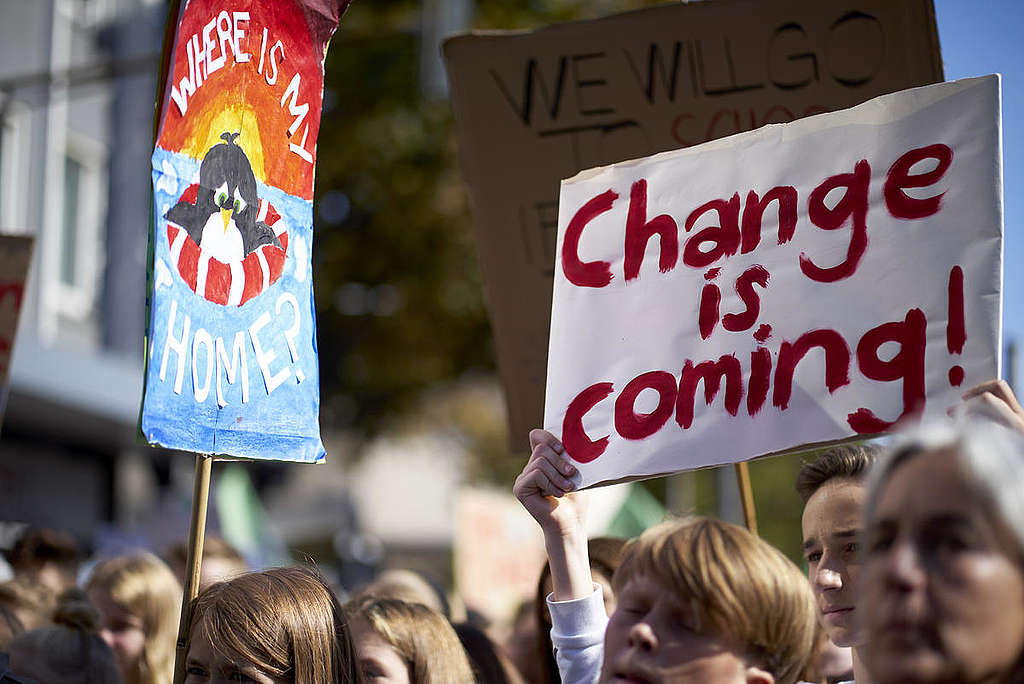
Challenge the idea that there is only one economic model that all countries must follow.
Learn more