
News & Stories
Filter posts
Filtered results
-
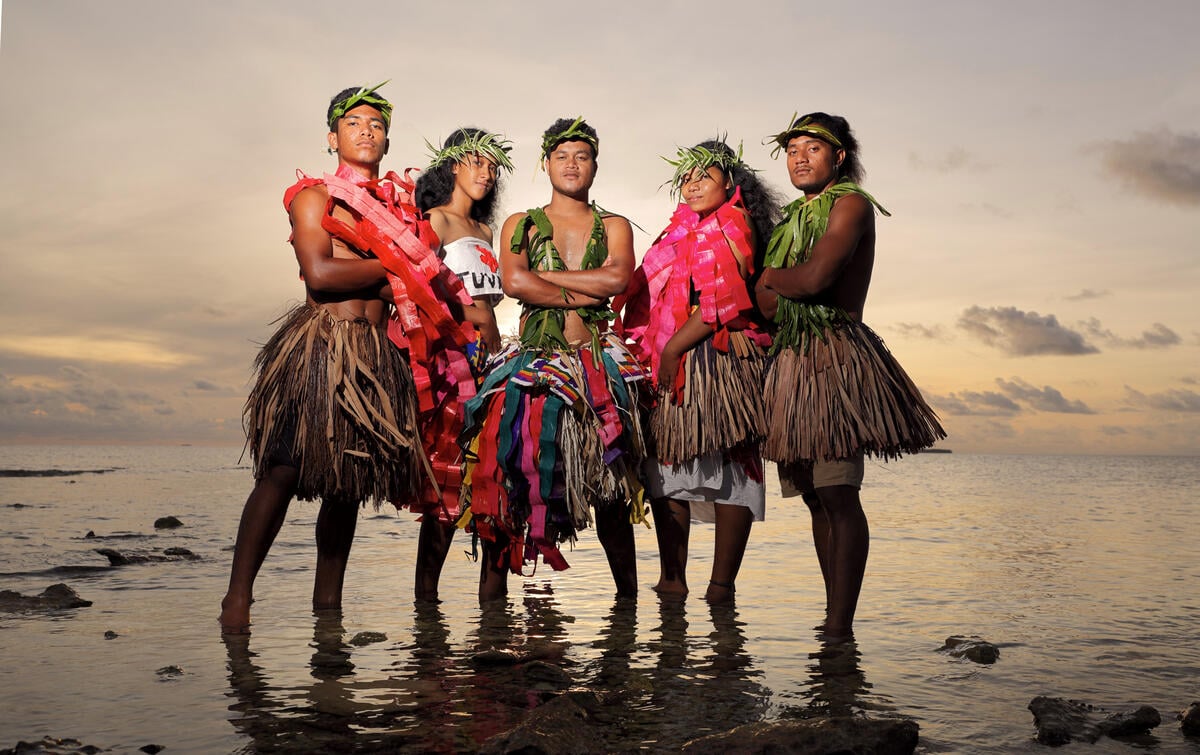
Indigenous resistance in pictures: communities defending their rights
What connects a fishing community in Thailand, Indigenous Peoples in the Amazon, women fish processors in Senegal and Sámi youth in northern Finland?
-
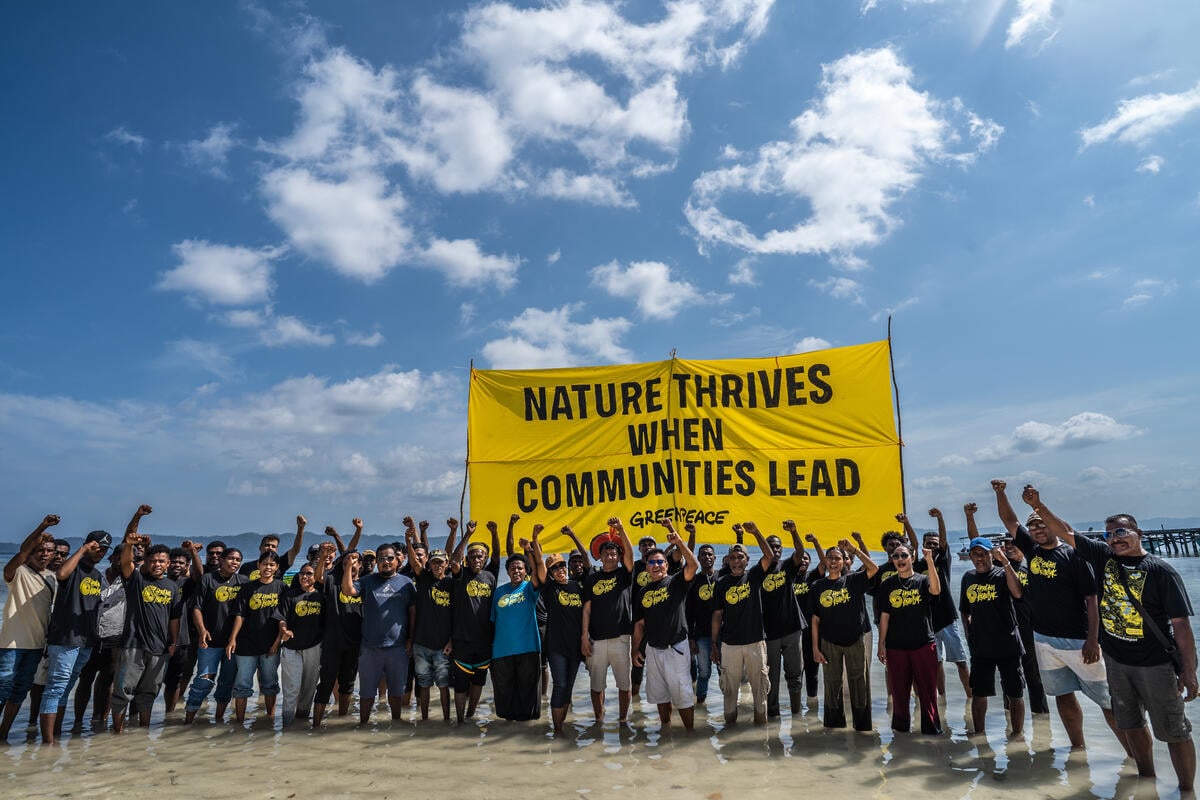
From Papua to the Amazon, Indigenous Peoples Unite to Defend Their Territories
“Indigenous and Traditional Territories must be recognised on their own terms, rather than communities being forced into conservation models that do not reflect their rights, governance systems, or choices."
-
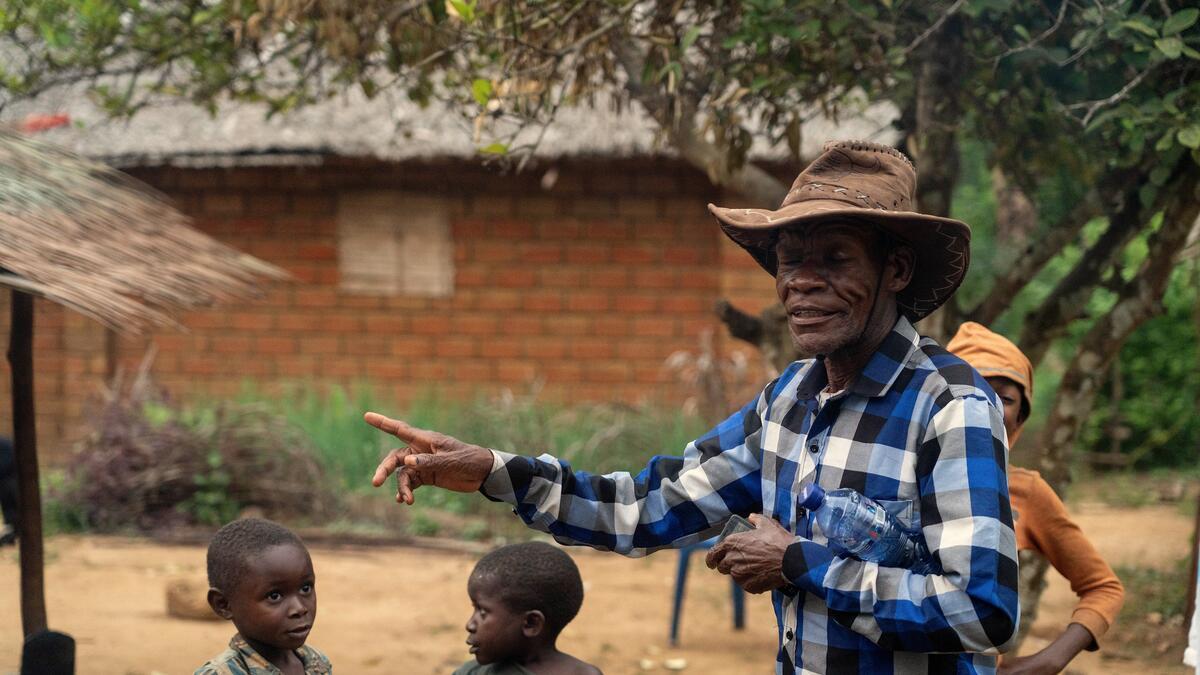
We are still standing: from Lokolama, our forest continues to speak
The forest of the Congo Basin did not wait for international conferences to be protected. It has been safeguarded for generations by the people who live within it. Indigenous Peoples are not the past. They are an essential part of the forest’s future.
-
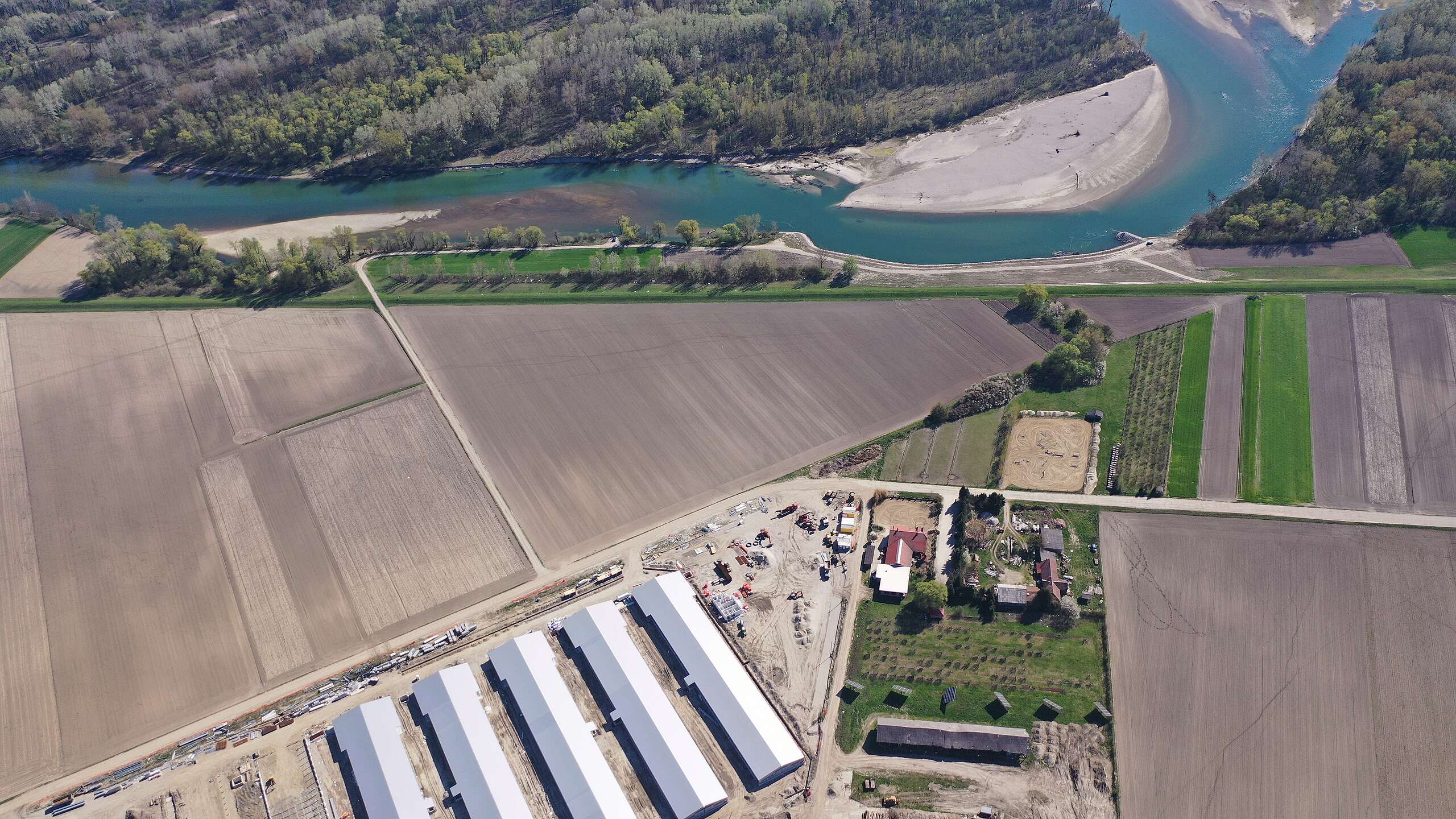
Saving the ‘Amazon of Europe’ from Big Ag’s next megafarm
Europe’s biggest poultry player, MHP Group, led by billionaire ‘Chicken King’ Yuriy Kosiuk wants to turn this paradise region, right where the rivers Drava and Mura meet into an industrial zone to house 1.8 million chickens annually. Not here, not anywhere.
-
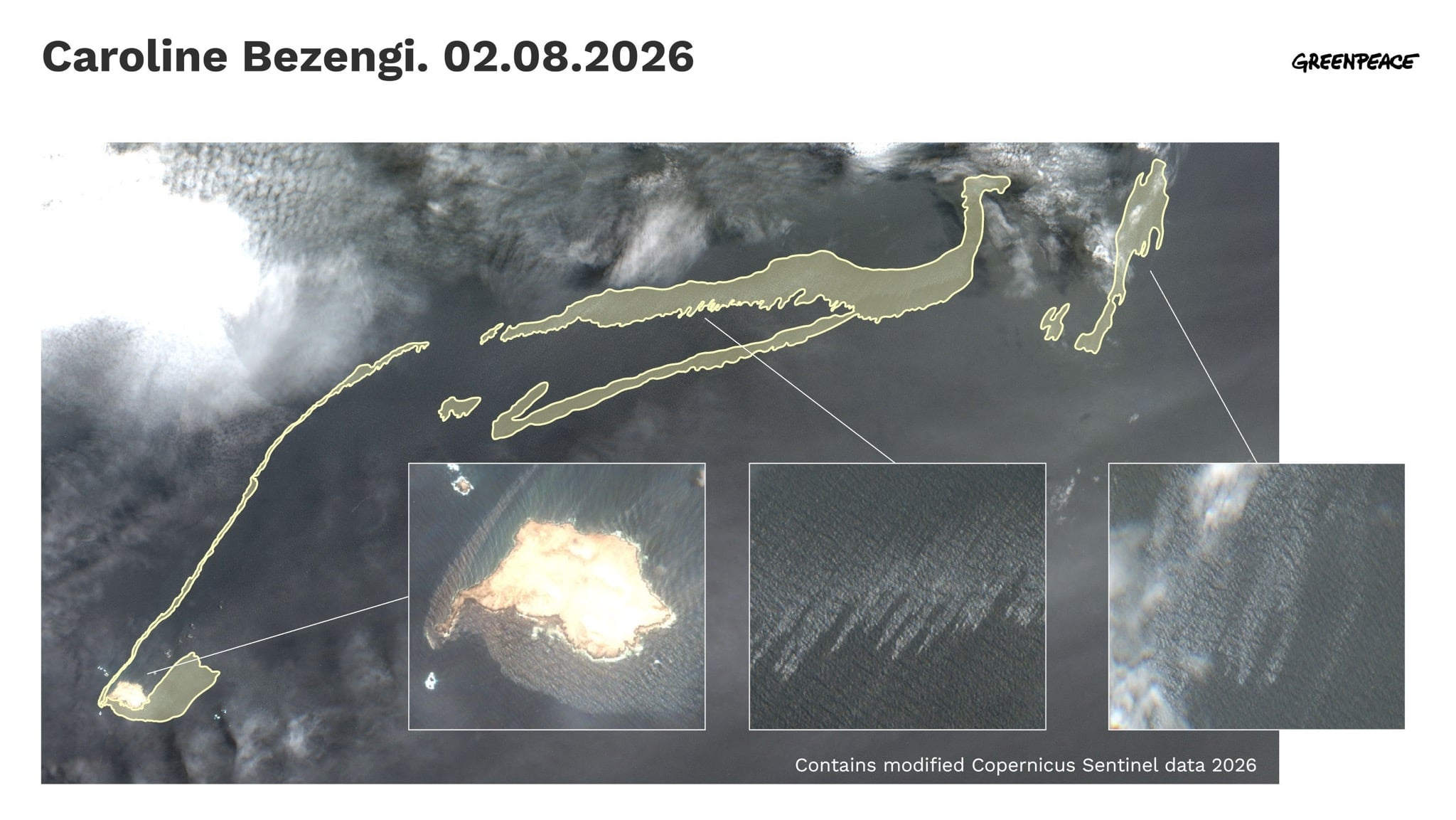
Oil disaster unfolds in protected marine area as Russian shadow fleet tanker leak accelerates off Oman
New satellite imagery indicates that oil leakage from Russian shadow fleet tanker Caroline Bezengi, grounded in Oman’s Al Hallaniyat archipelago, has accelerated.
-
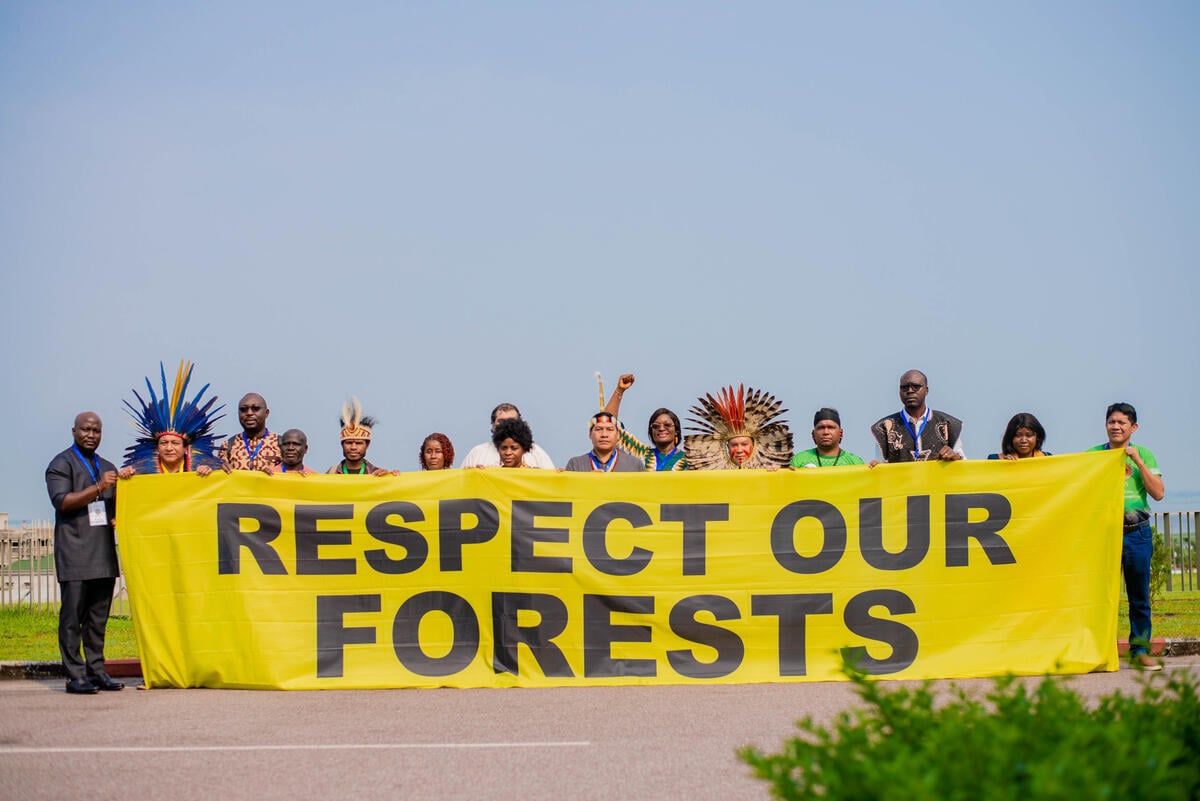
Wildfires and climate change: Why the smell of smoke is a global health warning
From health risks to climate action, wildfire smoke is a global warning. Discover how Indigenous stewardship and policy changes can protect our forests.
-
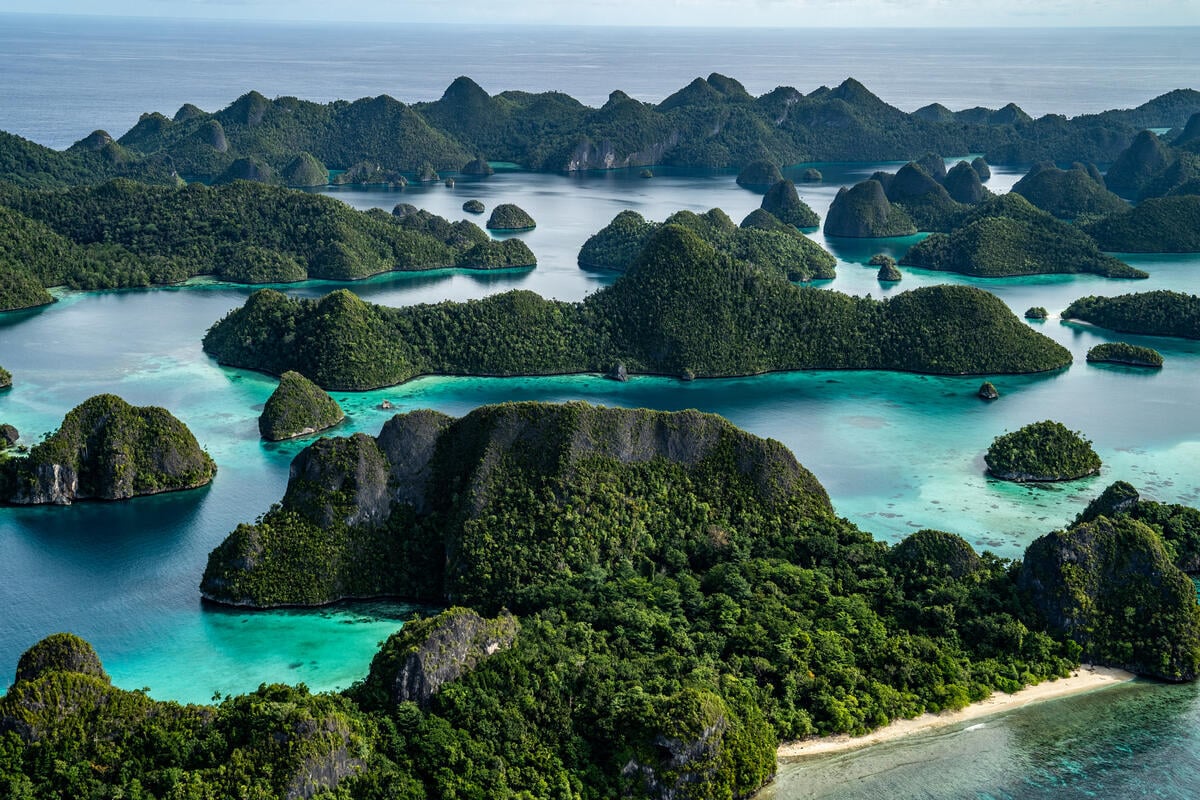
5 things you need to know about ‘The Last Paradise on Earth’ before it’s too late
For years, Raja Ampat has been celebrated as a rare conservation success story. Today, however, this globally important ecosystem is facing growing pressure from extractive industries.
-
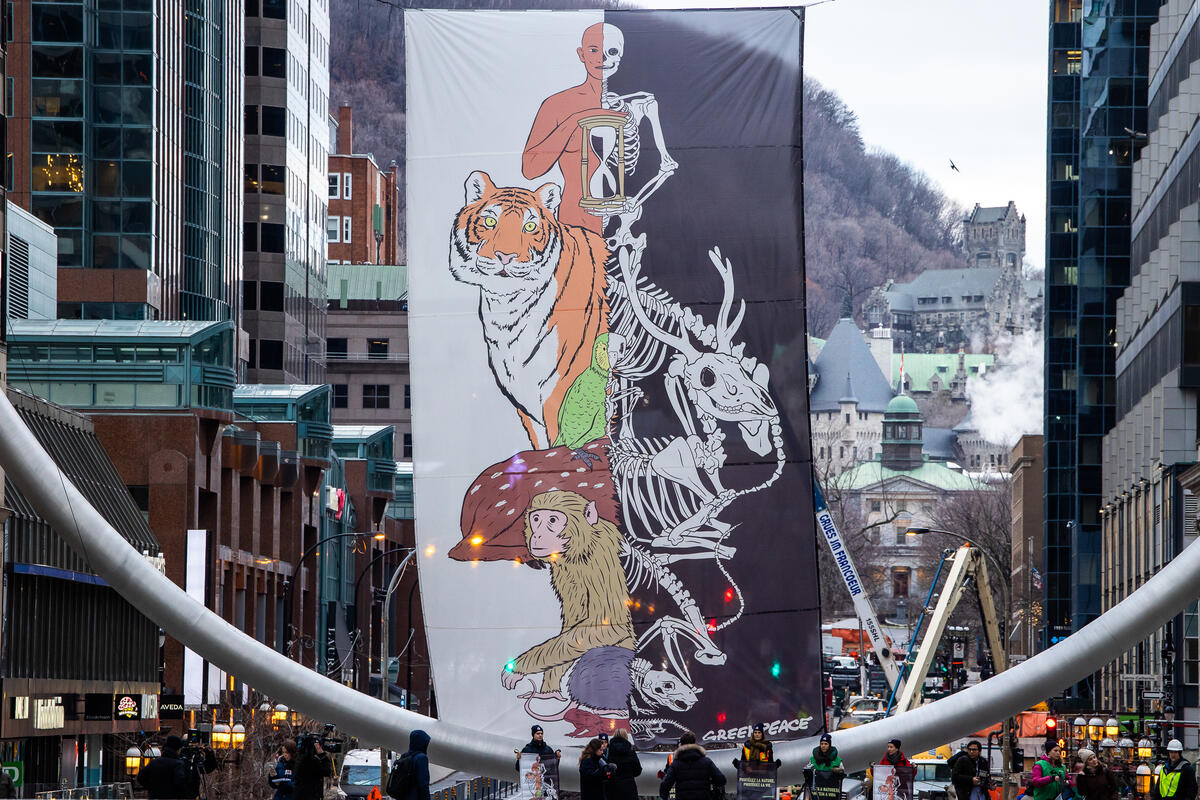
What is the UN Convention on Biological Diversity’s COP17 and why it matters
The Convention on Biological Diversity, or CBD is held every two years to discuss, negotiate and decide on measures to promote the protection of Earth’s biodiversity.
-
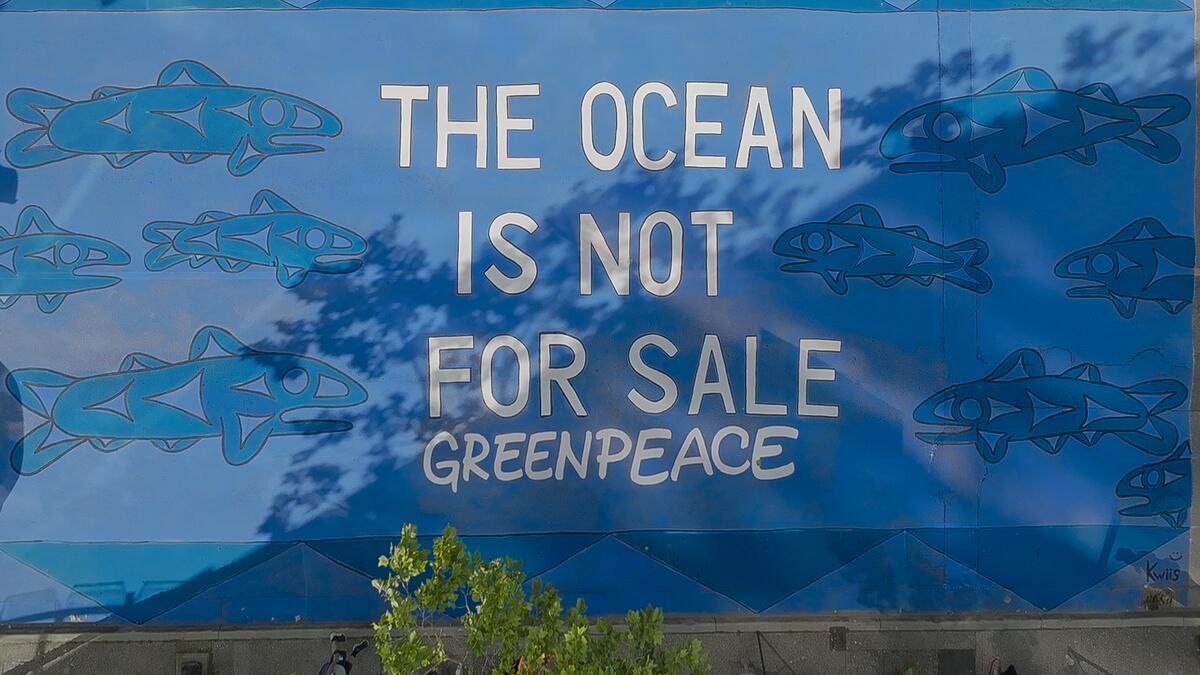
ISA hands contract extension to TMC despite support for unlawful deep sea mining, proving need for immediate moratorium, says Greenpeace
Greenpeace International strongly condemns the International Seabed Authority (ISA) Council’s decision to extend The Metals Company subsidiary Nauru Ocean Resources Inc’s (NORI) exploration contract, despite its support for the pursuit of unlawful deep sea mining via US unilateralism
-
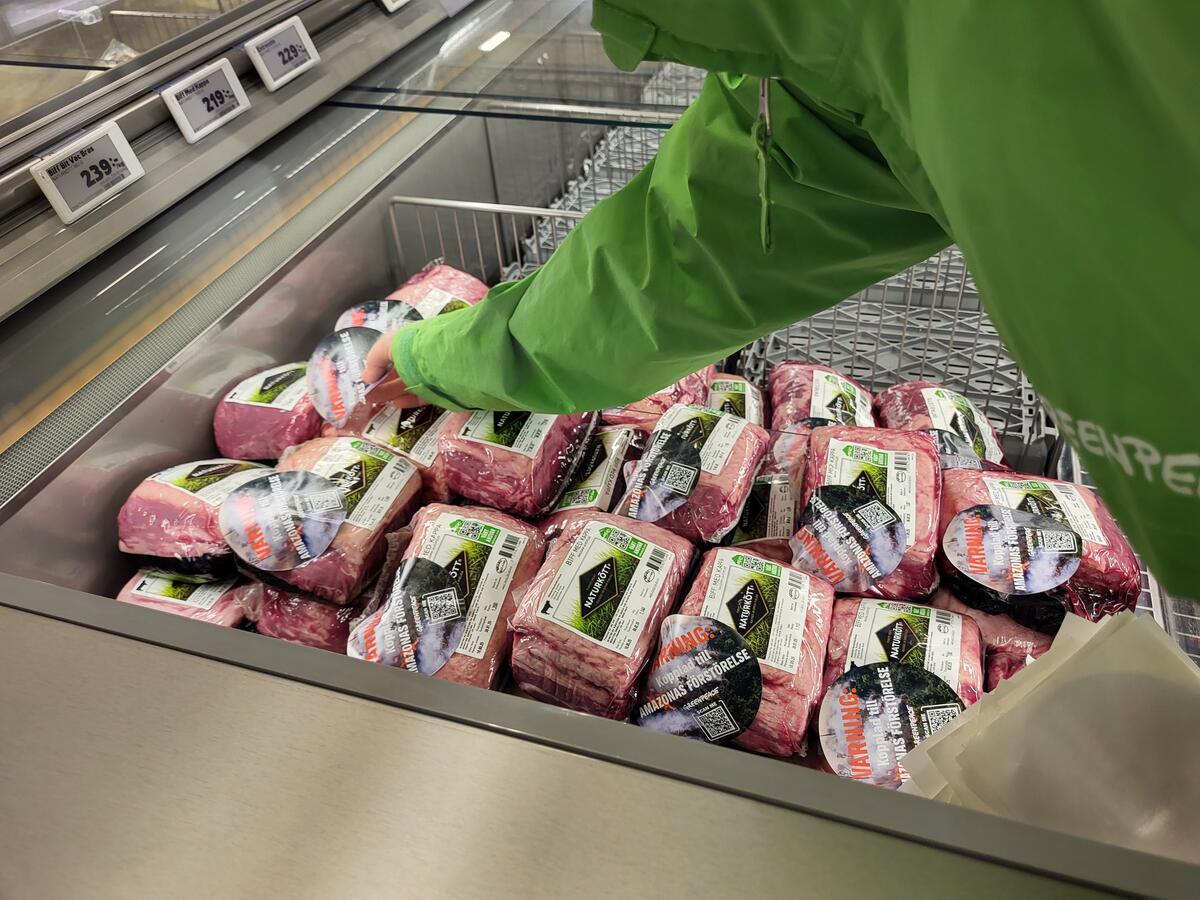
We’re taking JBS, the world’s largest meat company, to court over its Nigeria expansion
JBS, a global meat empire controlled by two billionaire brothers, wants to stay in the shadows while they export their destructive business model to Nigeria. That’s why we’re taking them to court to reveal the truth.