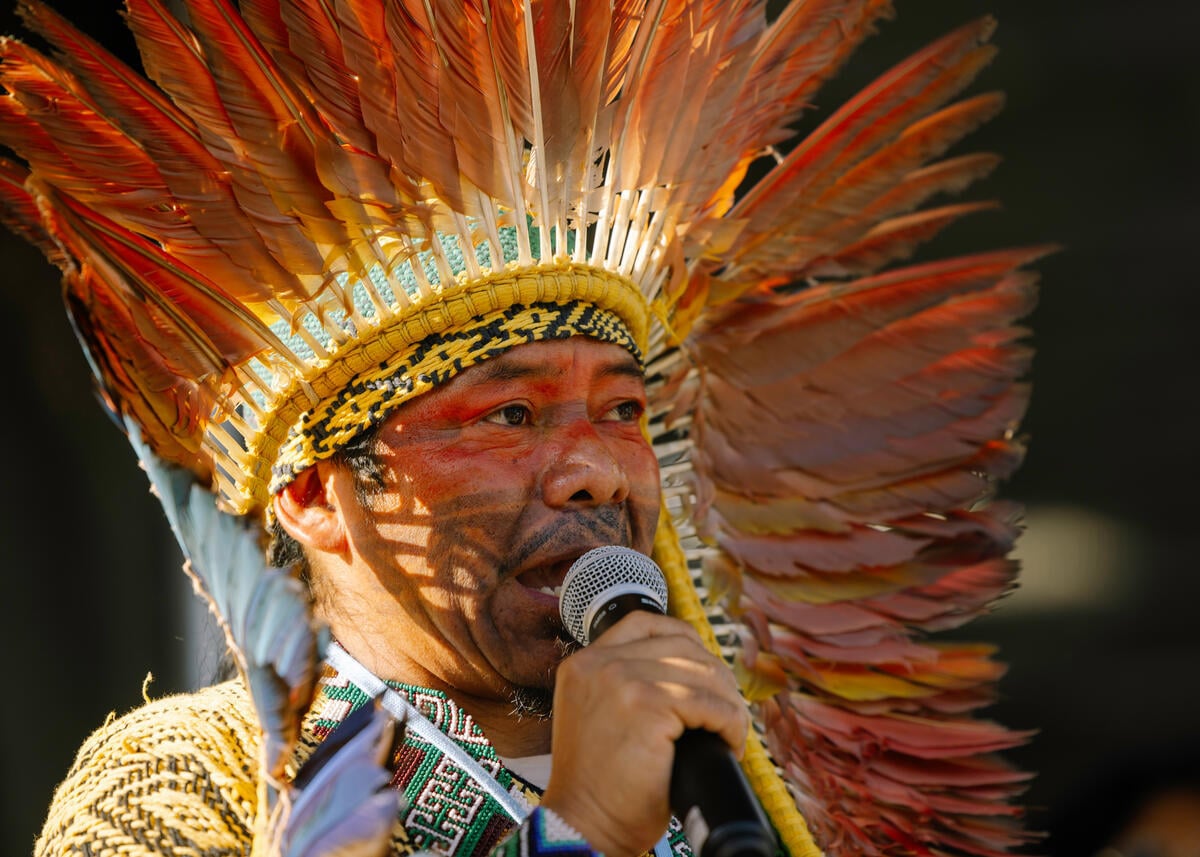
My people are native to the lands that make up present day Mexico. They are some of the last in North America to maintain their pre-Columbian cultural traditions. But with every year that passes, my people lose more and more of themselves and the culture they have protected for millennia, as well as the lands they have stewarded.
Our legacies on our lands are being swept away as the Mexican government builds new highways and other forms of development on them. This is not a unique story, but a tragically common experience with Indigenous Peoples in every corner of the earth.
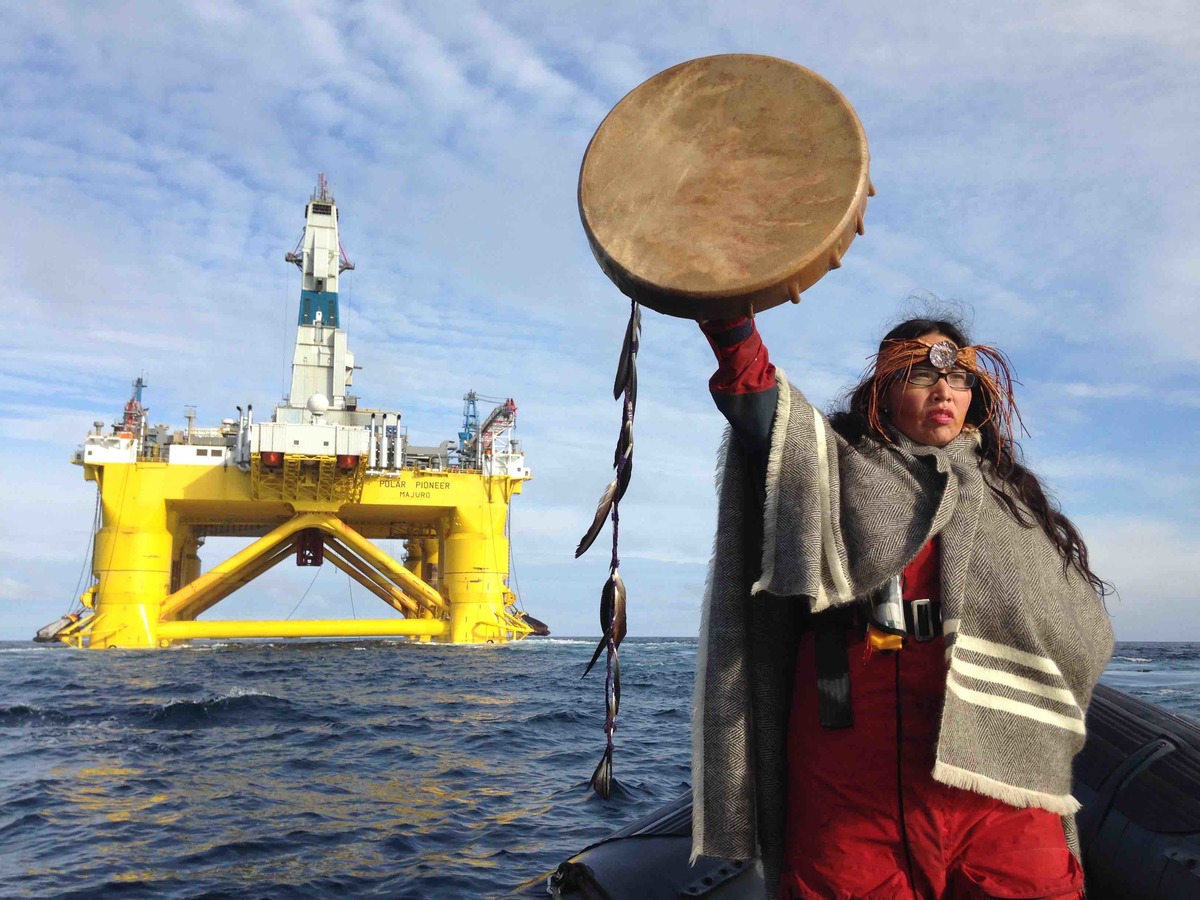
Nature is found at the intersection of most Indigenous Peoples’ identity, religion, culture, and community. We are therefore compelled to protect it. We hold many elements of the natural world as sacred; plants, animals, water, land, rain, wind, the seas. Indigenous roots have always and will always run deep in the lands that colonialism has stolen.
All around the world, from the United States to Finland, Brazil to Morocco, Indigenous People have been rising and resisting for centuries to protect their culture, which includes their lands. The land is our culture and a vital piece of our legacy.
And today, Indigenous People are on the frontlines of the climate crisis, protecting some of the most endangered lands, as well as the water, animals, and people to which they provide a home.
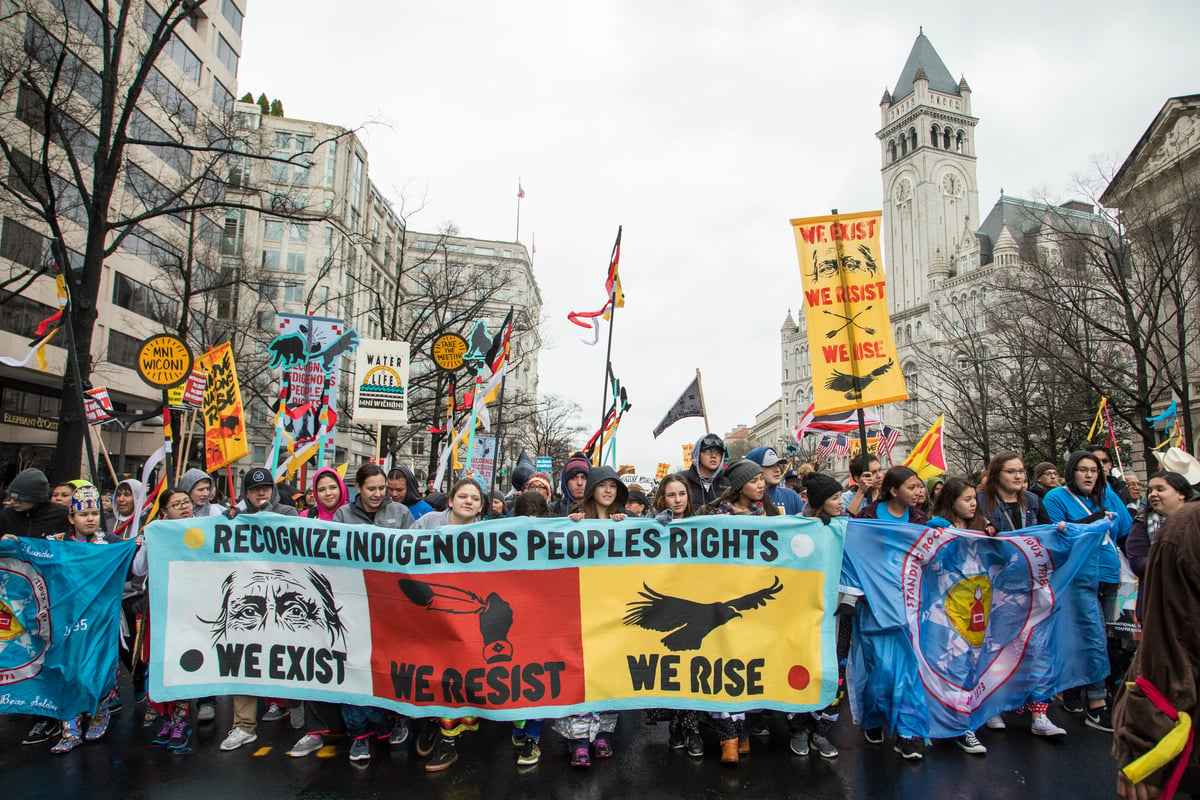
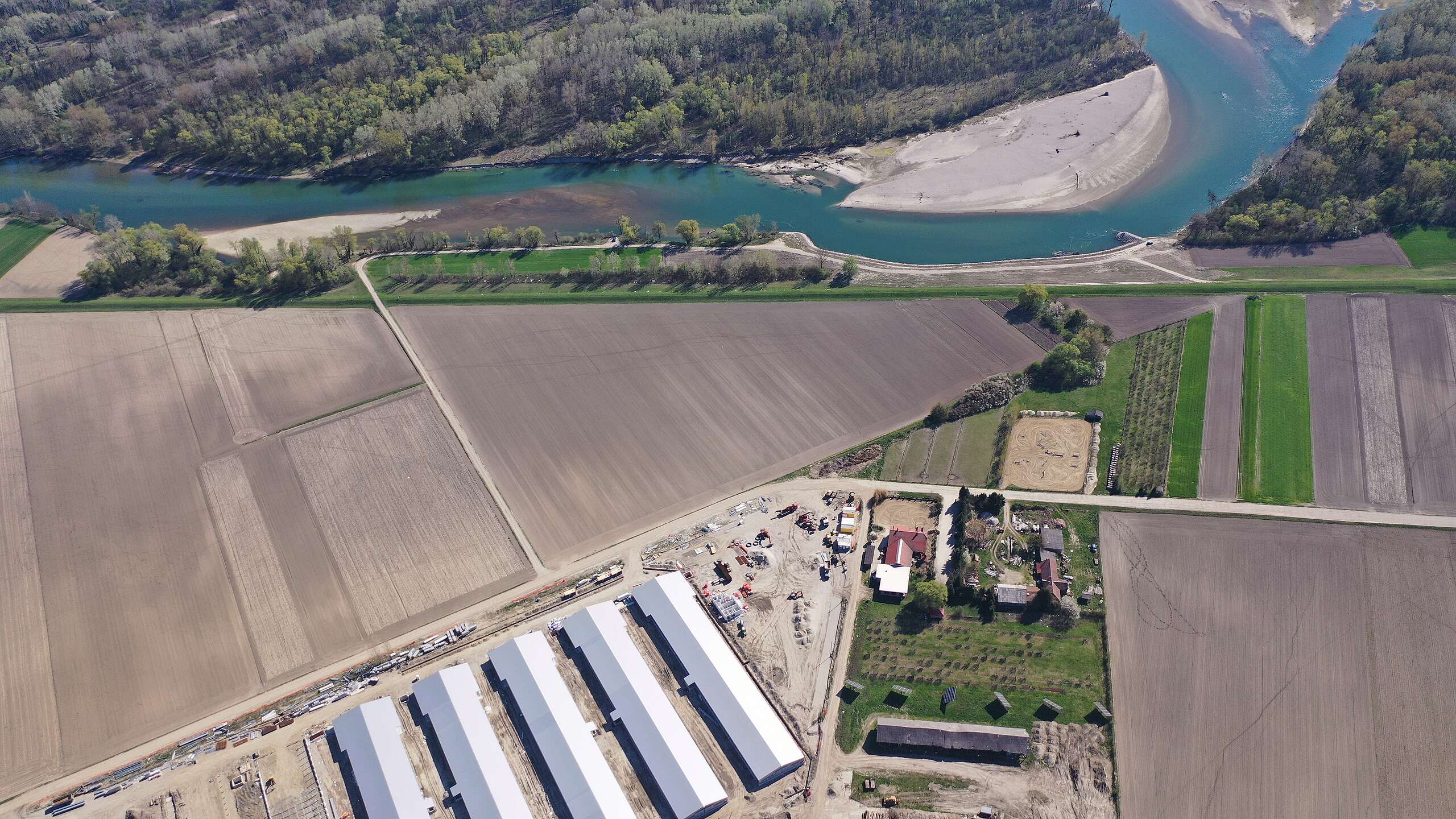
At Greenpeace, we know that climate justice means Indigenous sovereignty. Traditional Indigenous territories encompass approximately 22% of the world’s land surface, yet they hold 80% of the world’s terrestrial biodiversity. This biodiversity is under threat from mining, fossil fuel extraction, agriculture, deforestation, and climate change.
Maintaining the covenant between humans and the natural world is essential to our survival, and it begins with protecting and affirming the collective and individual rights of Indigenous Peoples.
This protection of fundamental rights of Indigenous Peoples and other communities is essential to achieve solutions to the climate breakdown and other massive environmental problems. Greenpeace International and other allies are organizing the first-ever global summit on human rights and climate change in September, stressing that the current climate crisis must be addressed in a way that respects, protects and fulfils human rights, including Indigenous rights.
Greenpeace stands in solidarity with our Indigenous allies in this movement.
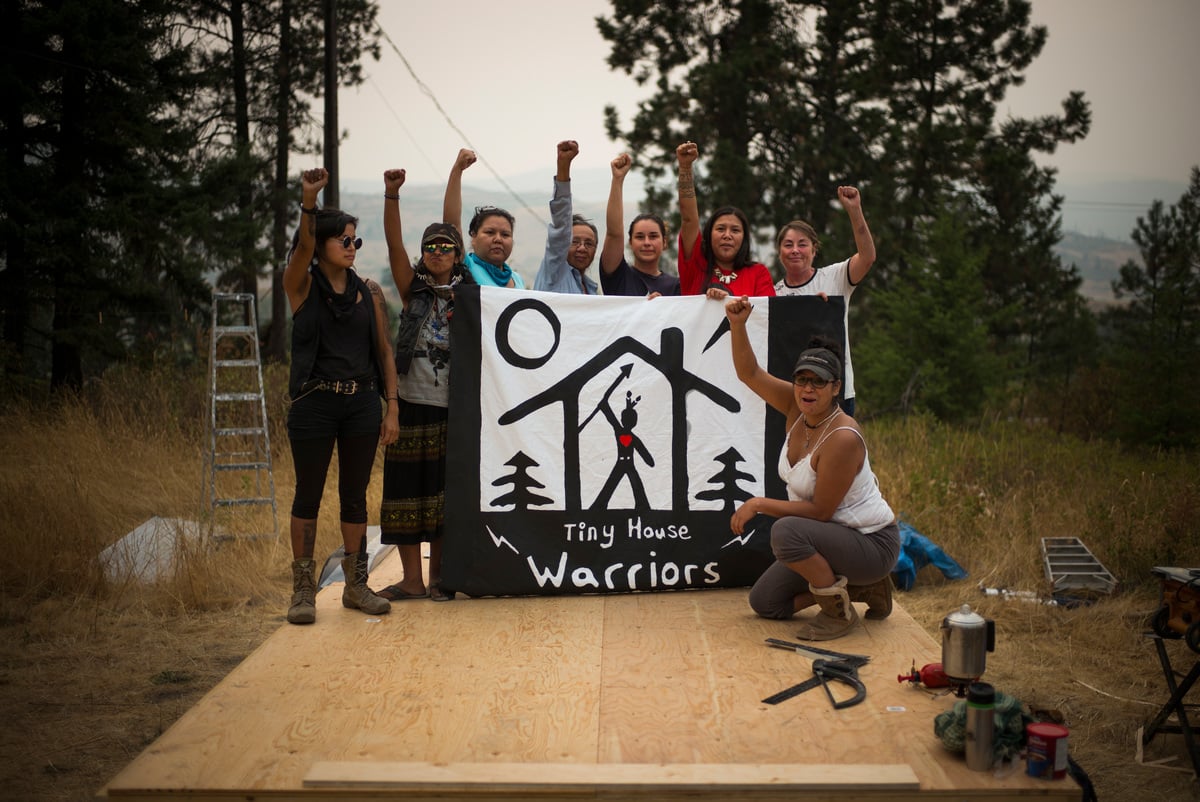
- Indigenous Environmental Network in the United States, an alliance working to protect the sacredness of our Earth Mother from contamination and exploitation by strengthening, maintaining and respecting Indigenous teachings and natural laws.
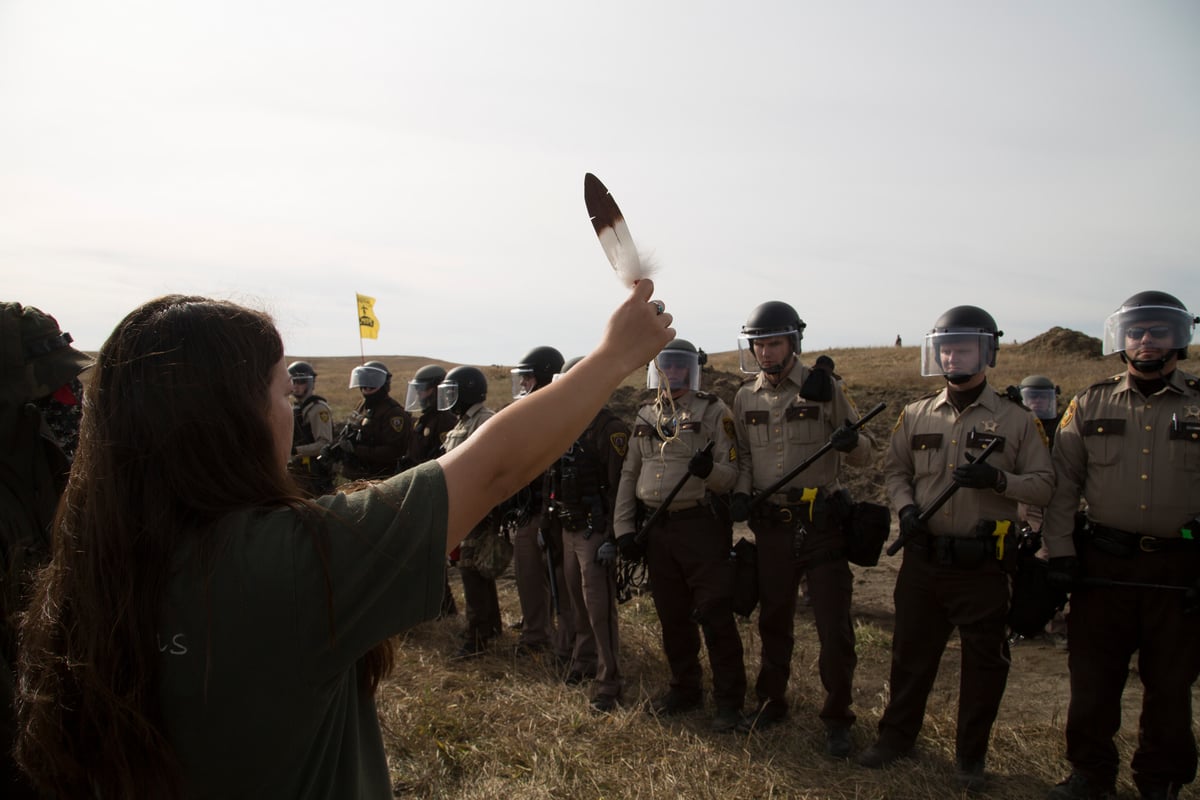
- Indigenous Peoples Power Project in the United States, who work to offer non-violent direct action training, action support, and network building for Native activists that is customized to fit the traditions of Indigenous communities.
- Honor the Earth in the United States, whose mission is to create awareness and support for Native environmental issues and to develop needed financial and political resources for the survival of sustainable Native communities by using music, the arts, the media, and Indigenous wisdom.
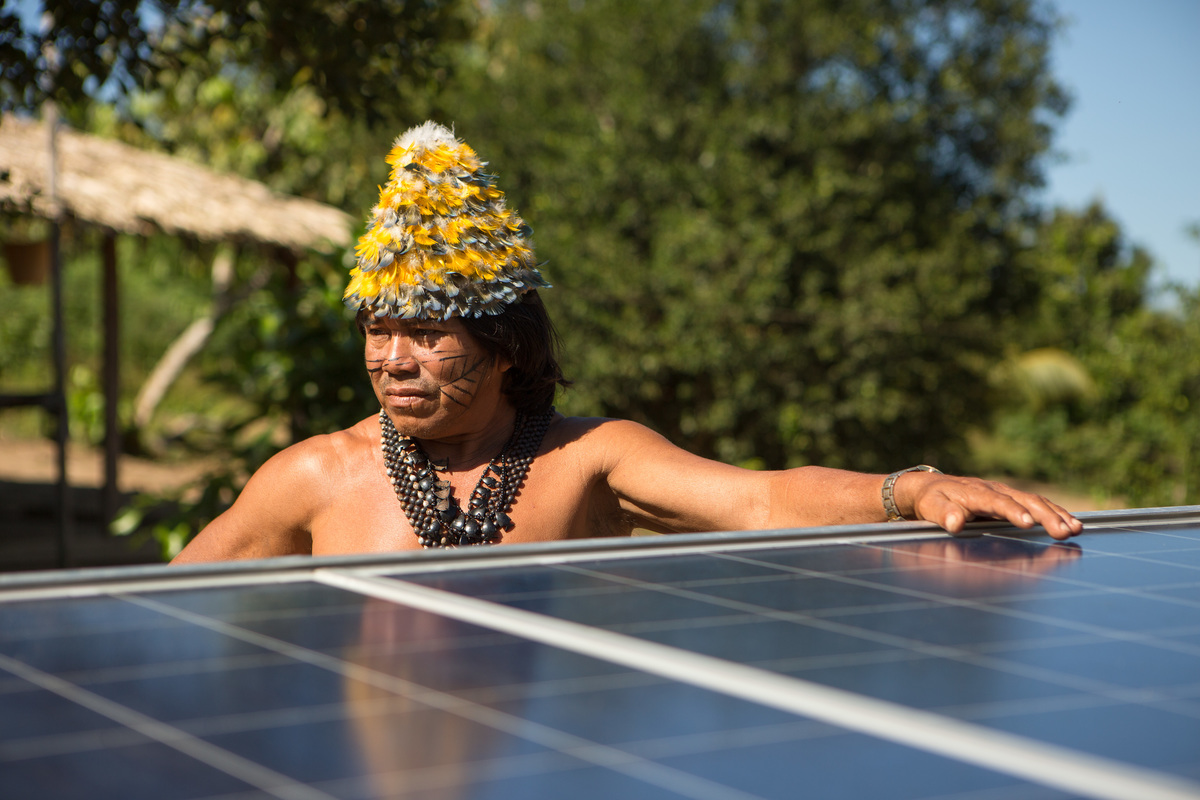
- Articulação dos Povos Indígenas in Brazil, a national movement to unite, strengthen , and mobilize Indigenous Peoples against threats and attacks on Indigenous rights.
- Mídia Índia in Brazil, a communication network of young Indigenous activists strengthening the voices and changing the narrative of Indigenous Peoples on social networks.
- Confederación Mapuche de Neuquén in Argentina, who are working to strengthen the exercise of Indigenous human rights by the indigenous communities of the Mapuche people.
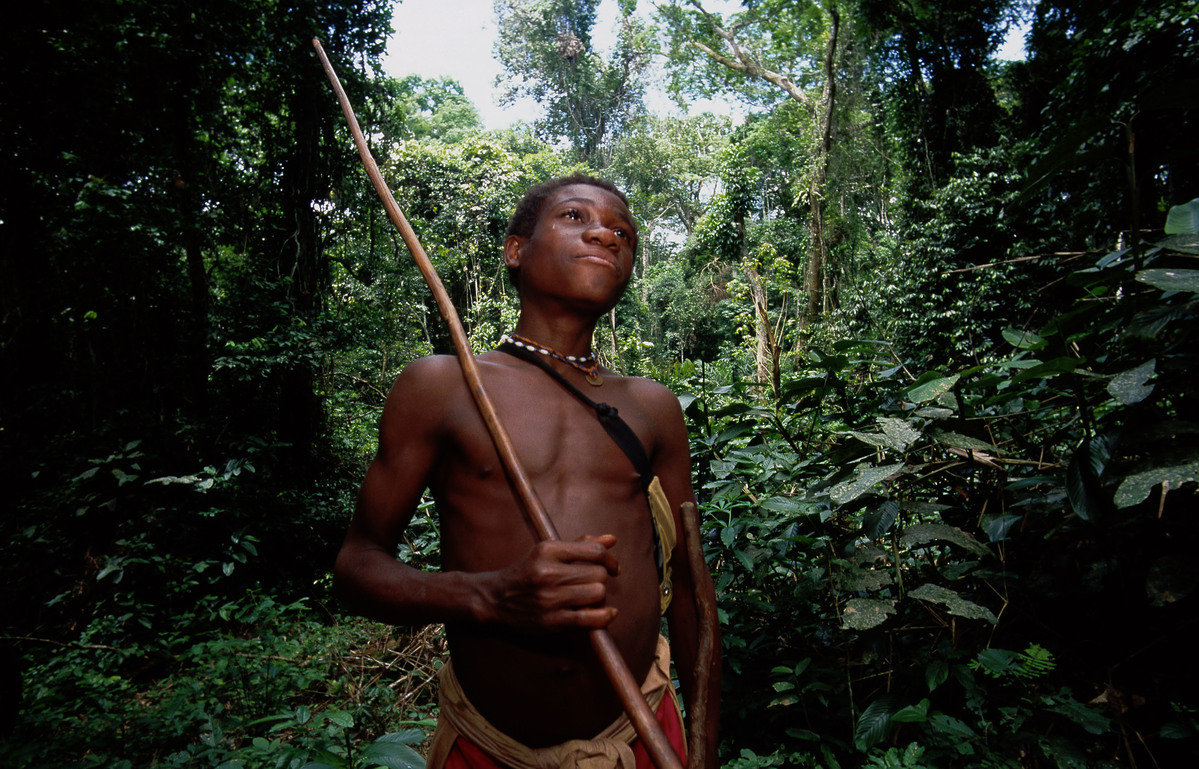
- The Baka people in south Cameroon, who are standing up against the displacement and massive deforestation caused by rubber company Sudcam (Halycon Agri).
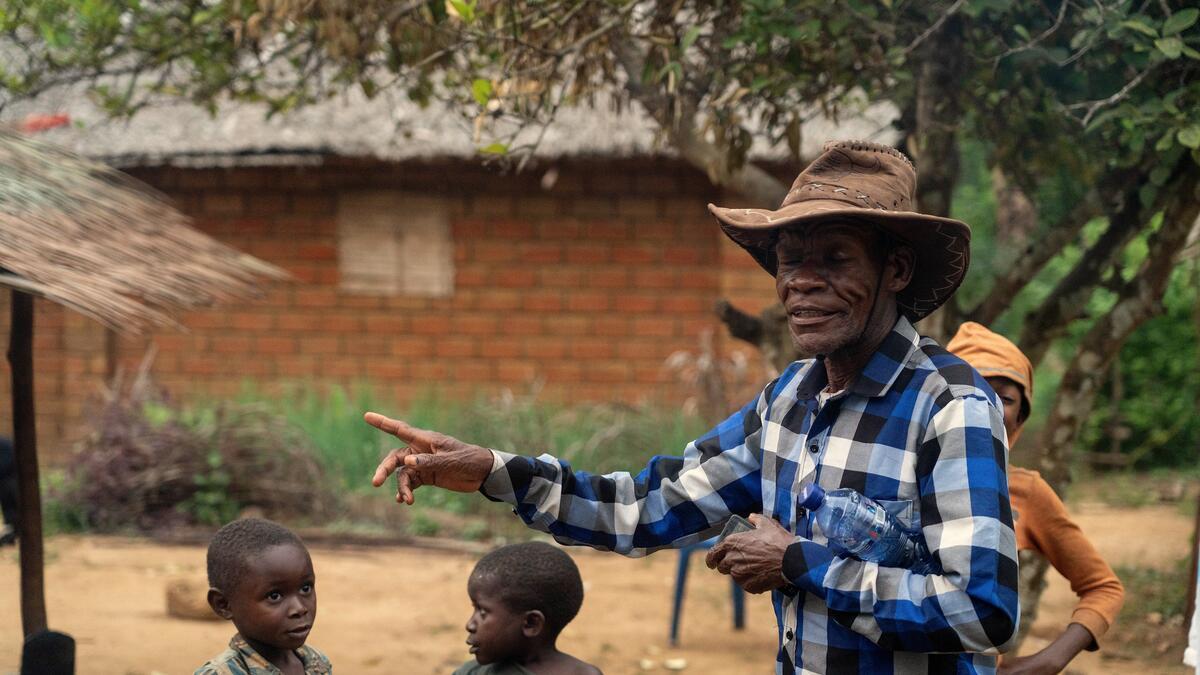
- The Indigenous Peoples from Lokolama Village in The Democratic Republic of the Congo, who work with Greenpeace Africa to secure concessions for community forest management – in lieu of destructive industrial logging activities.
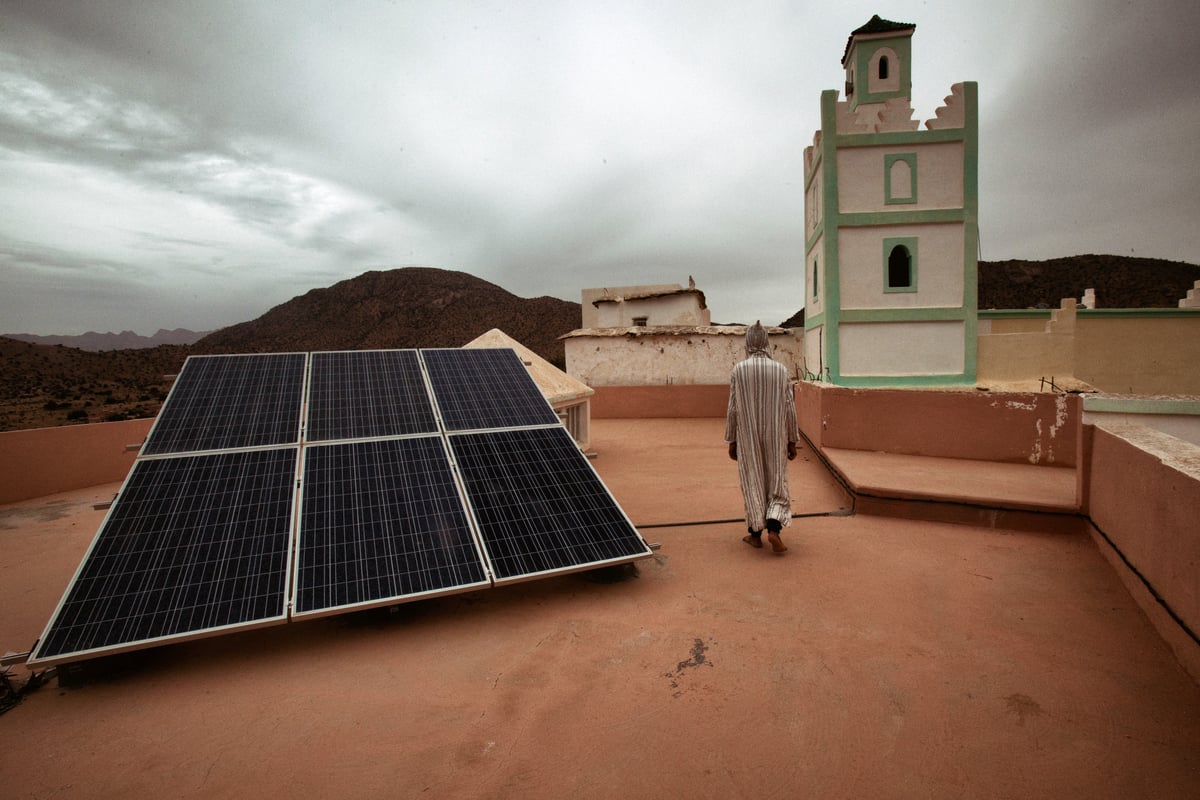
- A tiny remote village of Irig N’Tahala, in Morocco’s southern Tiznit province, has long suffered from power cuts and poor living conditions. But a decentralised intelligent solar energy network now provides Tahala residents with clean and free energy. Since 2016, the impact on life in Tahala has been huge – powering the mosque, school and other local amenities.
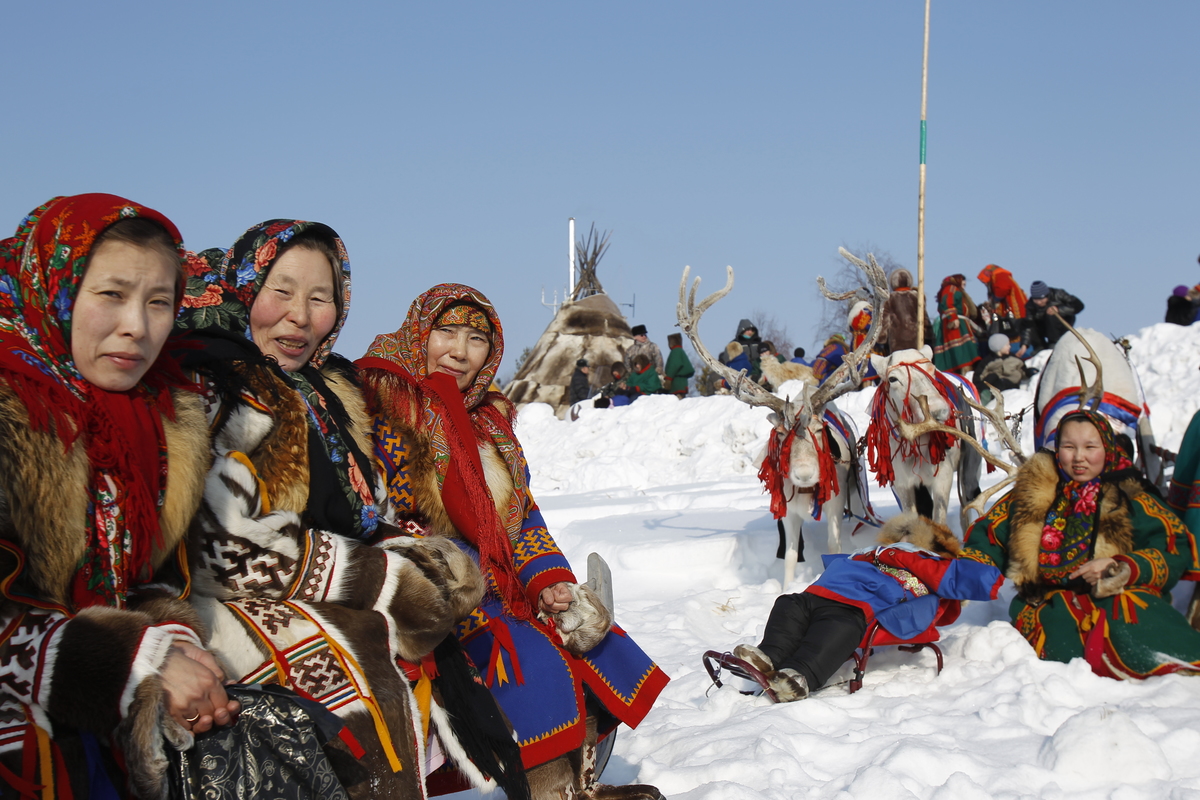
- Center for Support of Indigenous Peoples of the North in Russia, an NGO providing training and development in practical activities, capacity building, institution strengthening, traditional knowledge, and cultural heritage for Indigenous Peoples.
- Pechora Rescue Committee in Russia, working to protect the Pechora River Basin in the Komi Republic.
- International Indigenous Fund for Development and Solidarity “Batani” in Russia, which promotes cooperation and solidarity among Indigenous Peoples.
- Arctic Consult in Russia, a consulting company that provides advising to communities of Indigenous Peoples of the Russian North, Siberia and the Far East on land rights, resources, and self-determination.
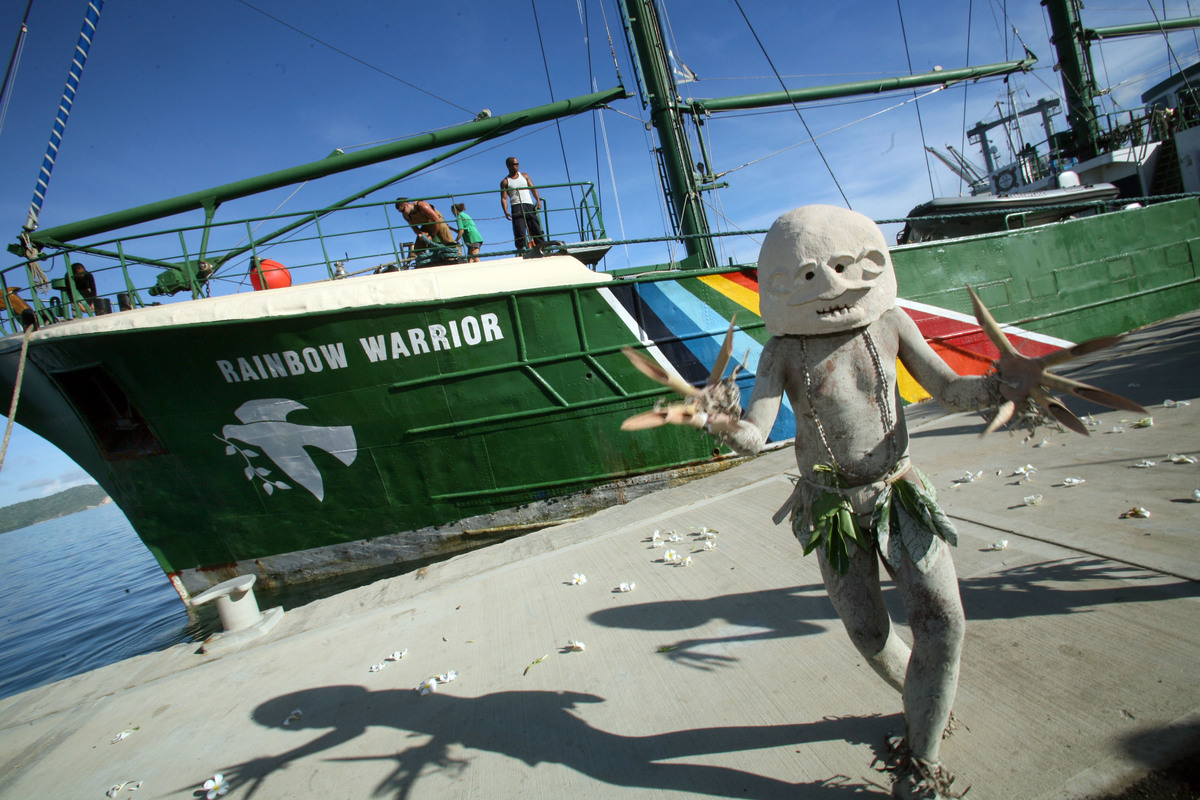
- Aman Papua in Indonesia, who are working at the local, national, and international levels to advocate for Indonesia’s 2,373 Indigenous communities and their 17 million people.
- Bentara Papua in Indonesia, who are building just, sustainable, and empowered Indigenous communities.
Let us join in celebrating the brave activists and defenders who are standing on the frontlines of environmental protection. Their struggles are local, but on this International Day of the World’s Indigenous People we carry the same global message: Environmental justice and social justice are one.
The future is Indigenous.
Kaitlin Grable is a Digital Campaigner with Greenpeace USA. She is an Indigenous woman working to amplify the voices of the marginalized and underrepresented in the environmental movement.