I often think about a hypothetical first interaction with an alien civilisation. If they asked about our home planet, I would have a tough time relaying the essence, the beauty and the diversity of this planet to them. It would be no easy task.

The truth is, the uniqueness of Mother Earth is way beyond our current understanding.  There are so many other aspects of our planet that we are still trying to study, explore and befriend. Phenomenal is too small a word to describe the coexistence of biodiversity, its surrounding ecosystems, and us humans on this planet.

NASA scientists are trying hard to find a “new” Earth, in the hope of exploring the possibilities of another habitable planet. But what if we directed those resources into protecting and saving the planet we currently live on? For a long while now, ambitions and greed have made us cross the line by exploiting, overusing and polluting what Mother Earth has to offer. We have collectively been breaking the code, which would raise a red flag in any intra-planetary summit! 

We still have a chance to make a collective change, starting with our outlook towards our surroundings. The existence of our planet is a miracle, and we should preserve this for future generations.

Still not convinced? Check out these images of our beautiful Earth in all its amazing diversity and tell me that I’m wrong.
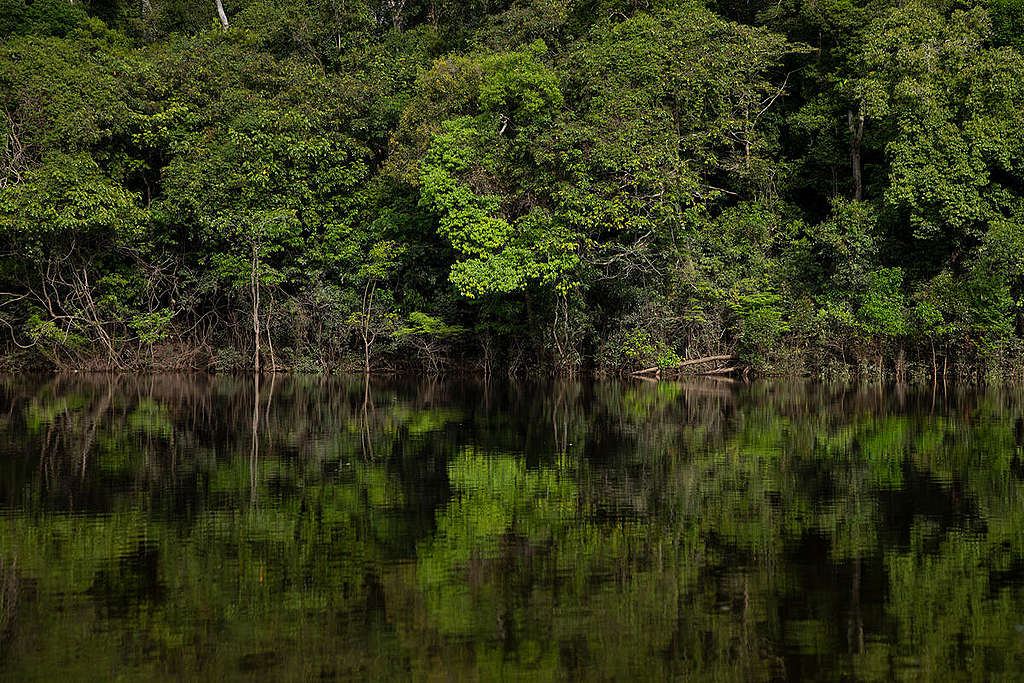
The river expedition “Amazon We Need”, held in June 2022, is a way to discuss new economic development models for the region, based on forest potential, the knowledge of traditional and Indigenous populations, and promoting scientific research. The expedition aims to support river communities of the Manicoré River, in the southern Amazonas state, who fight for their land rights to be acknowledged and their forest protected. Another objective is to support researchers of INPA (Amazon Research National Institute) in their studies on Amazon biodiversity.
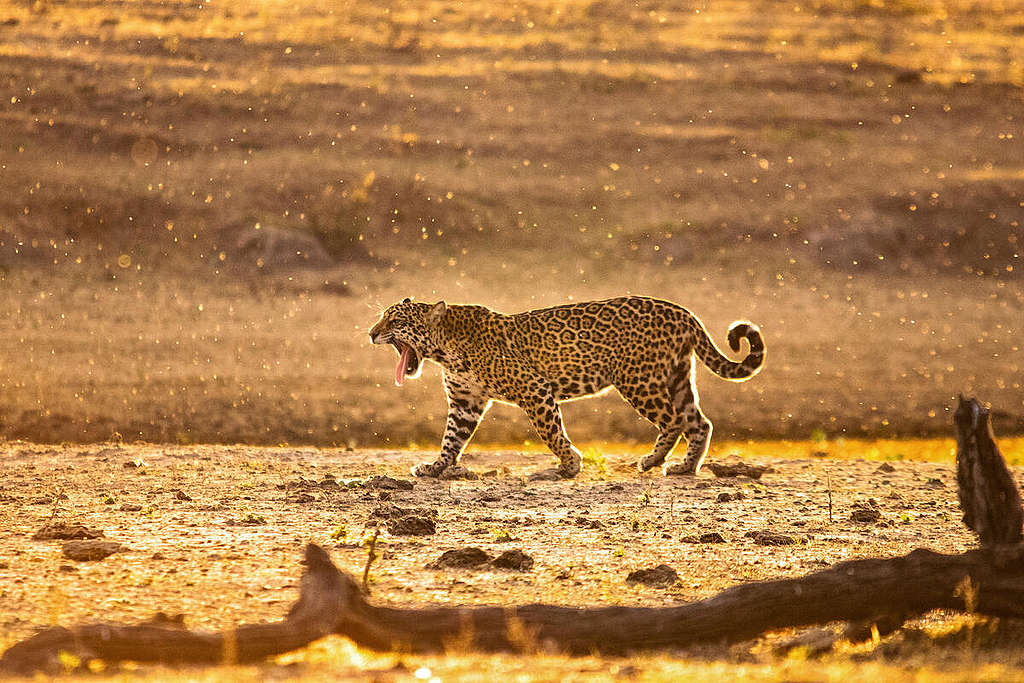
The cattle industry is rapidly destroying the home of the last 20 Jaguars of the Gran Chaco. Its uncontrolled expansion is generating a historical crime in a unique place: the Gran Chaco, the second largest forest ecosystem in South America after the Amazon, where more than 4 million people, 3,400 plant species, 500 bird species, 150 mammals, 120 reptiles, 100 amphibians and the Jaguar (Panthera Onca) which is the largest feline in America and the third largest in the world. Despite the fact that the Jaguar was declared a National Monument, its territory is not protected and this seriously endangers its subsistence. For this reason, Greenpeace presented on July 19 (2019) a judicial injunction before the Supreme Court of Justice of the Nation on behalf of and on behalf of the Jaguar that lives in the Gran Chaco, to guarantee "Zero Deforestation" in their territories.
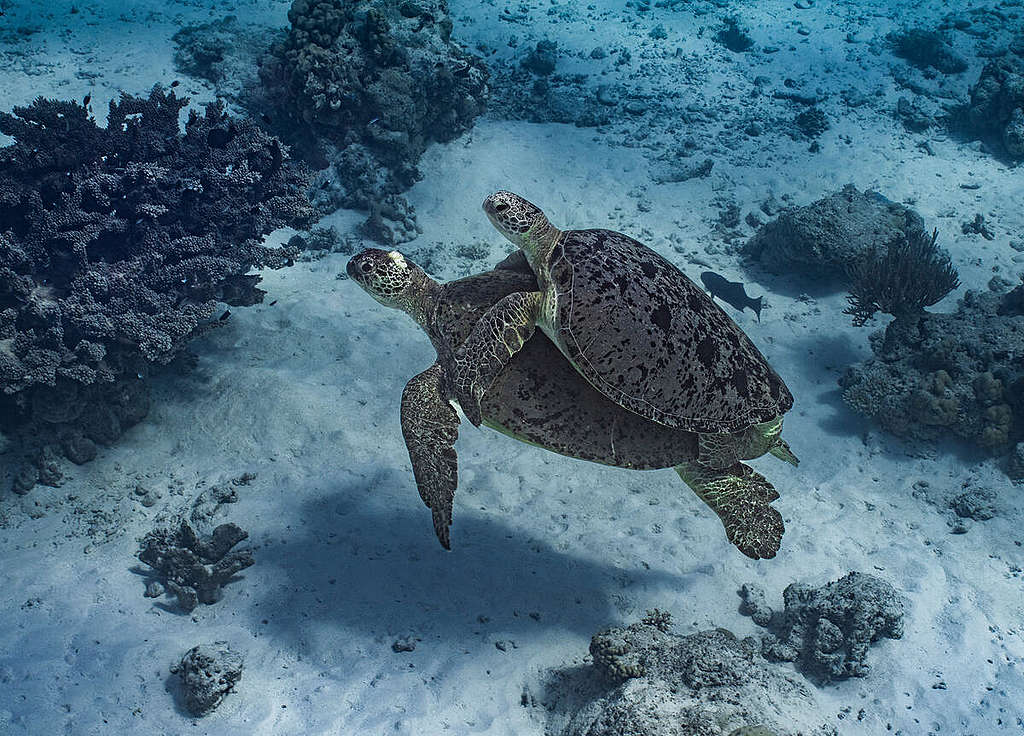
Mating Green Turtles.
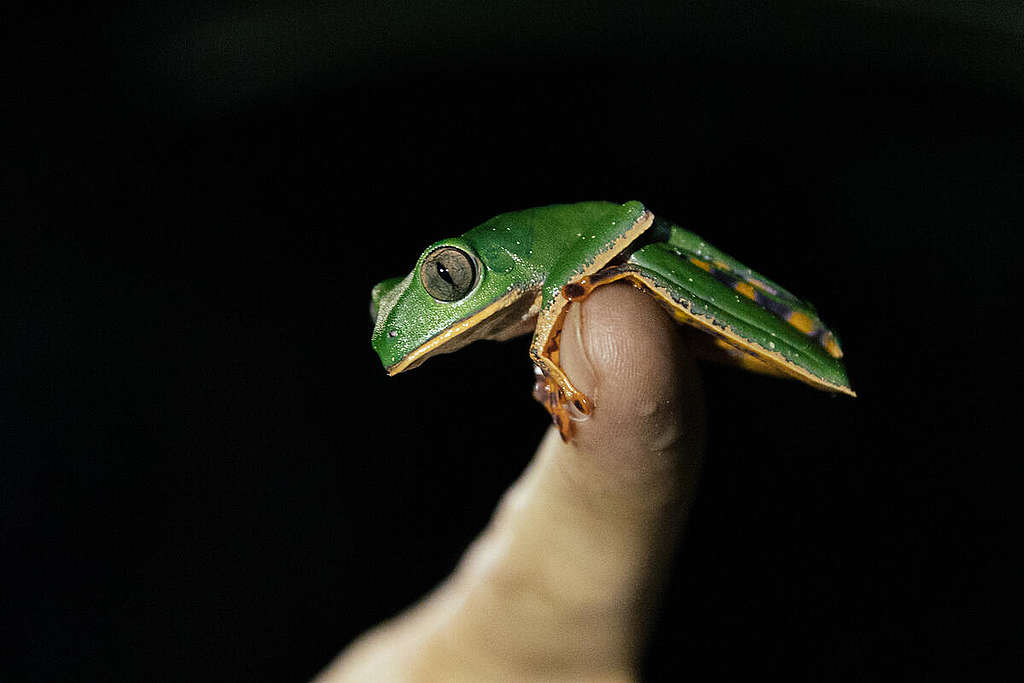
Researchers from the National Institute for Research in the Amazon (INPA) were invited by Greenpeace Brazil to carry out a rapid inventory of biodiversity in the Manicoré River. The group of Herpetofauna researchers collected samples of reptiles using trap and drop trap techniques, buckets of approximately 60 liters are used to capture the samples. In addition, the researchers went out into the field during the night for an active search, when they walked slowly checking litter, trunk cavities, vegetation inside holes in the ground and the entire environment that sheltered the analyzed animals.

The river expedition “Amazon We Need”, held in June 2022, is a way to discuss new economic development models for the region, based on forest potential, the knowledge of traditional and Indigenous populations, and promoting scientific research. The expedition aims to support river communities of the Manicoré River, in the southern Amazonas state, who fight for their land rights to be acknowledged and their forest protected. Another objective is to support researchers of INPA (Amazon Research National Institute) in their studies on Amazon biodiversity.
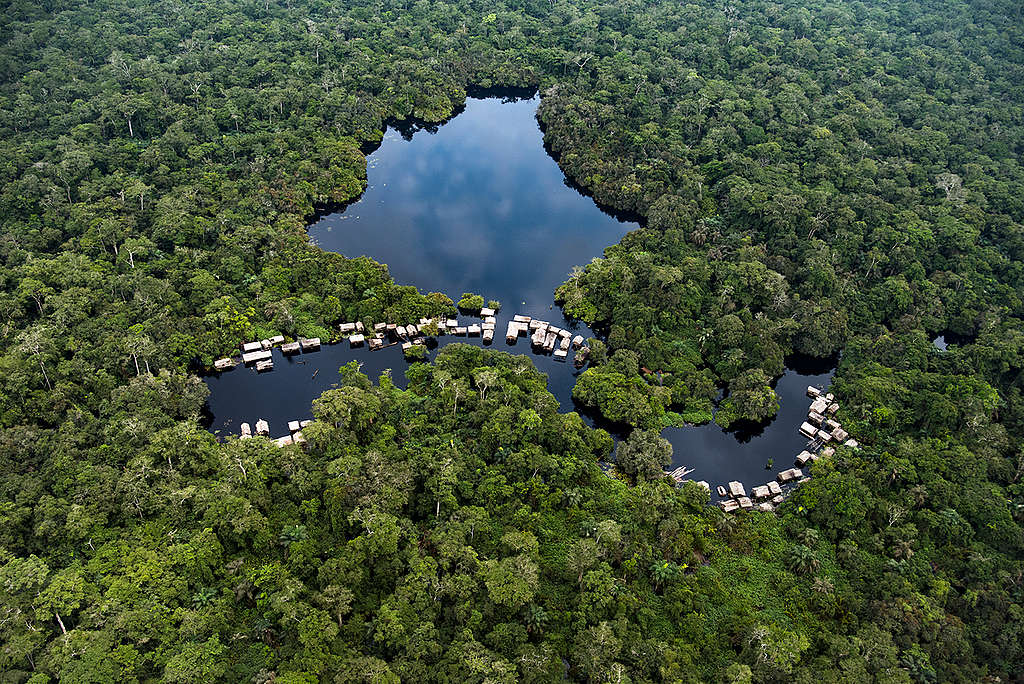
Aerial view of village in Lac Paku in the peatland forest near Mbandaka, Democratic Republic of the Congo.
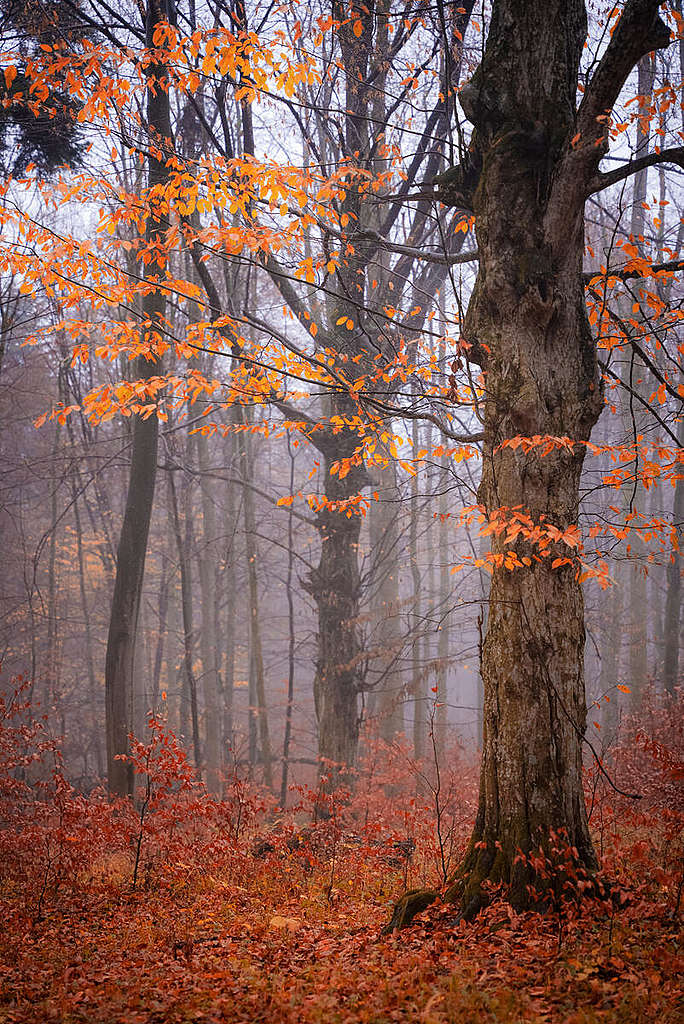
Carpathian mountains in Poland, especially in the Bieszczady mountain range, are one of the wildest parts of Poland. Unfortunatelly it is not protected enough and logging sites are spread all over it. Gradually one of the most biodiverse ecosystems in Poland disappears
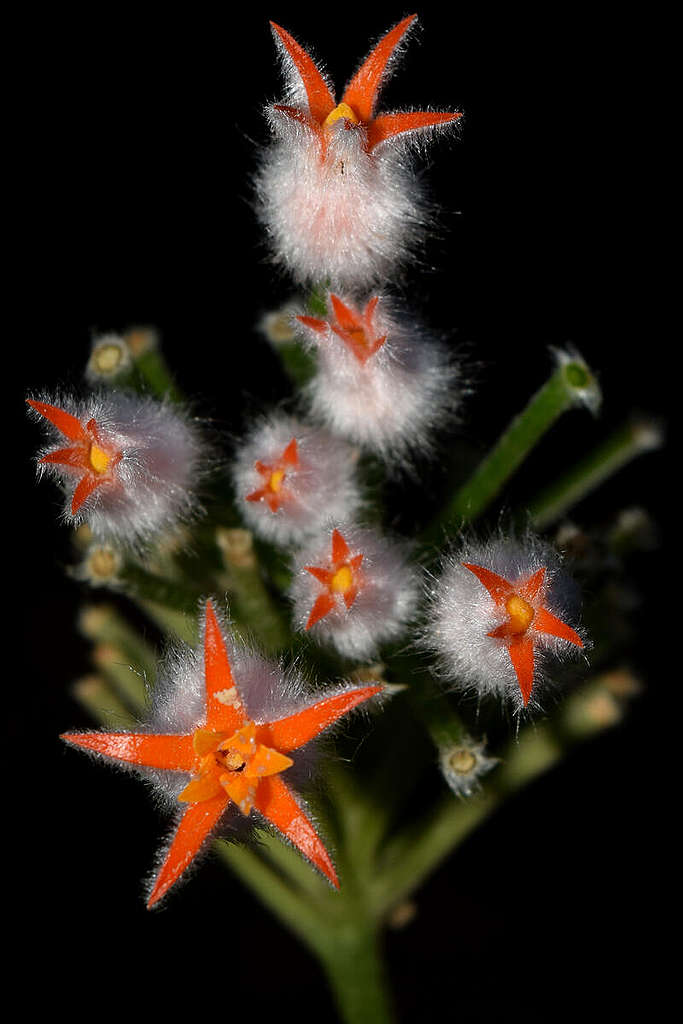
Documentation of various plants in the Amazon. 
The river expedition “Amazon We Need”, held in June 2022, is a way to discuss new economic development models for the region, based on forest potential, the knowledge of traditional and Indigenous populations, and promoting scientific research. The expedition aims to support river communities of the Manicoré River, in the southern Amazonas state, who fight for their land rights to be acknowledged and their forest protected. Another objective is to support researchers of INPA (Amazon Research National Institute) in their studies on Amazon biodiversity.