
Notable wins in the climate and environmental justice space to inspire us in our fight for a better, greener, and fairer world for all.
South Korea/Brazil – Hyundai Construction Equipment commits to help stopping illegal mining in the Amazon
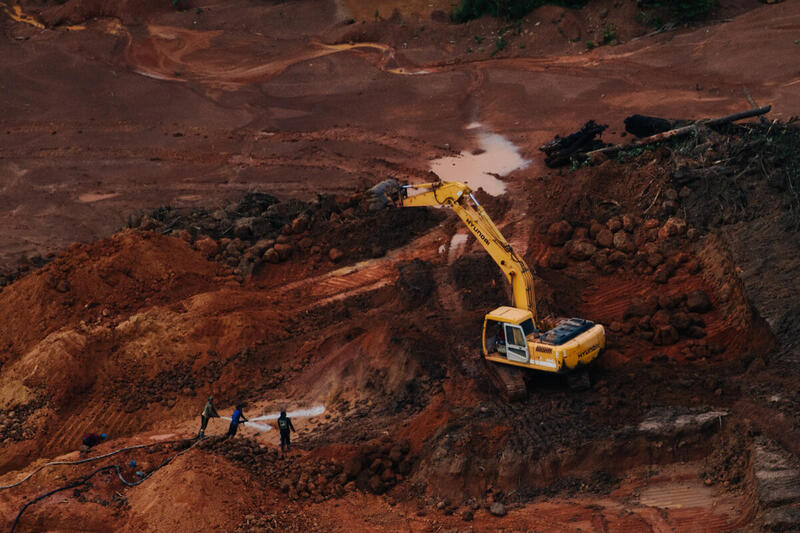
After Greenpeace East Asia released the Stop the Excavators report revealing that the heavy machinery produced by Hyundai Construction Equipment is apparently the favoured brand used in illegal mining in Indigenous Lands in the Amazon, the company announced a series of measures to protect the forest and will act to prevent the use of excavators produced by the company from being used in the illegal activity.
This is an important step in the protection of the Amazon. Greenpeace will continue its campaign to fight for the forest and for Indigenous Peoples rights.
Namibia – ReconAfrica suspends oil drilling in Okavango Delta
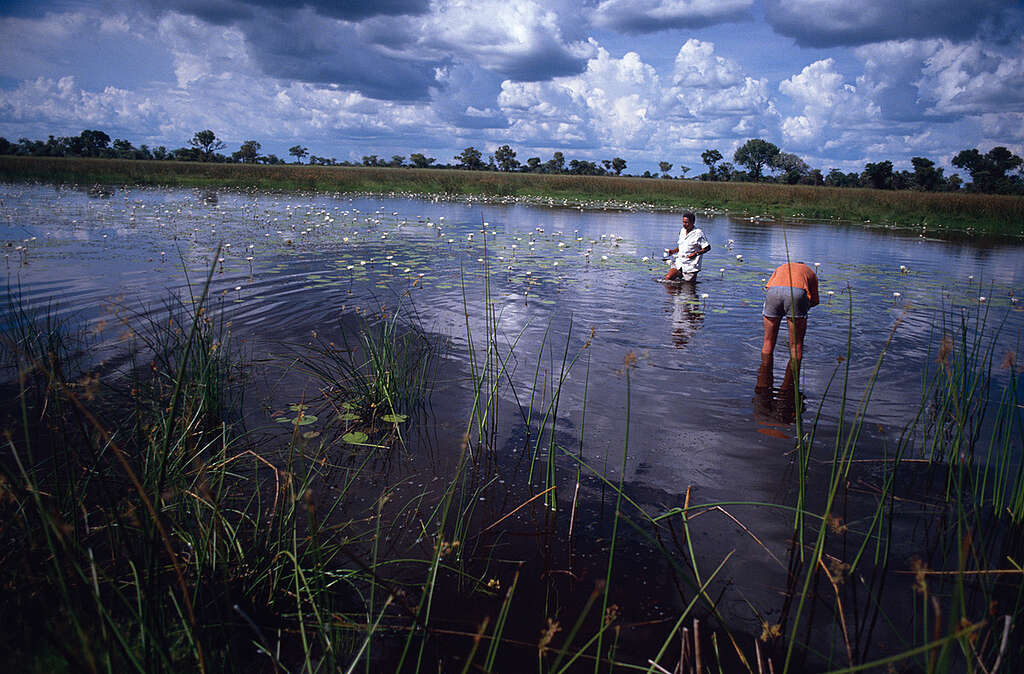
Canadian oil company ReconAfrica reportedly suspended controversial drilling in Namibia’s Okavango Delta watershed, after facing environmental concerns and lawsuits. This may not be the end to its operation in the UNESCO World Heritage site – which is also vital in terms of community water supplies and livelihoods – but it proves that people power can stop the biggest of giants.
In 2019, news that ReconAfrica planned the go-ahead with fracking in some of Africa’s most sensitive environmental areas sent shockwaves all over the world. Namibian youth climate activists, along with Indigenous, environmental and human rights groups, have since tirelessly tried to prevent the impending environmental catastrophe. Campaigning to hold the company to account and to save the Okavango from corporate greed continues.
Southeast Asia – ASEAN steps up commitment to end forced labour and human trafficking practices of migrant fishers
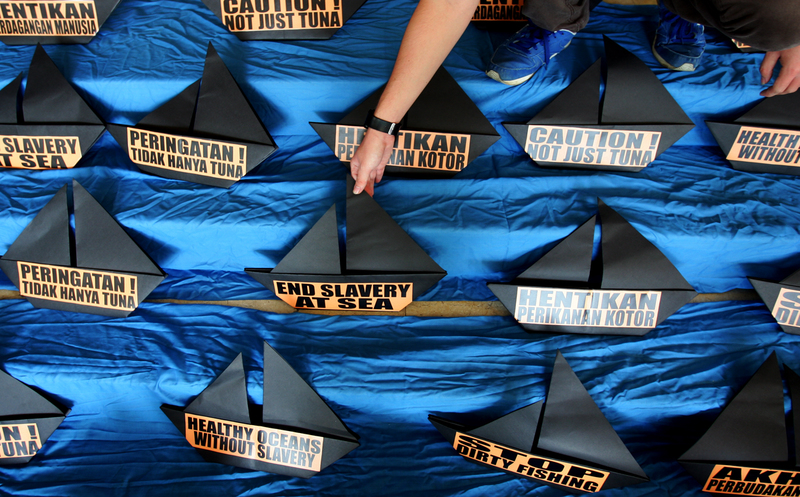
In May 2023, ASEAN leaders officially adopted the very first ASEAN Declaration on Migrant Fishers Protection in history. The declaration follows years of active campaigning by human rights advocates and civil society organisations in the region. The campaign is aimed at pushing for stronger policies to protect the rights of Southeast Asian migrants working in fisheries.
The declaration acknowledged both the migrant fishers’ positive contribution to the region’s economies, as well as their human rights as enshrined in the ASEAN Human Rights Declaration. It also emphasised that protecting and fulfilling the rights of migrant fishers in the entire migration cycle (recruitment, placement, and repatriation) is a shared responsibility among the ASEAN Member States.
Senegal – Local fishers and civil society join forces to reforest mangroves
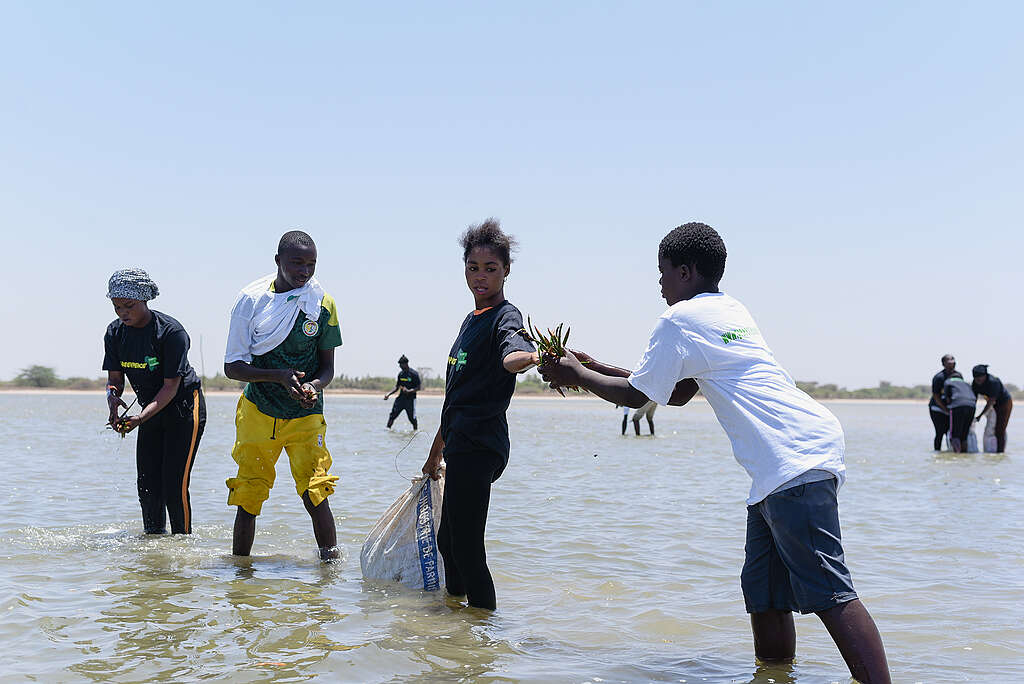
In the traditional fishing town of Joal in Senegal, fishing communities and members of civil society demonstrated that only concrete action on the ground can help restore fast depleting fish stocks. Fishermen, women fish processors and members of civil society took their destiny into their own hands by reforesting mangroves.
Joal is located close to mangrove forests, which are essential breeding and nursery grounds for many fish species, and are therefore vital for the survival of West African fishing communities. Mangroves also store more carbon than tropical forests and are essential for curbing climate impacts experienced on the continent.
The Netherlands – Dutch creative agencies choose to no longer work with fossil fuel companies
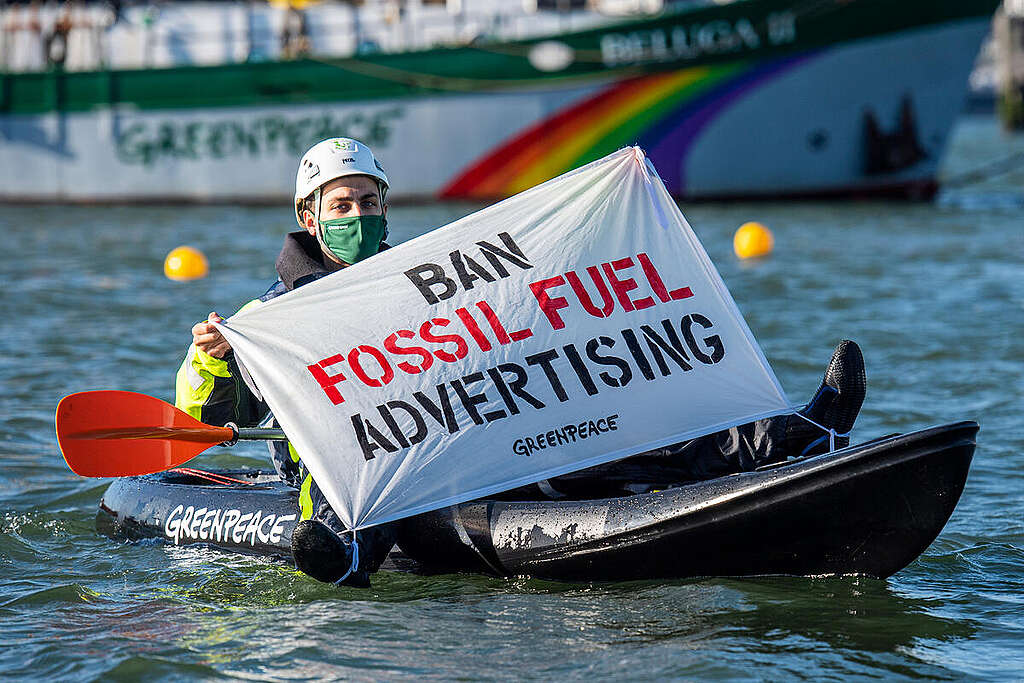
Recognising the role that advertising has in helping people make decisions, 23+ creative agencies in The Netherlands have put together a Fossil No Deal, stating that they will no longer work with fossil companies or to encourage fossil passenger transport. They call it verdrag verantwoord verleiden, a treaty for responsible seduction.
Thailand – Applies new PM2.5 ambient standard
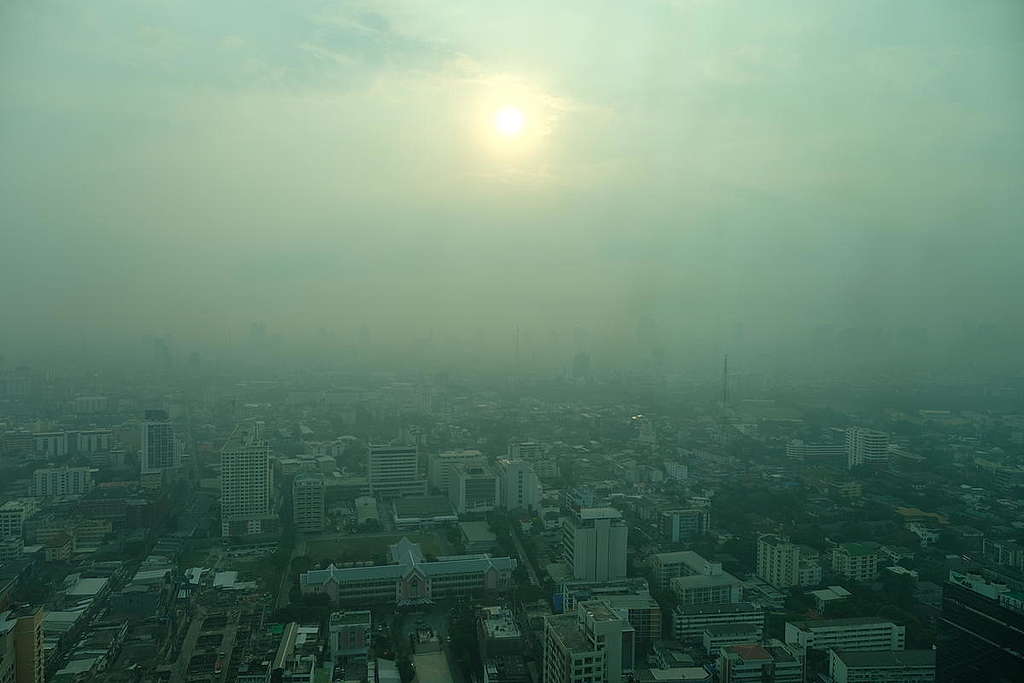
On 1 June 2023, the new PM2.5 ambient standard was officially applied in Thailand. The new standard is now 15 μg/m3 for the annual standard and 37.5 μg/m3 for 24-hour standard, which is in keeping with the revised WHO air quality guidelines. This is a step in the right direction to help reduce PM2.5 and solve air pollution in the country.
However, the fight is not yet over. Greenpeace Thailand is still fighting to get the PM2.5 at its source, that is from the industries, and is gathering local support to push for the Pollutant Release and Transfer Register (PRTR) so as to make the pollutant data open to the public.
New Zealand – FSC abandons plans for ‘GE learning’ process
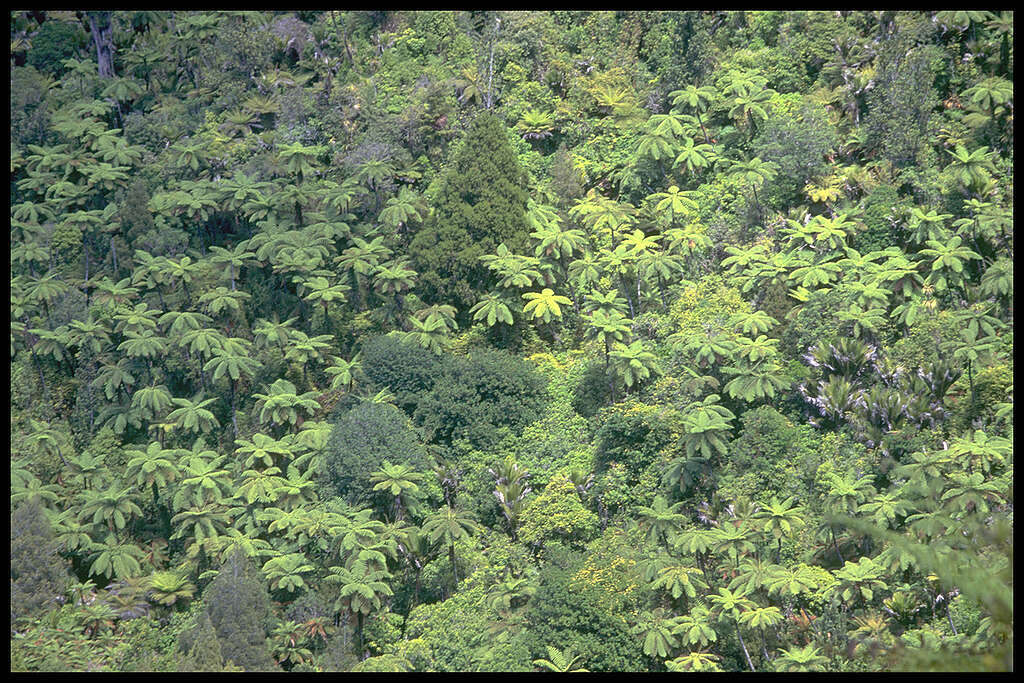
After pressure from Greenpeace Aotearoa and other NGOs, the Forest Stewardship Council (FSC) certification scheme has decided to abandon its plans for a ‘Genetic Engineering (GE) learning’ process. Not certifying GE trees is a long-standing principle of the FSC but it came under threat of being changed after pressure from FSC certified plantation company Suzano from Brazil that has a subsidiary doing GE eucalyptus tree research trials (in particular for glyphosate resistance). Suzano wants to move to commercial growing of the GE trees but to do so would mean either it losing its FSC certification or the FSC changing its rules to allow it.
Switzerland – Citizens say yes to net zero emissions
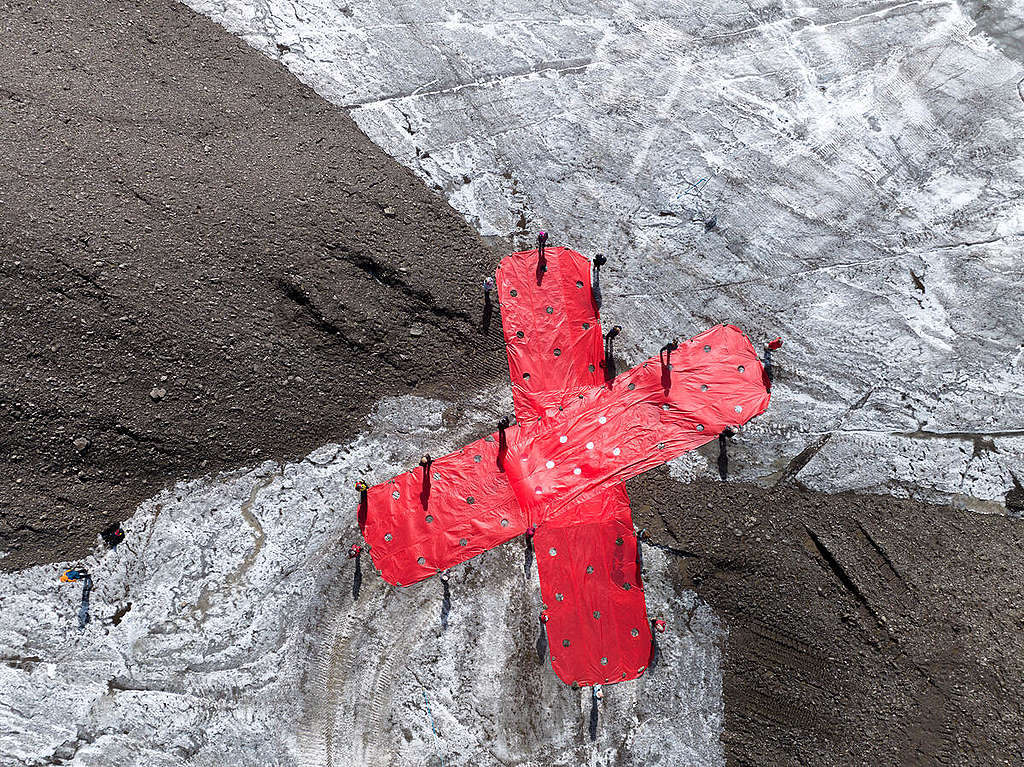
In a victory for climate, Swiss citizens have voted in favour of a new law to reach net zero emissions by 2050. The new climate law, which Greenpeace Switzerland helped to initiate seven years ago, just passed a referendum with about 59% of the voters. From now, net zero is enshrined in the “federal law on climate protection, innovation and strengthening energy security“.
With their votes, the people are saying yes to net zero emissions, yes to quit oil, gas and coal and yes to a huge programme to cut emissions rapidly.
Want to bring your government to court over climate inaction? Find out how in A People’s Guide.