Air pollution is the greatest global threat to human health, according to the latest report from the Air Quality Life Index (AQLI).
When the World Health Organisation (WHO) revised its air pollution guidelines in 2021 to reflect the damage air pollution can have on human health, it found that a staggering 99% of the world’s population was breathing unhealthy air. In some cities and countries, the level of air pollution consistently ranges from bad to hazardous.
However, there is no safe level of air pollution exposure as dirty air can lead to a wide range of diseases, including lung disease, heart disease, strokes and cancer.
And yet, despite the warnings and the health risks to millions, governments and the companies that fuel the air pollution crisis are not doing enough to tackle it. This has led to a growing global people’s movement standing up for clean air and demanding for local solutions such as monitoring air quality, developing sustainable public transportation, and greening our energy sector.
Let us meet and celebrate some champions of clean air who are rising up and fighting against air pollution, whilst inspiring and empowering others in their communities.
Thailand – Involving Indigenous knowledge in tackling air pollution
Thailand suffers from the impact of air pollution with its northern region experiencing annual haze at a hazardous level. The main sources of the pollution are seasonal agricultural burning for animal feed to clear the land, with clouds of smoke and air pollutants being carried throughout the country and contributing to existing industrial and motor vehicle pollution in cities. It got particularly bad this year with Chiangmai, a city to the north, listed as the world’s most polluted city in a live ranking by Swiss air quality company IQAir.
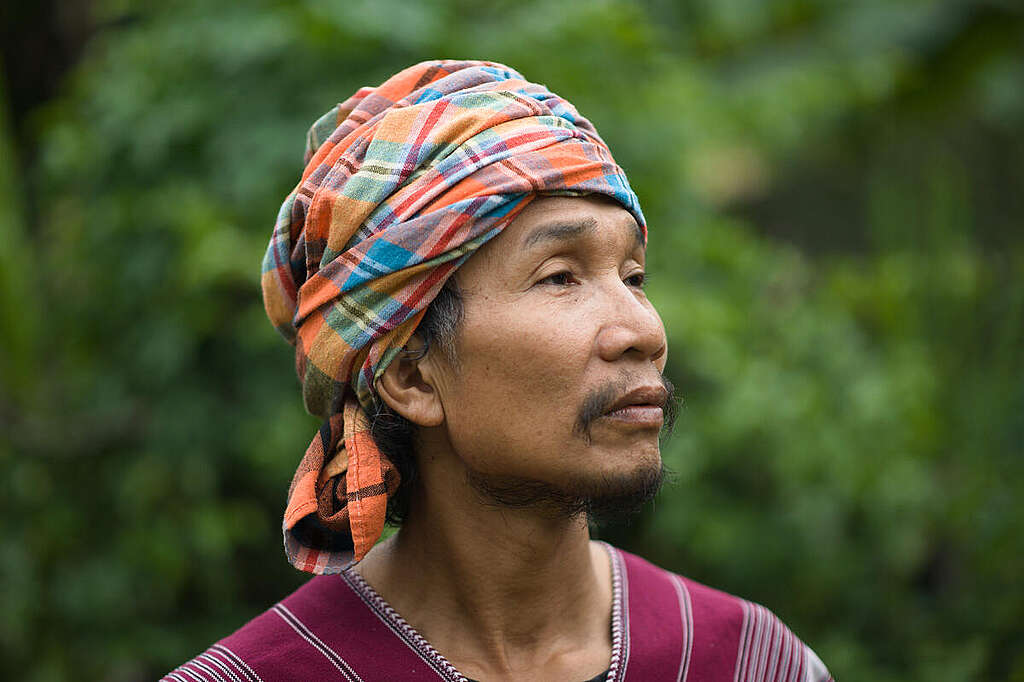
Prue Odochao is from the Pgakenyaw Indigenous group, living in the Samoeng District in Chiangmai. As a farmer, he depends on the forests, rivers and nature for his livelihood and for his daily food. He has been leading his community in their fight to protect their rights and their way of life.
He explains that the different Indigenous People in the area have cultural traditions related to controlled burning practices that have been passed down over generations but the issue of toxic haze in Northern Thailand only emerged in the last two decades, coinciding with the expansion of maize agriculture for livestock in the area.
“The empowerment of civil society that respects the diversity of ways of life and cultures, including recognizing the human rights of indigenous ethnic groups, is as important as safeguarding the environment and health. This empowerment is crucial for addressing air pollution issues,” said Prue, whose hope is that the wisdom and knowledge of the Indigenous Peoples be taken into account in tackling air pollution.
Thailand – Advocating for the people’s right to know
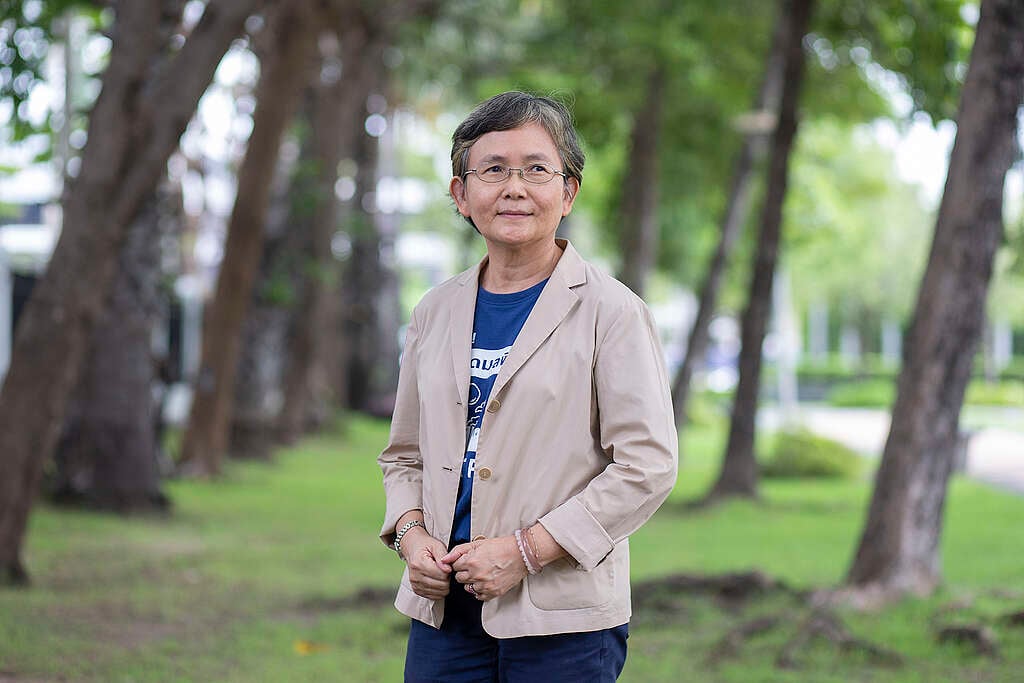
Penchom Saetang is the Founding Executive Director, Ecological Alert and Recovery–Thailand (EARTH), a non-profit organization focused on industrial pollution. She has been advocating for the Pollutant Release and Transfer Register (PRTR) law to reduce pollution from industries since 2001. The purpose of the PRTR is to inform the public about the industrial pollutants that are being released and might impact their health.
Her activism started in 1998. The community in the Map Ta Phut area in Rayong, a province in eastern Thailand, were concerned about the smoke and smells coming from a nearby coal-powered plant. Together with Greenpeace Thailand and Global Community Monitor, Penchom had collected and sent air samples to a lab in the United States. The lab detected 30 different compounds, including benzene, chloroform and formaldehyde, some of which were significantly elevated. This resulted in a report titled ‘What’s in the Air’ and fueled Penchom’s passion for the community’s right to know what’s in the air that they are exposed to.
“It’s about creating a collaborative environment where the observations and voices of the community are not just heard but valued, leading to more informed decision-making and positive outcomes for all. The most important question is how do we ensure that the communities’ voices are heard?” said Penchom.
Indonesia – Suing for clean air
Jakarta, the capital city of Indonesia, and home to more than 10.5 million people is one of the most polluted cities in the world, according to the Swiss air quality technology company IQAIR. The main sources of the city’s air pollution are emissions from transportation, industrial facilities, and coal-fired power plants in neighbouring provinces and satellite cities.
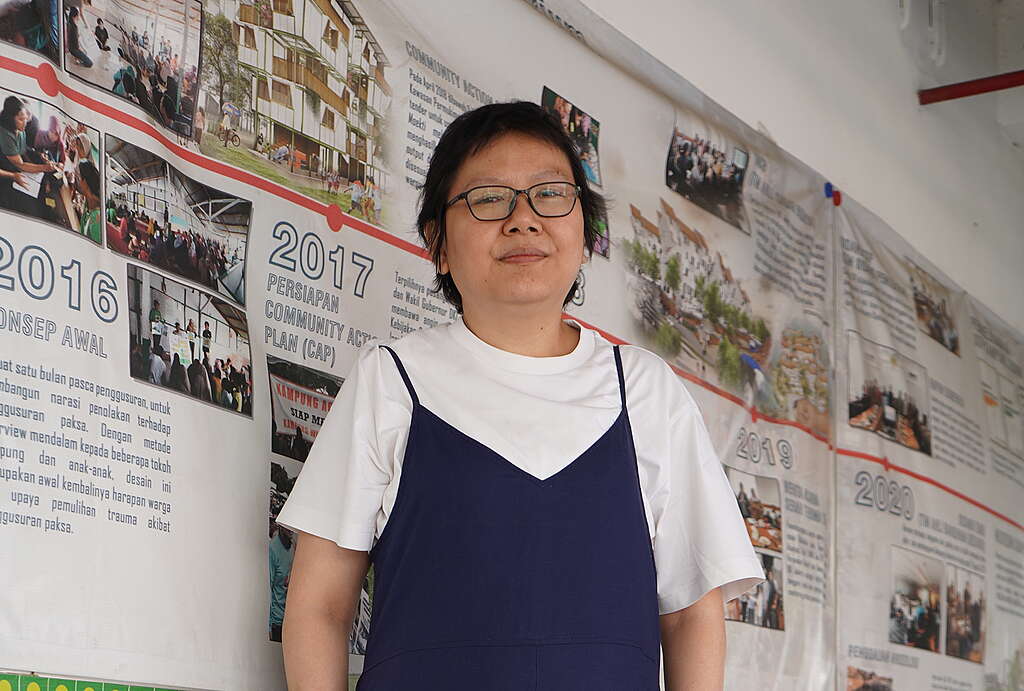
In 2019, a group of 32 Jakarta residents, including Elisa, filed a lawsuit against the Indonesian President Joko Widodo and other government members for inaction on air pollution and negligence of health risks. They demanded that Jarkarta’s local government and other surrounding regions take serious action to control air pollution.
In 2021, the court ruled the defendants neglected the citizens’ rights to clean air and ordered for monitoring stations and other measures to improve the capital’s air quality but significant action has yet to be taken. In fact, Jokowi and his ministries filed an appeal in 2022, which was denied and the decision was upheld.
An urban development activist, Elisa’s concern with air pollution began when she was pregnant in 2011 and was amplified after she was diagnosed with cancer in 2022. She was surprised as there was little history of cancer in her family and started researching the causality between air pollution and breast cancer.
She is making changes to her lifestyle as an individual to combat air pollution but thinks the role of the government is the most significant in implementing pollution control measures.
“I am concerned because of my children. Who would want their children to live in conditions like this? I want them to have a better life and better air than this,” said Elisa.
South Africa – Building climate change resilience at the grassroots level
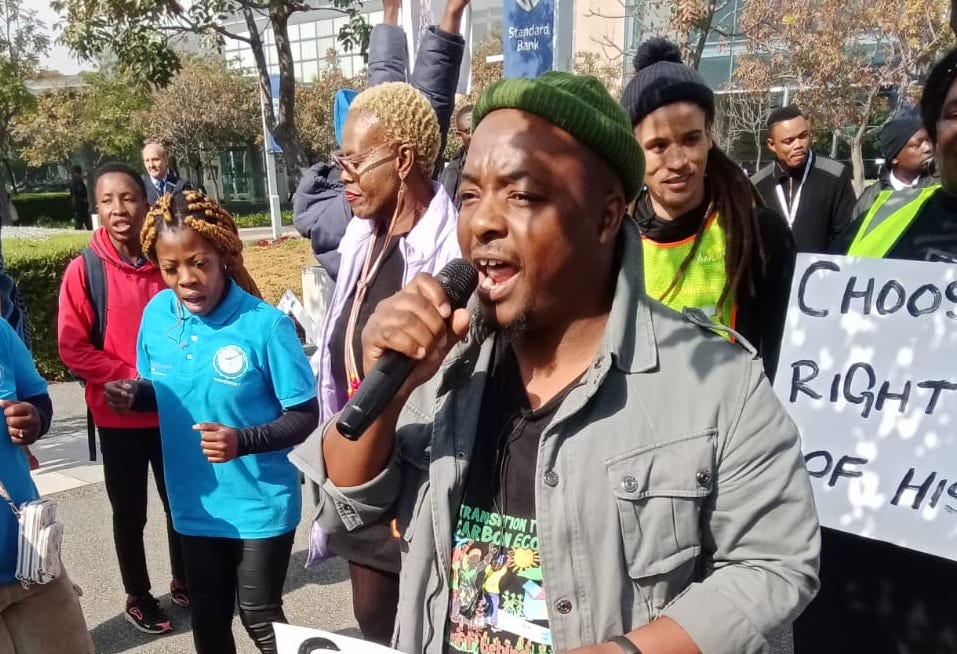
South Africa’s dependency on coal to generate its electricity has led to a choking air pollution problem in the country, particularly in an industrialised swath of Highveld, a plateau in central South Africa. A 2019 Greenpeace report ranked the region among the highest in the world for emissions of two dangerous pollutants, sulfur dioxide and nitrogen dioxide. The poor air quality has had an enormous impact on the health of the millions who live in the area.
Thabo Sibeko is a Senior Programs Officer at Earthlife Africa. He has been an environmental advocate ever since he mobilised young people in his township in Gauteng to use creative recycling as a response to poor waste management. Now he’s passionate about building climate change resilience at the grassroots level by ensuring that local communities are well-informed so that they can make informed decisions in response to air pollution and the climate crisis, and at the discussion table.
“Our role as the catalyst in the society is to establish access to information and pave ways for them to engage and deliberate in a dialogue to bring about development in their communities without destroying the environment,” said Thabo.
Malaysia – Putting an end to transboundary haze
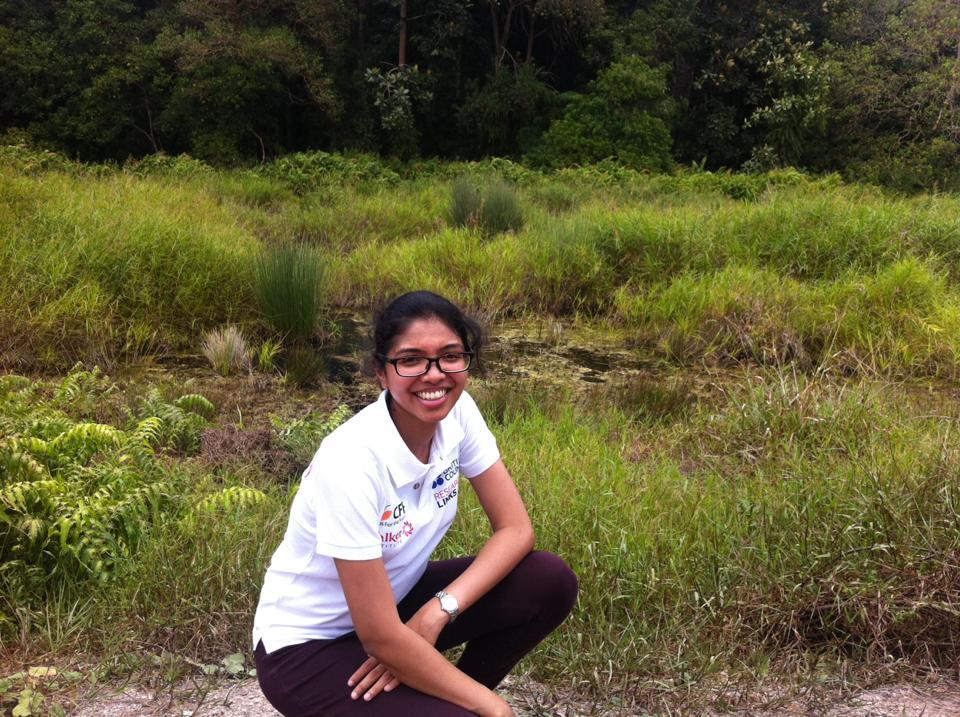
Haze has become a common issue in Malaysia, driven by peatland destruction and slash and burn agricultural practices, both domestically and transboundary. In 2015, Malaysia experienced severe haze pollution, considered one of the worst in history, triggering school closures and impacting the health of many.
Dr Helena Varkkey is an educator and researcher on environmental politics and governance. Her interest in transboundary haze is both personal and professional. During the 2015 haze, her son had to be hospitalised for respiratory problems.
While doing her research on regional politics, diplomacy and cooperation over transboundary haze, she came across CERAH, a group of concerned citizens passionate about putting an end to the haze. She became a member and is now the Vice-President of the group, leading their first funded project on methane and health.
In Dec 2021, Greenpeace Malaysia had filed a landmark complaint along with CERAH for the recognition of basic human rights to clean, haze-free air. This prompted a roundtable discussion on the issue by the Human Rights Commission of Malaysia.
“We need to get enough people to realise that their rights to clean air are being infringed upon, to care about it, and to complain about it. It’s challenging because clean air is just one issue competing against so many other environmental and social issues. But what can be more important than the air we breathe, right?”
Democratic Republic of Congo – Informing the community on the importance of clean air
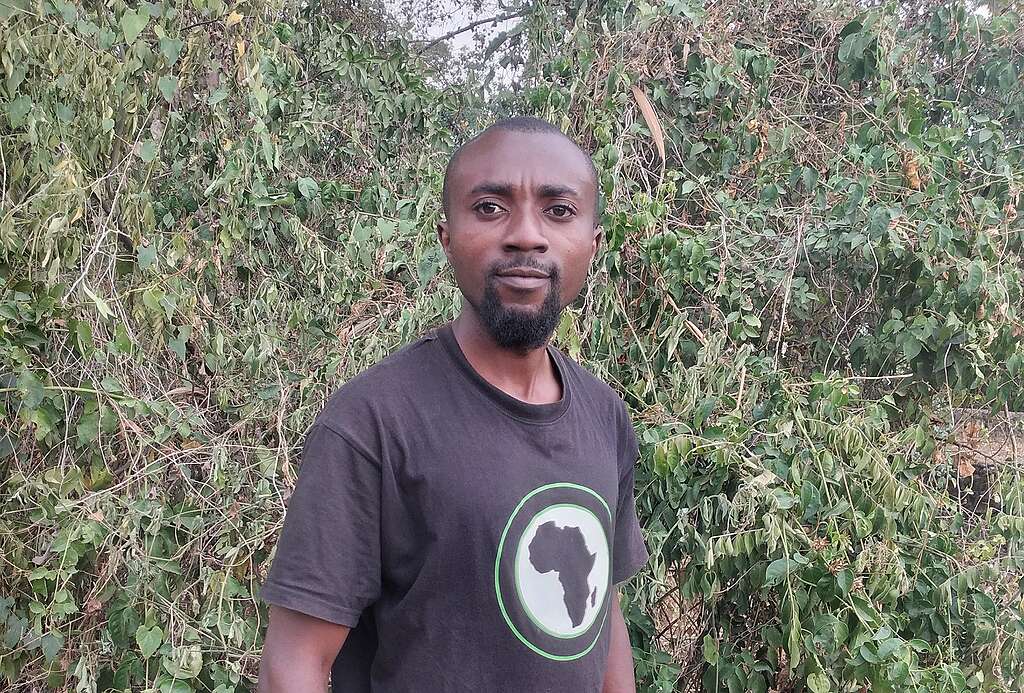
The Democratic Republic of Congo (DRC) is among the top three most polluted countries in West and Central Africa. Because of poor air quality, communities have been suffering from health ailments; unfortunately women, children and the elderly are the most affected. Air pollution has also affected the quality of the soil and water resources.
An active youth activist campaigning for the climate in the DRC, Philemon Nzanzu Mulimirwa has been working on mobilising and creating awareness within his community on the importance of clean air. He is the deputy president of the youth of his district, working alongside other NGOs to put pressure on political decision-makers so that they take adequate measures to fight against air pollution.
“Civil participation in climate advocacy is very important because air pollution has no borders, it affects everyone without distinction. This is why we are always called to work together,” said Philemon.
As these Community Heroes show us, part of the solution to air pollution is us, taking action together for clean air.
Tan Lee Kuen is a communications coordinator with Greenpeace East Asia.