In times when genocide, wars, extreme weather and the largest World Cup ever can coexist, the world’s biggest football tournament inevitably becomes a stage for geopolitical tensions and contradictions. Even more so when it is co-hosted by a country that has threatened to annex a fellow host country and started a war against one of the competing nations.
While football has been historically considered a working-class sport, the 2026 World Cup goes far beyond football tactics and the performance of national teams, and it has put the sport’s inclusive nature to the test. It places not only a magnifying glass on the global social and economic divide, but also exposes the brutal reality that countries are falling behind on many indicators, and remain far from the victory their people truly seek: a dignified life in a safe and liveable environment.

The “people’s game” in a world of visa walls and fossilflation
The US hard-line immigration and border policies affecting players from competing countries, as well as fans, showed that teams do not compete under equal conditions and standards. A Somali referee was denied entry into the country. An Iraqi striker was held for seven hours of questioning. Iran’s players were subject to unfair treatment, from visa denial (to at least fifteen officials and team staff) to different travel arrangements between training and matches. The US has barred or restricted citizens from 39 countries and halted immigrant visa processing for 75 countries; out of 150 Ghanaian fans who applied for visas, 147 were refused. The divide is clear.
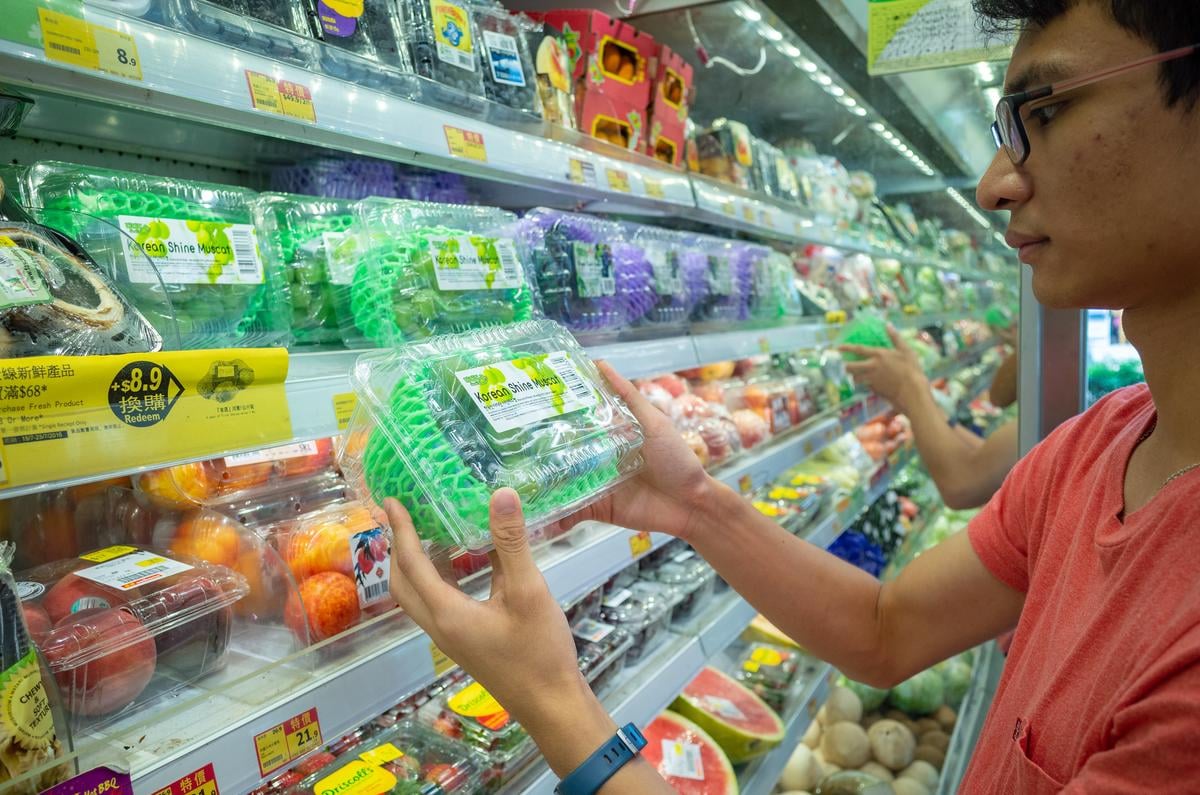
For those fortunate enough to pass the entry barriers, another layer of privilege for those attending the matches is related to the attendance costs: the most expensive in the World Cup’s history. This year’s tournament has made it as clear as ever that fans are not merely supporters; they are treated as consumers and a revenue stream for an industry that becomes more and more elitist. The dynamic pricing system and the sophisticated profit tactics adopted by FIFA led category 1 tickets to reach more than US$10,000, flights from abroad to reach $2,000 roundtrip, and average hotel price on matchdays $400. For fans in competing countries going through high domestic inflation (an increasingly common trend around the globe), attending a match has become financially impossible.
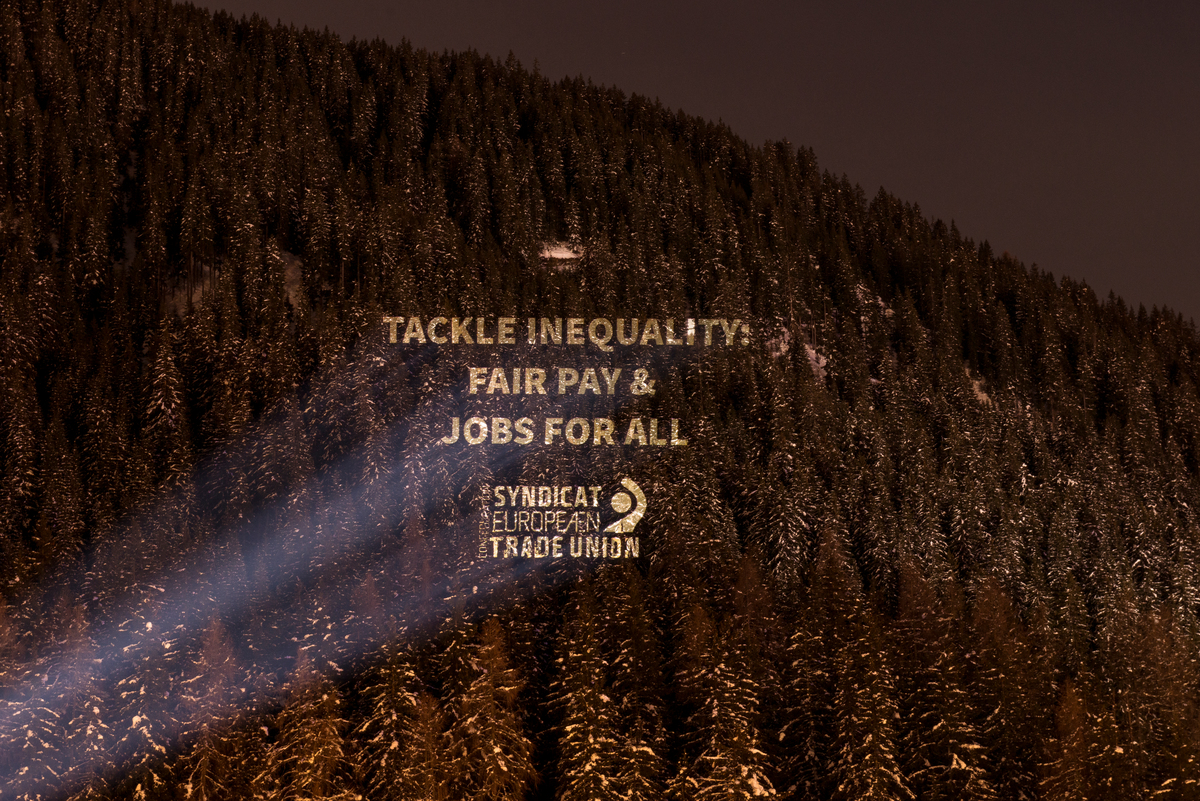
This reflects however a broader social problem: the unprecedented global income inequality in an era in which the world has for the first time a trillionaire (a status Elon Musk reached the day after the World Cup kicked off), while over 673 million people face hunger, and society is treated as a marketplace. A strong social safety net and fair income distribution are at least as important as people being able to enjoy and afford World Cup matches, because dignity off the pitch and joy on it should go hand in hand.
Nations short scoring on democracy, inequality and the cost‑of‑living crisis
Besides the tournament itself exposing deep paradoxes from the host nation’s foreign diplomacy, from strict borders to price discrimination, other issues underscore the effect that geopolitics has on current inequality and rising cost-of-living. Countries around the world — competing or not to the World Cup — have been falling short in many other social, economic, and climate indicators.
As latest data from the independent research institute V-Dem shows, nearly 74% of the world’s population now live under autocratic rule, including many of the competing countries. This number is likely to increase next year as recent developments in countries like Colombia and Peru show, from Colombia’s razor‑thin election of a Trump‑backed far‑right president promising US‑backed airstrikes and mega‑prisons to Peru’s ongoing post‑electoral crisis and weakened democratic institutions. The “third wave of autocratization” is fast spreading through both democratically fragile and traditionally stable nations: also in the United States itself, which according to the analysis in a timeframe of a bit more than one year is rapidly moving from electoral democracy towards electoral autocracy.
The world is taken by a widespread affordability crisis driven by increasing inflation, whose cause is manifold: the war-driven energy shock, pressure on global food supplies because of crop failures caused by extreme weather, increased defense and fiscal spending amid rising global tensions, as well as core inflation by housing and rent, which in many countries make up the largest chunk of consumer price indexes; all this while the wages fail to keep the pace with price shocks on top of structural cost of living. In 2026, the energy shock has put significant pressure on key regions such as Europe and Asia, which are dependent on oil and gas from West Asia and North Africa (the Middle East) and facing industrial recessions and high utility bills, with countries facing deep energy shortages, soaring prices and tight supplies.

War, energy shocks and fossilflation: who is actually winning?
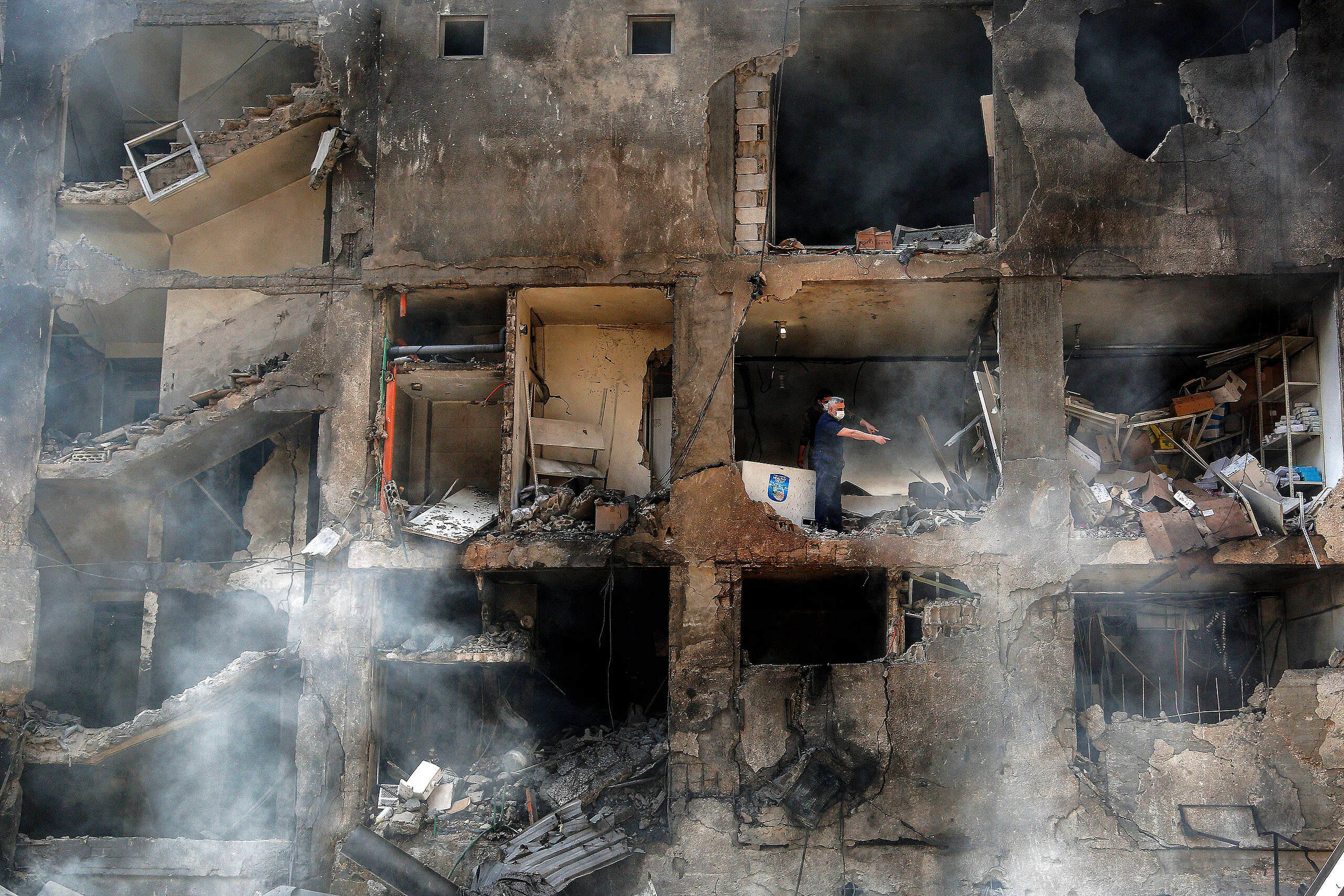
When the US–Israeli war on Iran shut down shipping through the Strait of Hormuz and pushed oil prices up, ordinary people paid more for fuel, food and transport, but fossil fuel corporations turned the chaos into a jackpot. Greenpeace analysis shows the world’s biggest oil and gas companies raking in tens of billions of dollars in windfall profits during the first months of the Iran crisis, with major European firms booking some of the highest quarterly earnings in their histories and making more than 80 million euros per day in “war profits” from inflated diesel and petrol margins.
The same pattern is playing out in our food system. As gas supplies tightened, fertiliser prices soared and big agribusiness and agrochemical giants reported windfall profits, while farmers struggled with higher input costs and households faced rising food bills. These companies use crises like the war on Iran and the global energy shock to demand more subsidies and weaker environmental rules, turning “food security” into corporate welfare while people and ecosystems pay the price.

If people are to win, it is time to change the tactics
While football remains a universal language that unites people around the world, breaks down cultural barriers and offers relief when everything else feels upside down, the World Cup is a timely moment to remind our leaders that goals on the pitch are not enough to guarantee a life with dignity on a livable planet. What truly decides that future is whether countries can rebuild what has been lost amid deep economic and political crises, straining public services, collapsing democratic foundations and a trapping dependence on fossil fuels that keeps causing repeated economic disruptions.
New outcomes cannot be expected when outdated tactics are in place. People are eager for justice, equality, and economic stability. It is time for our leaders to stop defending a broken system and start playing for a different kind of victory.
Stop fossil fuel giants profiting from war and pollution. Sign now to tax profits and fund disaster relief and energy independence.
Sign nowMarília Monteiro is a Senior Campaign Strategist with Greenpeace International, working on socioeconomics analysis and responsiveness, based in the Netherlands.