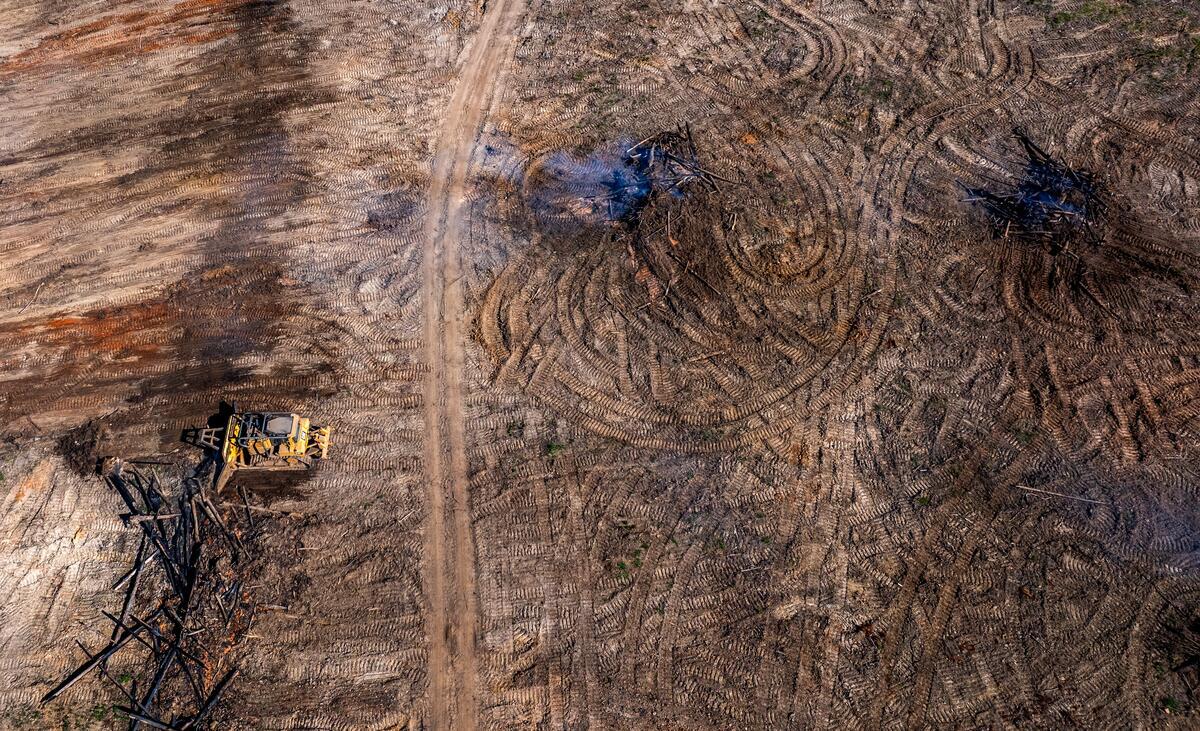
October 2nd marks UN World Habitat Day and the start of Urban October, a month of events and activities focused on sustainable urbanisation and the role of cities – now home to more than half the world’s population – in protecting nature and biodiversity.
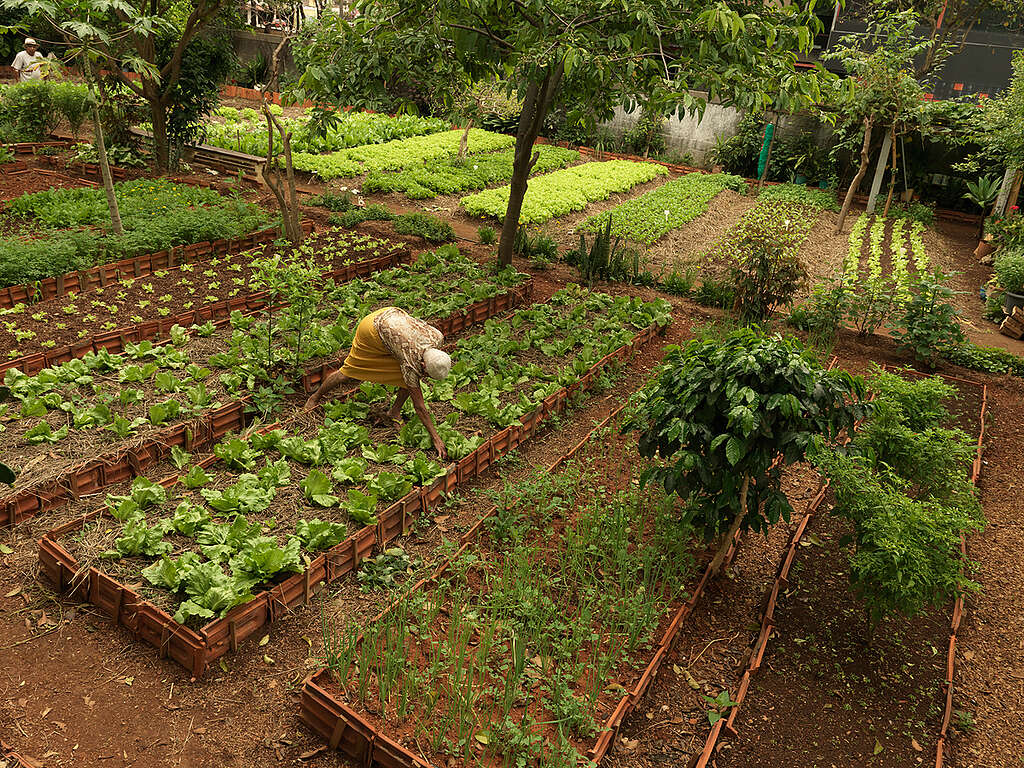
At first glance, this seems like a strange combination. After all, nature and cities exist at odds with each other, right? Those of us who live in a city are forced to leave it to connect with nature, get away from the metropolitan chaos, leave the noise behind and spend a few days enjoying clean air and peace before returning to the city. Nature is a destination, a distant place, removed from daily life.
But nature does not end where cities begin.
Nature exists in every city. It is our air, our rivers, our food. It comes in the air passing through the window and in the voices of the children playing outside. It is in the birds singing in the park and the young man singing on the bus to work. It is the rain that falls and the instinct that keeps us alert and connected to our environment.
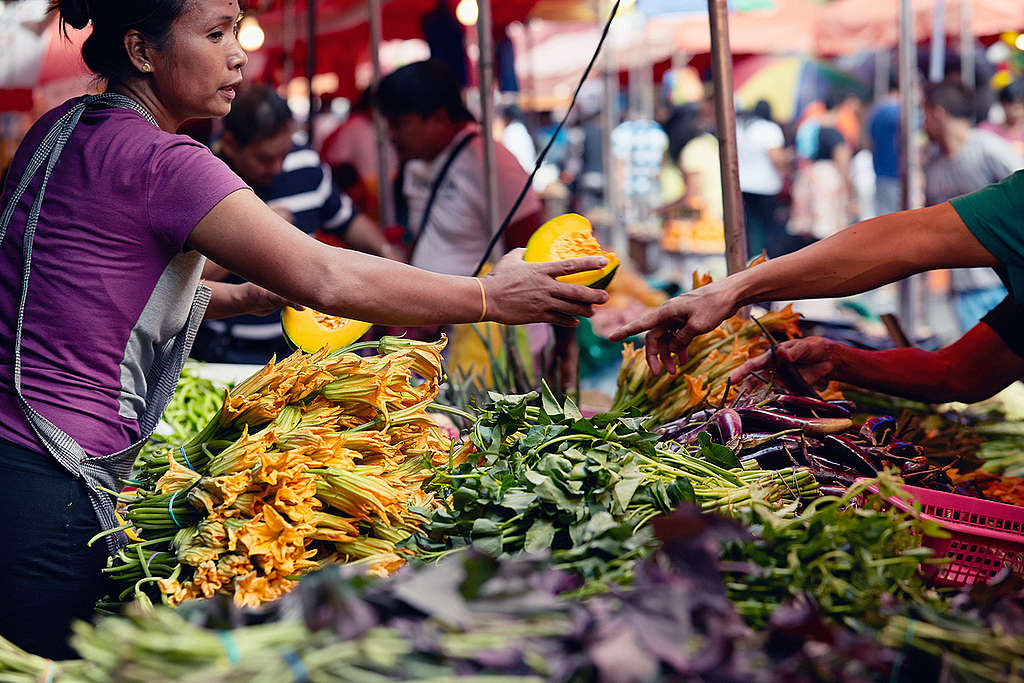
Cities are massive habitats where diverse forms of life depend on each other. They are the ever-evolving ecosystems where we meet to coexist. Yet, as if trying to keep life on the margins, many cities have been designed to prioritise concrete and cars over people-focused transport and urban planning, private space over public, and systems which favour the interests of the few over the health and wellbeing of the many.
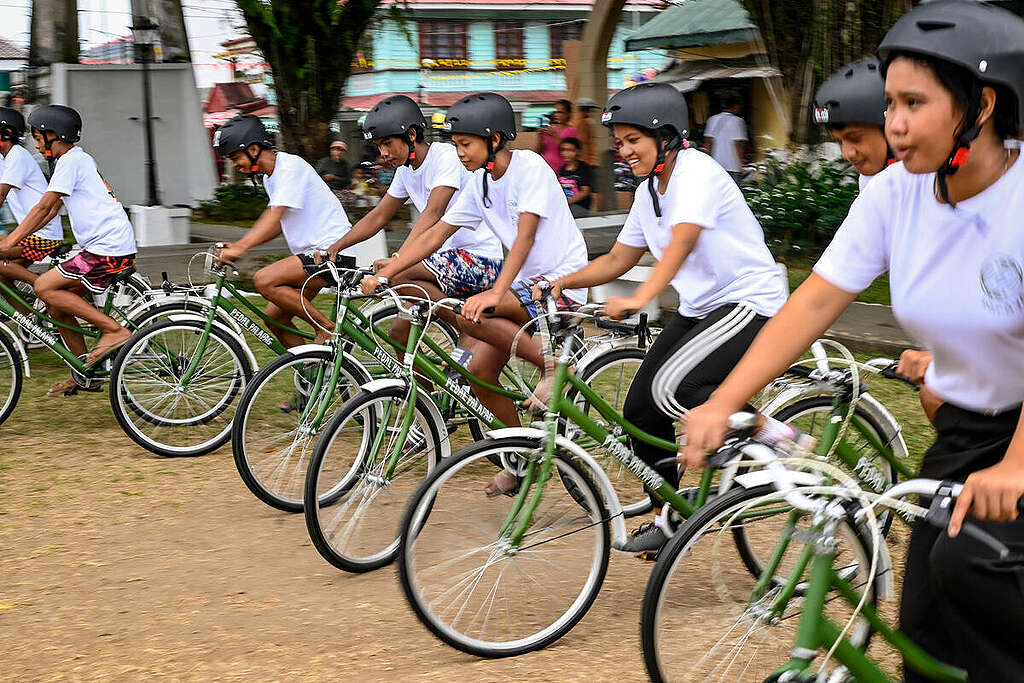
However, as in every system which tries to impose upon and dominate nature, life finds a way to resist. Like the flower breaking through the asphalt, and the communities on the peripheries fighting for their right to be a part of the city, in safe and stable housing. It is spontaneous, like the river breaking its banks, and the crowds that overflow the streets. Cities are not built by some to be occupied by others, cities are constantly being built and rebuilt from within, by the communities that call them home. Cities bring people together, communities bring them to life.
That is why Greenpeace, through the Urban Justice campaign, commemorates Urban October with people like Flor Alba García, a waste picker who has been working for more than 40 years, not only to make Bogota a cleaner city, but also for decent pay and the recognition for their work; or Cecep Supriyadi, a resident and member of Marunda Flats Citizen Forum, where he has been resisting with his community to defend their right to decent housing and clean air for all in Jakarta.
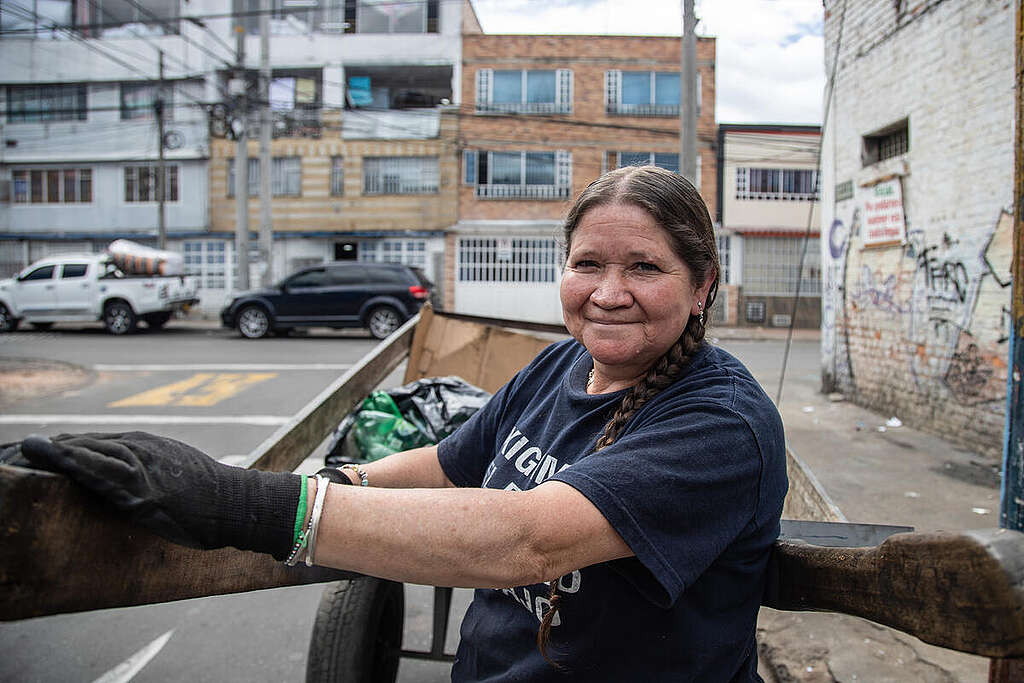
Throughout October, we will be shining a light on communities all over the world working to create safer, cleaner, more resilient cities. Cities where all people – especially those like Flor Alba and Cecep who have been historically marginalised – are not only heard but actively included, by bringing their lived experience and collective power to transform cities into just, green and resilient places for all. Cities that do not push nature out, but bring life to the very centre.
Join the movement! greenpeace.org/urban-justice
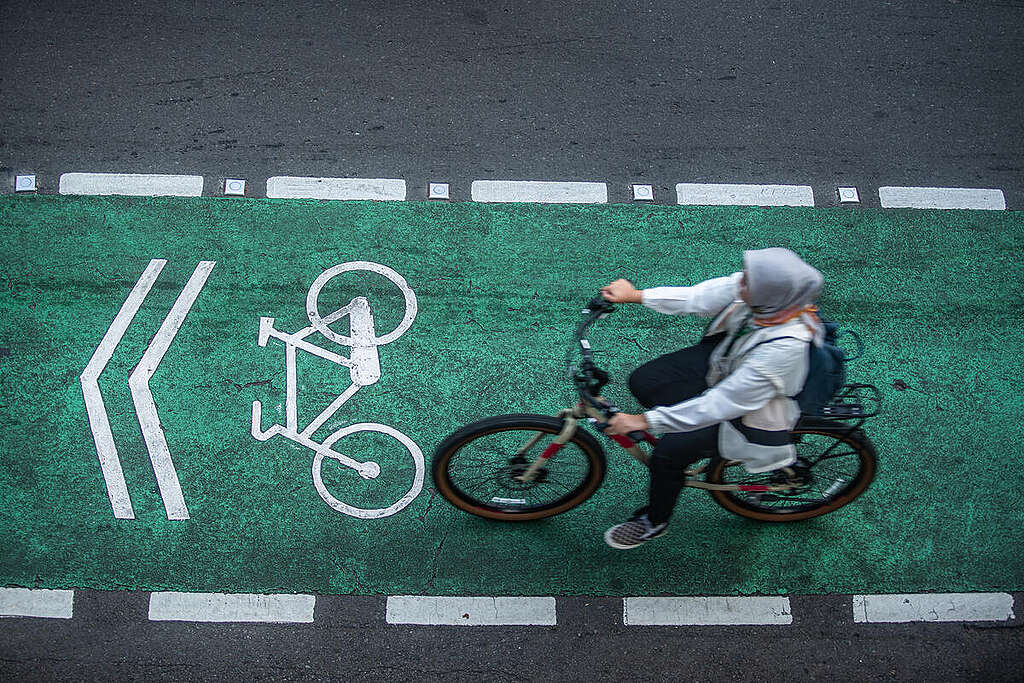
Urban Justice is addressing a global crisis from its local perspective by placing life in the centre of cities.
Learn more