Greenpeace has been highlighting the fundamental need for affordable, accessible public transport around the world. This is an issue that affects everyone, as individuals, as communities and at a global level. Affordable, accessible transport can transform both urban and rural communities, removing the need for cars that cause pollution and instead providing a lifeline for people. Whatever the journey – to work, to school, to receive healthcare or to visit friends – having reliable, affordable public transport gives people the freedom to move through life.
For Mobility Week, we gathered some global stories to show how the need for public transport is as diverse as it is universal.
In Spain…
Joana is a high school teacher in Tarragona, Catalonia. Her daily commute can be stressful. The trains between Tarragona, and Barcelona where she works, are infrequent and unreliable, and as a teacher, she must arrive on time.
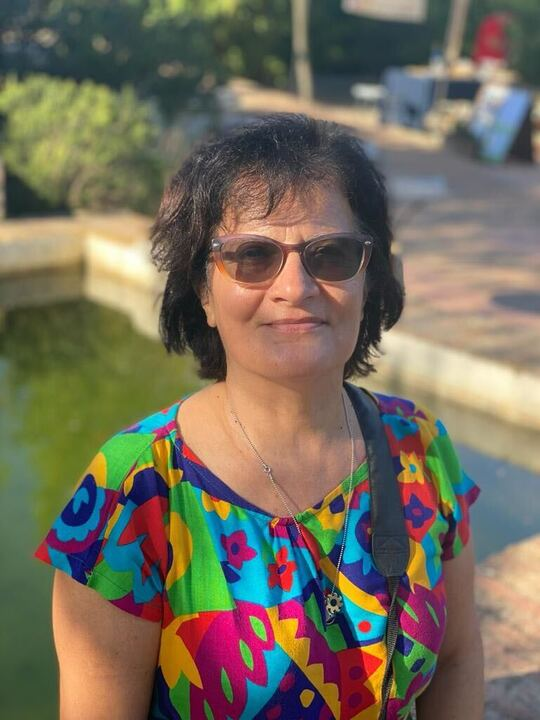
If the train that Joana normally gets turns out to be a short train with fewer carriages, Joana has to run to make sure she can board. Many people will be forced to wait for the next one and those who make the train may have to stand for the duration of the journey.
Joana will be late if the train is delayed or if she cannot get on. There is no alternative as buses don’t stop locally. When she arrives at the destination, she walks a further 15 minutes. The whole journey takes Joana 60 minutes.
Joana takes the train because she can save money with a frequent traveler pass, and prevent the emissions created by driving. She feels that the journey is worth it, but with more frequent and reliable trains, it would be a less stressful experience.
“The city of Tarragona has a bad transport system due to its infrequency, and that harms my social and cultural life because I do not dare to move from home if I do not have an accessible means of public transport.”
In the Philippines…
Bea Dolores commutes daily from her province, Laguna, to Metro Manila. Her first leg is by tricycle, which is a standard mode of transport in provincial areas. The tricycle takes Bea to her next stop where she gets a Jeepney, an iconic mode of Filipino public transport that connects towns and people.

She then crosses a large footbridge, which unfortunately has steep steps, making it less friendly for senior citizens or people with disabilities, to catch a bus (which won’t depart until it’s full). The bus journey is followed by another major footbridge, particularly challenging for cyclists who need to carry their bikes over the bridge.
She then walks more than 500 meters to the Metro station where people form long queues for tickets if they don’t have reloadable travel cards (Bea travels often so she does have one of these). Finally, she runs for the train and stands until she reaches her stop.
“This journey reflects the resilience of the Filipino people, but wouldn’t it be wonderful if every journey was an opportunity to thrive.”
In Japan…
Yuma is an intern at the Greenpeace office in Tokyo. She lives in a town called Fuji in Shizuoka Prefecture. When Yuma goes to the office in Shimbashi, Tokyo, her journey is 3 hours and 25 minutes.
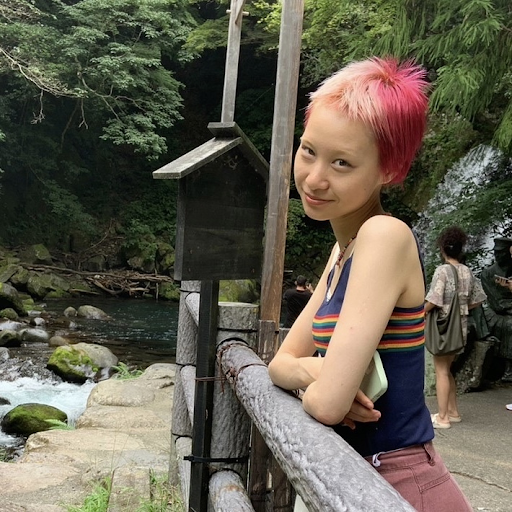
Yuma relies on a combination of transport. Sometimes she is lucky to get a ride to the closest station which takes about 15 minutes by car. Buses no longer service the area because of its declining population.
From her local station, she has a choice between the Shinkansen (bullet train) or regular trains which are slower and cheaper. Either option is better than a car in terms of emissions. Yuma gets a 20% student discount on train tickets, but even so, only the slow train is affordable.
When it’s early the trains are not too crowded and Yuma can read or sleep in her seat. She is also able to work from home but travels to Tokyo up to three times a week. Being in the office provides valuable experience and communication with her Greenpeace colleagues.
“Every time I commute to Tokyo, I really feel that the freedom to travel and access to transportation has so much to do with your learning opportunities and future options. I wish I could come to the office more frequently, but three days a week is the maximum in terms of time, money, and energy. I really wish that travel and transport will be accessible and affordable for everyone.”
A global need
Public transport is powerful. It means lower emissions, cleaner air, and greener spaces. It can increase wages and equality, create jobs, improve social cohesion, and even reduce loneliness, connecting communities and boosting entire societies.
Improving infrastructure for cycling and walking, investing in safe, reliable and affordable public transport, and ensuring universal access to such transport should be a priority for governments around the world. It’s an easy win for social and climate justice and directly links to a better quality of life.
Lauren Kemp is a communications consultant based in London