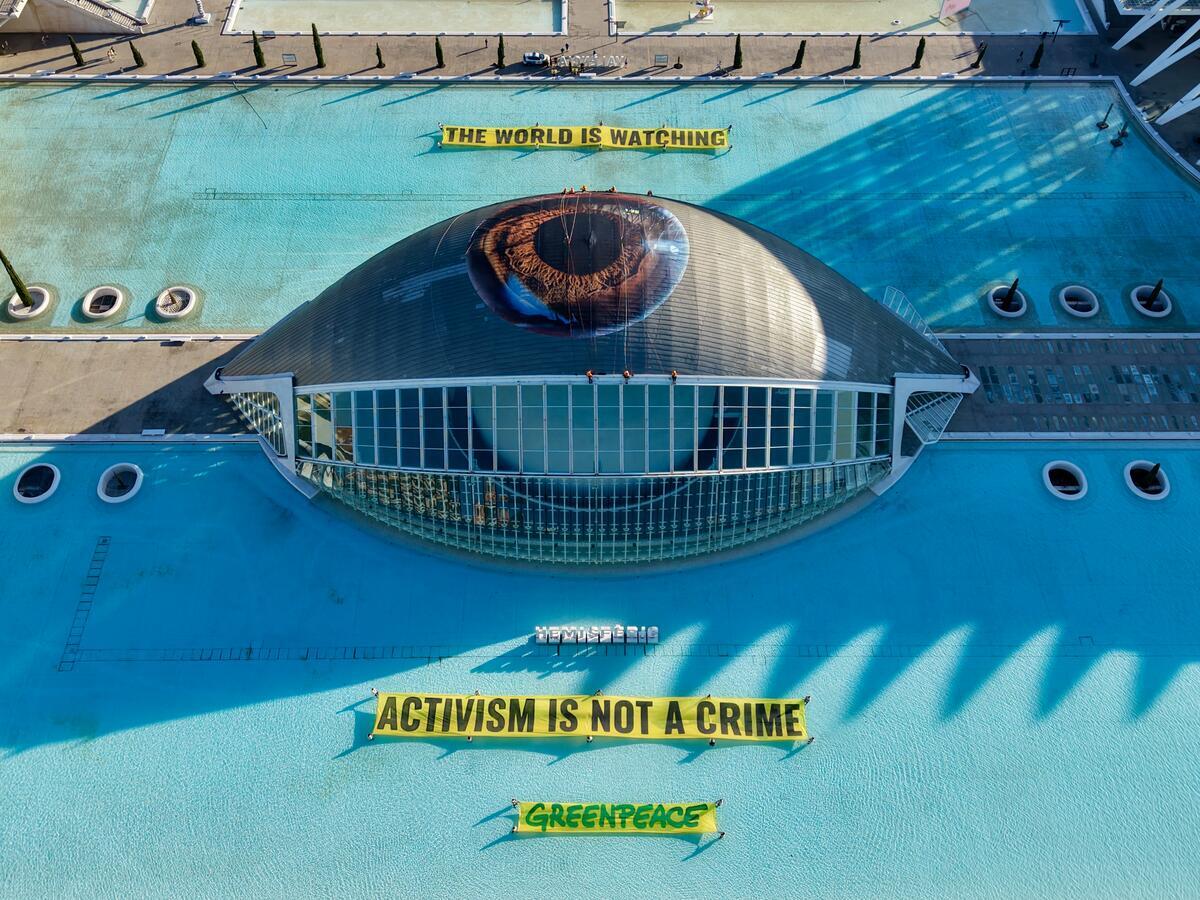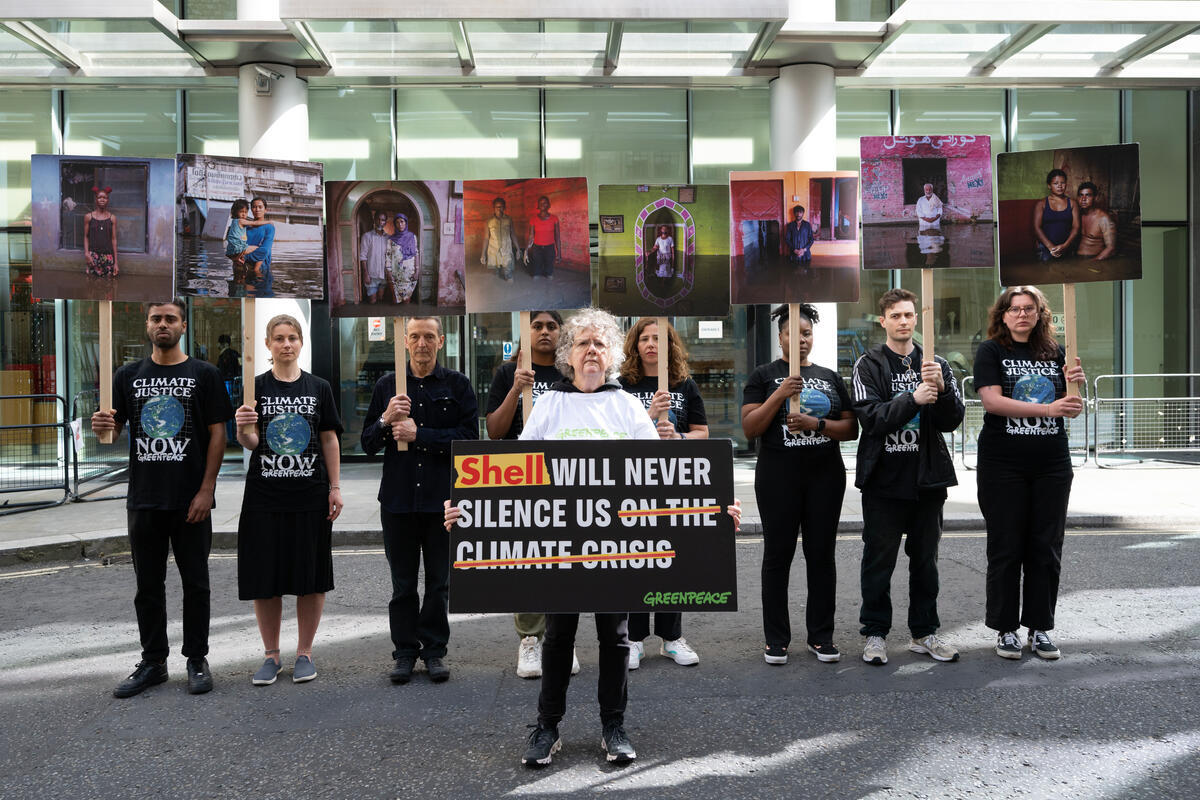

2023 was the hottest year on record with devastating consequences that are felt all across the world. It can be easy to despair as climate action is not keeping up pace but the year has had its share of wins in favour of Earth, thanks to the indomitable spirit and courageous actions of the many fighting for a better, fairer world.
We round up seven positive news stories from the global climate and environmental justice space to give us hope.
COP decision signals the end of the fossil fuel era

The COP28 climate summit in Dubai has sent an unprecedented signal to the world that the curtain has been raised for the end of the fossil fuel era, along with a call to massively scale up renewables and efficiency this decade. Nearly every country in the world had agreed to transition away from fossil fuels – a key driver of the climate crisis. It is a historical breakthrough in the 28 years of climate negotiations.
However, the decision had many loopholes and shortcomings, and lacked a clear call for a fossil fuel phase-out. The mission is far from over with still so much more to be done, not least a clear plan of implementation in a fair and fast manner.
Indigenous Peoples’ work, knowledge and practices recognised as the most effective tool for biodiversity protection

At the 15th UN Conference on Biodiversity (COP15) at the end of last year, a historic deal recognises Indigenous Peoples’ work, knowledge and practices as the most effective tool for biodiversity protection. Known as the Kunming-Montreal Agreement, it paves the way for Indigenous-led conservation models to become the standard for any real action on biodiversity.
Indigenous Peoples represent 5% of humanity but protect 80% of Earth’s biodiversity. The implementation of the Kunming-Montreal deal must respect their territories, ensure their rights and their free, prior and informed consent ─ according to the UN Declaration on the rights of Indigenous Peoples ─ and their effective participation in decision making.
The UN agrees on a new Global Ocean Treaty
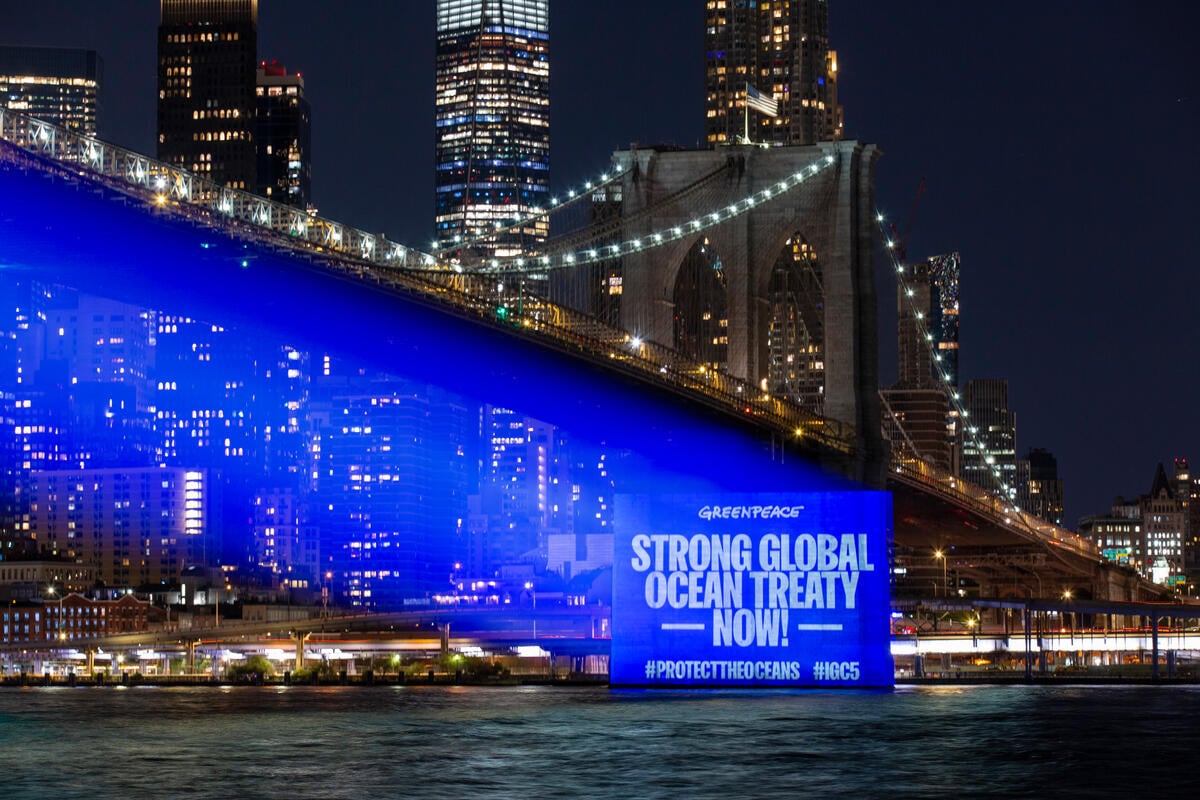
In March 2023, history was made when the UN finally agreed on a new Global Ocean Treaty that will pave the way to protecting the oceans, after almost two decades of negotiations. The new Global Ocean Treaty opens the door to the creation of a network of sanctuaries across the globe – areas where fragile ecosystems and marine life can recover and thrive.
In June 2023, the Treaty was formally adopted in New York and in September 2023, several countries signed the Treaty showcasing their commitment to ratify (more than 80 have signed since) and protect at least 30% of the ocean by 2030. The mission is now to put the Global Ocean Treaty in the strongest possible use without delay!
Stepping up against deep sea mining
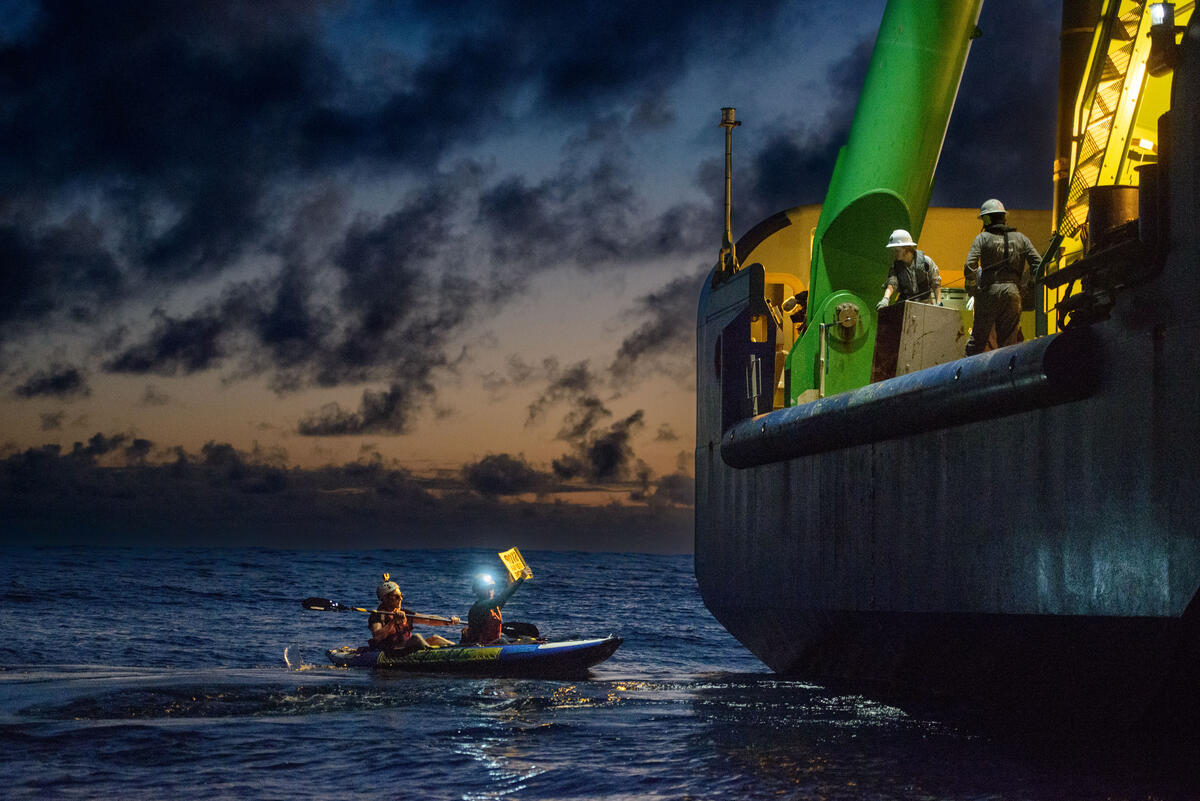
In July 2023, the highly controversial deep sea mining (DSM) industry failed to get a green light to start, with Greenpeace mobilising enough opposition to ensure the industry’s high-stakes bet backfired. Governments at the UN’s International Seabed Authority (ISA) resisted the commercial pressure to agree to a ‘mining code’ and voiced clear political opposition to allowing DSM to start in the short term.
When Greenpeace started ramping up against DSM in October 2022, 8 nations had supported a moratorium on this destructive practice. One year later, the number of governments calling for a halt on this industry has tripled, thanks to Greenpeace offices that have played a pivotal role in campaigning to win political commitment, especially amongst historical pro-mining governments like Canada, Brazil, UK and Mexico.
Luxury emissions and private jets under the microscope
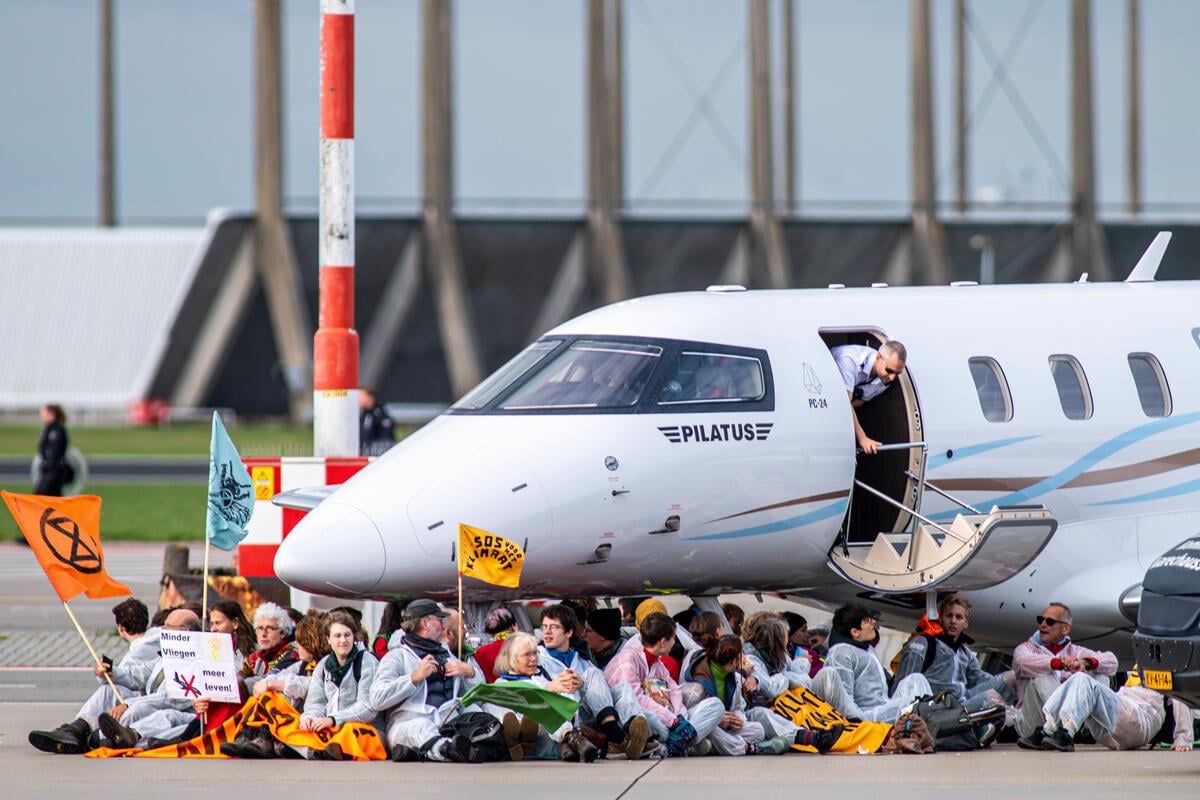
This year, luxury emissions and private jets were put under the microscope and into the international agenda for change. Together with allies, Greenpeace pressure has resulted in a wave of political change throughout the EU with Austria, France and the Netherlands calling on the EU to toughen laws on jet travel. For the first time, a regulation of private jets was discussed at an EU Transport Council Meeting.
In April, Schiphol proposes a ban on private jets, after a campaign by Greenpeace Netherlands and other groups, and Belgium introduced a tax on private jets & short-haul flights. In July, Portugal announced a carbon tax on private flights.
The next step is to spread this ban across the world. Private jets are the most polluting and unequal form of transport. Banning them is a matter of justice.
Climate change and human rights issue referred to the world’s highest court
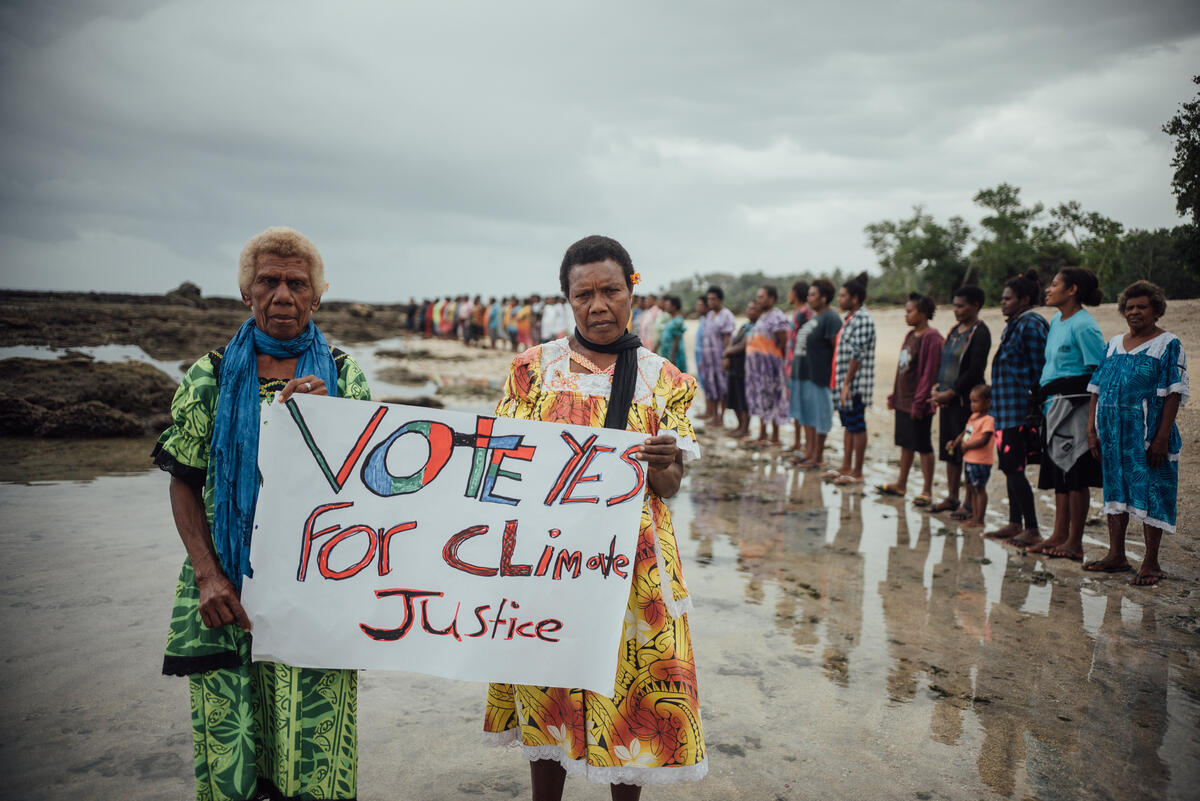
In a historic first for climate justice, on 29 March, the United Nations General Assembly (UNGA) asked the International Court of Justice (ICJ) to issue an advisory opinion on countries’ duties to protect human rights from the climate crisis; and the legal consequences under international law for countries who breach those duties.
A group of law students now known as Pacific Islands Students Fighting Climate Change (PISFCC) had initiated the case to the United Nations before it was taken up by the Vanuatu Government. Greenpeace worked closely with PISFCC, WY4CJ and other civil society organisations to garner the support of UN member countries around the world. This is a story of love, solidarity and an idea that has grown from a grassroots campaign to a global movement.
Peaceful public protest is a right
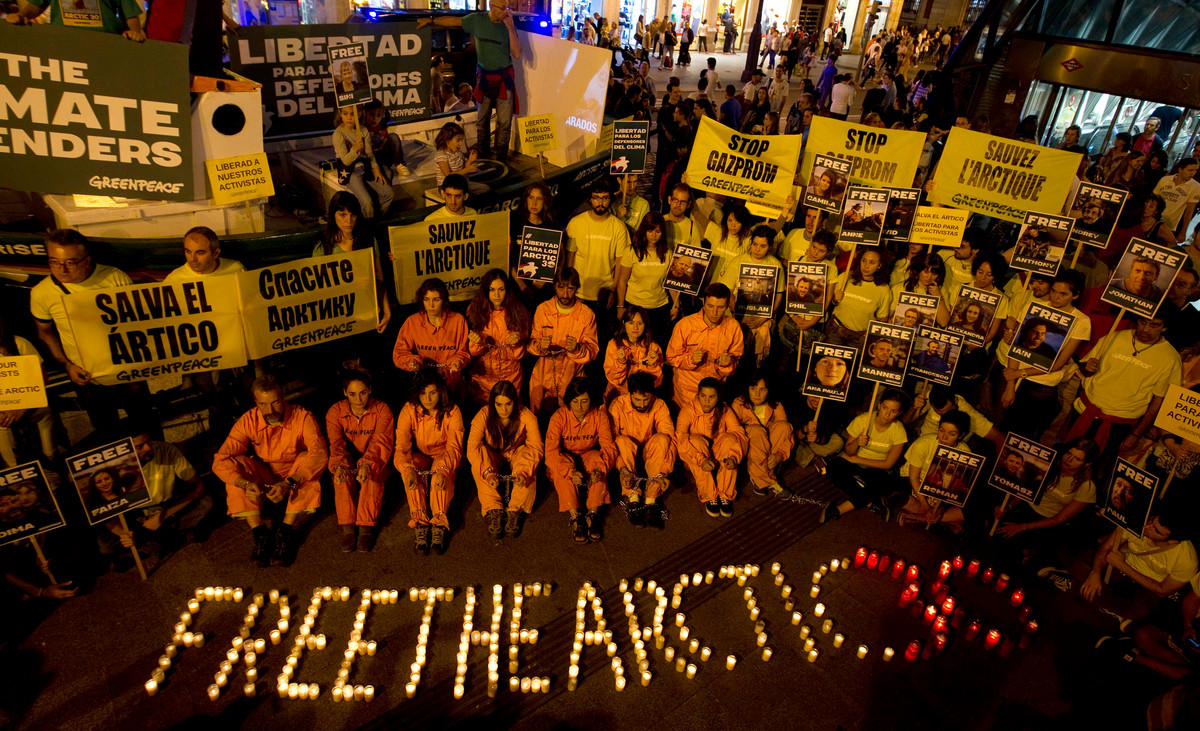
On 27 June 2023, the European Court of Human Rights issued its ruling in the long-running case of the Arctic 30 v Russia, finding that Russian authorities arbitrarily detained the 28 Greenpeace activists and two freelance journalists and violated their right to freedom of expression.
In September 2013, the group who became known as the Arctic 30 were detained on suspicion of piracy after Russian commandos boarded the Greenpeace ship Arctic Sunrise and seized the ship, following a protest against Arctic oil production at the platform Prirazlomnaya in the Pechora Sea, off Russia’s north coast. They spent two months in detention centres in Russia before being released on bail and finally freed altogether and allowed to leave the country.
In another landmark victory, a Dutch court had ruled that Greenpeace can carry on with their peaceful protest at sea against a ship used by the deep sea mining industry, which they have already been disrupting for over 200 hours in the Pacific Ocean.