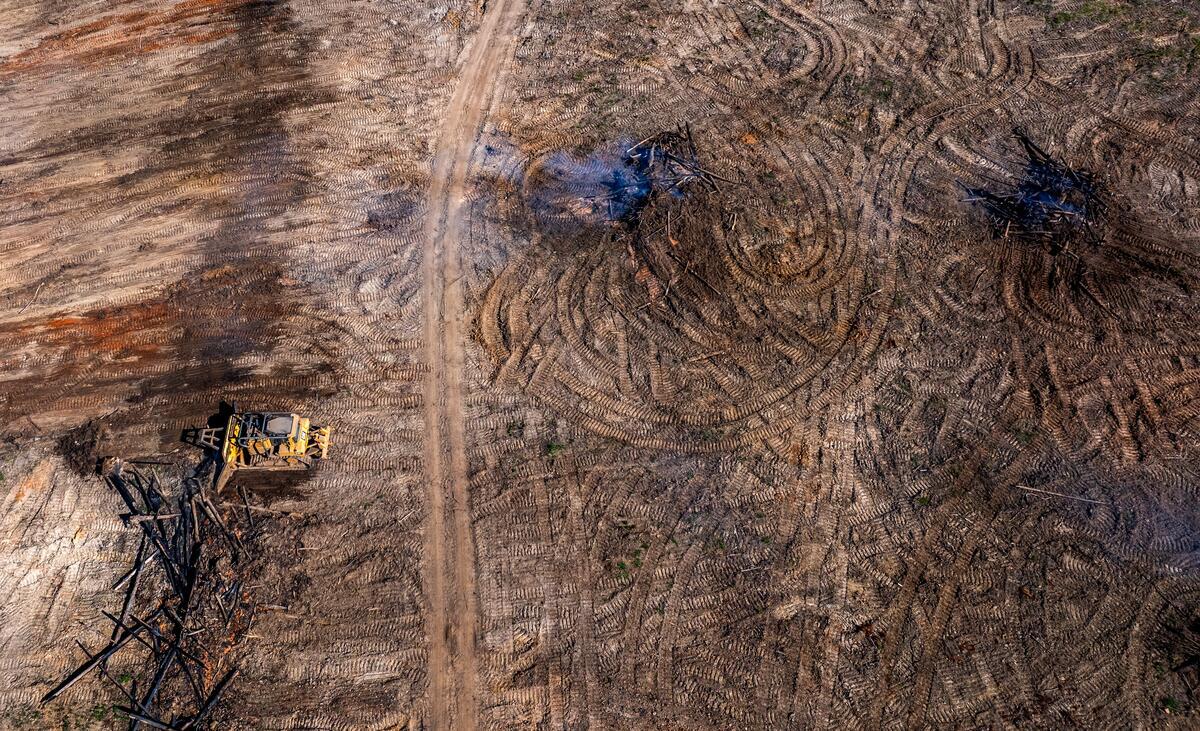
Fires may be lower this year, but the Amazon is still being deliberately cleared for profit.
For decades, fires have been set in order to renew farmland and pastures, or to clear new areas, most often for cattle. This is not a natural disaster. It is part of a production chain that prioritises Big Ag profits over people, forests, and the climate. In 2024, the Amazon recorded its largest burned area in 40 years: 15.6 million hectares, 117% above average, according to MapBiomas. While 2025 fires are predicted to be calmer, thanks to preventive efforts by the Brazilian government and due to a milder climate, the destructive system that fuels these crises is still in place.
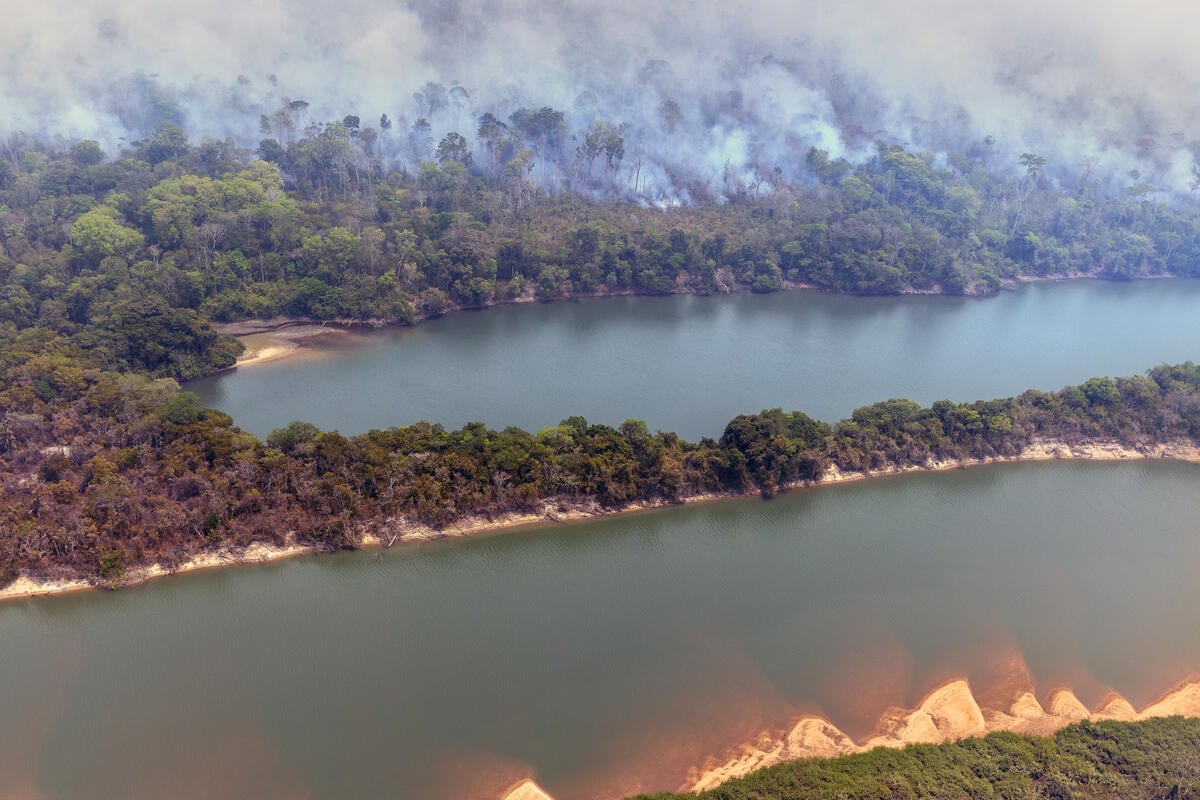
Who profits when the Amazon burns?
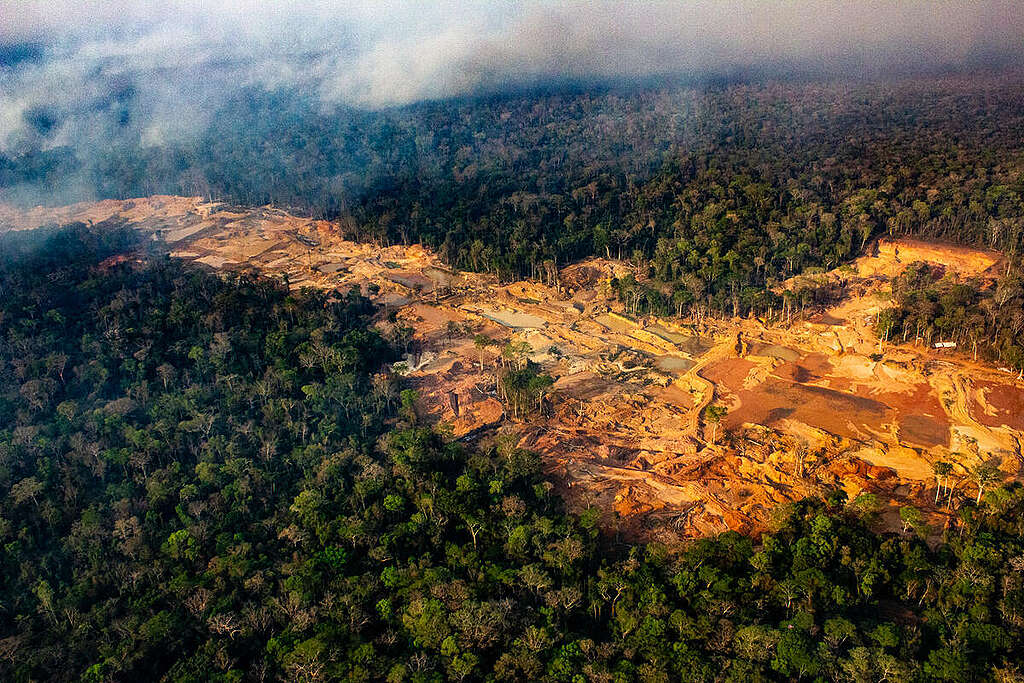
The number one cause of Amazon deforestation is pasture expansion for meat production. Big Ag companies like JBS, the world’s largest meat company, are strongly associated with deforestation risks through their supply chains.
- JBS bought cattle from the area with the highest number of fires in the Amazon, according to an investigation by Repórter Brasil.
- According to Mighty Earth, JBS failed to act on deforestation alerts for 59 cattle ranches. On 22 of those farms, clearance continued — adding another 18,458 hectares of deforestation as of late 2023.
The Pantanal, one of Earth’s richest wetlands, is also being consumed by fire. A recent Greenpeace International report reveals that nearly 120,000 km² of the Pantanal burned between 2019 and 2023, mostly driven by illegal land clearing for cattle ranching. Companies like JBS profit, while frontline communities suffer loss of homes, livelihoods, and ecosystems.
It’s not just trees, it’s lives!
Forest fires don’t just destroy biodiversity. They damage health, threaten livelihoods, and violate the rights of Indigenous Peoples and Local Communities (IPLCs).
People on the frontlines continue to defend the forest, often at great personal risk, to protect what’s left:
- Wildlife rescuers work day and night to save animals from the flames.
- Doctors and community leaders fight to keep their families safe from toxic smoke.
- Forest-friendly farmers are building alternatives through agroecology, growing food without destruction.
There is another way
The Amazon doesn’t have to be a sacrifice zone for meat production. Agroecology, Indigenous and Local Communities’ leadership, and local solutions are already working. What’s missing isn’t just public policy; it’s accountability. While some governments are stepping up, too many private investors and financial institutions still fund destruction instead of protection.
The Greenpeace Brazil dossier makes it clear, Big Ag giants have made repeated climate and deforestation promises. But these pledges lack transparency, credible action plans function more as corporate PR than genuine solutions.
The choice is simple: Whose side are you on?
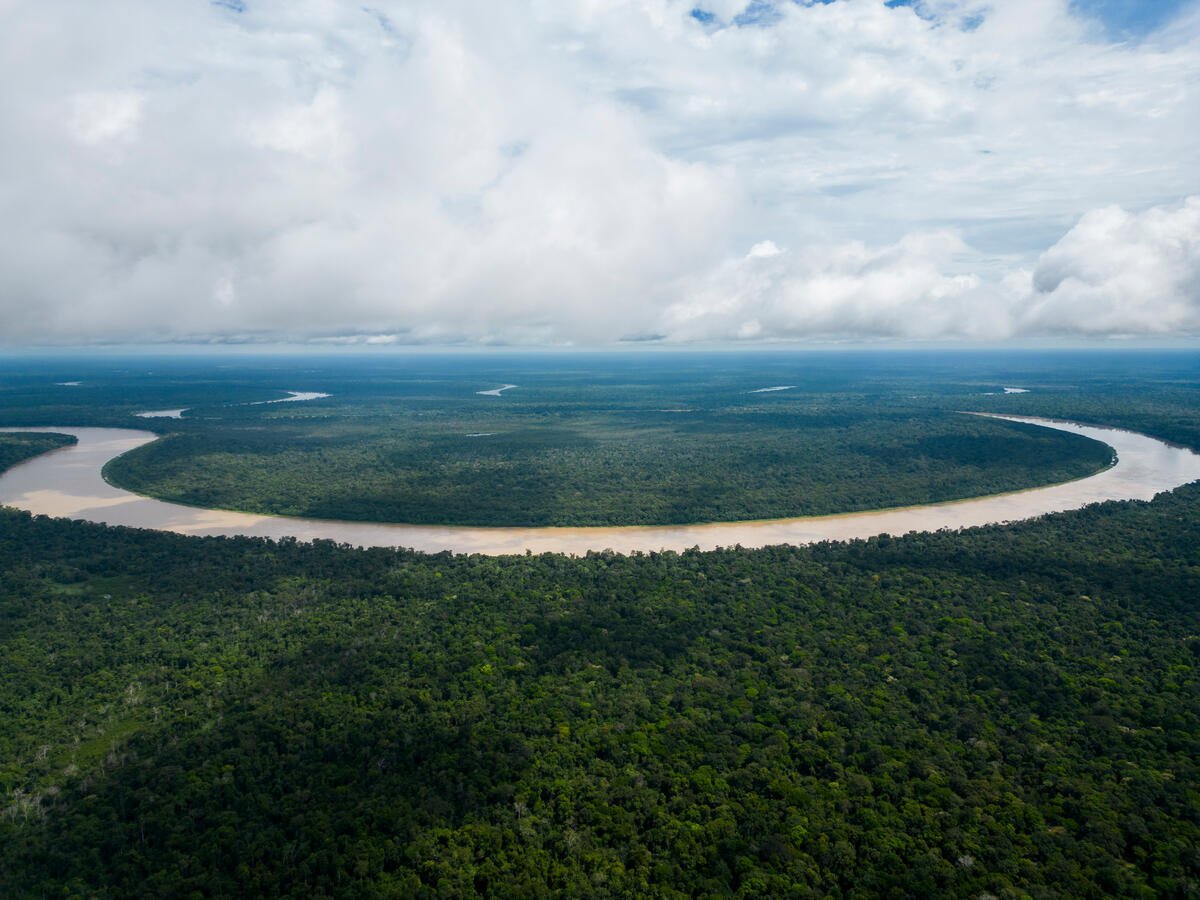
Do we keep letting billionaires profit from forest loss? Or do we stand with the people defending the Amazon for everyone?
Alessandro Saccoccio is the Respect the Amazon Project Lead at Greenpeace International.