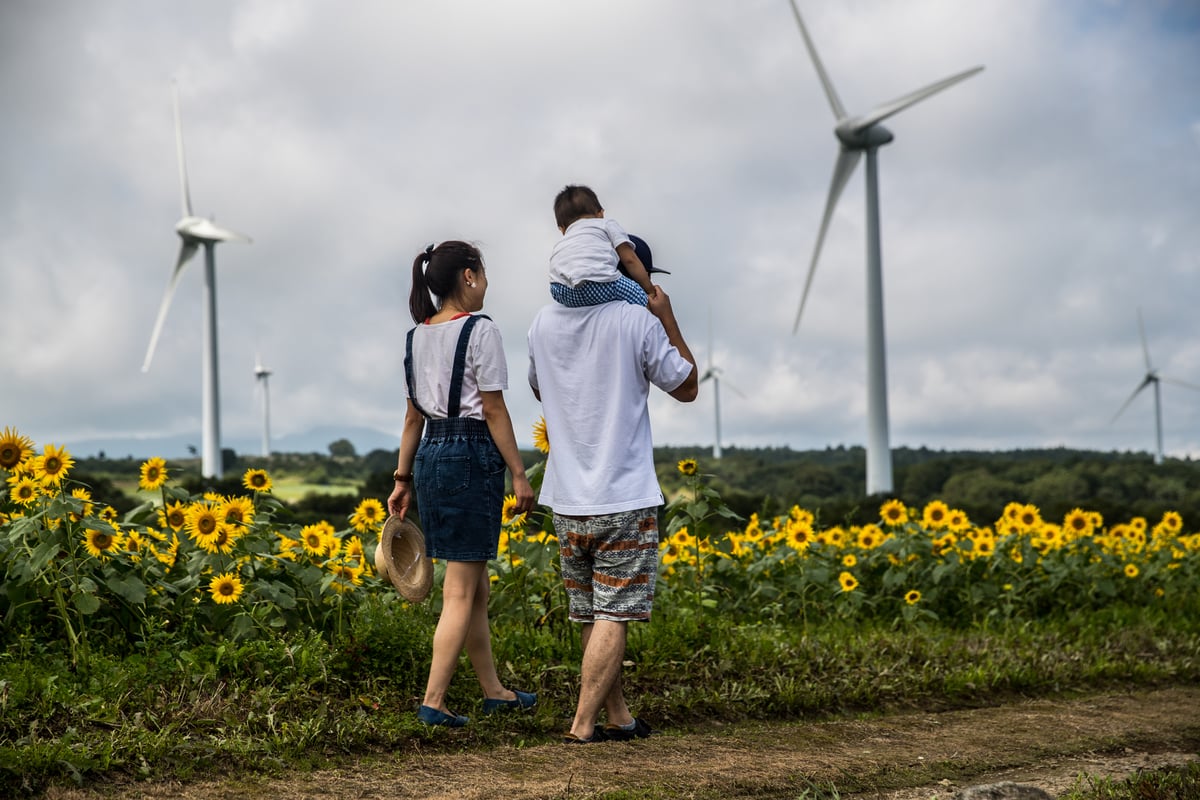
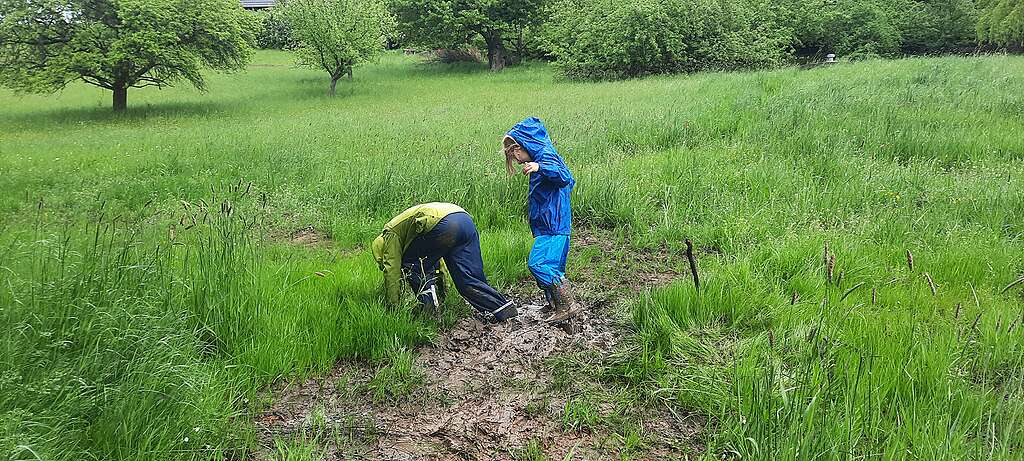
I am the mother of two funny and charismatic little kids who love being in nature. They love to run in the forest and play in the mud, collect slugs along the way and bike through puddles. Above all things, I care for their wellbeing. Like most parents, all I want for my kids is to have a safe and peaceful place to grow up in. For them to eat healthy food free of toxic pesticides, and breathe fresh air that doesn’t harm their little lungs. I want our climate to become stable and my kids to be protected from any impacts of extreme weather like storms, heat waves or heavy rains. I want them to experience the joys of growing up like I did, with a sense of security about the future.
Instead, we are living in times where it can be difficult to feel a sense of security as to what the future holds for them.
The real impact of extreme weather on families
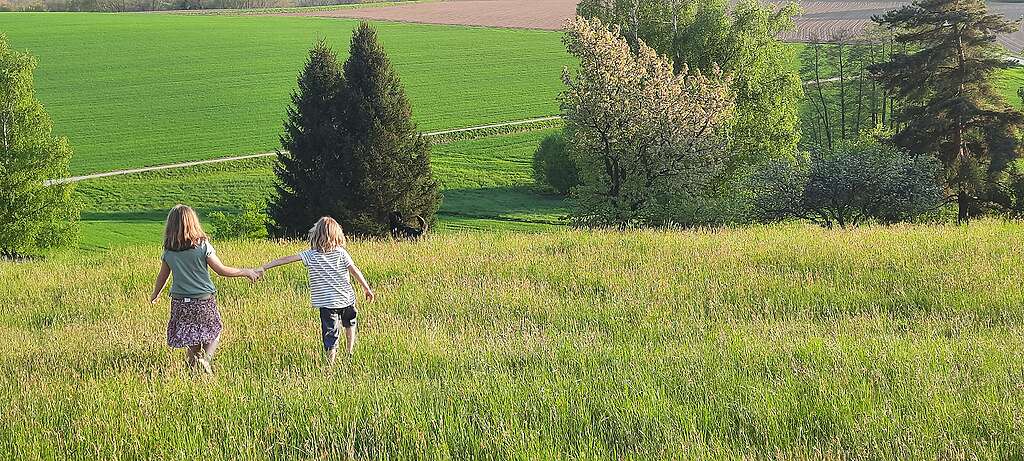
Over a year ago, in Austria, the region where I live was affected by heavy floods. Water was dripping from our basement walls. After an intense week of heavy rain, soggy soil and storms, our hundred-year-old apple tree fell like a toothpick. My kids were sad to see the majestic apple tree fall and anxious about the long-lasting rain. We feared for our friends living down the hill, who were affected even worse.
To me and my family, it is more than obvious that these extreme weather events are becoming more frequent and severe. I hold my heart imagining what an increasingly hotter planet will look like for our kids, how biodiversity collapse might impact their food security, how this might affect their friends and community. I can only imagine how parents in other parts of the world, where the situation is even worse, might feel. And I am very aware that the window to act on the climate and nature crisis is shrinking each year.
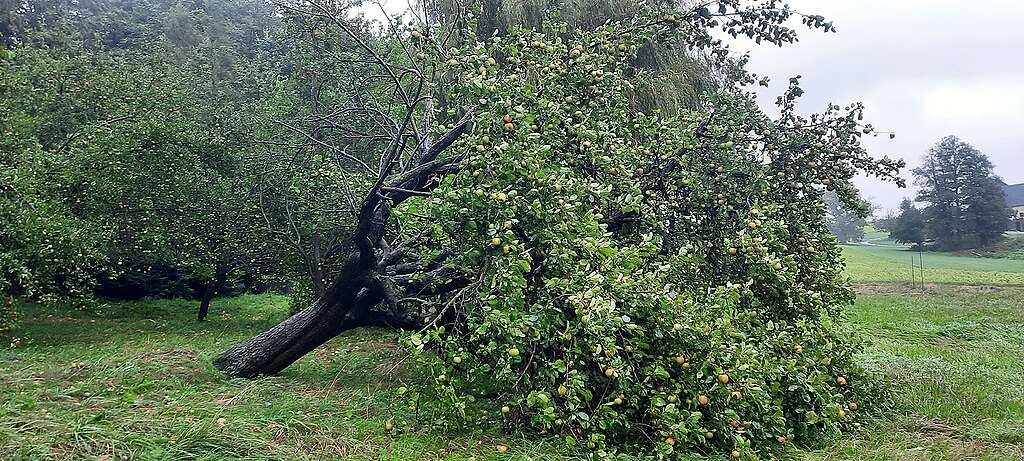
‘We do not inherit the earth from our ancestors. We borrow it from our children.’
Given the obvious urgency, you might assume our politicians are trying all they possibly can to prevent worse, right? Sadly, the opposite is true. A liveable planet and caring for our kids’ wellbeing seems out of fashion and not popular these days. Instead of putting the interests of our most precious little ones at the heart of meaningful climate laws and restoring nature to protect us against the next flood, I only hear politicians say there is no money for all of that.
Really? No money for solutions that will keep our kids safe? No money for climate action, green housing and other basic social services that guarantee social security?
Debunking the “no money” excuse for climate funding
This narrative deployed by many politicians is not only handy for defending their own failure in protecting us, it also benefits one small, but very powerful group in society – the billionaires and the super-rich. A recently published Greenpeace Africa report showed that a very small group of ultra-rich individuals is linked to climate damage, driven by their financial investments in highly polluting industries like oil and gas, and their carbon-intensive lifestyles – think private jets. The report shows that the richest 0.01% – that is a tiny fraction of the world’s population – is estimated to have nearly US$1 trillion in annual climate debt.
Now, if the very super-rich were taxed according to the climate damage they are estimated to have caused, wouldn’t there be enough money to work on protecting our kids and secure a stable planet we all need to survive?
Why taxing the super-rich is common sense
We all pay taxes on our hard earned income and they form the super powers of our society. This is how we fund our fire fighters helping us against forest fires, but also how we fund our schools and hospitals. Taxes are how we fund more resilience against floods, or in an ideal scenario, halt the climate crisis.
If we are serious about making the urgent changes needed to secure a liveable Earth, from transitioning to 100% renewable energy in affordable green homes that protects people from extreme heat and cold to ensuring ecological food systems and guaranteeing essential services for everyone, then taxing billionaires and the super-rich is inevitable.
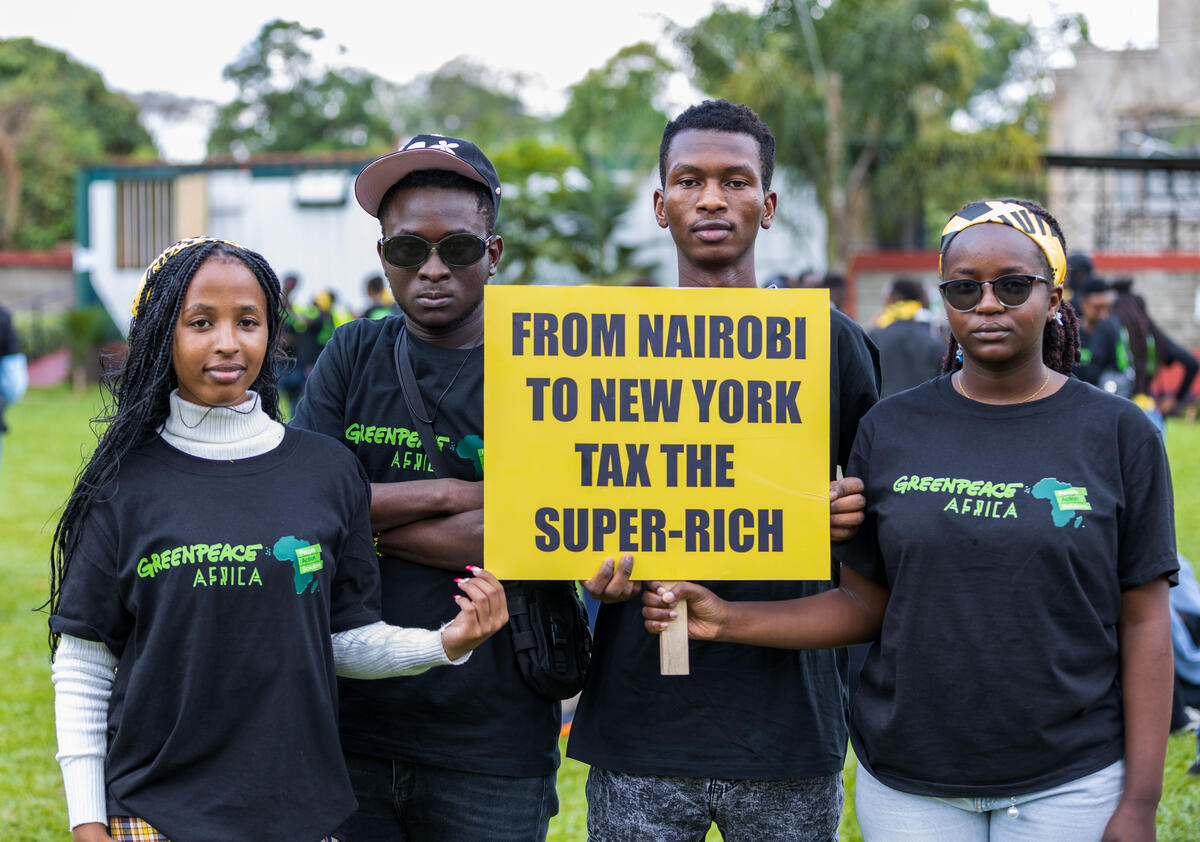
This is not a nice to have, it is a must have, and it can unlock trillions each year to fund climate action and protect nature. Even the super-rich themselves want to systemically contribute more fairly, as over 400 millionaires and billionaires from 24 countries, among them Hollywood actor Mark Ruffalo demanded earlier this year. They understand it is their responsibility to contribute their fair share and that it is totally unacceptable global leaders keep on ignoring what a broad movement of people are demanding: we urgently need new people-centric global tax rules to guarantee our ability to lead healthy, happy and dignified lives on a healthy planet.
Breaking through the concrete
Funding a just and green future for all will ensure stability and peace. And above all we need a stable climate and thriving ecosystems, dignity and democracy, to pass down a sustainable and flourishing planet to the next generations.
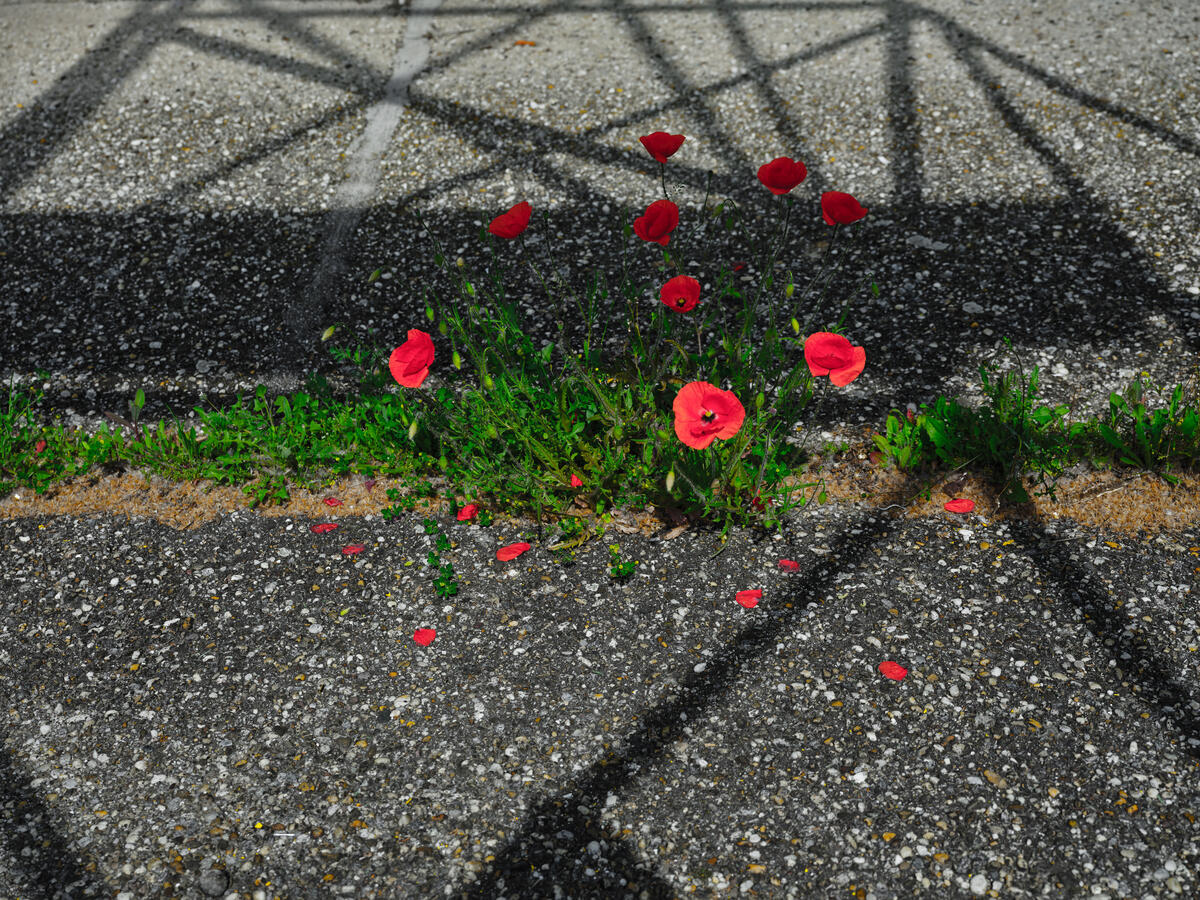
My 9-year-old daughter loves a song that she loudly sings along to: “Don’t wait for wonders, we’ll create them ourselves. Our future breaks like flowers through concrete”. As parents we owe it to our kids to indeed not wait for wonders, but do all we can now to make their future flourish.
Christine Gebeneter is a communication specialist with the EU Socioeconomic campaign, with Greenpeace Central and Eastern Europe
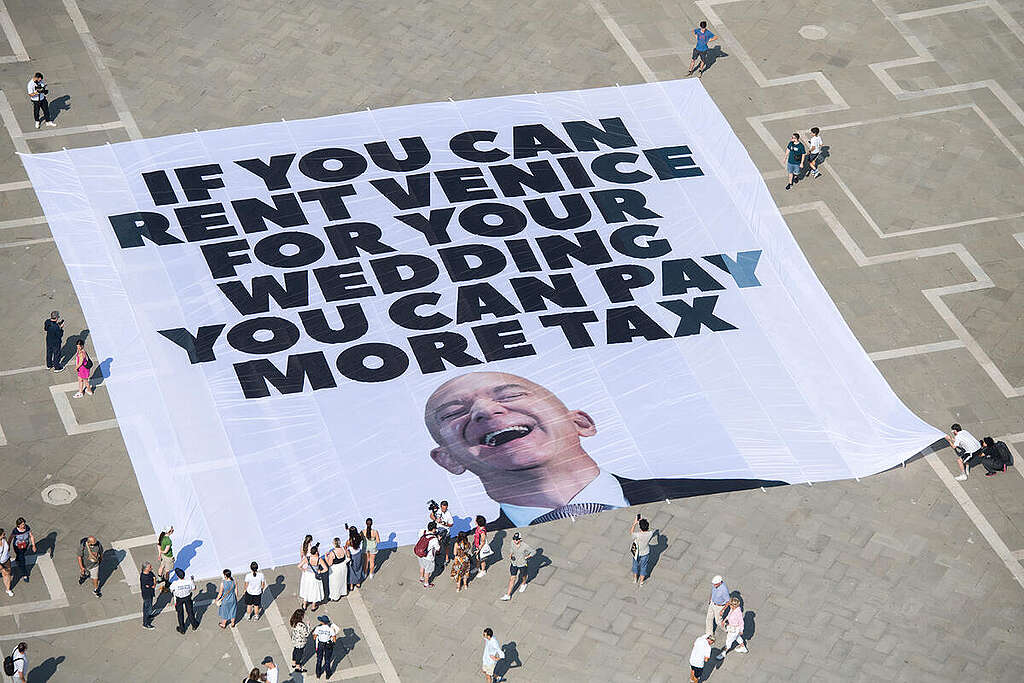
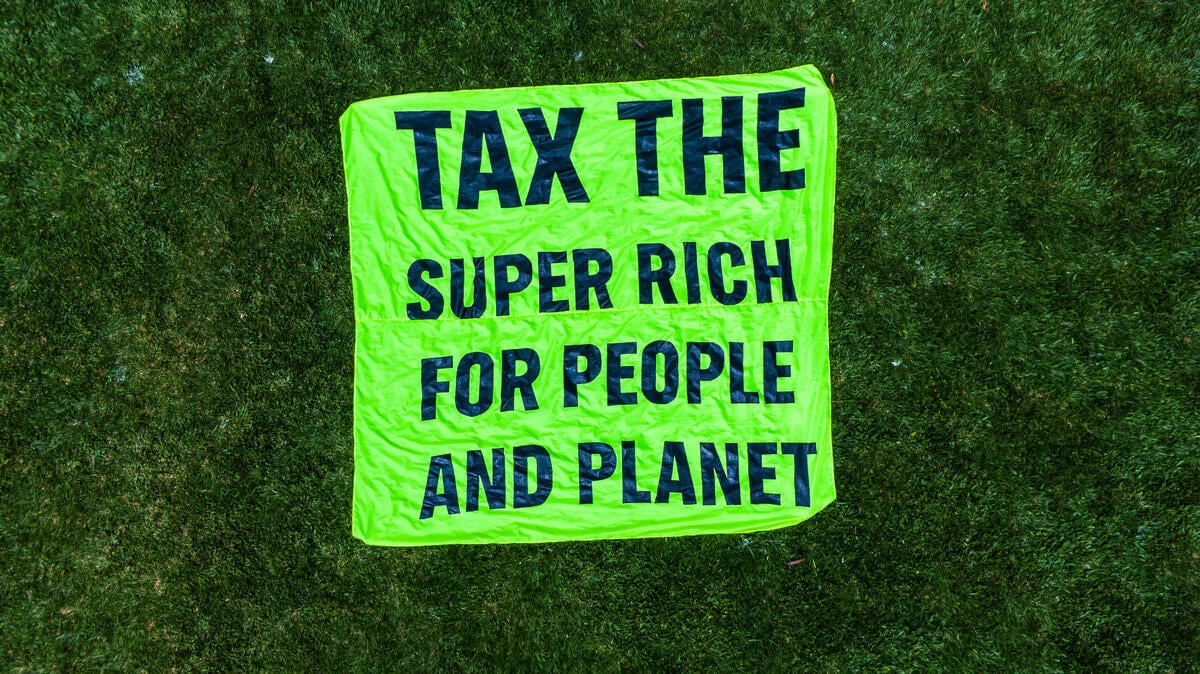
Together, let’s urge governments to tax the super-rich and fund a green and fair future.
Add your nameKey takeaways from Greenpeace Africa’s report:
A June 2026 report released by Greenpeace Africa, Understanding the climate debt of extreme wealth, shows that the climate crisis is also a crisis of wealth concentration, where highly unequal ownership of carbon-intensive capital and investment structures drives highly unequal climate impacts.
What is climate debt?
‘Climate debt’ refers to the estimated monetised climate damages associated with emissions that exceed an equitable share of the remaining carbon budget consistent with a 1.5°C pathway.
Who is most responsible for the global climate debt?
Climate debt is highly concentrated at the very top of the global wealth distribution. As wealth concentration increases, so too does the scale of associated climate debt.
What is the difference between “consumption-based” and “ownership-based” emissions?
Ownership-based emissions (linked to investment portfolios and capital holdings) are considerably more concentrated among the wealthiest groups than consumption-based emissions, highlighting the growing role of capital ownership and investment structures in driving highly unequal climate responsibility.
Where is the geographical mismatch between wealth and climate vulnerability?
Ownership-based climate responsibility and extreme wealth concentration are heavily condensed among wealthy groups and some jurisdictions, while the countries facing the greatest climate vulnerability, climate damage, or climate finance needs are often located elsewhere.
What does this mean in terms of policy implications?
Existing climate and fiscal policy frameworks need to engage more directly with the role of extreme wealth concentration and the impacts this wealth has through ownership structures and carbon-intensive investments in driving climate breakdown.