
All articles
-
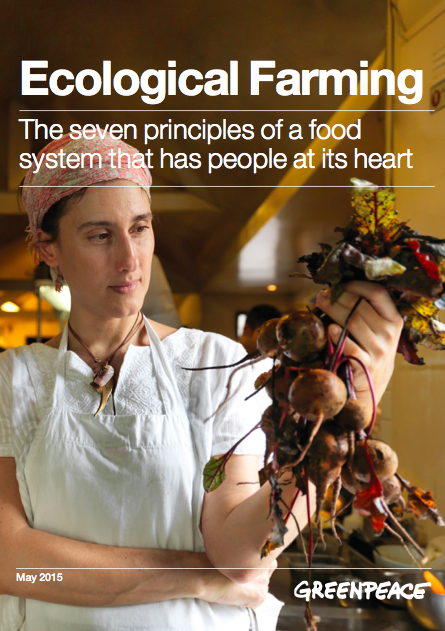
Ecological Farming
We are living with a broken food system. It needs to be replaced urgently for the benefit of all people, and the planet. Greenpeace's Food and Farming Vision describes what Ecological Farming means, and how it can be summarised in seven overarching, interdependent principles – based on a growing body of scientific evidence.
-
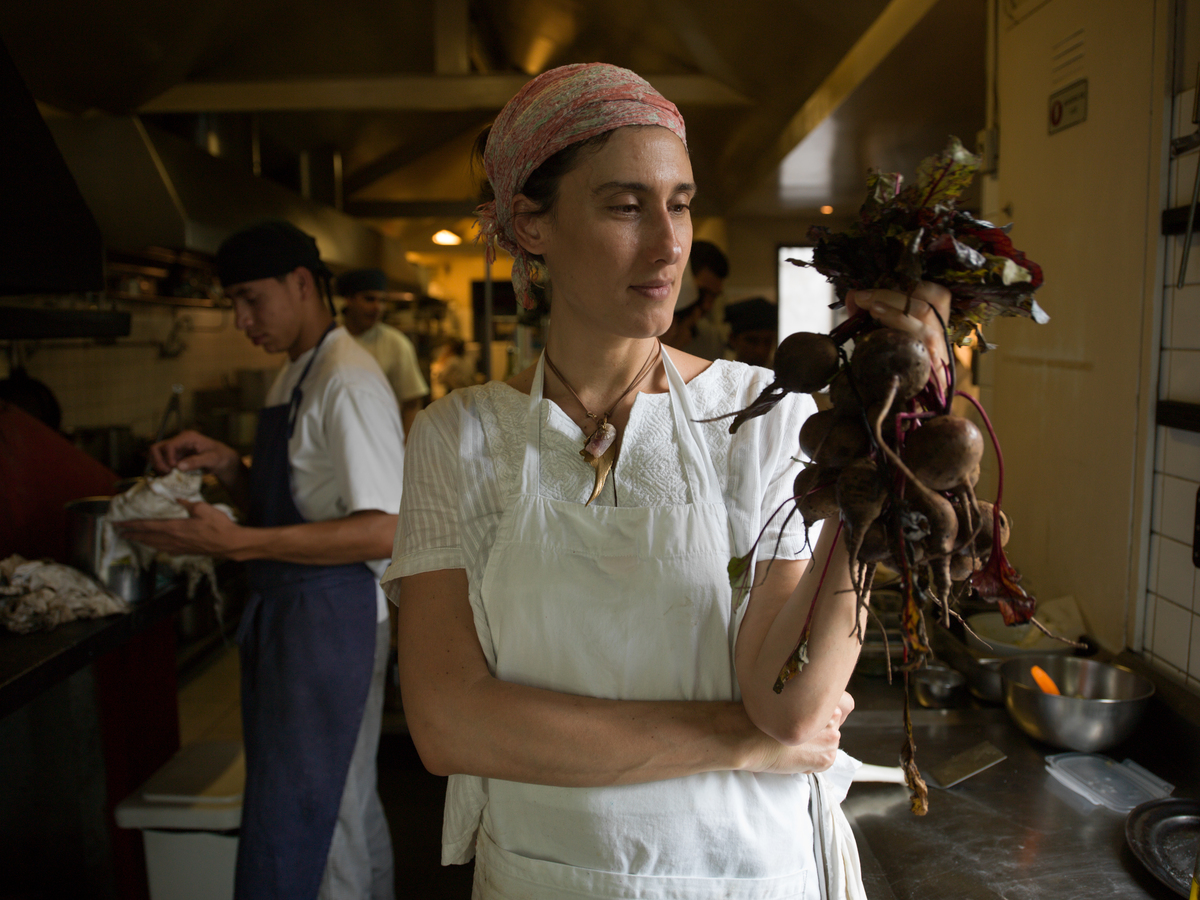
Greenpeace demands scale up of ecological farming
Amsterdam, 18 May, 2015 – Ecological farming, a path towards an agricultural model that protects the environment and secures farmers' livelihood, has been mapped out in a Greenpeace report released today. It is a system based on the latest scientific innovations and produces healthy food while working with nature.
-
Clicking Clean
While there may be significant energy efficiency gains from moving our lives online, the explosive growth of our digital lives is outstripping those gains. Publishing conglomerates now consume more energy from their data centers than their printing presses. Greenpeace has estimated that the aggregate electricity demand of our digital infrastructure back in 2011 would have…
-
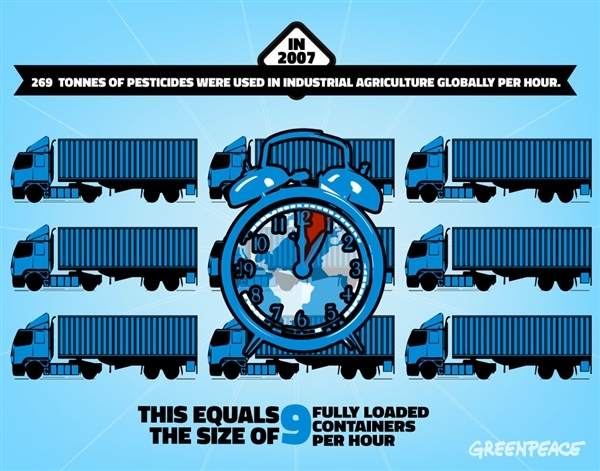
When industrial food fails us, it’s time to change the food system
The current food system is broken. We all see how industrial and chemical intensive food production impacts on people and farmers, the planet and animals.
-

From Bangladesh to the world: Who made my clothes?
Two years ago today, one of the worst industrial incidents took place in Dhaka, the capital of Bangladesh. Over 1,000 people died and over 2,500 injured when Rana Plaza, a clothing factory supplying global fashion brands, collapsed.
-
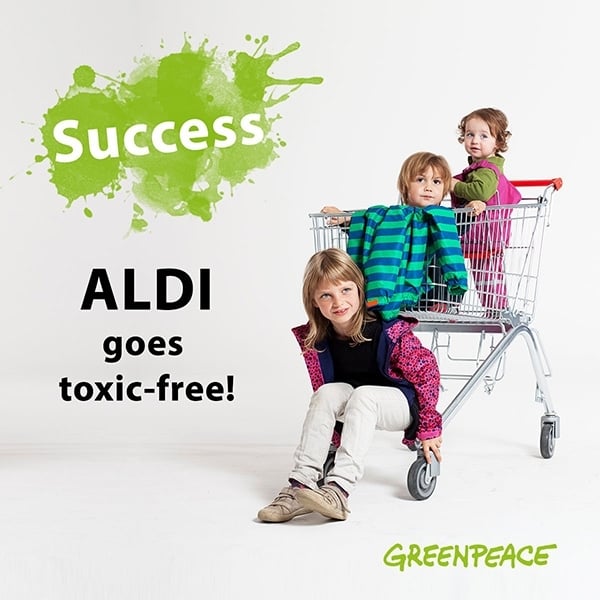
Aldi commits to Detox
Aldi, one of the top ten retailers in the world, has joined the Detox movement and committed to eliminate all hazardous chemicals from their textile products by January 1st, 2020.
-
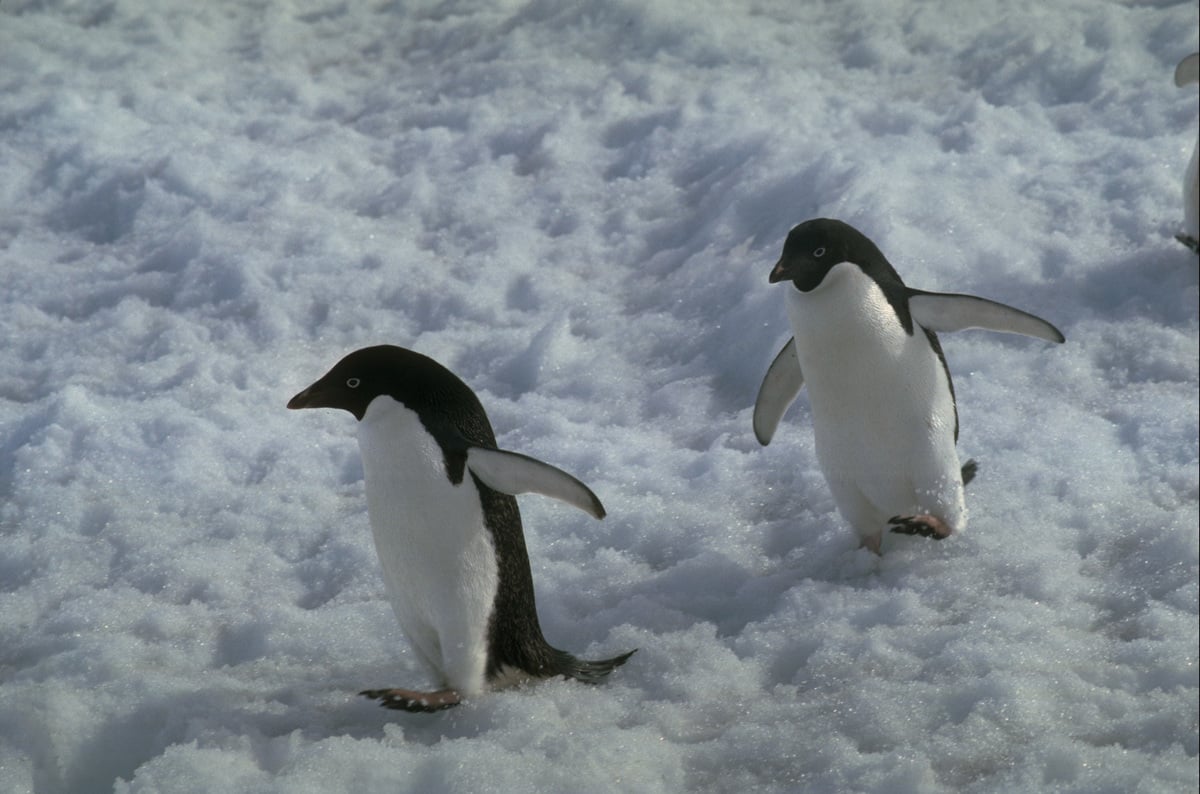
Krill-gotten gains to fund Antarctic research
Scientific research and conservation need more cash. That's sadly usually true. It's especially the case in the Antarctic where research is expensive but absolutely essential given the massive environmental changes happening there.
-
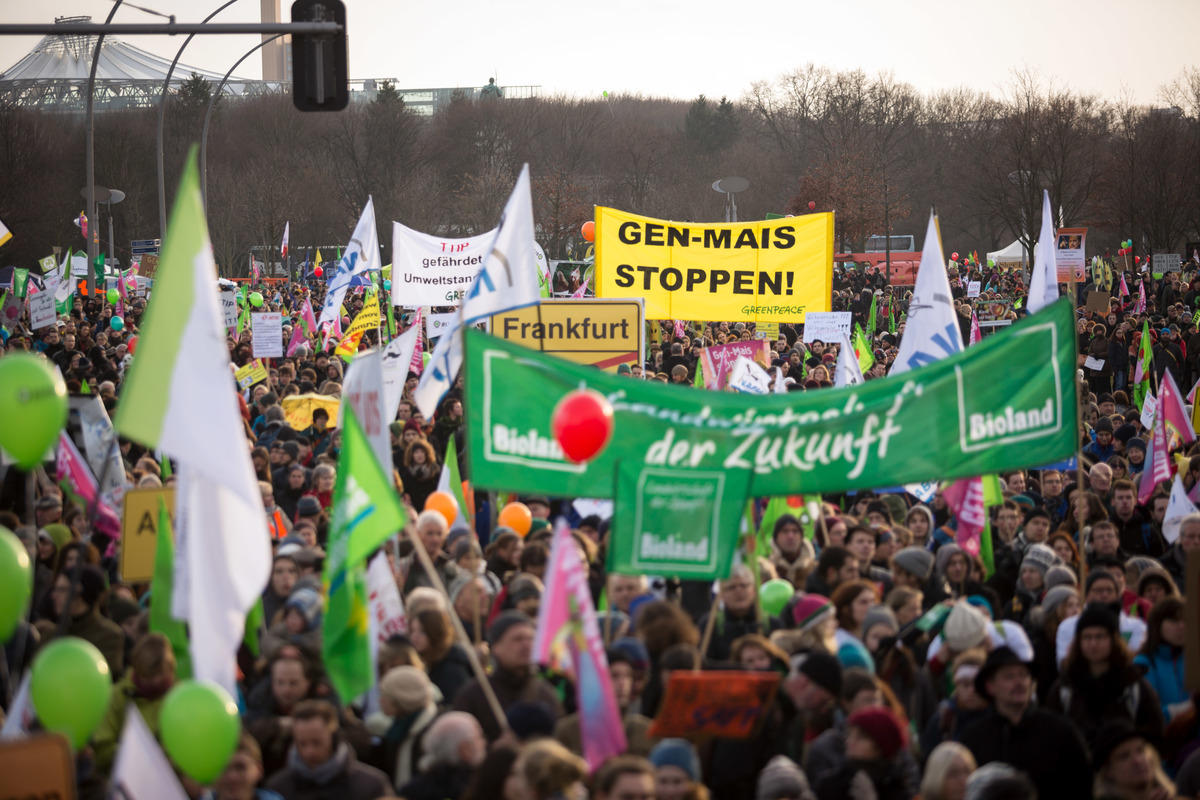
Food movement on the march
I joined the march against agribusiness in Berlin on Saturday, 17 January. It is too easy to be blasé about yet another demonstration. However, the large turnout of tens of thousands of people of all ages during a winter day was good for me.
-
Green Gadgets: Designing the Future
Today, more and more people around the world rely on laptops, phones and tablets as an essential part of their everyday lives. However, the rate at which they purchase and discard these devices is having a serious impact on our planet.
-
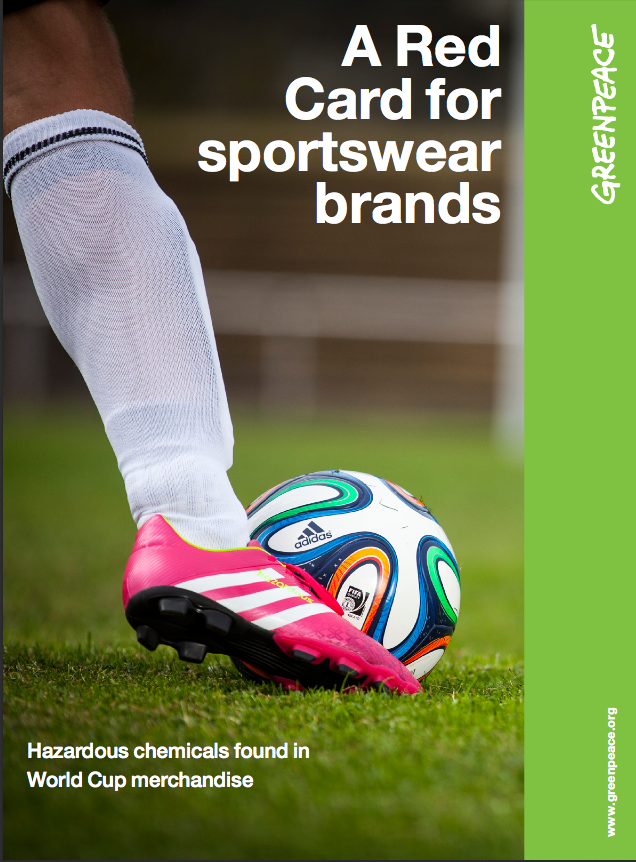
A Red Card for sportswear brands
This study follows on from several previous investigations published by Greenpeace as part of its Detox campaign, which identified that hazardous chemicals are present in textile and leather products as a result of their use during manufacture. This is the first study that has specifically focused on football kit; the products bought were all manufactured…