
All articles
-
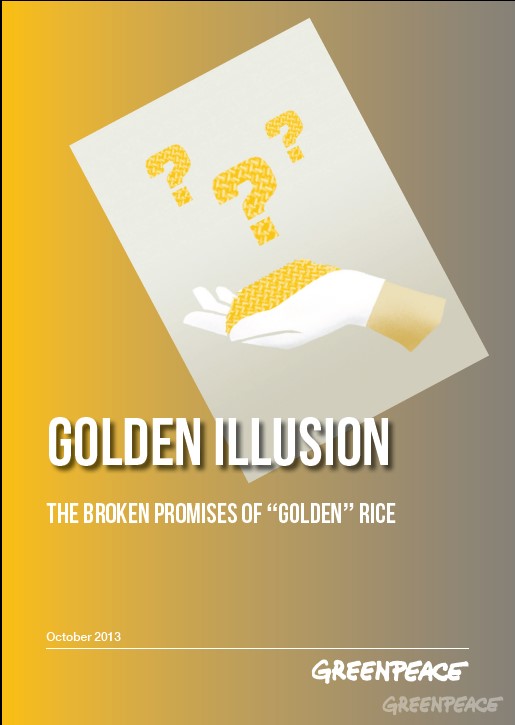
Golden Illusion
GE 'Golden' rice is a genetically engineered (GE, also called genetically modified, GM) rice variety developed by the biotech industry to produce pro-vitamin A (beta-carotene). Proponents portray GE 'Golden' rice as a technical, quick-fix solution to Vitamin A deficiency (VAD), a health problem in many developing countries.
-
Oceans in the Balance
Every second breath we take comes from the ocean. Billions of people rely on our oceans for their food and for employment. In return, we are plundering the oceans of fish, choking them with pollution and altering them forever with the impacts of human-induced climate change.
-
The Need for a High Seas Biodiversity Agreement
The current way of managing the high seas puts short-term corporate interests before the long-term health of our oceans. Unless action is taken to restore and protect the health of our oceans, they will be unable to sustain life on Earth.
-
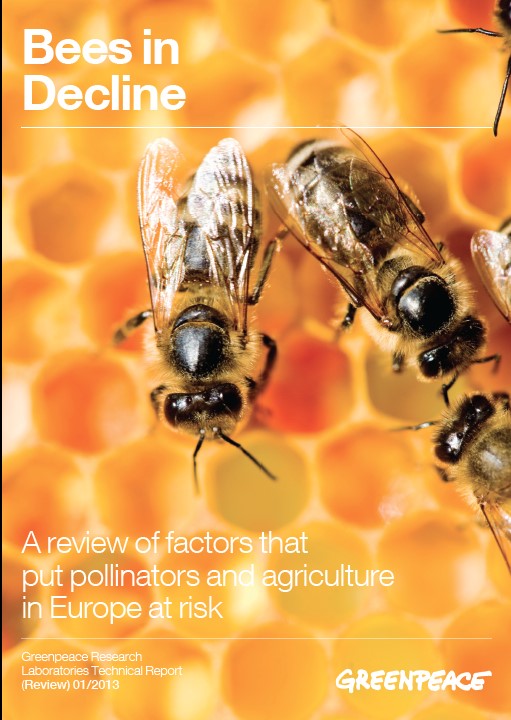
Bees in Decline
Honeybees and wild pollinators play a crucial role in agriculture and food production. However, the current chemical-intensive agriculture model is threatening both, and thereby putting food supply at risk.
-
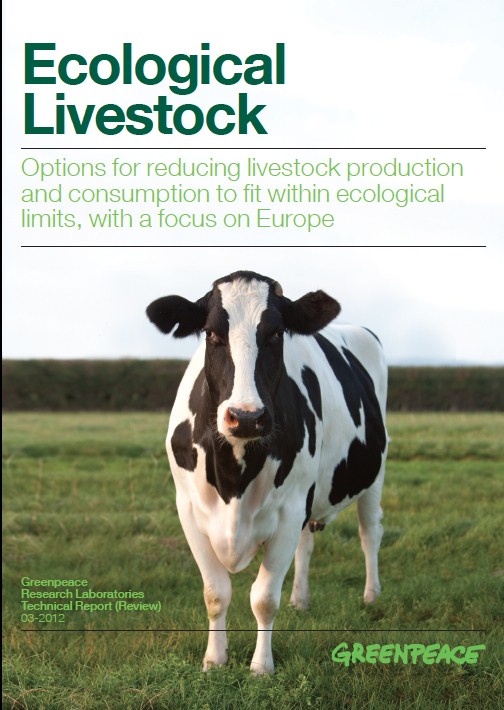
Ecological Livestock
Human pressure on the planet is reaching a scale that could compromise the stability of the Earth's systems. A group of influential scientists have recently identified nine planetary boundaries related to Earth-system processes and their associated thresholds, which – if crossed – could destabilise our living environment.
-

Protecting Antarctica, the heart of the ocean
For many people the Antarctic is little more than a far-away frozen region, literally at the edge of the world; with sterile glaciers, icebergs and colonies of not-so ‘Happy Feet’ penguins, buffeted for much of their lives in the extreme Antarctic wind.
-
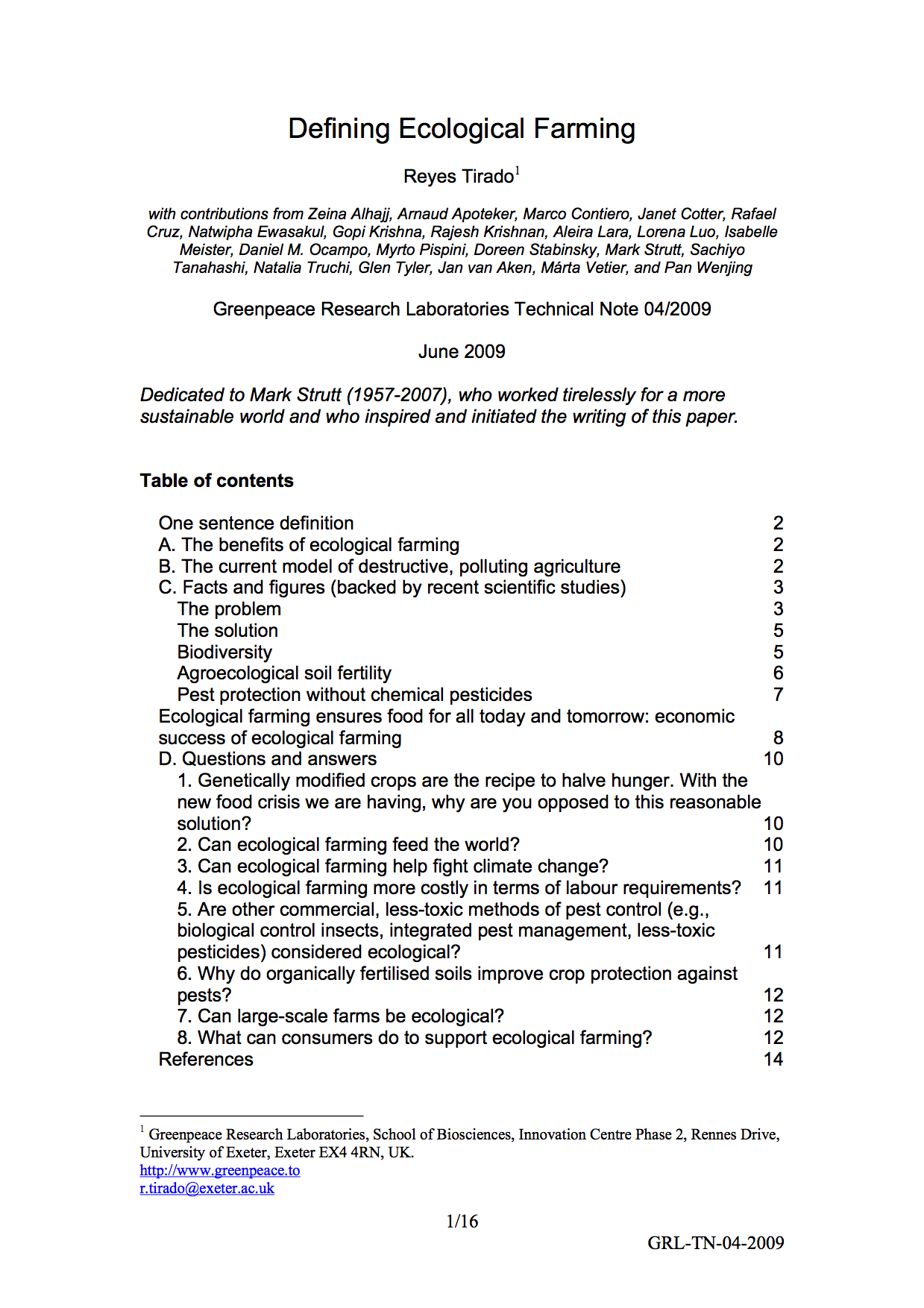
Defining Ecological Farming
Ecological Farming ensures healthy farming and healthy food for today and tomorrow, by protecting soil, water and climate, promotes biodiversity, and does not contaminate the environment with chemical inputs or genetic engineering.
-
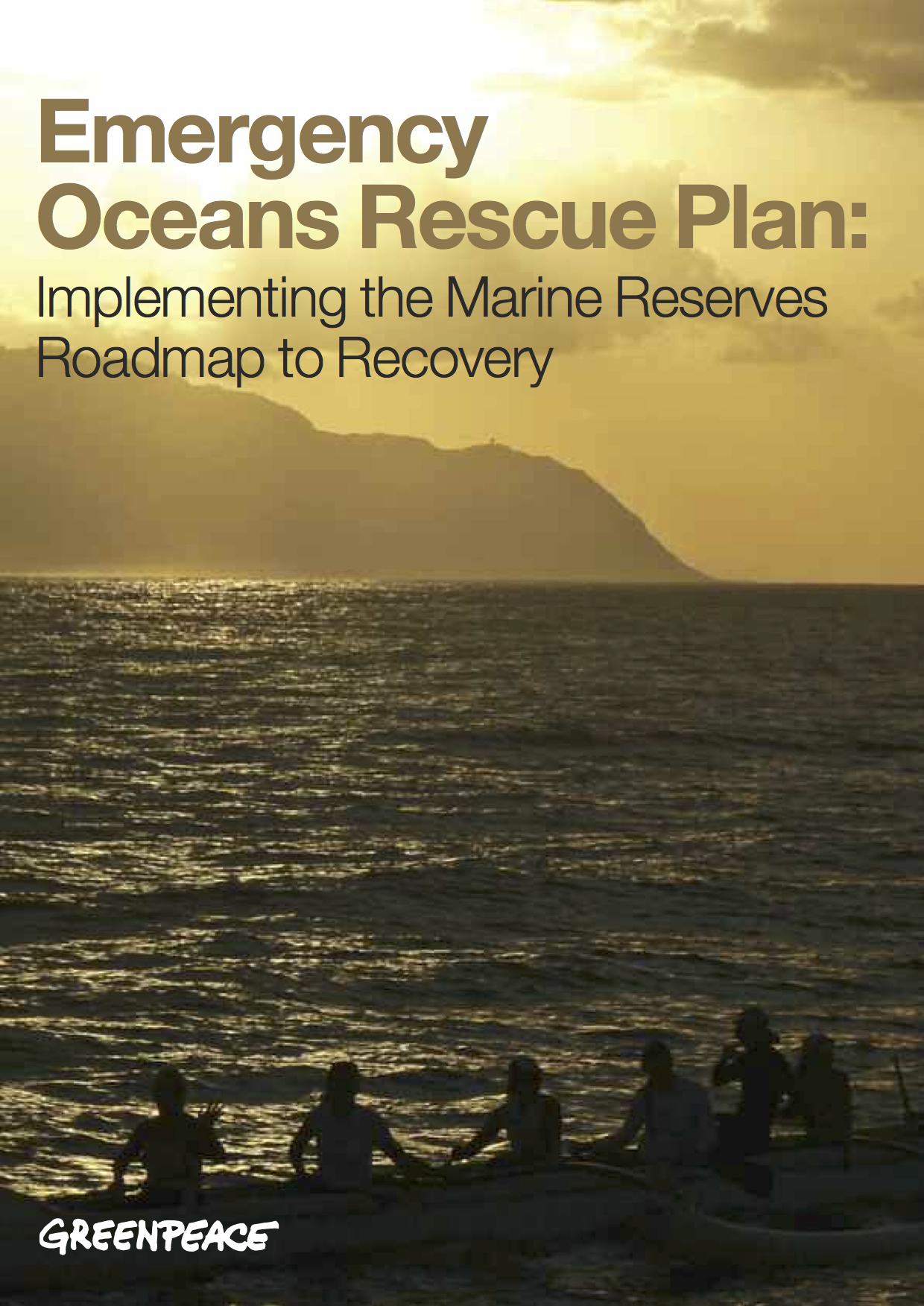
Emergency Oceans Rescue Plan
Our oceans are in crisis. Hardly a week goes by without another major study linking the loss of marine biodiversity with human activity. Scientists repeatedly warn that many ocean ecosystems are fast approaching tipping points whereby they will be changed for ever.