As a Filipino, I live in the constant shadow of two extreme climate events. Every year, we brace ourselves for the devastation of droughts and supertyphoons, knowing they will strike our islands with brutal force. But these are not natural disasters – they’re made by human destruction. They are the direct result of the unchecked greed and utter disregard for life by the fossil fuel and petrochemical giants, who profit at the expense of our survival.
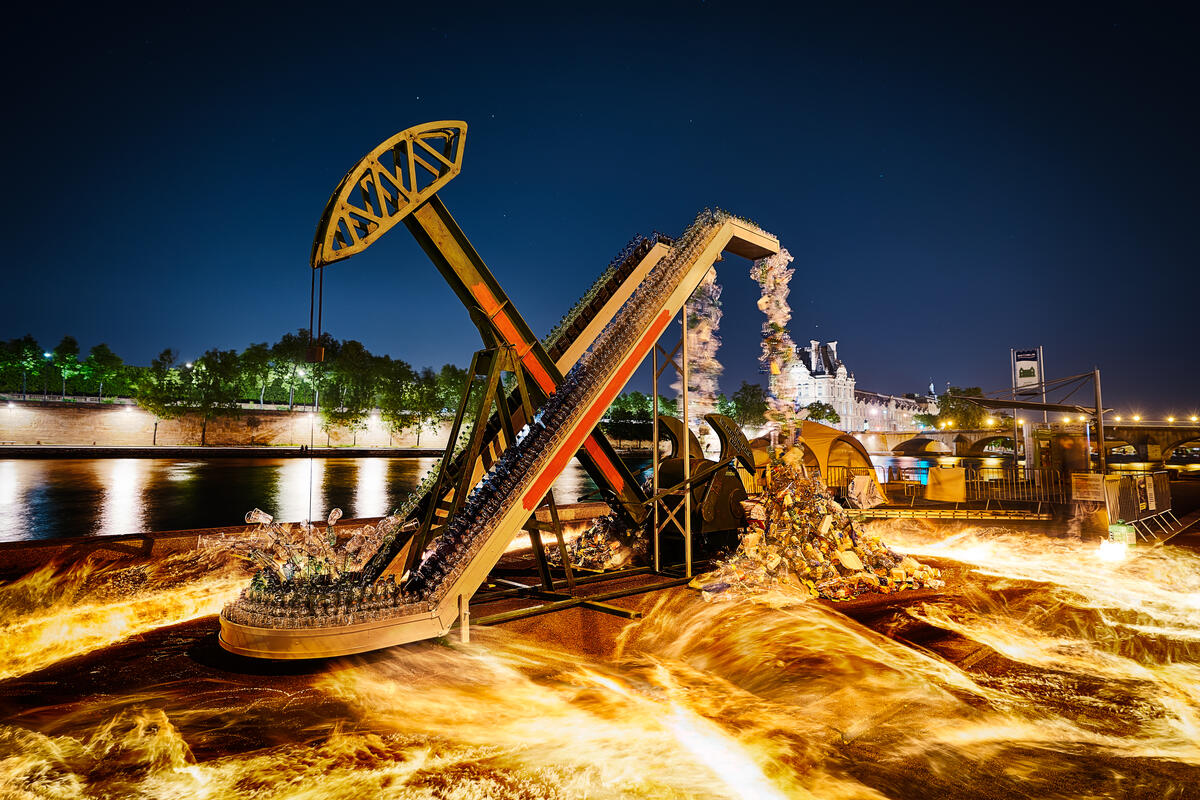
At this moment, the world’s attention is focused on two pivotal international summits. In Baku, Azerbaijan, leaders have gathered for COP29, the United Nations Climate Change Conference and the following week, in Busan, South Korea, the final Intergovernmental Negotiating Committee (INC-5) will convene to finalize the Global Plastics Treaty. These meetings aren’t just conferences—they are battles for the survival of people and the planet.
The climate crisis and the plastic catastrophe are two sides of the same coin, both born from insatiable greed for profit. Many of the same fossil fuel producers and villains blocking progress at COP29 will also be present at INC5, further underlining the need to connect action for the climate and plastics crises. Oil and gas extraction—driven by a few who gain while millions suffer—has spun our planet into an emergency.
Plastics, made almost entirely from fossil fuels, are accelerating the climate crisis. As production continues to rise, this reckless expansion shrinks our future while it harms our communities, our health, and our climate. The corporations behind this destruction are bound to their profits, ignoring the wreckage they leave behind. And with every ton of plastic they produce, the climate crisis tightens its grip.
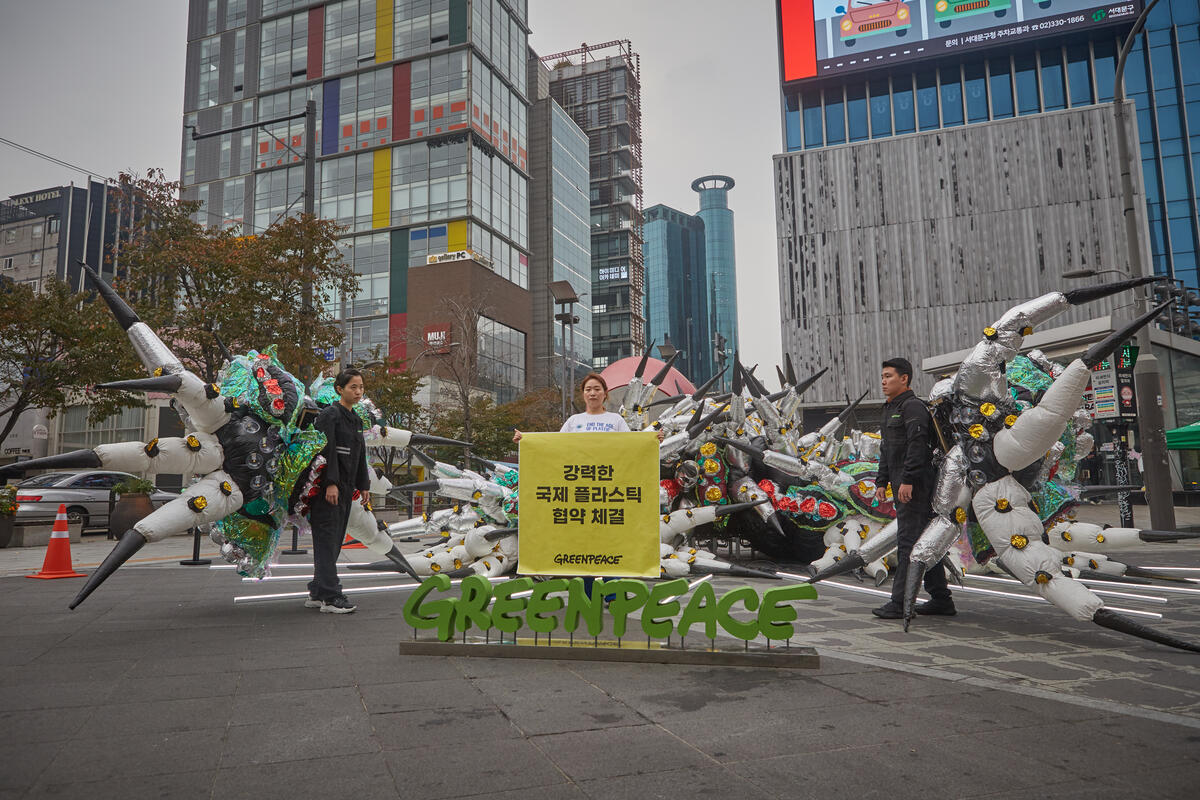
These two meetings, though miles apart, are only days apart, and are connected by our shared human instinct to survive- to protect our communities, and secure a future where our children can live and thrive.
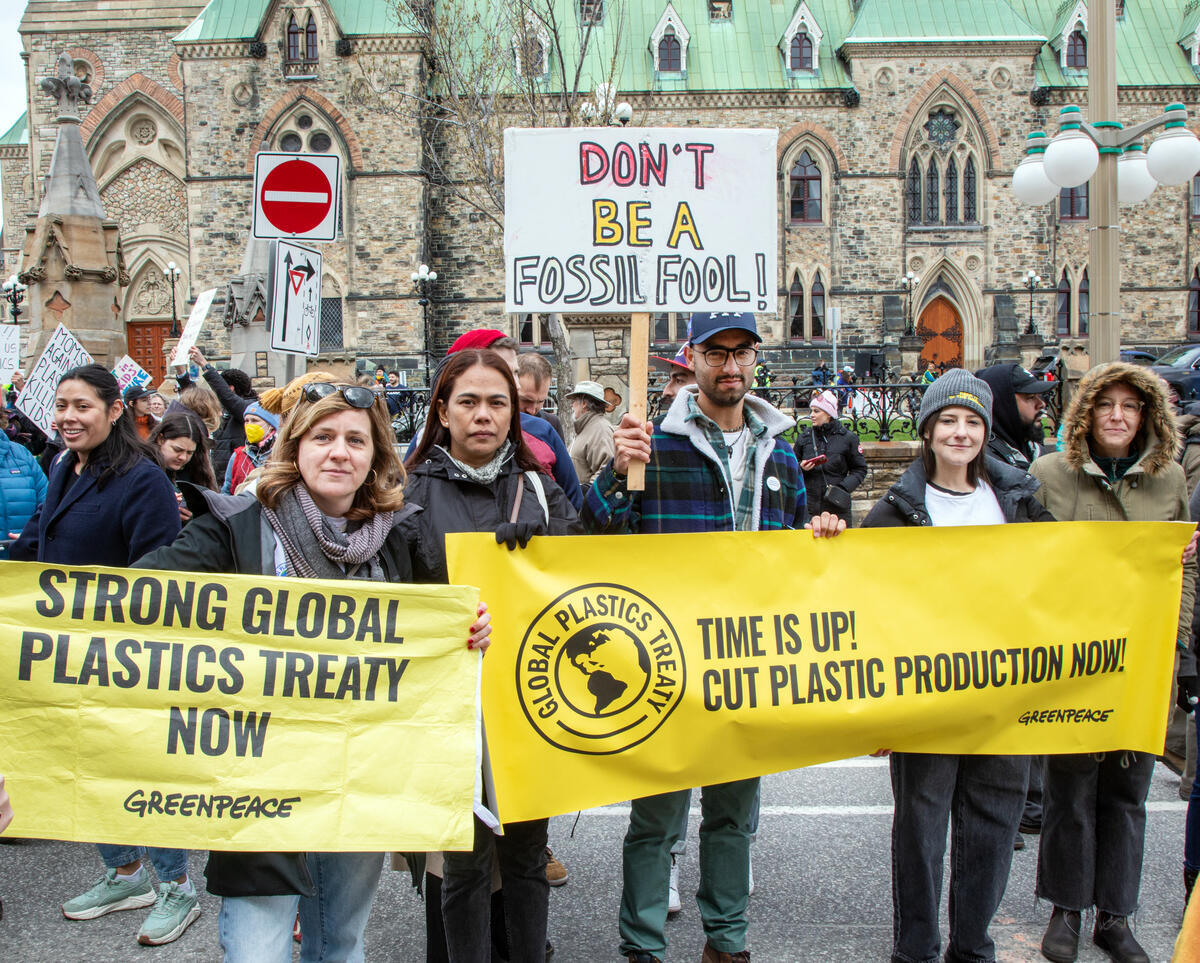
At Global Plastics Treaty negotiations, our demands are clear: we need an agreement that will cut plastics production by at least 75% to ensure that we are staying below the 1.5° C limit and to protect our health, rights, communities and environment. Undoubtedly, the petrochemical industry, corporations and some governments will continue to try weakening the treaty’s ambition. If they have their way, plastic production will triple by 2050. We can’t let them. Plastics have been found in the air we breathe, the food we eat, and even in our organs and our blood. No more.
Angelica Carballo Pago is the Global Plastics Comms and Media Lead for Greenpeace USA.