
A green and peaceful future is our quest
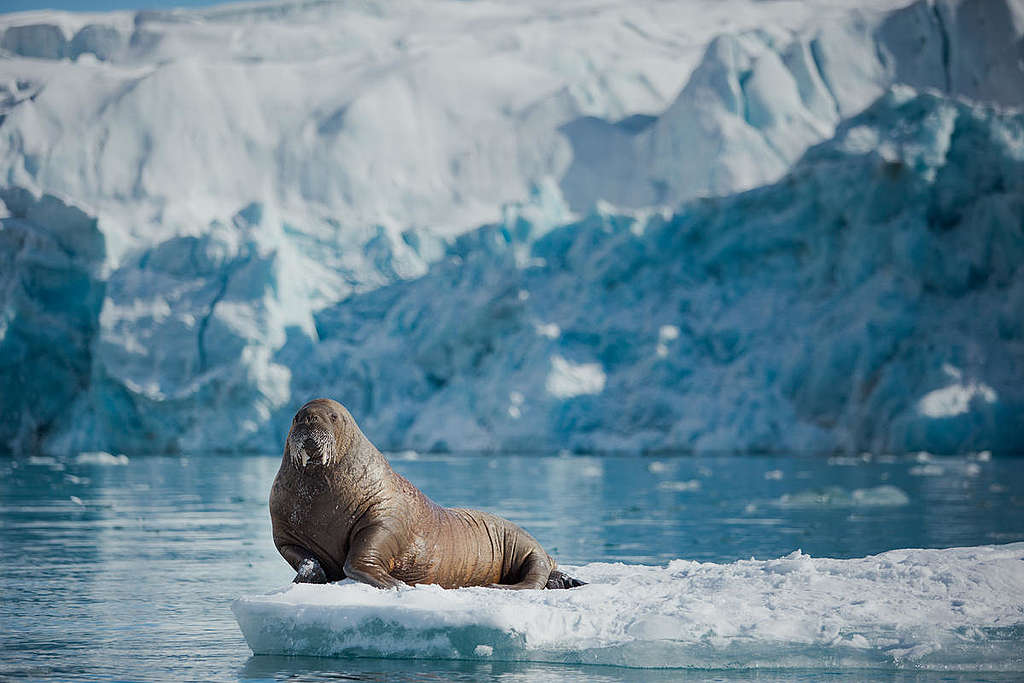
Greenpeace exists because this fragile earth deserves a voice.
Some people look at a forest, and all they see is lumber. But there are millions more who see a home, a heritage, a future.
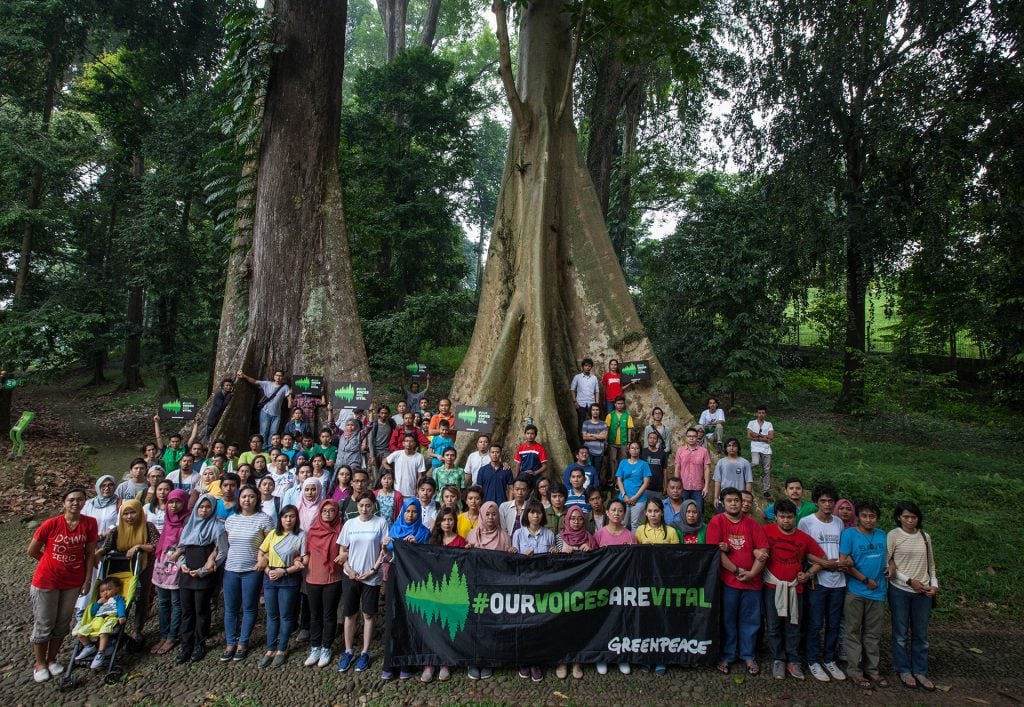
Around the globe, we are standing up for our communities, and we are holding governments and corporations accountable.




Our vision
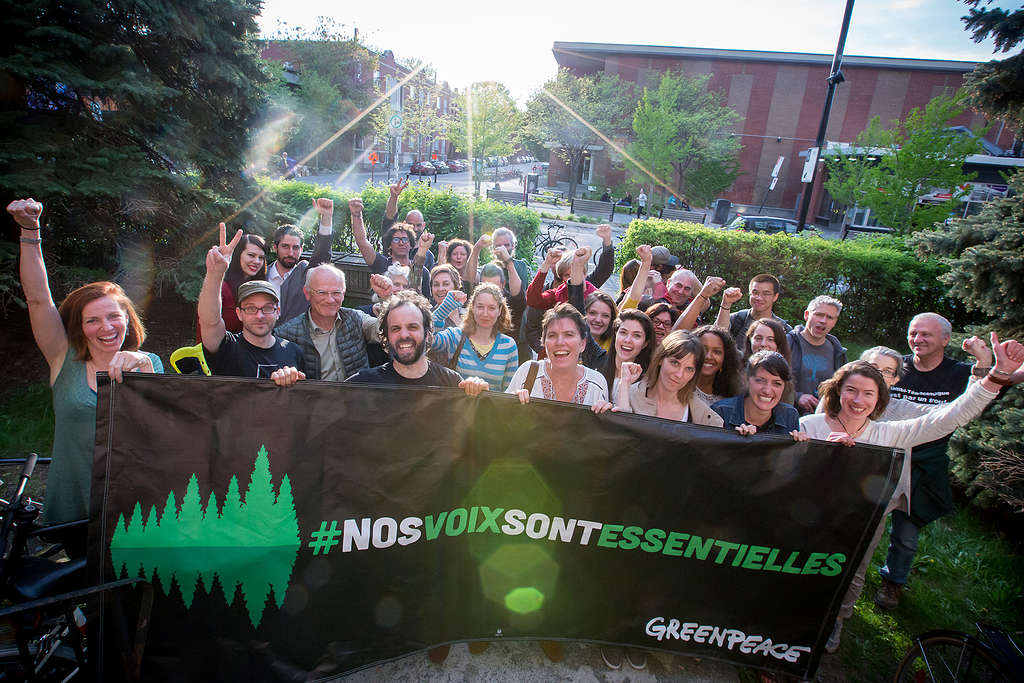
We believe optimism is a form of courage. We believe that a billion acts of courage can spark a brighter tomorrow. To that end we model courage, we champion courage, we share stories of courageous acts by our supporters and allies, we invite people out of their comfort zones to take courageous action with us, individually in their daily lives, and in community with others who share our commitment to a better world. A green and peaceful future is our quest. The heroes of our story are all of us who believe that a better world is not only within reach, but being built today.
Who we are
Our Network
Legal Unit
Governance
Principles
Values
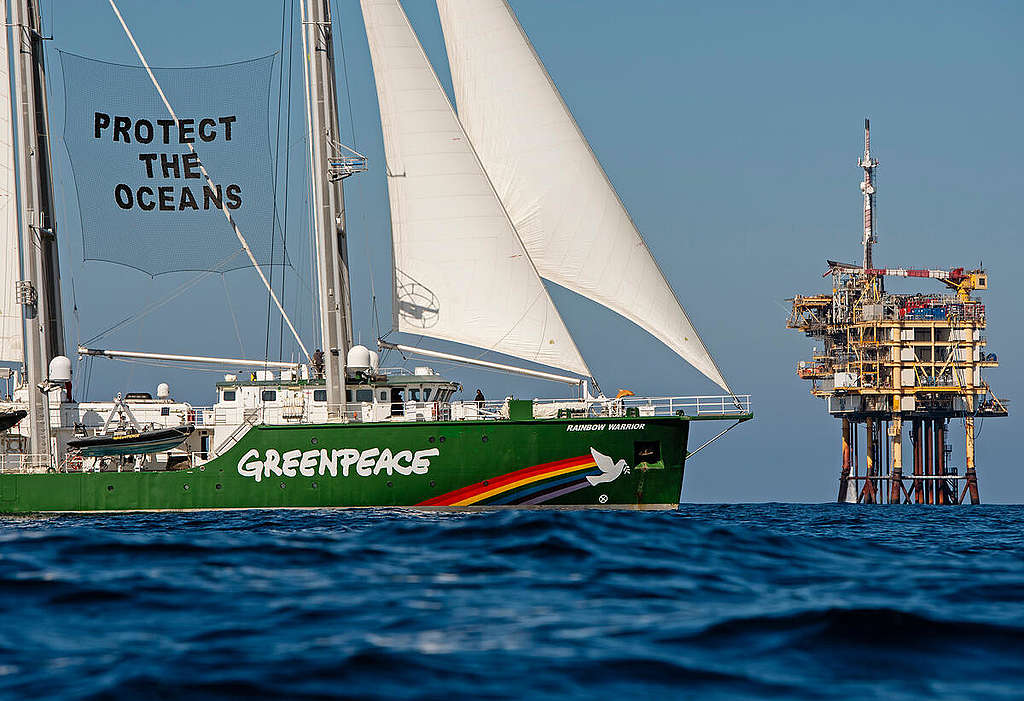
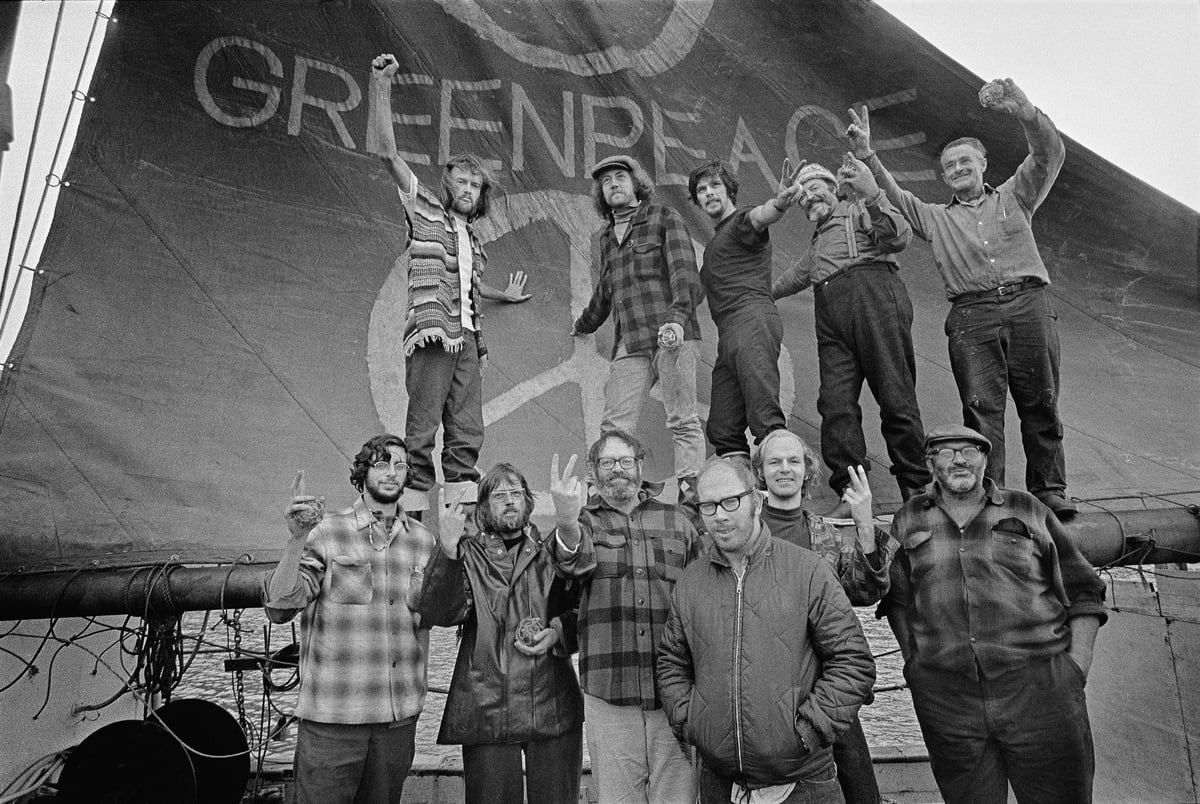
Founders
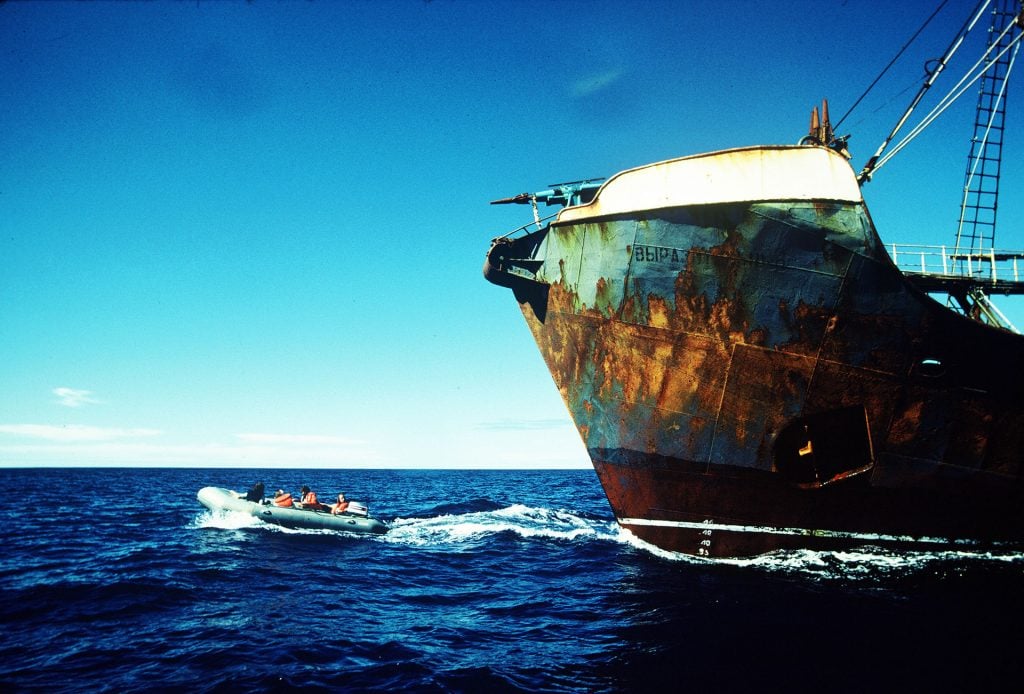
Victories
Join us
-
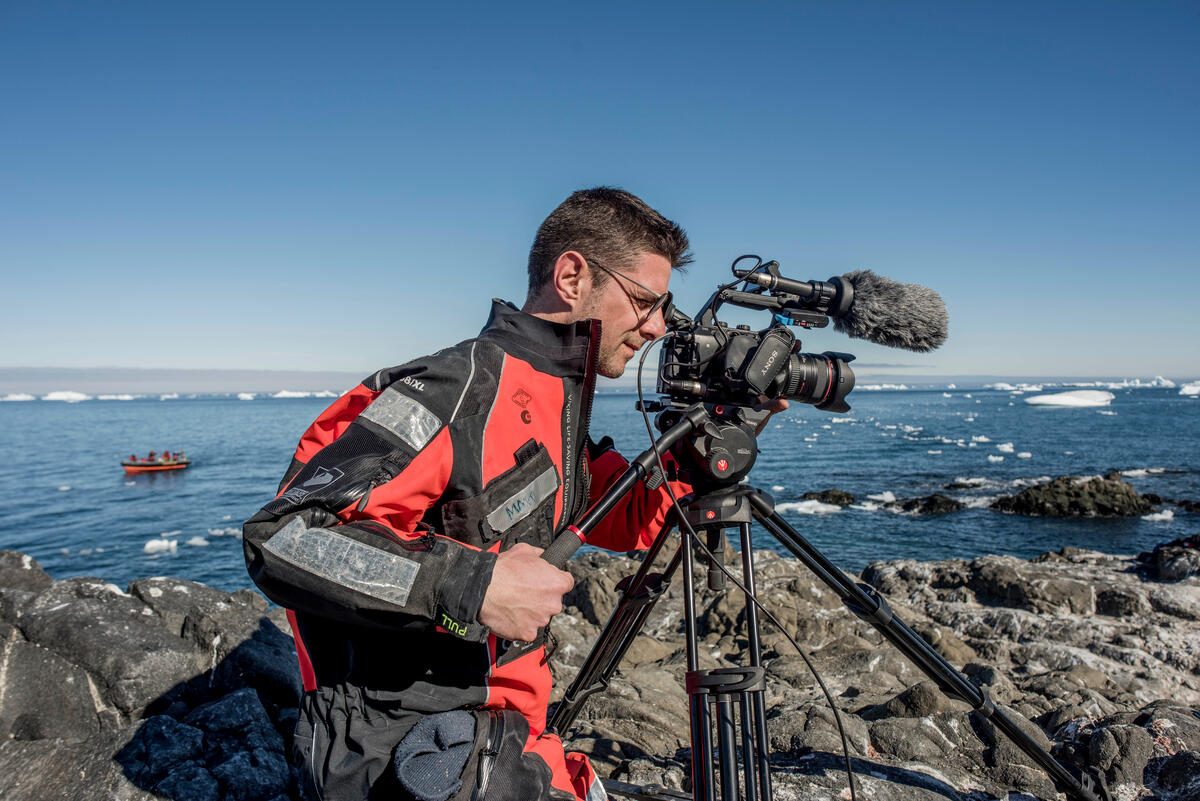 Greenpeace
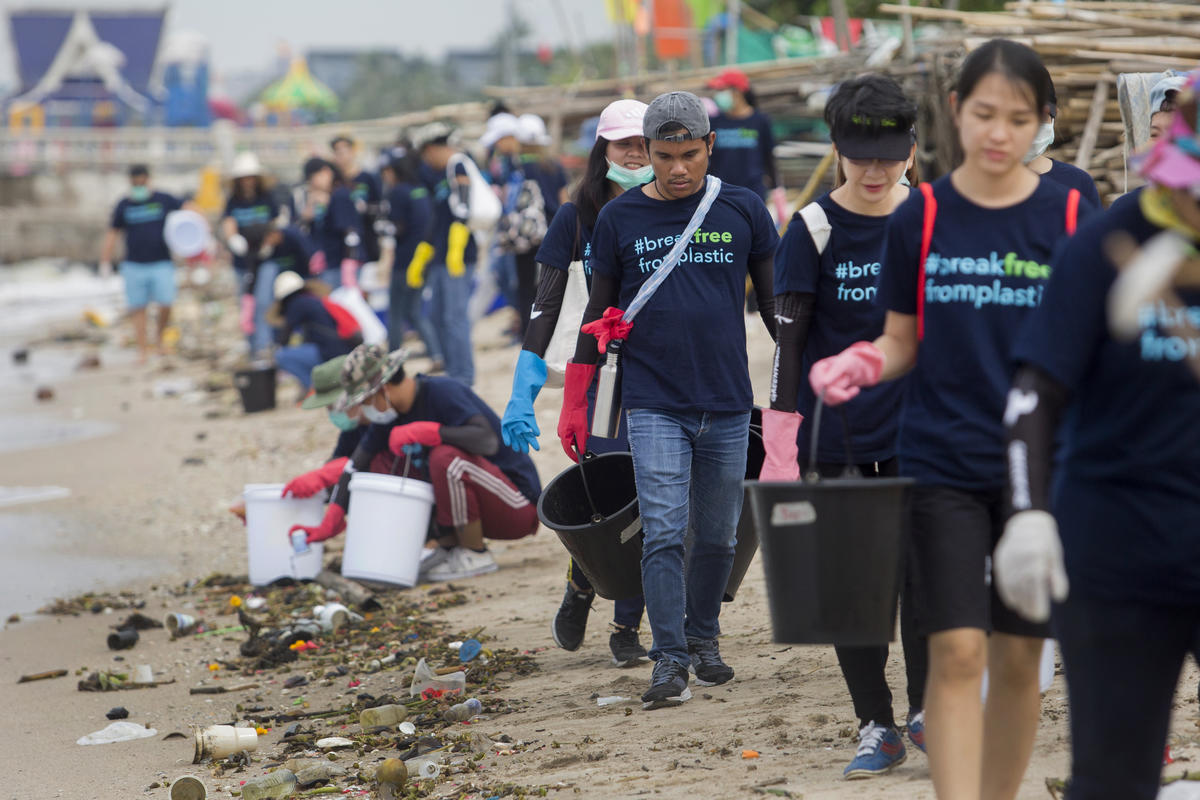
Jobs and Internships
Make a difference in the world by making a difference in Greenpeace: Learn, lead and grow while you use your talents and creativity to save the planet.
-
 Greenpeace
Volunteer Opportunities
There are lots of ways to get involved with Greenpeace. Contact your local office to see if you can volunteer.
-
 Greenpeace
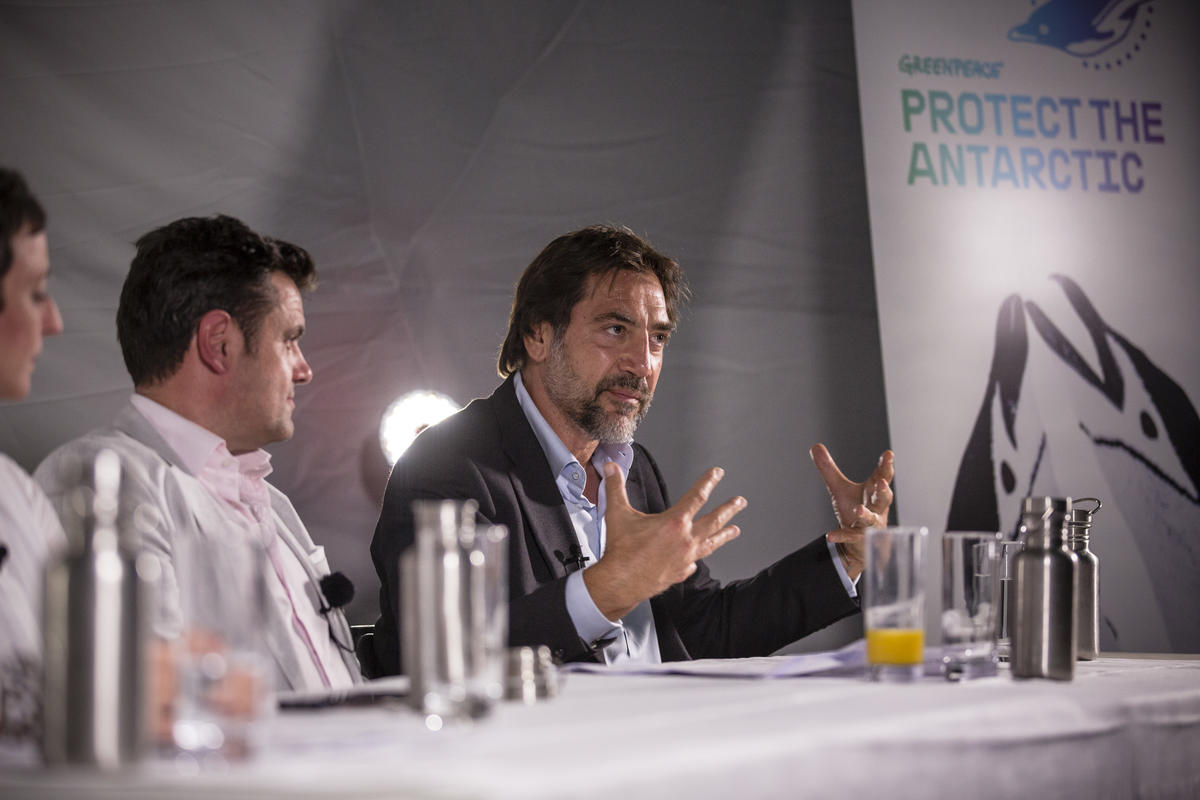
Become a Creative Partner
Together, we’ll ignite a movement that resonates across the globe, mobilising millions to drive the crucial change our planet needs.
-
 Greenpeace
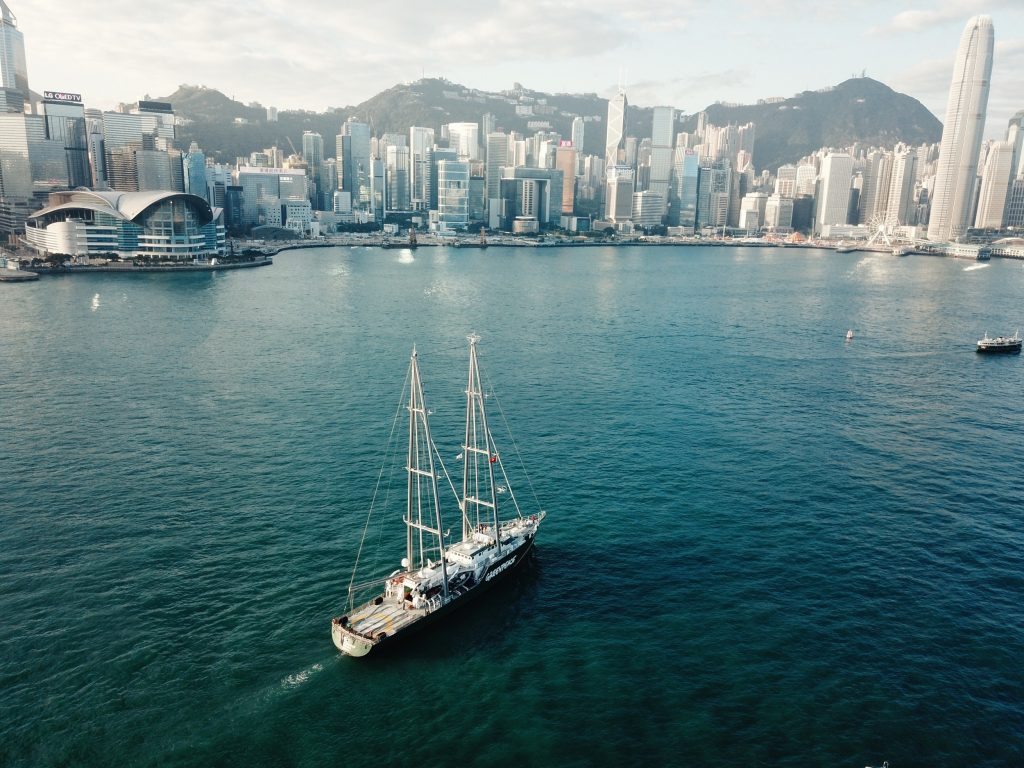
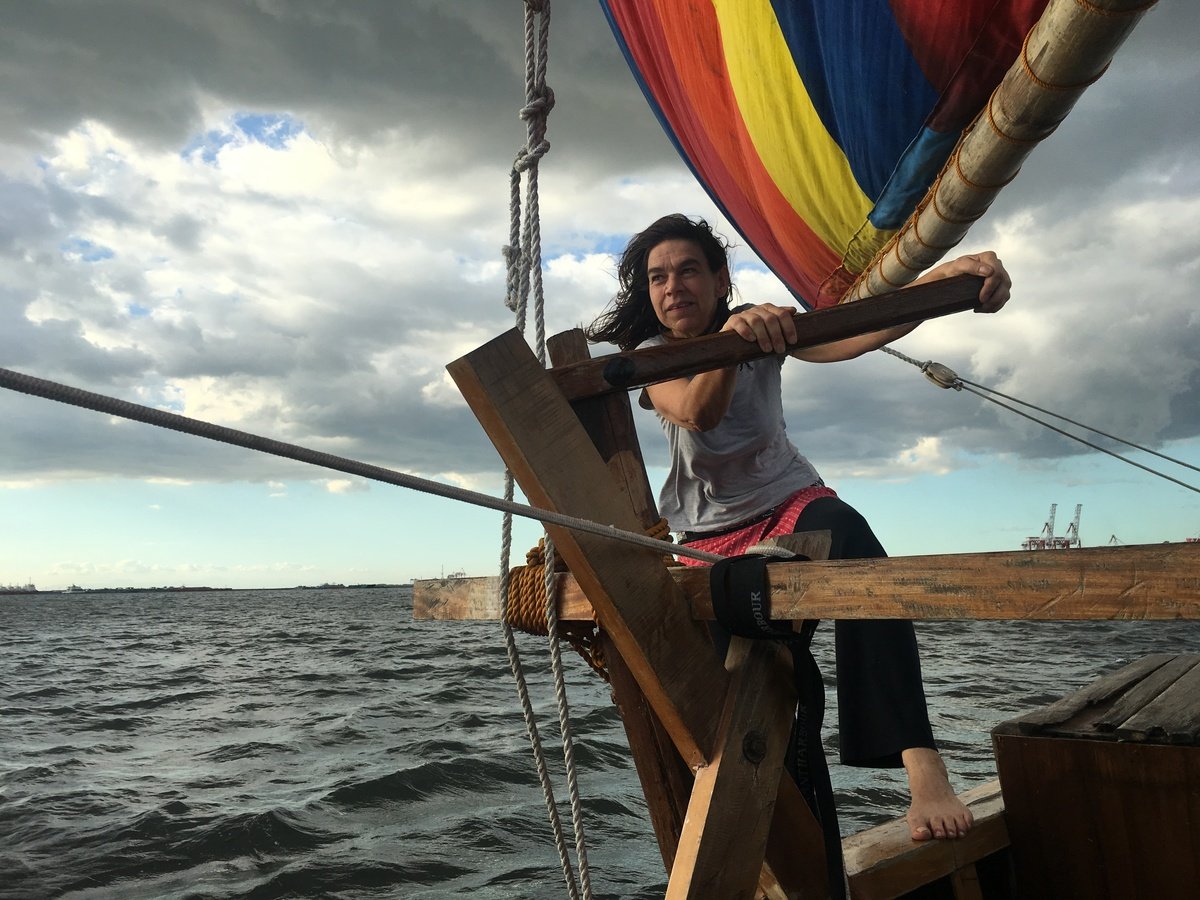
Sail with us
Want to become Greenpeace crew member? It is hard work. But it could be the experience of a lifetime.
-
 Greenpeace
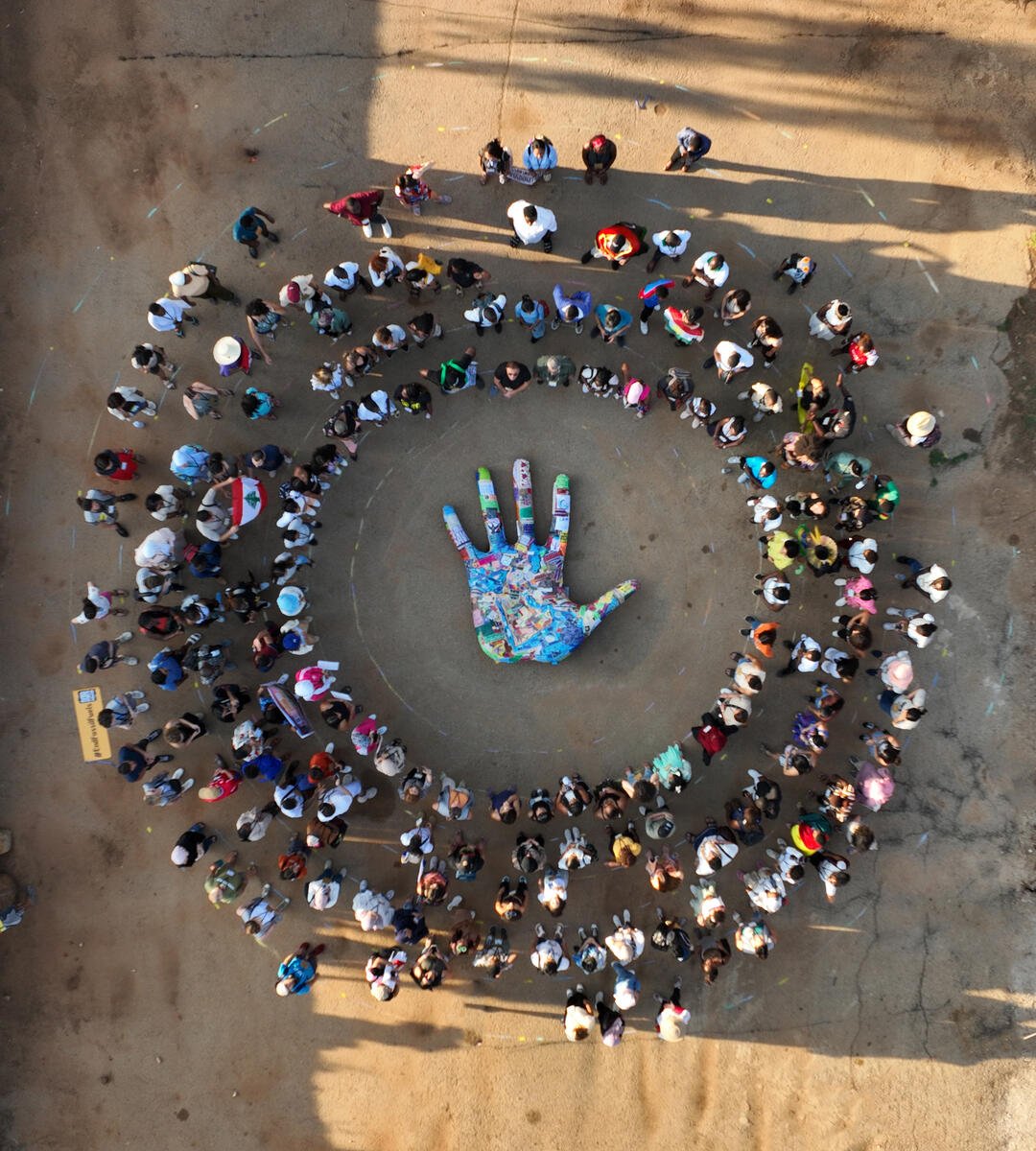
Become a community organiser
Connect with activists from around the world and learn how you can organise to create meaningful change in your community.
-
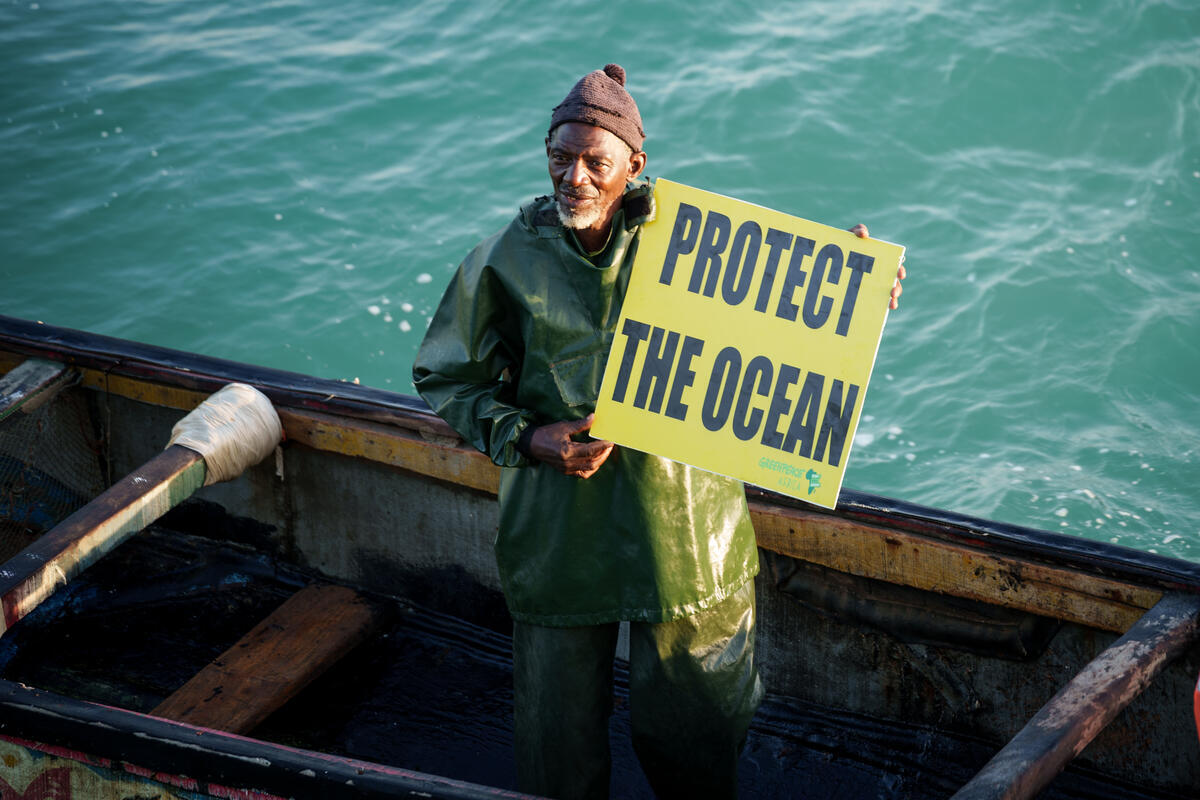
Greenpeace’s most read stories of 2026 so far
Our hottest reads for Earth’s hottest year
-
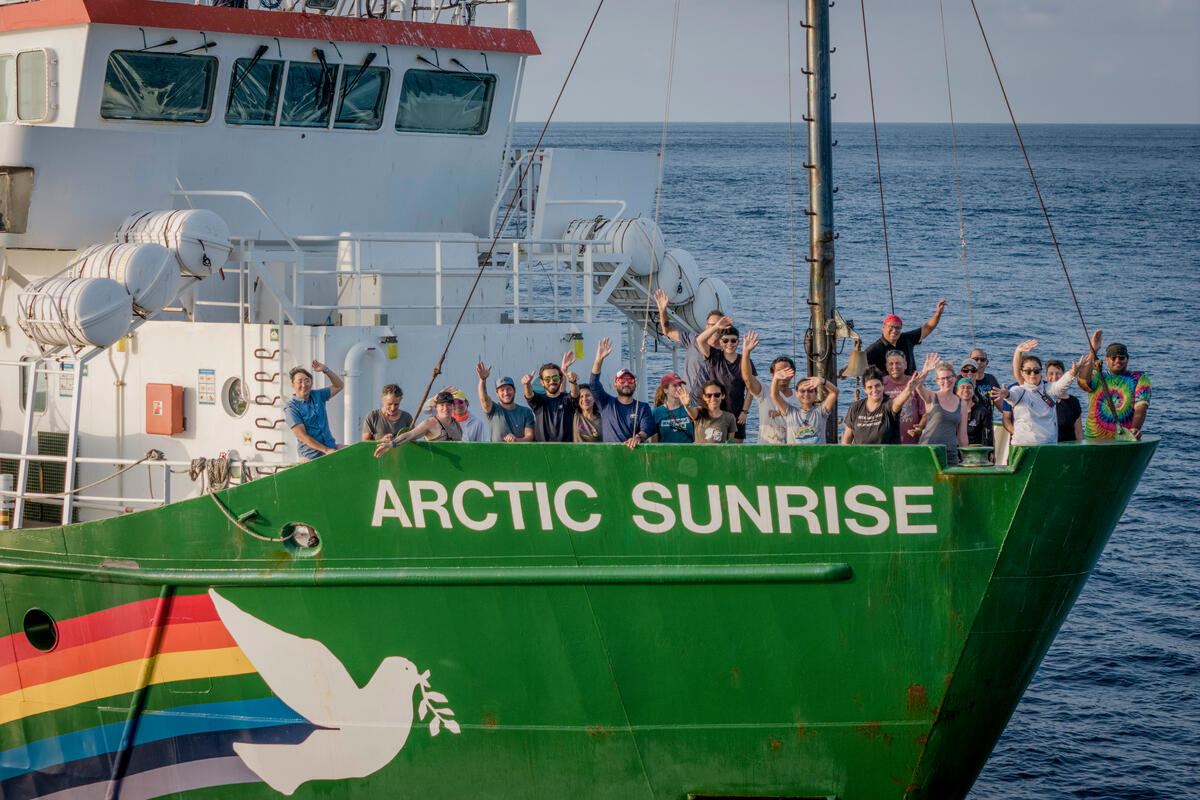
Why Greenpeace sent a ship to help the Global Sumud Flotilla sail to Gaza, and what’s happened
Greenpeace’s Arctic Sunrise sailed alongside the Global Sumud Flotilla from Barcelona to Syracuse to support a peaceful civilian mission challenging the siege on Gaza and demanding safe, unhindered humanitarian access.
-
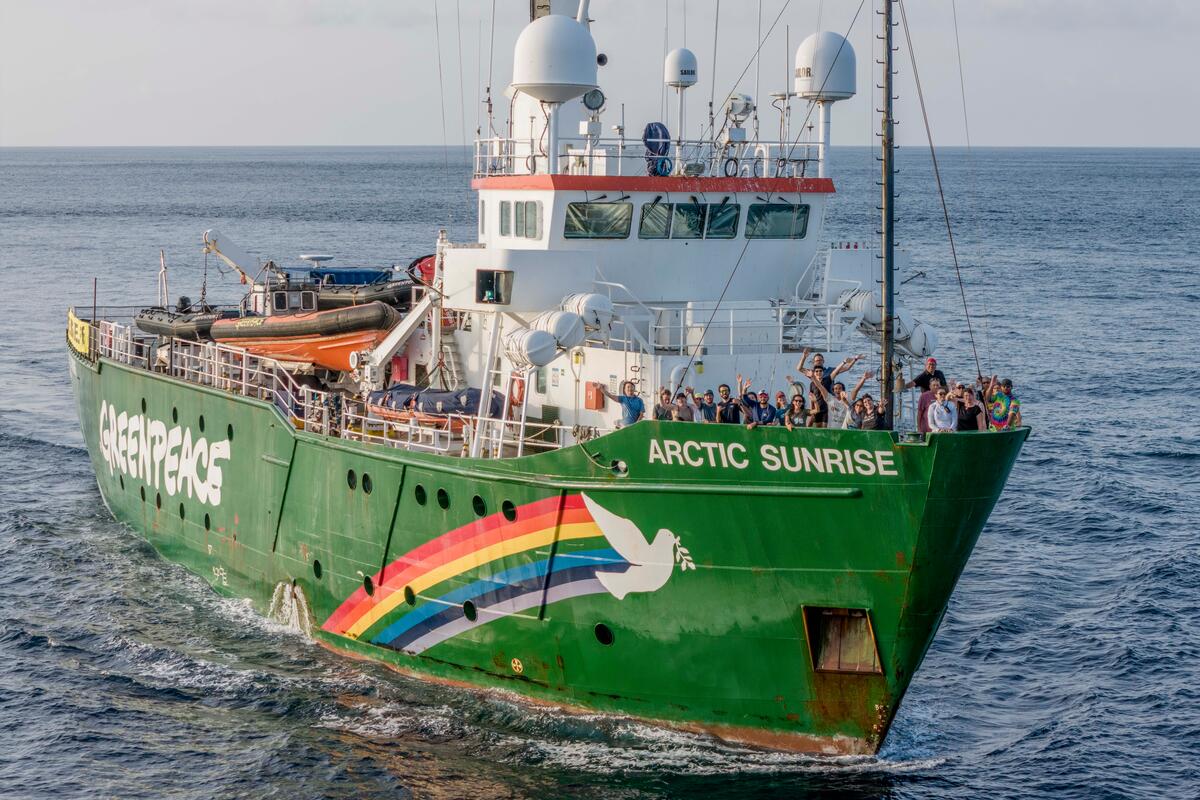
Greenpeace to join the Global Sumud Flotilla to Gaza
Greenpeace ship Arctic Sunrise joins the Global Sumud Flotilla sailing alongside more than 70 vessels to challenge Israel’s ongoing blockade of aid to Gaza.
-
Annual Report 2024
Progress is never easy, but it is always possible – with hope, courage and community.
-
Annual Report 2023
As part of the growing power of people everywhere we resist the temptation to give into despair, choosing instead a path of hope in action.
-
Annual Report 2022
2022 brought with it a world of polycrisis: pandemic, drought, floods, wildfires, a war in Europe and, once again, the threat of nuclear weapons. Yet, out of every crisis comes opportunity, including for transformational change.
-
Annual Report 2021
Even in the midst of suffering and hardship we saw great resilience, courage, compassion, kindness and strength in 2021.
Subscribe for updates
Together we are part of a growing, global movement determined to bring about the changes our planet desperately needs.