
The bombing of the Rainbow Warrior
In 1985, French secret service agents planted two bombs and sank our ship the Rainbow Warrior. One crew member was killed. It was an instance when a government chose to respond to peaceful protest with deadly force. But peaceful protest has prevailed.
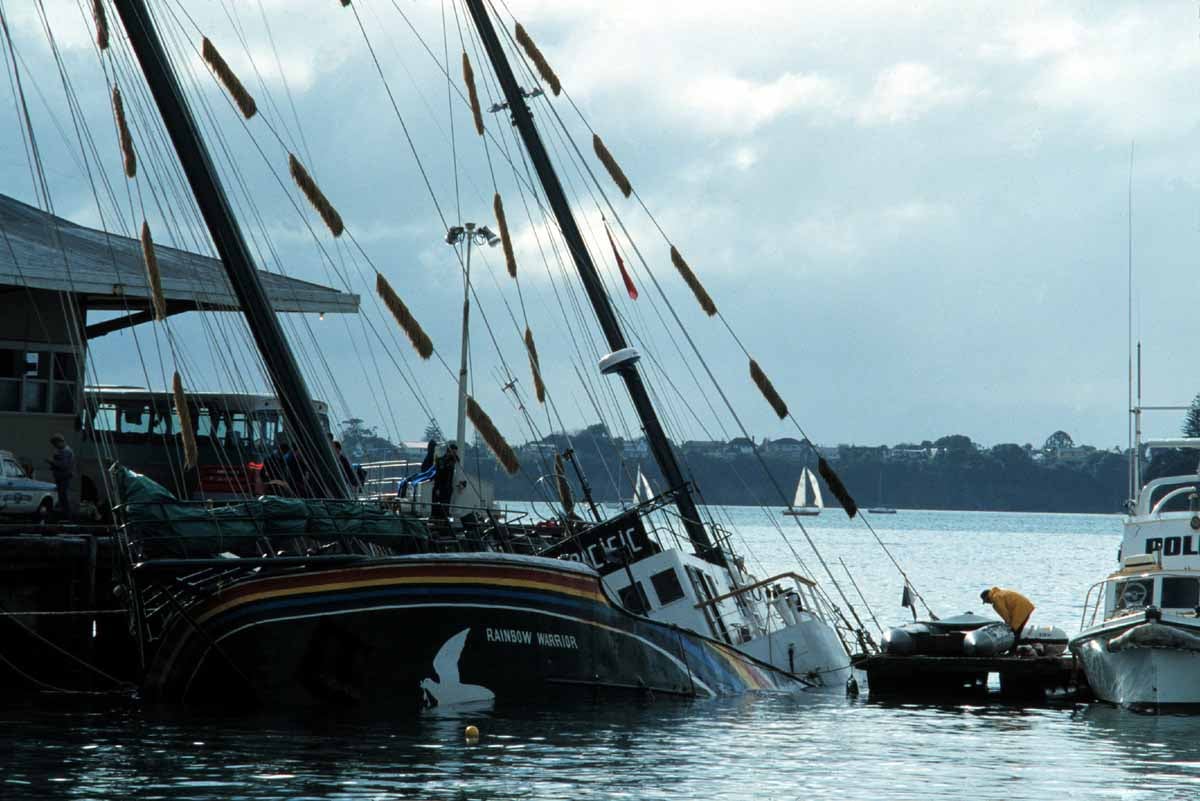
10 July 1985. The Greenpeace ship the Rainbow Warrior is moored in Auckland, New Zealand – ready to confront French nuclear testing in the Moruroa Atoll.
It’s close to midnight. The captain, Pete Willcox, and many other crew members are already asleep. A few others, including the photographer Fernando Pereira, are still chatting around the mess-room table, sharing between them the last two bottles of beer.
Suddenly, the lights go out. There’s the sharp crack of breaking glass. Then, a sudden roar of water. The crew’s first thought: We’ve been hit, possibly by a tug.
Then, there’s a second explosion.
Those already on deck scramble up the ladder or leap to safety on the wharf. Within minutes, they see the ship’s steel masts tilt towards them…
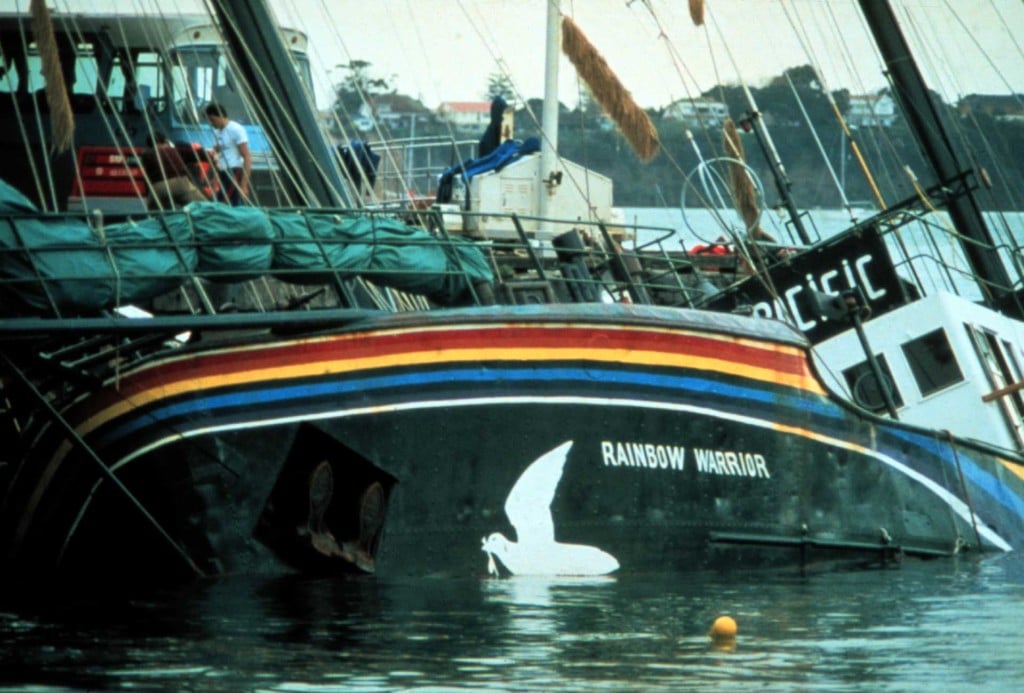
The Boat and the Bomb documentary
The tragic death of a Rainbow Warrior crew member in the bombing
“I stood there looking at the boat with all of these bubbles coming out of it,” Captain Pete Willcox would later recall. “That’s when Davey [Edwards] said Fernando is down there. I remember arguing with him, saying no, Fernando had gone to town, and that’s what he always did. No, he said. Fernando is down there.”
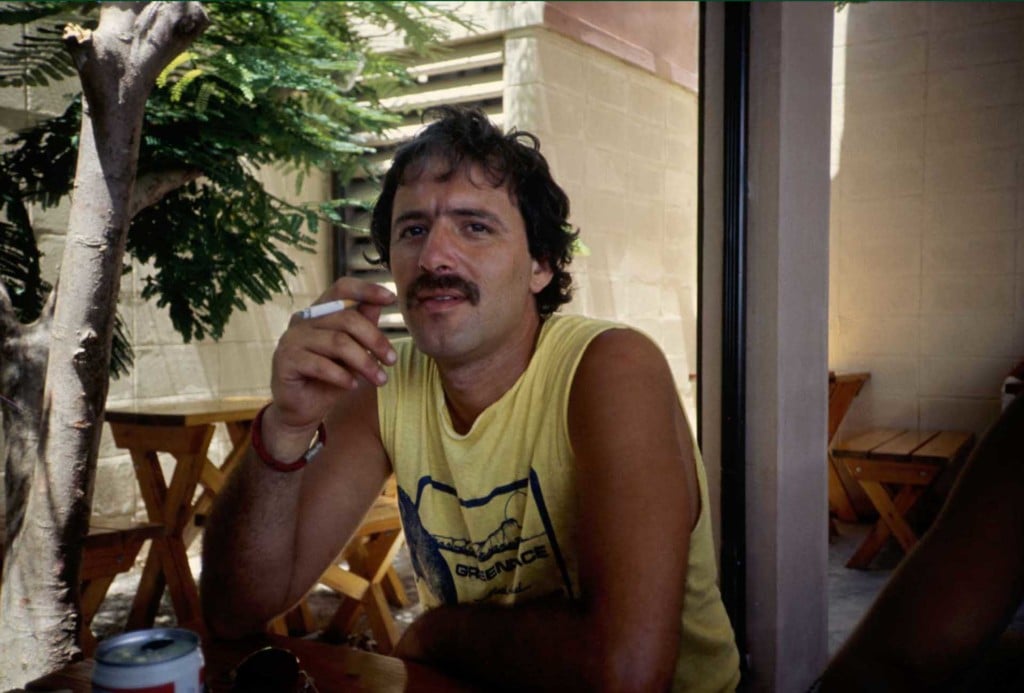
The Portugal-born Greenpeace photographer Fernando Pereira had joined the crew of the Rainbow Warrior to document the French nuclear testing and bring his photographs to the world.
He was caught in a rush of water that night and drowned. He had just celebrated his 35th birthday.
The Rainbow Warrior bombing was state-sanctioned, shrewdly planned and executed
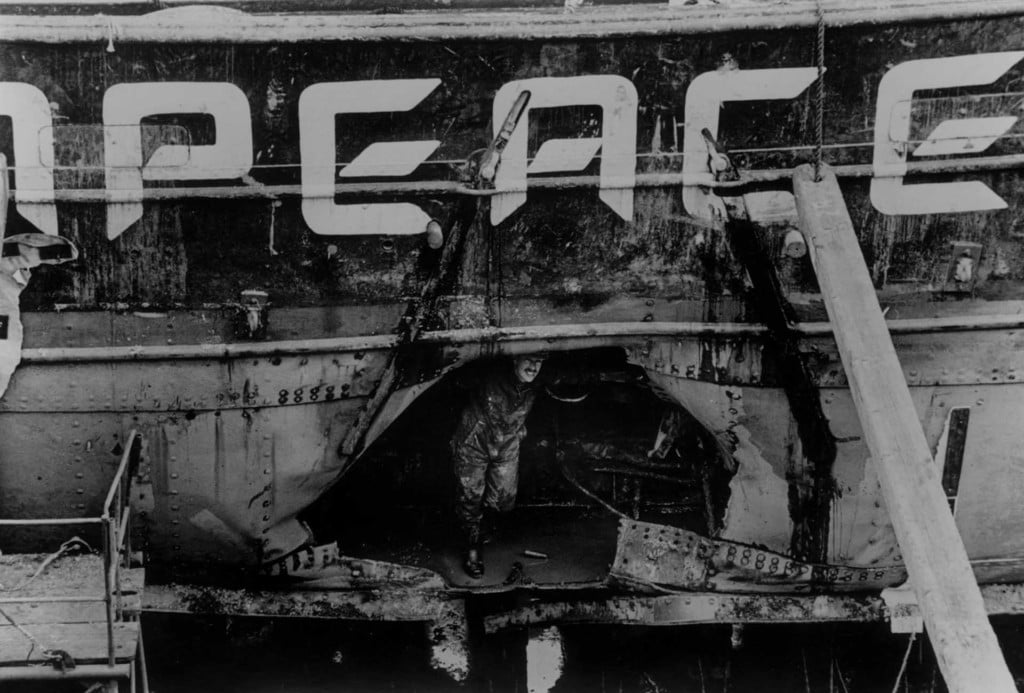
The Rainbow Warrior wasn’t hit by a tug, of course. In an attempt to “neutralise” the ship ahead of its planned protest, French secret service agents in diving gear had attached two packets of plastic-wrapped explosives to it, one by the propeller, one to the outer wall of the engine room.
Initially, the French government denied all knowledge of the operation, but it soon became obvious that they were involved. Eventually, Prime Minister Laurent Fabius appeared on television and told a shocked public: “Agents of the DGSE (Secret Service) sank this boat. They acted on orders.”
First, the Rainbow Warrior bombers denied it, and then they disappeared
Only two agents ever stood trial. Dominique Prieur and Alain Mafart, who had posed as Swiss tourists, pleaded guilty to charges of manslaughter and wilful damage, attracting sentences of 10 and 7 years. A UN-negotiated settlement meant that they were transferred to Hao Atoll, a French military base in French Polynesia.
They were both released within less than two years.
The spy who infiltrated the Greenpeace New Zealand office ahead of the bombing, Christine Cabon, evaded arrest in Israel. She hasn’t been seen since. The whereabouts of the combat frogman with the alias Jean-Michel Berthelot – one of the two divers believed to have planted the bombs – are unknown.
Most of those involved in what happened that night in an Auckland harbour have simply disappeared.
You can’t sink a rainbow
After the bombing, the Rainbow Warrior was given a final resting place at Matauri Bay, in New Zealand’s Cavalli Islands, where it has become a living reef, attracting marine life and recreational divers.
Tangata whenua of Matauri Bay, Ngati Kura, generously offered to provide a final resting place for the Rainbow Warrior, and on December 2, 1987, the ship was scuttled to form a living memorial at 34°58.5’S 173°56.0’E – a short distance from this spot. It is now a popular dive spot and a fish sanctuary.
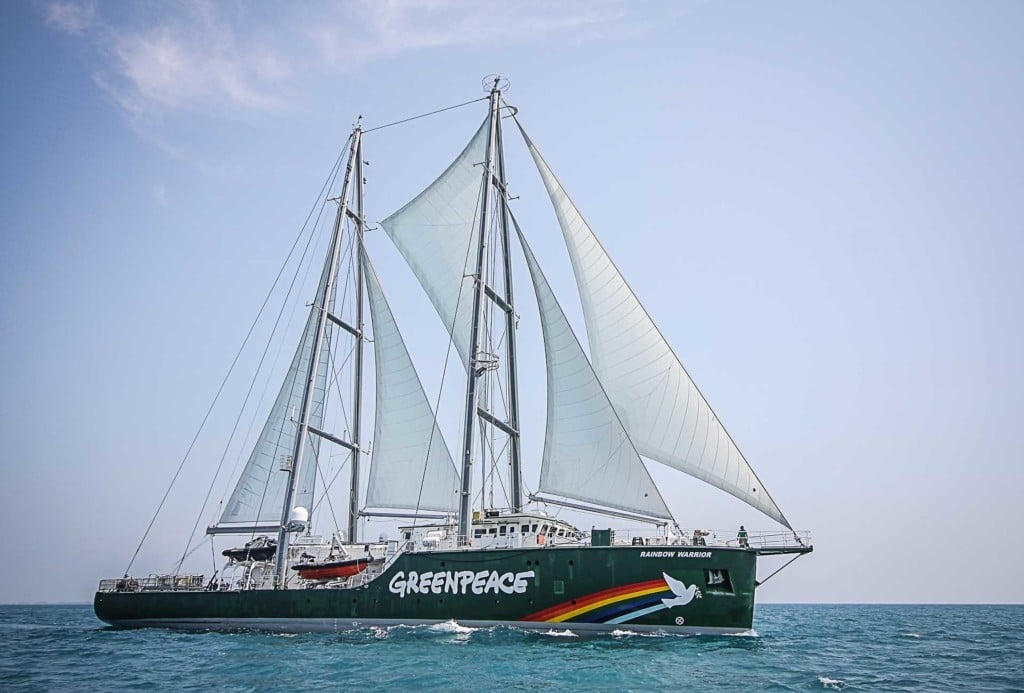
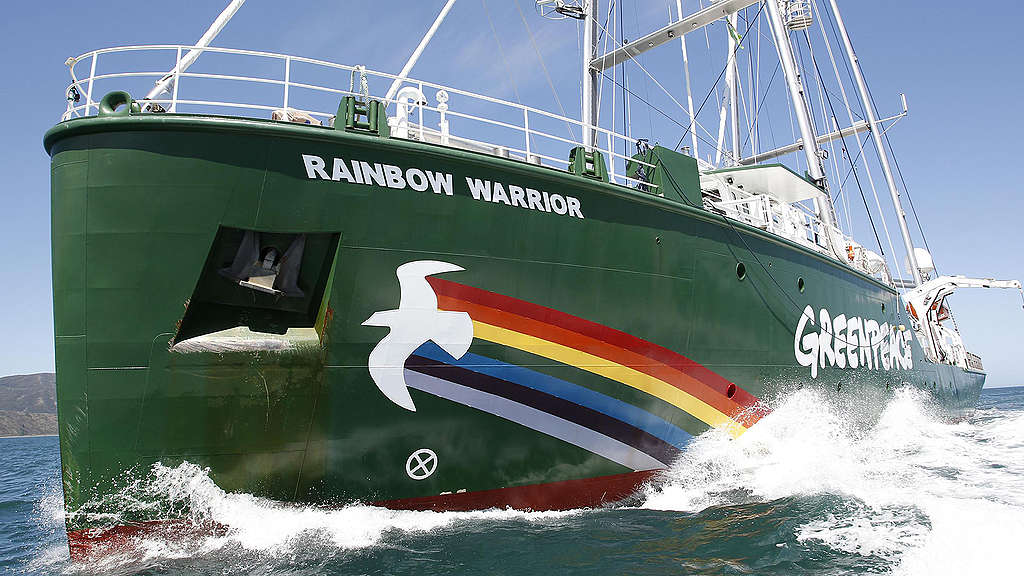
A second Rainbow Warrior was launched in 1989. After years of campaigning, she was retired in 2011 and replaced the same year with Greenpeace’s third, but first purpose-built, Rainbow Warrior – funded by supporters from all around the globe, including many New Zealanders.
The latest ship will work hard, well into the 21st century, campaigning against the many environmental threats of this age. Many of these stem from climate change, a global threat that has much in common with the threat posed by the nuclear arms race, which the first Rainbow Warrior campaigned against.
The building of the memorial The Rainbow Warrior memorial was created by sculptor Chris Booth between 1988 and 1990. It was commissioned by Ngati Kura and New Zealand China Clays. The sculpture was dedicated by the Governor General, Sir Paul Reeves, assisted by the Reverend Nuku Stewart. The memorial was designed to represent a black rainbow of mourning. All materials for the sculpture were sourced locally. Funding also came from some generous local support and from some of the reparations money the French Government was ordered to pay as a penalty for carrying out the bombing.
Find more about the Rainbow Warrior in our Rainbow Warrior education resource.
You can find out more about the Rainbow Warrior in our history pages.
Take action for environmental protection. Please make a donation today. Greenpeace exists because this fragile earth deserves a voice. It needs solutions. It needs change. It needs action.
Donate-
-

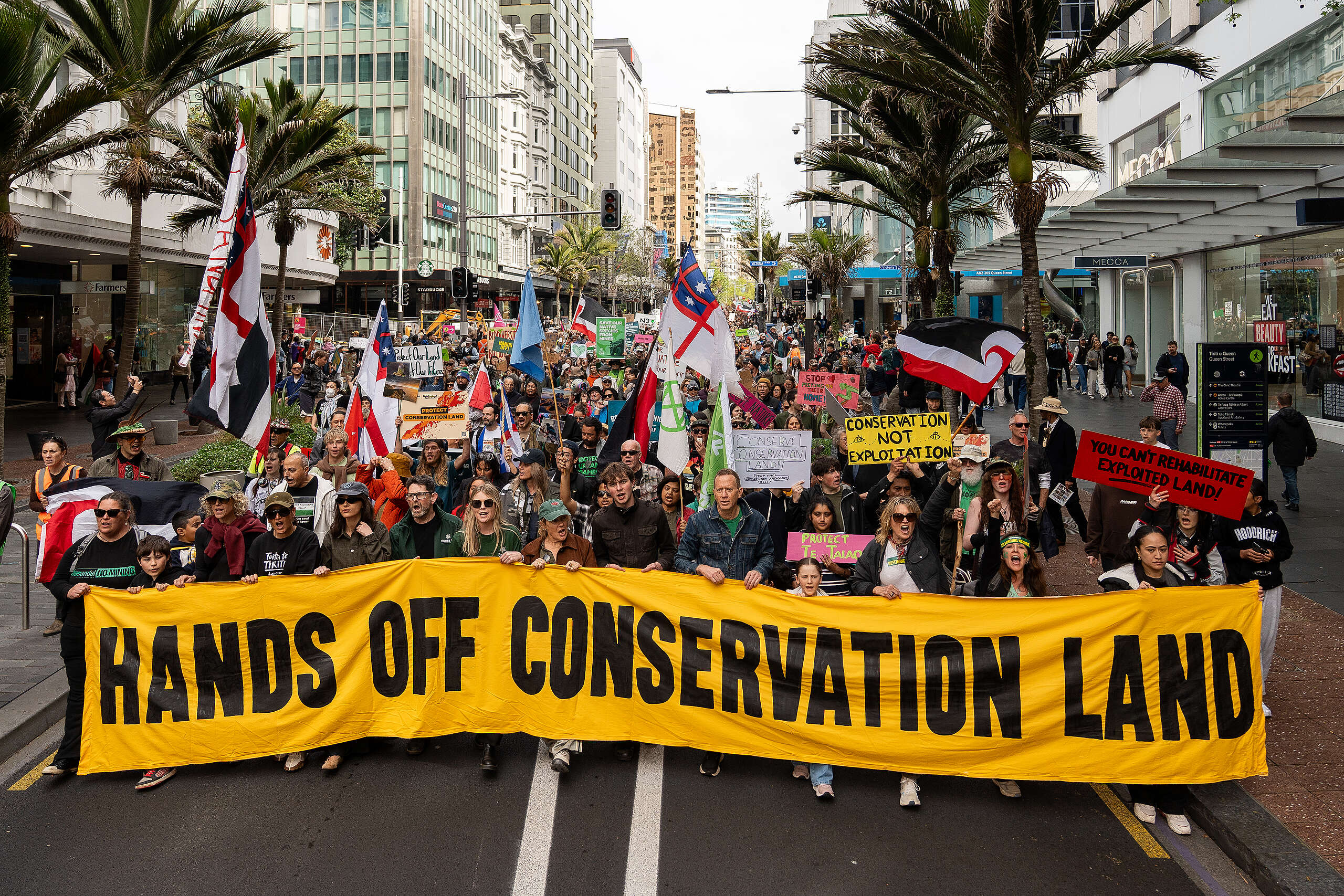
Updated numbers: 35k marched for nature
More than 35 thousand people joined today’s March for Nature, to demand that the Government scrap the Conservation Amendment Bill.
-
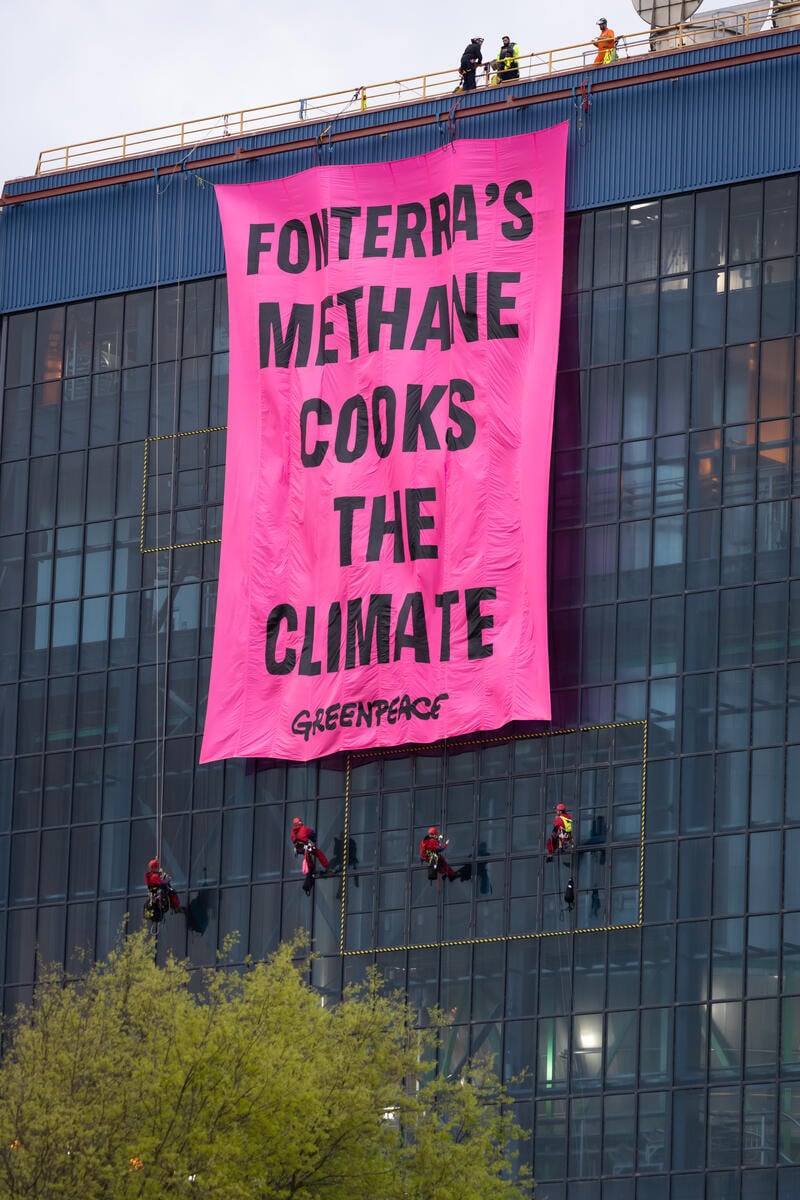
Opportunity climate policy a step in the right direction
Greenpeace Aotearoa has welcomed Opportunity’s policy to cut agricultural methane as a vital step toward tackling NZ’s biggest source of pollution.
-
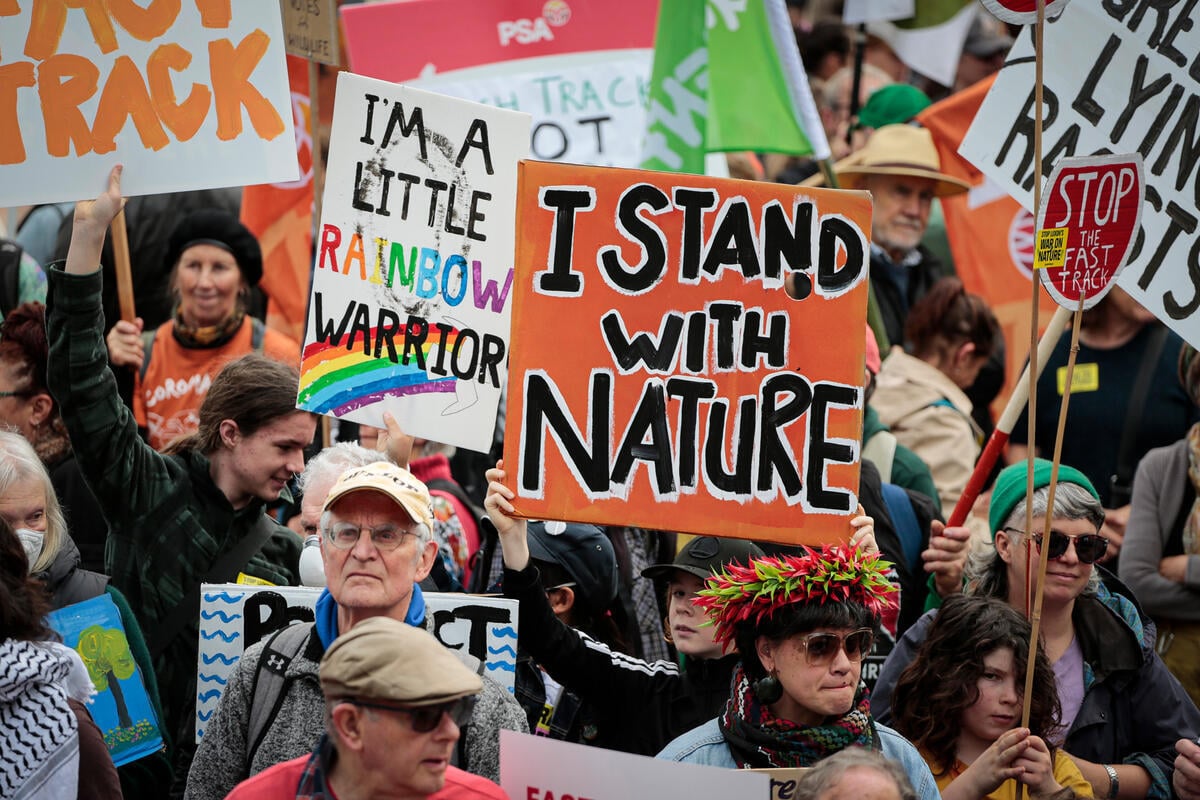
ADVISORY: Thousands set to March for Nature in Auckland tomorrow
Thousands are expected to take to the streets of Auckland tomorrow to march for nature, in protest of the Conservation Amendment Bill.
-
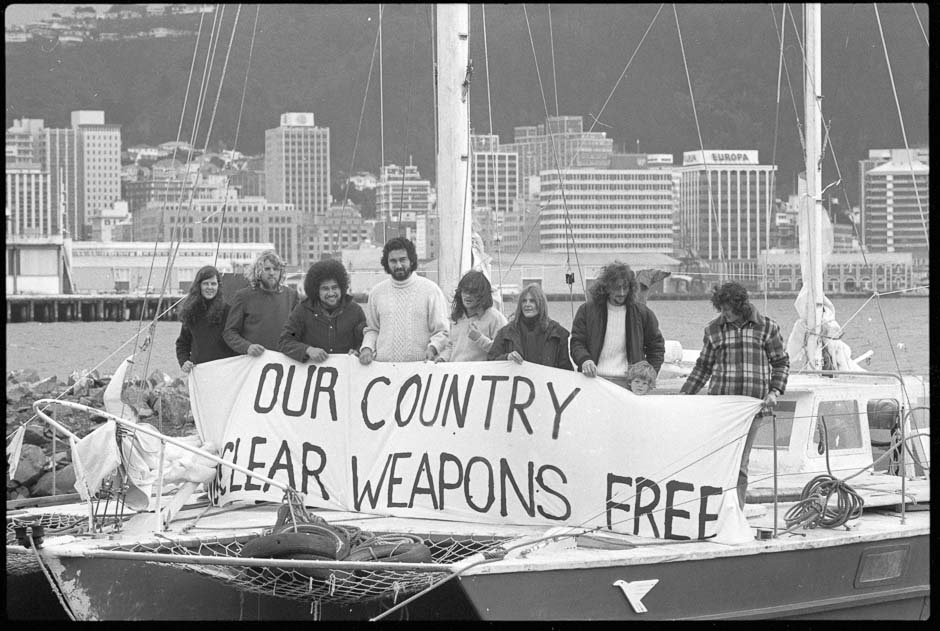
Burdening NZ with $22 billion debt for Uncle Sam’s Wars?
Do we really want to spend $22 billion on warships whose only function is to slot into the US war machine?
-

New election scorecard shows parties with worst environmental policies are also taking donations from polluting industries
National, ACT and NZ First have taken over $1 million in political donations from agribusiness-linked donors since 2022, new Greenpeace analysis reveals. The finding is part of Greenpeace’s 2026 election scorecard, which exposes a stark divide between the parties over the future of New Zealand’s rivers, oceans, climate and conservation land.
-
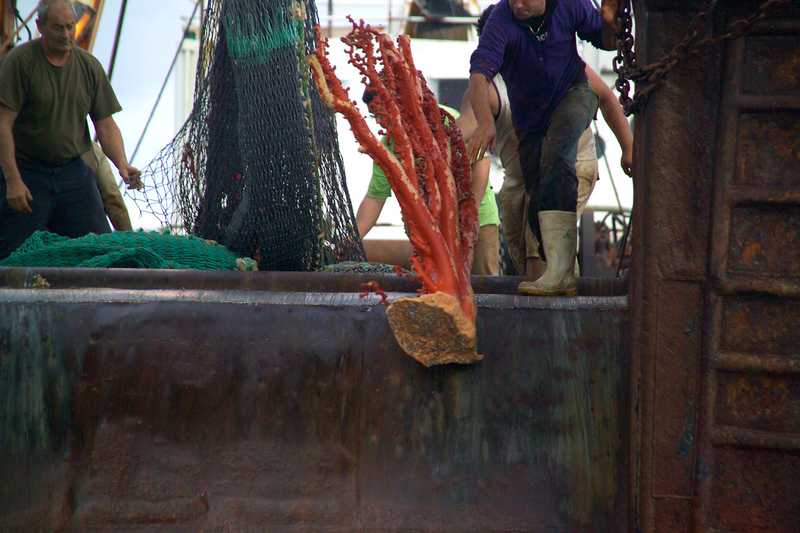
Trawl industry spin exposed as latest data reveals 35 tonne coral bycatch
New fisheries data has reinforced the disastrous impact of commercial trawling, showing New Zealand trawlers reported hauling up more than 35,000kg of protected coral and sponges over a six and a half year period – despite the fishing industry claiming they avoid coral habitats.
-
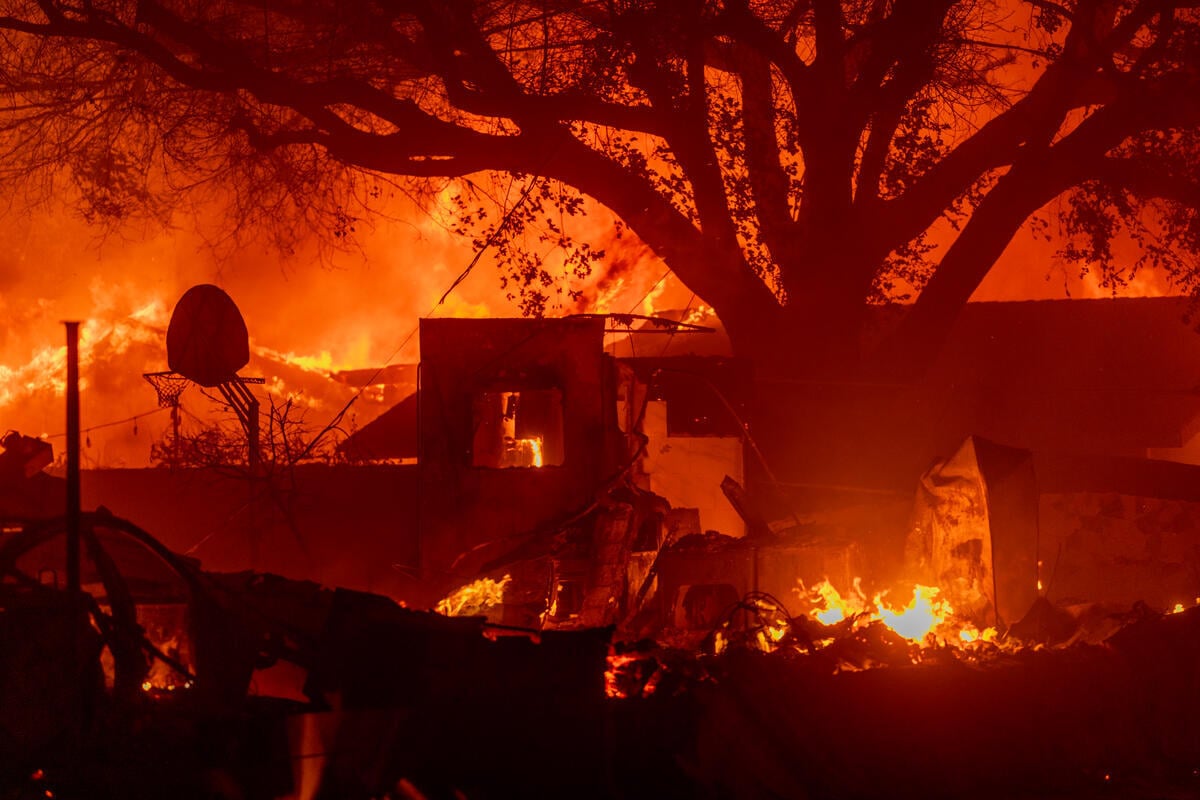
Labour’s climate announcement is a cop-out
Greenpeace says the Labour Party is copping out of tackling the climate crisis.
Subscribe
Greenpeace is people, people like you, and together we are unstoppable! Add your details and we’ll send you regular action alerts and campaign information.