• Skip to Navigation
  • Skip to Content
  • Skip to Footer
Greenpeace
  • Publications
  • Press Releases
  • Stories
    • From Melting Ice to Political Fire
    • How Communities in Delhi Are Rising Together Against Extreme Heat
    • We Will Not Let Them Not Work That Easily
    • More
  • Act
    • Kerala response
    • Who pays for the damage from extreme weather?
    • Save Dwaraka Forest
  • Explore
    • Where Your Donations Go
    • Clean Energy
    • Environment
    • Health and Living
  • Volunteer Corner
  • Publications
  • Press Releases
  • Stories
  • Act
  • Explore
  • Volunteer Corner
Greenpeace
  • Home
  • Publications
  • Press Releases
  • Stories
    • From Melting Ice to Political Fire
    • How Communities in Delhi Are Rising Together Against Extreme Heat
    • We Will Not Let Them Not Work That Easily
    • More
  • Act
    • Kerala response
    • Who pays for the damage from extreme weather?
    • Save Dwaraka Forest
  • Explore
    • Where Your Donations Go
    • Clean Energy
    • Environment
    • Health and Living
  • Volunteer Corner

News & Stories

  • Environment

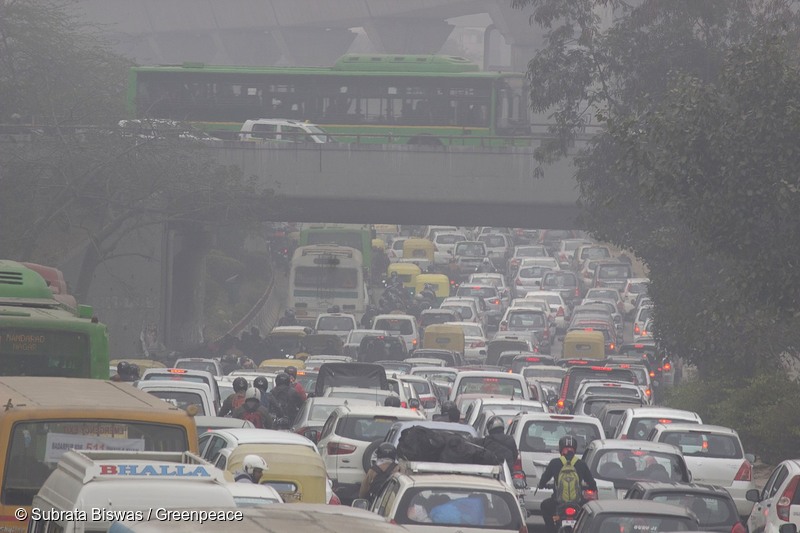
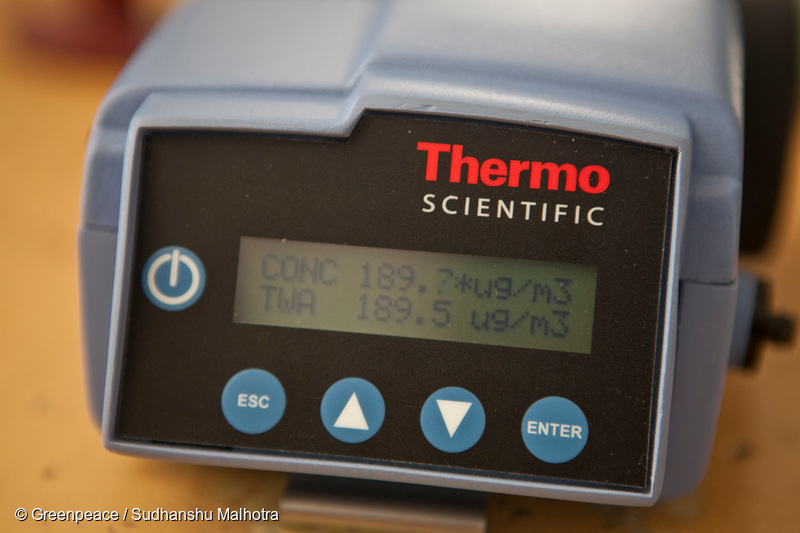
    Greenpeace report highlights inequity in vulnerable groups’ exposure to air pollution and access to air quality data.

    Delhi, India – A report published by Greenpeace India today reveals that even though air pollution is a universal health problem that affects everyone on this planet, the risks are…

    Greenpeace India
    September 2, 2022
    2 min read
  • Environment

    Different Air Under One Sky: The Inequity Of Air Pollution

    Air pollution is the largest environmental risk factor for human health, causing ill health and millions of premature deaths each year worldwide. However, the negative impacts of air pollution are…

    Greenpeace India
    September 2, 2022
  • Environment

    What does improved air quality during lockdown tell us?

    11th August, Bengaluru: Greenpeace India’s latest report Flexicity is a comparative study of air quality and mobility patterns before, during and after the COVID-19 Lockdowns(2020) in Bengaluru and their correlation…

    Greenpeace India
    August 11, 2022
    2 min read
  • Environment

    FLEXICITY: Does Flexible Work Improve Air Quality?

    Studies have found that implementing flexible remote working options even for just a few days a week can reduce air pollutant levels by 10%. This is not surprising, given that motorized vehicles are one of the largest contributors to air pollution in cities.

    Greenpeace India
    August 11, 2022
  • Environment

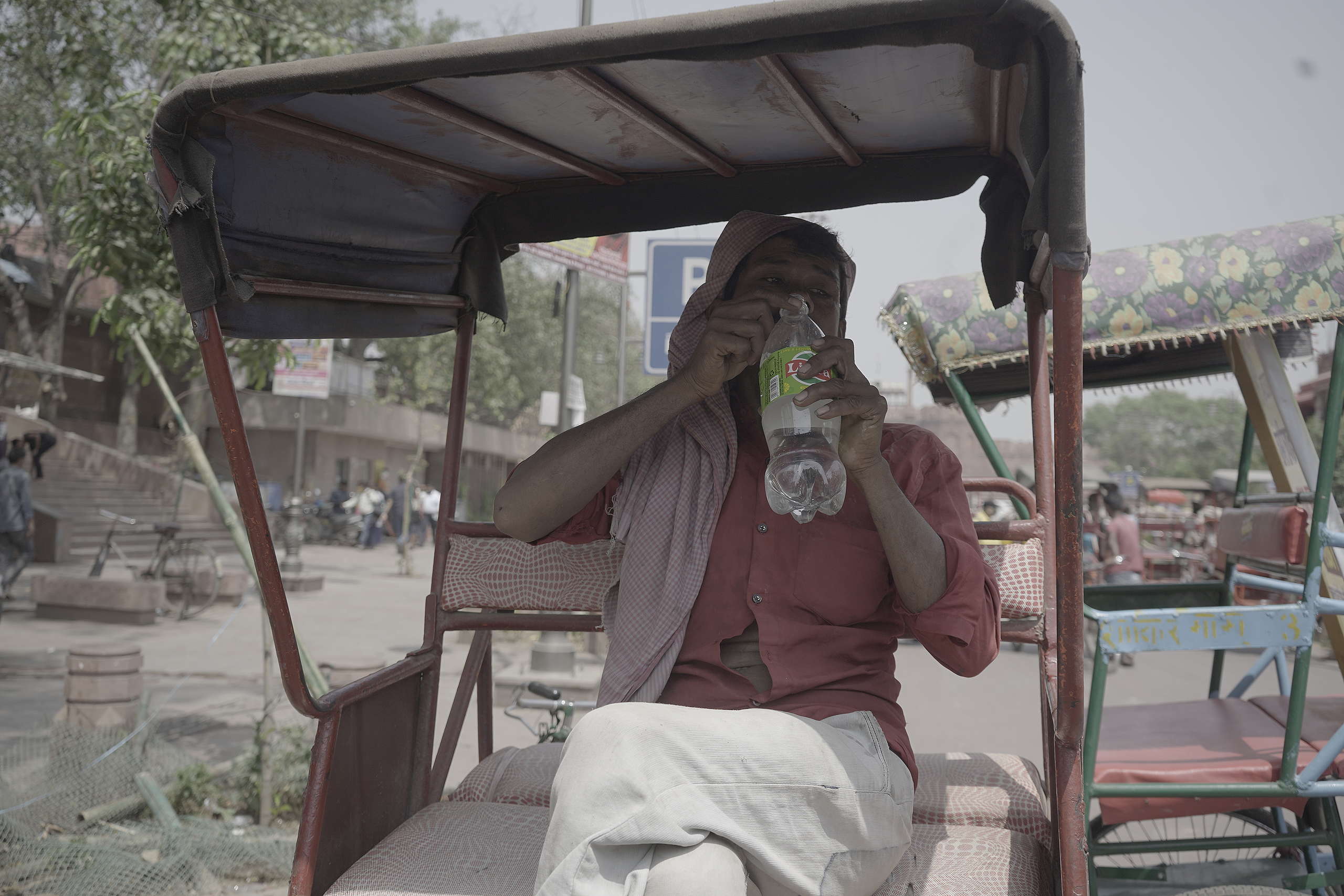
    Data shows India’s heatwave crisis worsened since 2021: Greenpeace India

    New Delhi.10th of June 2022 In its latest report, Greenpeace India has analysed data acquired from Accuweather to study the average increase in temperatures over the month of April in…

    Greenpeace
    June 10, 2022
    3 min read
  • Environment

    Summers Like None Other: Heatwave Trends in 10 Capital Indian Cities

    Greenpeace India’s latest report follows the heatwave trends in 10 Indian capital cities: New Delhi, Jaipur, Lucknow, Shimla, Bhopal, Patna, Mumbai, Kolkata, Hyderabad and Chennai.

    Greenpeace
    June 10, 2022
  • Environment

    World Oceans Day Is About People

    When you read the phrase ‘ocean conservation’ what images come up in your mind? A mighty blue whale? Cute penguins from our recent Antarctica trip? Maybe some fish swimming in…

    Rima Sonigara, Digital Campaigner, Protect the Oceans team
    June 8, 2022
  • Clean Energy

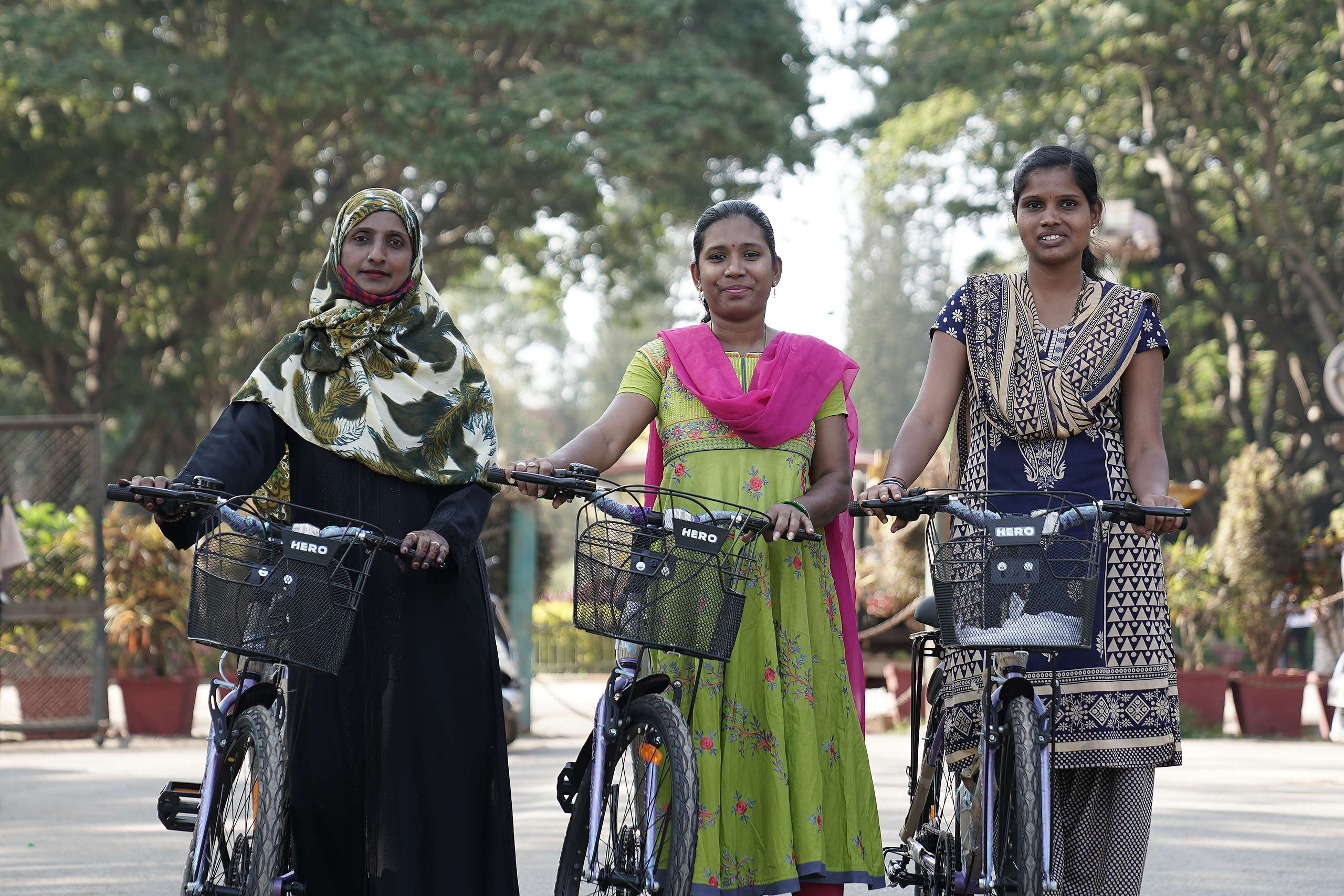
    Powering Change With Each Pedal

    Choosing to cycle once a day can reduce an individual’s carbon emissions by 67%! Cycles also represent an accessible, sustainable mode of travel to a majority of the Indian population,…

    Greenpeace
    May 31, 2022
  • Environment

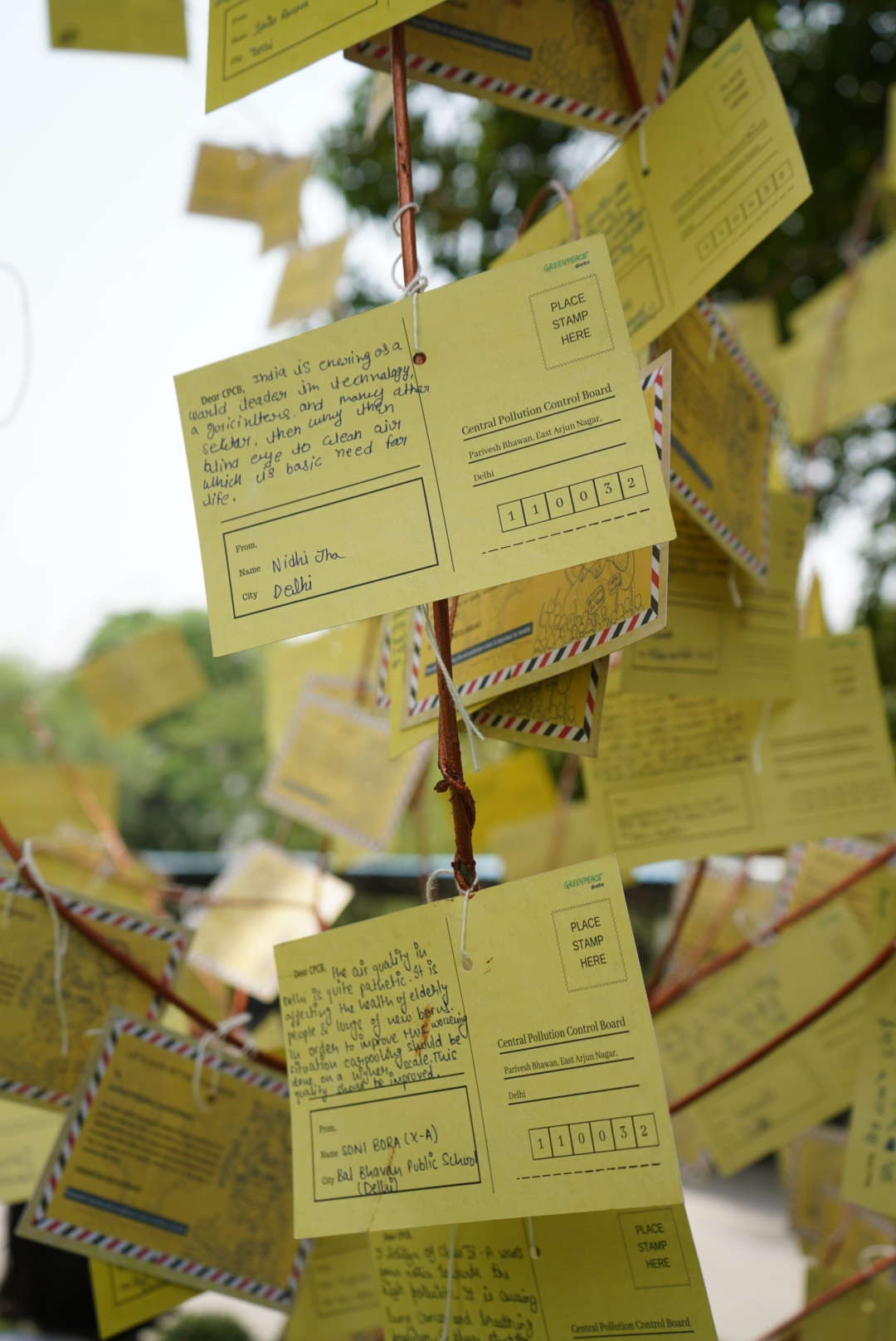
    Greenpeace volunteers install ‘Tree of Life’ outside CPCB office

    Greenpeace volunteers install ‘Tree of Life’ outside CPCB demanding revision in air quality standards

    Greenpeace
    April 22, 2022
    2 min read
  • Environment
    Air pollution HealthAndLiving

     An Open Letter to CPCB

    Greenpeace India and its supporters submit an open letter to CPCB for revision of air quality guidelines

    Greenpeace India
    April 22, 2022
Prev
1 2 3 4 5 6 … 23
Next
  • Greenpeace International
  • A
    • Africa
      • English •
      • Français
    • Aotearoa
    • Argentina
    • Australia
    • Austria
  • B
    • Belgium
      • Français •
      • Nederlands
    • Brazil
    • Bulgaria
  • C
    • Canada
      • English •
      • Français
    • Chile
    • Colombia
    • Croatia
    • Czech Republic
  • D
    • Denmark
  • E
    • East Asia
      • 中文简体 •
      • 繁體 •
      • 正體 •
      • 한국어 •
      • English
    • European Union
  • F
    • Finland
    • France
  • G
    • Germany
    • Greece
  • H
    • Hungary
  • I
    • India
      • English •
      • Hindi
    • Indonesia
    • Israel
    • Italy
  • J
    • Japan
  • L
    • Luxembourg
      • Deutsch •
      • Français
  • M
    • Malaysia
    • Mexico
    • Middle East and North Africa
      • العربية •
      • English •
      • Français
  • N
    • Netherlands
    • Norway
  • P
    • Peru
    • Philippines
    • Poland
    • Portugal
  • R
    • Romania
  • S
    • Slovakia
    • Slovenia
    • South Asia
    • Southeast Asia
    • Spain
      • Español •
      • Català •
      • Euskara •
      • Galego
    • Sweden
    • Switzerland
      • Deutsch •
      • Français
  • T
    • Thailand
    • Turkey
  • U
    • UK
    • Ukraine
    • USA
Follow us
  • Twitter
  • Facebook
  • YouTube
  • Instagram
  • About Us
  • Our Offices
  • Press
  • #Careers
  • Supporter Care
  • Privacy Policy
  • POSH Policy
  • Copyright and Terms
  • Community Policy
  • Sitemap
Greenpeace India 2025 Unless otherwise stated, the copy of the website is licensed under a CC-BY International License

Manage your cookies preferences

Please select which cookies you are willing to store.

First-party cookies (required) Always enabled

These cookies are required for technical reasons so that you can visit our website and use the functions we offer. These cookies are used to recognise you between successive visits and thus provide you with a better experience, storing your consent preferences and the last Greenpeace.org website visited.

We use tracking and analysis tools to ensure continuous optimisation and demand-oriented design of our website. These cookies will allow us to collect statistical and anonymised data, such as how visitors use our website or which pages are accessed most frequently, to ultimately improve Greenpeace.org and provide you with a better experience of our website.

In addition to the Performance cookies mentioned above, we may also place in your browser cookies from third-party services (e.g. Facebook or Google) to track the effectiveness of our online marketing strategies and to deliver adverts more relevant to you and your interests. These cookies may also be used to serve advertising to you after you have left our site (retargeting cookies).

We use cookies to enhance your experience. By continuing to visit this site you agree to our use of cookies.